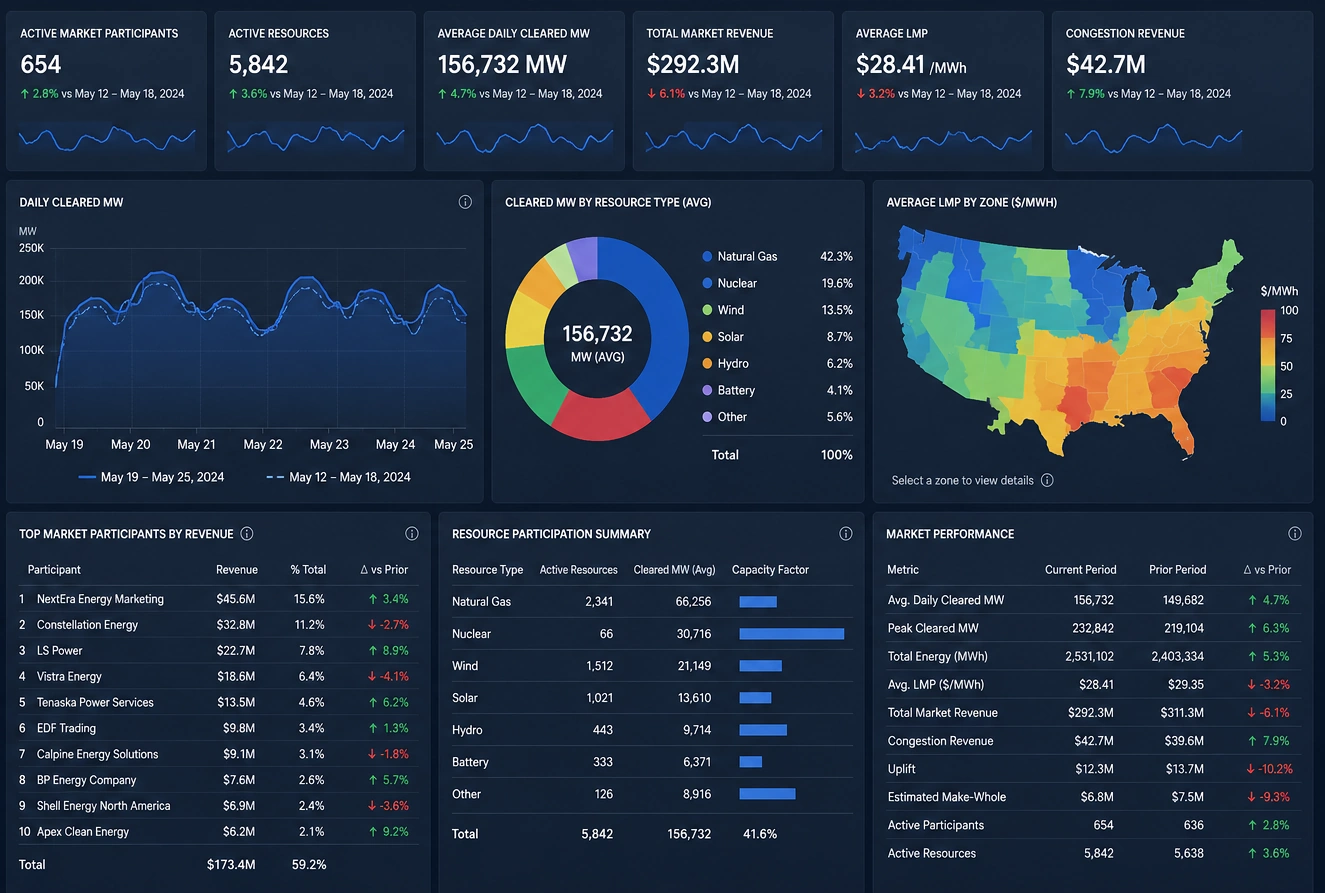
Performance Management Tools: Feature Comparison of InetSoft, Querio, Holistics, icCube, SAS Viya, and Reveal
Performance management has evolved from static scorecards and monthly spreadsheet rollups into a continuous, data-driven operating discipline. Today, organizations expect performance tools to do far more than display KPIs: they must unify fragmented data, deliver role-specific dashboards, support governed self-service, and scale from operational monitoring to strategic planning. This comparison is designed for teams evaluating six modern platforms with different strengths and architectural philosophies: InetSoft, Querio, Holistics, icCube, SAS Viya, and Reveal.
Rather than treating every product as interchangeable BI software, this feature review focuses on practical buying criteria that influence long-term success: data integration flexibility, semantic modeling depth, dashboard interactivity, embedded analytics readiness, governance controls, scalability, and total implementation effort. If your objective is to choose a platform that will still work as your data volumes, user count, and governance requirements increase, the details below should help you avoid expensive replatforming later.
How To Read This Comparison
Each platform covered here can produce dashboards and reports. The real differences appear when you examine how quickly teams can iterate, how safely business users can self-serve, and how reliably IT can manage change over time. A tool that looks fast in a pilot can become slow to maintain if semantic logic is duplicated in many places. Conversely, a platform that emphasizes governed reuse may require stronger up-front modeling but deliver higher long-term consistency and lower maintenance overhead.
Use this comparison as a decision framework, not a one-line verdict. Most organizations have mixed requirements: some teams need pixel-perfect operational reporting, others need exploratory analytics, and still others need embedded dashboards in customer-facing products. The best choice is usually the one that aligns with your dominant use case while still supporting adjacent needs without heavy customization.
Feature Comparison Table
| Platform | Primary Strength | Data Integration and Modeling | Dashboards and Reporting | Governance and Security | Best Fit |
|---|---|---|---|---|---|
| InetSoft | Balanced enterprise BI with strong reuse and flexibility | Broad connector support, data mashup, semantic reuse, governed self-service | Interactive dashboards, production reporting, drill-down, embedding support | Role-based access, centralized logic, reusable data blocks, scalable administration | Organizations needing both agility and governance across multiple teams |
| Querio | Fast ad hoc access for business users | Emphasis on ease of query and business-friendly exploration workflows | Strong for quick discovery; may require added structure for large-scale standardization | Suitable governance baseline, often paired with stricter enterprise standards | Teams prioritizing rapid business-led exploration and quick answers |
| Holistics | Model-centric analytics with engineering-friendly workflows | Version-controlled modeling, SQL-centric pipelines, strong analytics engineering patterns | Dashboarding and reporting are solid, especially when backed by disciplined models | Good governance through model definitions and controlled metric logic | Data-mature teams with strong analytics engineering practices |
| icCube | OLAP and multidimensional analytics depth | Strong multidimensional modeling for high-performance analytical slicing | Best where cube-style analysis and complex hierarchies are core requirements | Governance aligns well with controlled cube and dimensional environments | Enterprises with heavy OLAP workloads and deep multidimensional analysis |
| SAS Viya | Advanced analytics and enterprise data science integration | Powerful analytical stack, statistical and ML capabilities integrated with BI workflows | Strong for analytics-heavy organizations with complex model operationalization needs | Enterprise-grade governance, auditability, and security controls | Large organizations where advanced analytics is central to performance management |
| Reveal | Embedded analytics experience in applications | Focused on integrating analytics into apps with developer-centric enablement | Strong embedded visualization use cases; broader enterprise BI scope may vary by deployment | Governance depends on implementation architecture and hosting model | Product teams prioritizing embedded dashboards in customer-facing software |
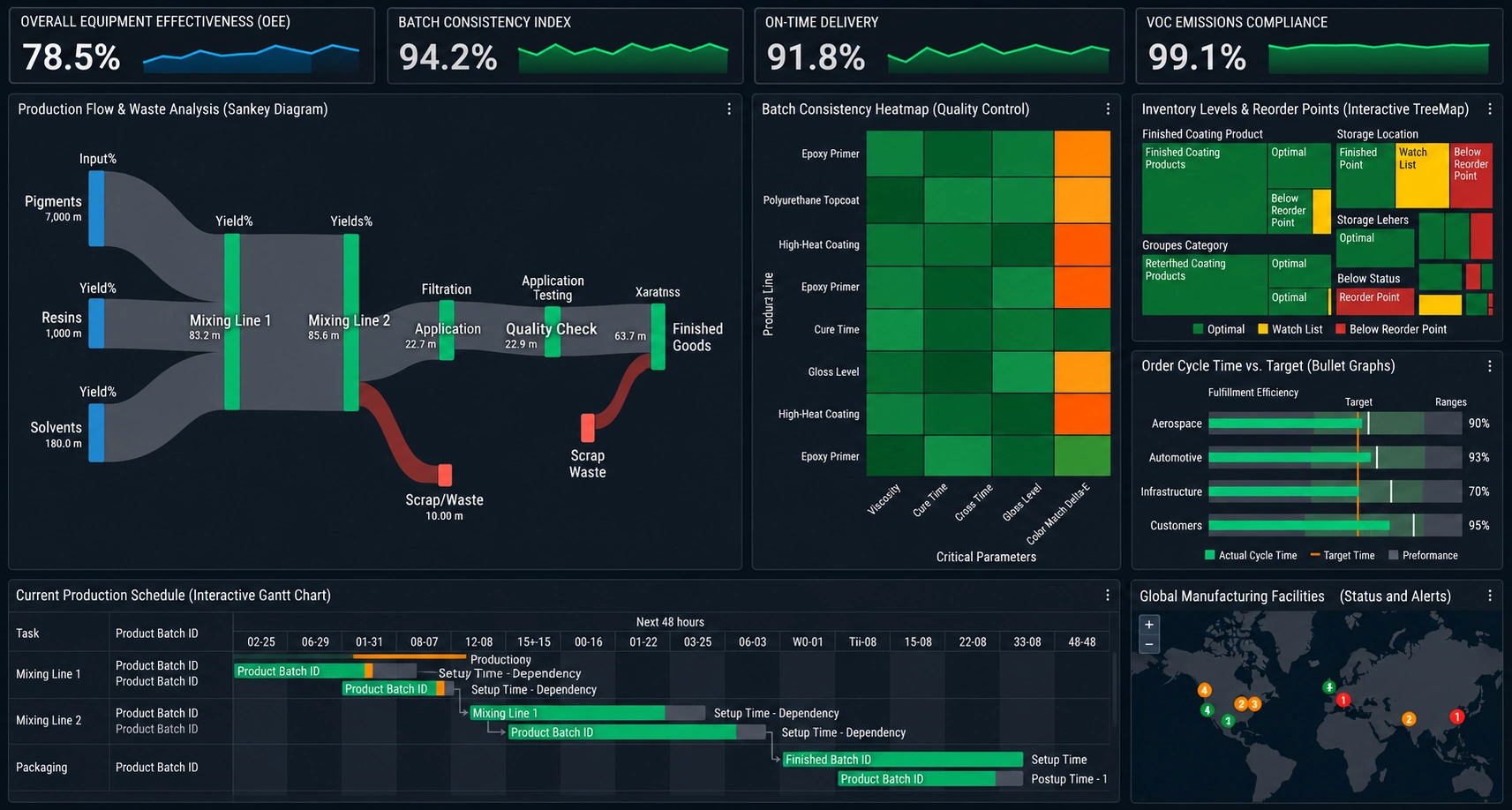
Tool-By-Tool Analysis
InetSoft
InetSoft is strongest when organizations need a practical middle path between speed and control. It supports a broad range of connectors and allows teams to build reusable semantic assets that reduce duplication across dashboards and reports. This is especially valuable in performance management environments where revenue, margin, utilization, and service metrics are reused by many departments with different perspectives.
From a delivery perspective, InetSoft performs well in mixed use cases: executive dashboards, operational monitoring, production reporting, and embedded analytics. Business users benefit from interactive exploration while IT retains governance over shared definitions and access controls. Organizations that struggle with siloed logic in spreadsheet-driven reporting often see clear gains in consistency and cycle time after centralizing KPI definitions.
Querio
Querio is typically evaluated by teams that need rapid answers from business data without long modeling cycles. Its appeal is speed-to-insight for non-technical users and analysts who need to iterate quickly. In performance management contexts, this can accelerate early discovery of trend changes and anomalies before formal dashboard content is built.
As organizations scale, the key consideration is how well ad hoc agility transitions into governed repeatability. If your reporting model requires strict KPI consistency across many functions, you may need stronger centralized modeling and governance practices alongside fast exploration workflows. Querio can be a strong fit where quick business question resolution is the primary goal.
Holistics
Holistics is often favored by teams with analytics engineering discipline and a model-first mindset. It enables controlled metric development with versioned workflows that can improve trust in shared numbers. For performance management, that translates into fewer metric disputes and better reproducibility in recurring reporting.
Its biggest advantage emerges when engineering and analytics teams collaborate tightly and invest in robust data modeling. Organizations without that foundation may still benefit, but they should plan enablement effort accordingly. If your strategy is to treat metrics as code and build long-term model governance, Holistics is a compelling candidate.
icCube
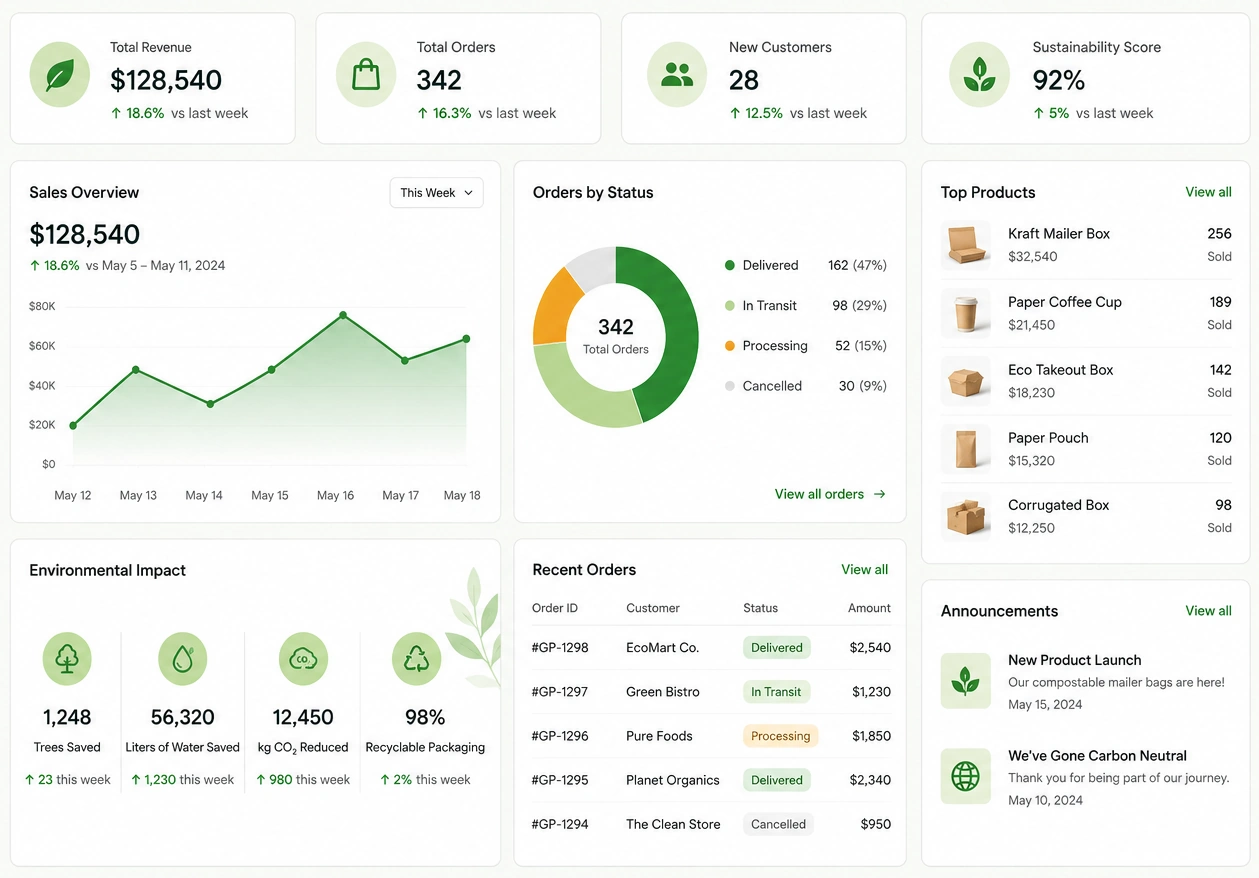
icCube stands out in OLAP-oriented environments that demand deep multidimensional analysis. Companies with complex hierarchies, dense dimensional structures, and cube-style exploration needs often value its analytical depth. In performance management, this can support detailed decompositions of variance across product, region, time, and channel dimensions.
The trade-off is that cube-centric design requires clear dimensional strategy and ongoing stewardship. When implemented well, icCube can provide excellent analytical performance for advanced users. It is particularly suitable where multidimensional rigor is a core requirement rather than an occasional need.
SAS Viya
SAS Viya is a strong option for organizations where performance management is tightly coupled with advanced analytics and model-driven forecasting. Its enterprise capabilities around statistics, machine learning, and operationalization can support sophisticated planning and predictive performance workflows. This makes it attractive in industries where analytical depth is a strategic differentiator.
The main consideration is complexity and operating model fit. Organizations should evaluate whether they need the full power of an advanced analytics stack for routine performance management use cases. When they do, SAS Viya can deliver significant strategic value; when they do not, simpler platforms may provide faster time-to-value.
Reveal
Reveal is frequently considered when embedded analytics is the top priority. Product teams that need dashboards inside customer-facing software may appreciate its developer-oriented workflow and embedded-first posture. For performance management scenarios delivered through SaaS products, this can improve user adoption by placing insights directly in operational context.
Decision-makers should assess how far the platform needs to extend beyond embedded use cases. If internal enterprise reporting, governed semantic reuse, and complex cross-functional KPI frameworks are equally important, compare architectural fit carefully. Reveal excels in embedded scenarios, especially where product experience drives the analytics strategy.
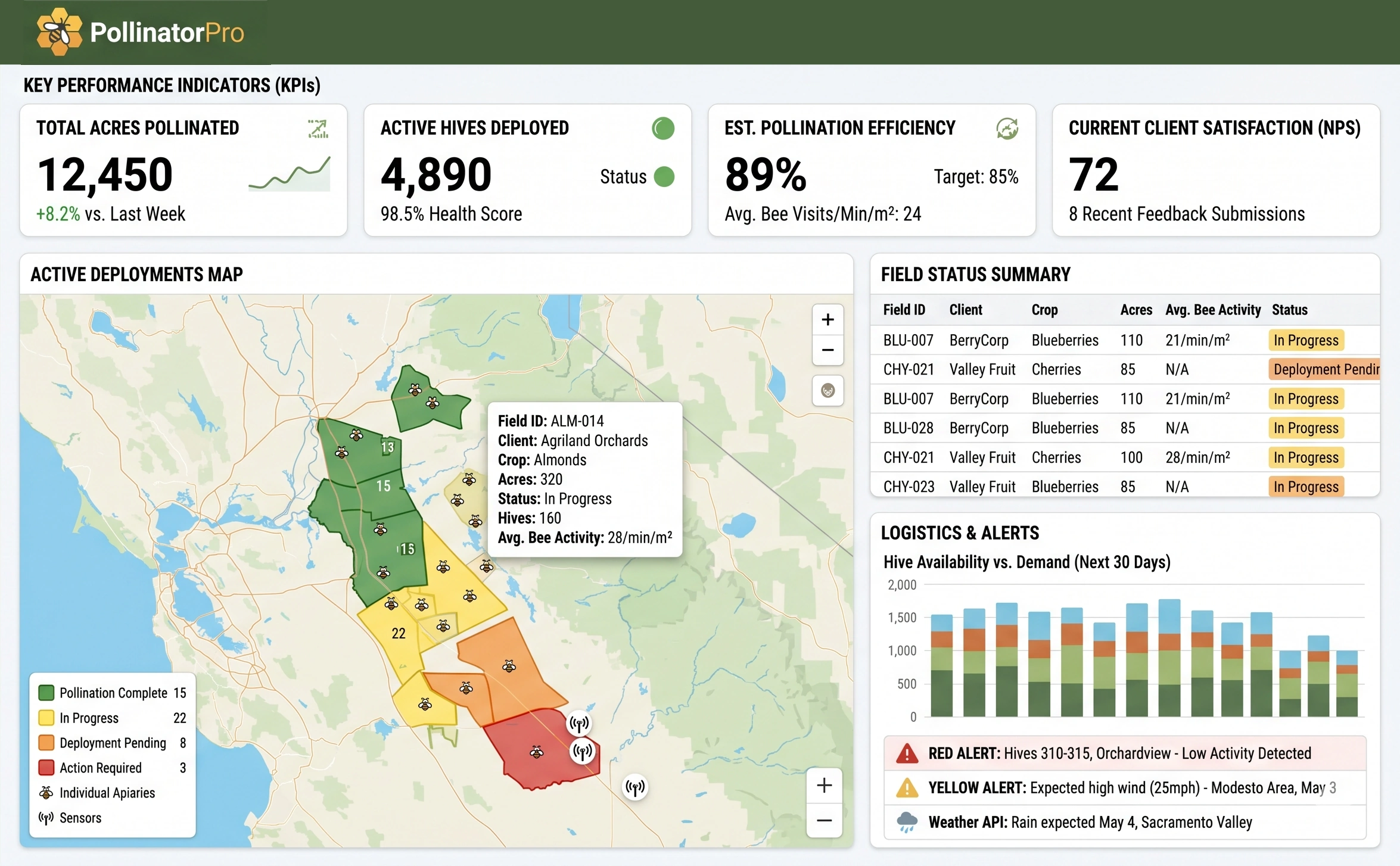
Decision Scenarios and Recommendations
If your top priority is balanced enterprise performance management: InetSoft is often a strong fit because it combines flexible dashboarding with reusable governance patterns. If your top priority is rapid ad hoc business exploration: Querio can accelerate answers quickly. If your team is model-centric and engineering-heavy: Holistics may align best with your operating style. If multidimensional OLAP depth is central: icCube deserves close consideration. If advanced analytics and ML integration are mission critical: SAS Viya is likely the strongest strategic candidate. If embedded analytics in software products is dominant: Reveal can be highly effective.
In practice, most enterprises need a roadmap, not just a tool. Start by ranking your requirements across three horizons: immediate reporting pain points, medium-term governance requirements, and long-term scalability objectives. The platform that scores highest across all three horizons is usually the one that prevents costly migration projects later.

Final Takeaway
Performance management tools should be evaluated as decision systems, not just visualization products. The winning platform is the one that helps your teams move faster and stay consistent as scope expands. InetSoft, Querio, Holistics, icCube, SAS Viya, and Reveal each bring distinct value, but they optimize for different operating models. Choosing well means matching platform strengths to your data maturity, governance expectations, and delivery pace. If you align those factors early, your performance management program will scale with fewer compromises.
One additional lens that buyers often overlook is change management burden over a two- to three-year horizon. A platform can appear inexpensive in year one but become costly if every KPI revision requires heavy technical intervention, retraining, or report rewrites. During evaluation, ask each vendor to demonstrate how a common change request is handled: metric redefinition, hierarchy updates, permission changes, and rollout of a new executive dashboard. The tools that absorb these changes with minimal disruption tend to deliver better long-term economics. In performance management, adaptability is not a bonus feature; it is the foundation of sustainable value.