How to Engage in Realistic Measurement Viewpoints
This is the continuation of the transcript of a Webinar entitled, "Infrastructure Optimization Scorecards” hosted by InetSoft. The speaker is Jessica Little, Marketing Manager at InetSoft.
There are many different viewpoints. Measurement is one of the viewpoints you have to have. Other ones include how to get people involved and not just the governance of those three or four level executives in the organization. How do you permeate that? How do you get it to action? How do you track that?
That’s what I’ve been trying to do. You create spreadsheets and these PowerPoint’s, and then you go off and go “bye, I’m leaving. I’ve been here for four months, and I created a plan, left it on the desk of the guy whose team is supposed to track it.”
Then they go, “you have 20 projects. It’s going to take four years.” You had the goals laid out, the questions, the metrics, and indicators of when things will go by, but you didn’t give us any business intelligence tools. That’s not a good system.
Then at another pretty good company, they say, okay, let’s try to look at performance management tools and see where things are. That’s how I really got into finding performance stuff. That’s how I found out that performance metrics are real good at a high level in a dashboarding system because it puts it in the terms of what the executives said, and then we would get started on the design.

Using the Performance Scorecard
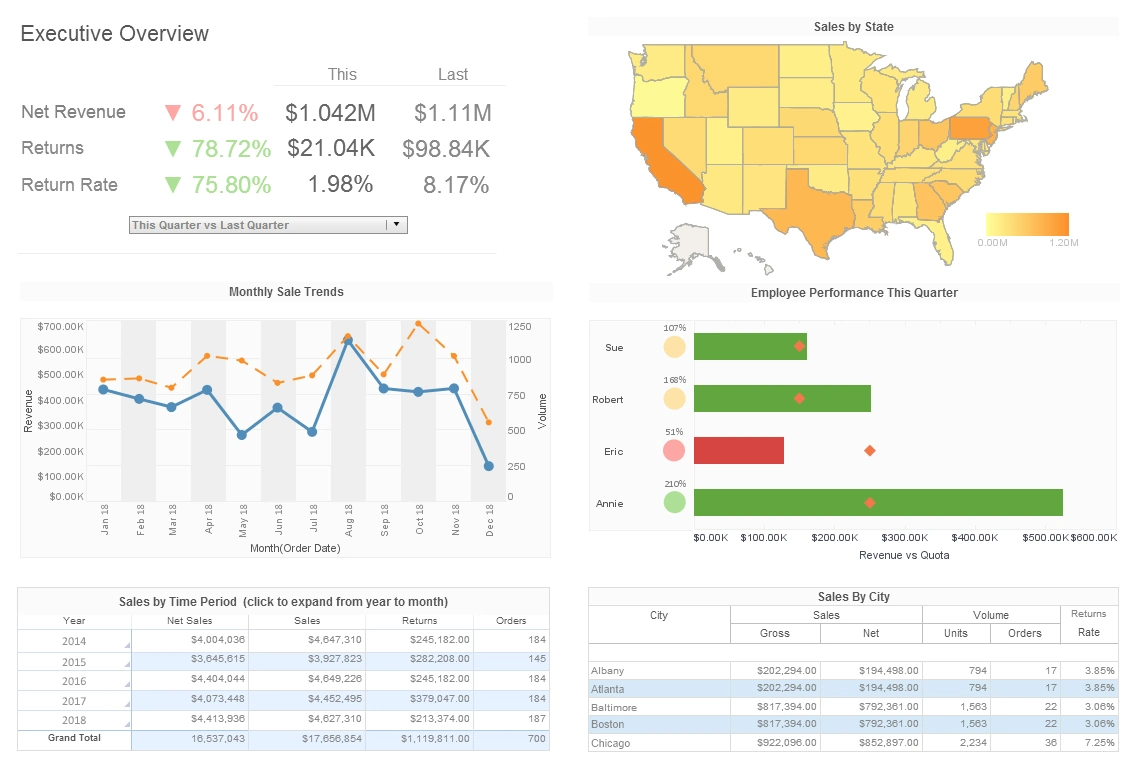
The design happened to be putting in these things called repositories. They have all these nice dashboarding tools, and we write these nice neat templates for them, but they are not linked. Now we have a new gap. We have the strategy of using the performance scorecard, and we have all these things that are part of the design, including rules about how the design should evolve. I want to encourage people to become more innovative.
So I said, we’re going to call this innovation a strategic transformation action repository. I could hardly remember what it stood for, but they liked the idea, especially the senior management. They wanted to know who was responsible for it.
In other places, the executives like to know who the project manager is. They loved the idea of hooking this performance stuff at the top to a repository and finding out who was available in addition to the fact that you could email them. This is the dream for the micromanager.
As you enter this transformation phase, you’ve already done the planning, so I go out there for three or four months and talk to all these people and drop the transformation plan. That’s not what I’m trying to do.
Another client of mine does a yearly review. If they didn’t have a good year, and I am assisting in where the planning went wrong, I need to find a better approach. You need to have a way to listen and be proactively engaged with people. You need to engage people in the organization and the measurements have to have an effect on somebody making a change in behavior or else we’d be expecting magic. Magic happens only where the Bellagio is, in one of the rooms the magicians are in.
One of the recurring challenges in developing realistic viewpoints is ensuring that measurement frameworks stay grounded in operational reality rather than aspirational planning. Many organizations build elaborate scorecards that look impressive on paper but fail to reflect the constraints, bottlenecks, and human factors that determine whether initiatives actually move forward. By incorporating feedback loops from frontline teams and validating assumptions early, leaders can avoid the trap of designing metrics that describe an idealized world rather than the one their people work in every day.
Another important aspect is recognizing that measurement systems must evolve as the organization matures. Early-stage teams may rely heavily on qualitative indicators and narrative explanations, while more established groups can support richer quantitative models. The key is not to force sophistication prematurely. Instead, build measurement layers gradually, allowing each new level of detail to emerge naturally from improved data quality, stronger processes, and clearer accountability structures. This incremental approach prevents overwhelm and increases adoption across departments.
Realistic viewpoints also depend on transparency around how metrics influence decisions. When employees understand why certain indicators matter and how leadership interprets them, they are far more likely to engage constructively with the measurement process. Conversely, opaque scorecards can create anxiety, resistance, or misalignment. Embedding short explanations, contextual notes, or links to strategic objectives directly within dashboards helps demystify the system and encourages teams to use the data proactively rather than defensively.
It is equally valuable to acknowledge that not all metrics carry the same weight. Some indicators are diagnostic, helping teams identify root causes or emerging risks. Others are directional, showing whether a long-term initiative is trending positively. Still others are evaluative, used to assess performance at key milestones. By labeling metrics according to their purpose, organizations can reduce confusion and prevent leaders from overreacting to short-term fluctuations that are normal within diagnostic or directional categories.
Finally, measuring realistic viewpoints requires a cultural commitment to learning rather than blame. Scorecards should highlight opportunities for improvement, not serve as tools for punishment. When leaders model curiosity—asking what the data suggests, what assumptions may need revisiting, and what support teams require—measurement becomes a catalyst for growth. This mindset shift transforms dashboards from static reporting artifacts into dynamic instruments that help organizations adapt, innovate, and sustain meaningful progress over time.