Why an Industrial Odor Control Solutions Company Switched from GoodData to StyleBI for Its Reporting Tools
PureAir Dynamics, a mid‑sized company specializing in Industrial Odor Control Solutions, built its reputation on engineering advanced systems that neutralize emissions from wastewater treatment plants, food processing facilities, chemical manufacturers, and large‑scale agricultural operations. Their products—biofilters, chemical scrubbers, activated carbon systems, and real‑time odor monitoring networks—are deployed across North America and Europe. As environmental regulations tightened and customer expectations evolved, PureAir Dynamics increasingly relied on data to demonstrate compliance, optimize system performance, and deliver transparent reporting to clients.
For years, the company used GoodData as its primary reporting platform. GoodData offered cloud‑based dashboards and analytics that helped PureAir Dynamics visualize odor levels, chemical usage, airflow performance, and maintenance trends. However, as the company expanded into more complex industrial environments and began offering data‑driven service contracts, GoodData’s limitations became more apparent. After a strategic review, PureAir Dynamics decided to migrate from GoodData to StyleBI, seeking a more flexible, self‑hosted, and customizable reporting solution.

Challenges PureAir Dynamics Faced with GoodData
While GoodData provided a solid foundation for cloud analytics, it struggled to meet the evolving needs of an industrial engineering company operating in highly regulated environments. PureAir Dynamics identified several recurring challenges that ultimately motivated the switch.
First, GoodData’s cloud‑only architecture created friction for customers who required on‑premises or private‑cloud deployments. Many of PureAir Dynamics’ clients—especially municipal wastewater plants and chemical manufacturers—had strict data residency and security requirements. They needed assurance that odor monitoring data, emissions logs, and compliance reports would remain within their own controlled environments. GoodData’s architecture made this difficult.
Second, GoodData’s embedding capabilities were not flexible enough for PureAir Dynamics’ customer portal. The company wanted to offer a fully branded reporting experience where clients could log in, view real‑time odor levels, download compliance documentation, and analyze system performance. GoodData’s embedding options left visible traces of the underlying platform and limited the degree of customization PureAir Dynamics could achieve.
Third, the company needed more advanced data modeling and transformation capabilities. Odor control systems generate complex datasets: airflow rates, chemical dosing levels, hydrogen sulfide concentrations, filter saturation curves, weather correlations, and maintenance logs. GoodData’s modeling layer was not flexible enough to handle the variety of data sources and the depth of analysis required.
Finally, licensing costs became increasingly difficult to manage as PureAir Dynamics expanded its service offerings. The company wanted to provide reporting access to hundreds of external stakeholders—plant managers, environmental compliance officers, and engineering consultants—without incurring steep per‑user fees.

Why StyleBI Emerged as the Ideal Replacement
When evaluating alternatives, PureAir Dynamics focused on three priorities: deployment flexibility, embedded analytics, and advanced reporting capabilities. StyleBI quickly distinguished itself as the strongest fit.
StyleBI’s ability to run fully on‑premises or in a private cloud aligned perfectly with the needs of PureAir Dynamics’ customers. The company could deploy reporting environments directly within a client’s infrastructure, ensuring that sensitive emissions and compliance data never left the facility. This capability alone opened new opportunities for long‑term service contracts.
The platform’s white‑labeling and embedding features were another major advantage. StyleBI allowed PureAir Dynamics to create a seamless reporting experience within its customer portal. Dashboards, reports, and interactive charts could be styled to match the company’s branding, with no visible third‑party elements. This elevated the professionalism of the portal and strengthened customer trust.
StyleBI’s data modeling environment also proved far more capable than GoodData’s. Engineers could build complex transformations, define reusable metrics, and blend data from multiple sources—including SCADA systems, IoT sensors, laboratory results, and maintenance logs. This enabled deeper analysis of odor control system performance and helped identify root causes of odor spikes or equipment inefficiencies.
Finally, StyleBI’s licensing model was significantly more cost‑effective for PureAir Dynamics’ business model. The company could provide reporting access to all customers and internal teams without worrying about per‑viewer fees or unpredictable usage‑based billing.
Planning the Migration from GoodData to StyleBI
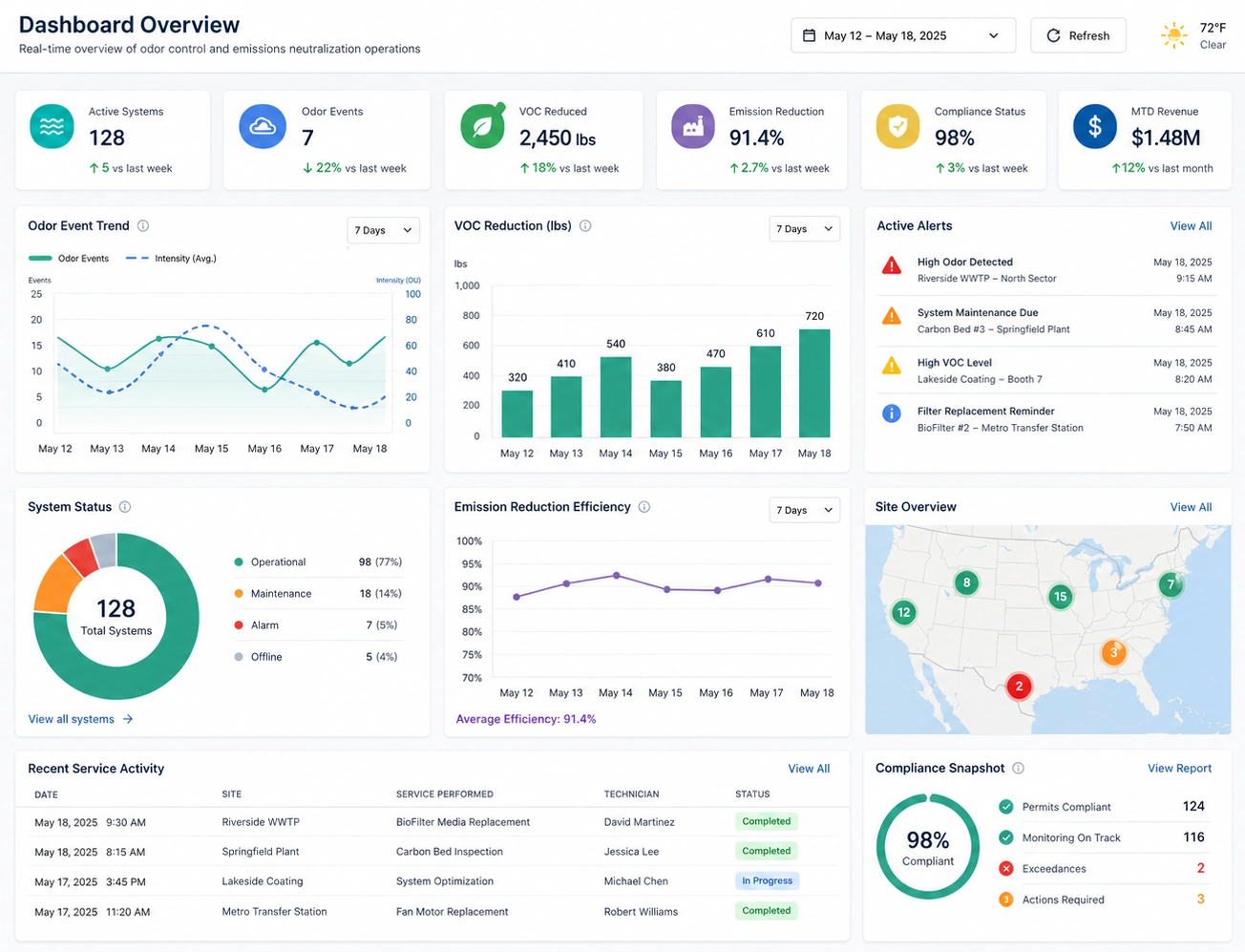
PureAir Dynamics approached the migration as a structured, multi‑phase initiative. The first step was to inventory all existing GoodData dashboards and reports. These included odor concentration trend charts, chemical consumption summaries, filter saturation reports, and compliance documentation dashboards. The BI team categorized them into high‑priority, medium‑priority, and legacy items.
Next, the company reviewed its data architecture. Odor control systems generate data from a wide range of sources: continuous gas sensors, airflow meters, chemical dosing pumps, weather stations, and manual inspection logs. The team consolidated these sources into a unified data warehouse, ensuring that StyleBI could access clean, consistent data models.
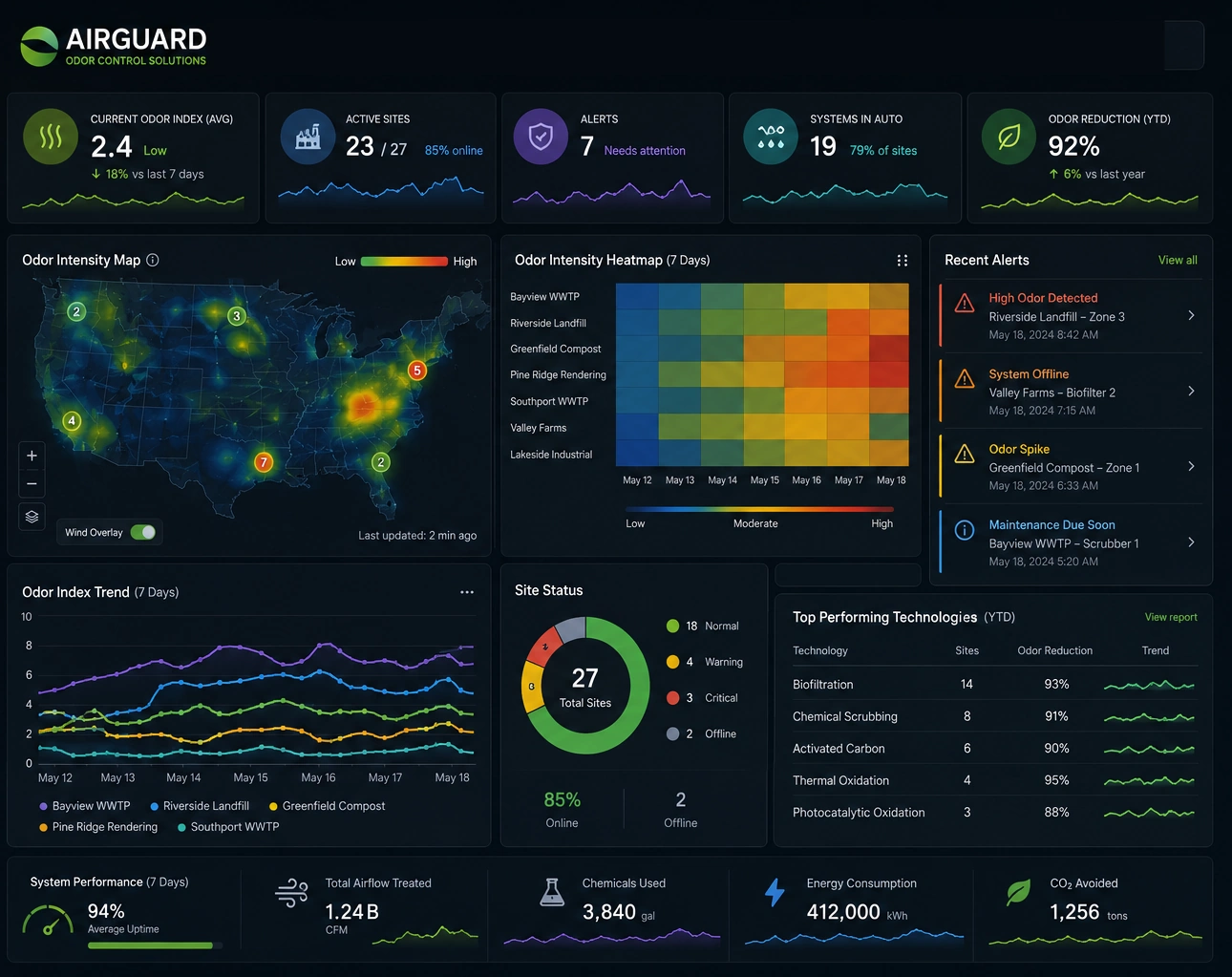
During the pilot phase, PureAir Dynamics selected three customer sites to test the new reporting environment. The BI team rebuilt key dashboards in StyleBI, focusing on clarity, usability, and performance. For example, the odor monitoring dashboard was redesigned to show real‑time hydrogen sulfide levels, historical trends, weather correlations, and alerts for threshold exceedances.
Customers responded positively to the new dashboards, noting that they were easier to navigate and provided more actionable insights. This early success helped build momentum for the full migration.

New Capabilities Unlocked by StyleBI
One of the most transformative changes was the ability to offer fully embedded, white‑labeled analytics within the PureAir Dynamics customer portal. Clients could log in and immediately access dashboards that looked and felt like a native part of the company’s digital ecosystem. This improved customer satisfaction and reinforced PureAir Dynamics’ reputation as a technology‑forward partner.
StyleBI also enabled more advanced analysis of odor control system performance. Engineers could drill into data to identify patterns in odor spikes, correlate chemical usage with environmental conditions, and detect early signs of filter saturation. This helped the company optimize maintenance schedules and reduce operational costs for customers.
The reporting environment also improved regulatory compliance workflows. Many odor control systems must meet strict environmental standards, and StyleBI allowed PureAir Dynamics to generate automated compliance reports that could be shared with regulators. These reports included detailed logs of odor levels, system performance, and corrective actions.
Another major benefit was the ability to scale reporting access without increasing licensing costs. PureAir Dynamics could provide dashboards to hundreds of external users—plant operators, environmental managers, and engineering consultants—without worrying about per‑user fees. This made StyleBI a more sustainable long‑term solution.
Business Impact and Lessons Learned
Within the first year of adopting StyleBI, PureAir Dynamics reported significant improvements in customer engagement, operational efficiency, and service quality. Customers appreciated the transparency and depth of the new reporting tools, and many renewed or expanded their service contracts as a result.
Internally, the engineering team used StyleBI’s advanced analytics to identify inefficiencies in odor control systems. For example, by analyzing airflow and chemical dosing data, they discovered that certain systems were overdosing neutralizing agents during periods of low odor intensity. Adjusting the dosing algorithms reduced chemical costs without compromising performance.
The migration also strengthened PureAir Dynamics’ competitive position. With StyleBI, the company could offer a reporting experience that rivaled or exceeded those of larger competitors. This helped the company win new contracts with municipalities and industrial clients seeking data‑driven odor control solutions.
The transition was not without challenges. Some users were accustomed to GoodData’s interface and needed training to adapt to StyleBI. However, the BI team provided hands‑on support and created documentation to ease the transition. Over time, users came to appreciate the increased flexibility and performance of the new platform.
Ultimately, the switch from GoodData to StyleBI aligned with PureAir Dynamics’ long‑term strategy: to deliver high‑performance odor control systems supported by transparent, data‑driven reporting. StyleBI provided the flexibility, scalability, and control the company needed to elevate its service offerings and strengthen customer relationships.