The Core Components of Modern Dashboard Software
Modern dashboard software has evolved far beyond simple charts on a screen. Today’s platforms combine data engineering, visual design, interactivity, collaboration, and deployment capabilities into a unified environment that helps organizations understand their data and make decisions with confidence. When people search for “dashboard software components,” they are usually trying to understand the internal architecture that makes these systems work. They want clarity on the building blocks that transform raw data into meaningful, interactive insights.
This article breaks down the core components of modern dashboard software into five major categories: data connectivity and integration, visualization and rendering, interaction and exploration, collaboration and sharing, and output and deployment. Understanding these components helps teams evaluate tools, design better dashboards, and build scalable analytics environments that support both technical and non‑technical users.
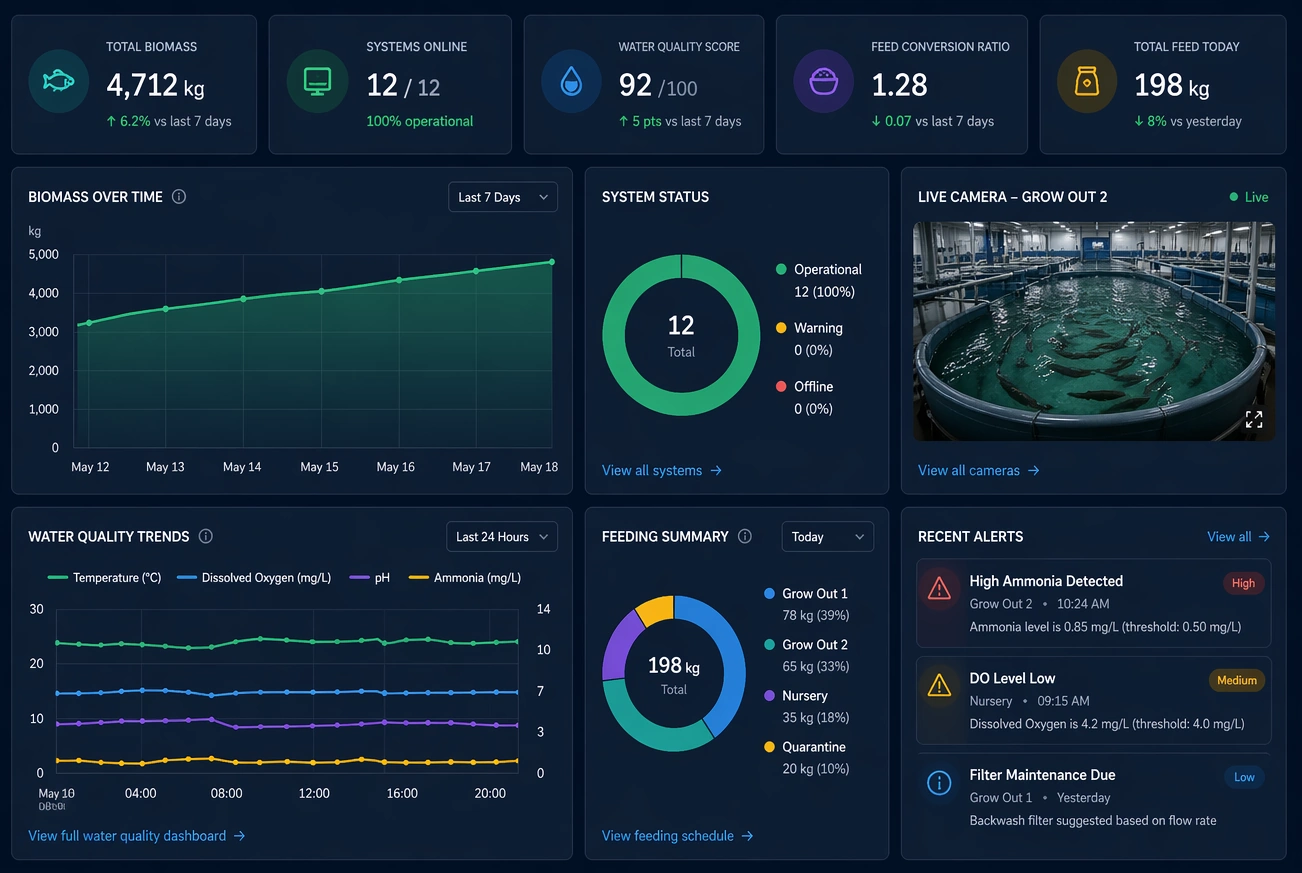

Modern dashboard software can be understood as a set of cooperating layers and modules: data connectivity and integration, the visualization engine, interaction and exploration features, collaboration and sharing, and output and deployment options. Each of these areas contains specific components that shape how users experience the dashboard—from the first data connection to the final decision made in a meeting.
Data Connectivity and Integration Components
Every dashboard begins with data. The quality, freshness, and structure of that data are largely determined by the connectivity and integration components of the software. These components define how easily a dashboard can reach into databases, warehouses, APIs, spreadsheets, and cloud applications, and how reliably it can keep that data up to date.
A key component is the data connector framework. This is the catalog of native connectors and generic drivers that allow the dashboard to talk to different systems: SQL databases, cloud warehouses, REST APIs, CSV files, and more. A robust connector framework supports secure authentication, parameterization, and incremental loading so that dashboards can scale without constantly pulling full data sets.
Another important piece is the refresh and scheduling engine. Some dashboards need real-time or near real-time updates, while others can rely on scheduled refreshes. The refresh engine manages how often data is pulled, how failures are handled, and how refresh jobs are monitored. This component directly affects the trust users place in the numbers they see.
Many modern platforms also include a semantic or modeling layer. Instead of forcing every report builder to understand raw tables and joins, the semantic layer defines business-friendly entities and metrics: customers, orders, revenue, churn, and so on. This layer often includes data transformation capabilities, such as calculated fields, hierarchies, and relationships. It is a critical component for governed self-service, because it ensures that different dashboards use consistent definitions.
Visualization Engine and Rendering Components
Once data is available and modeled, the visualization engine takes over. This is the part of the dashboard software that turns numbers into charts, tables, and visual cues that humans can quickly interpret. A strong visualization engine is both flexible and opinionated: it offers many options, but also nudges users toward clear, readable designs.
At the heart of this engine is the charting library. This component provides the standard visual elements—bar charts, line charts, area charts, scatter plots, pie charts, KPI tiles, gauges, maps, and more. A mature charting library supports customization of colors, labels, axes, legends, and tooltips, while also handling edge cases like large data volumes or missing values.
Surrounding the charts is the layout and composition system. Dashboards are rarely a single chart; they are collections of visuals arranged in a meaningful way. The layout system manages grids, responsive behavior, resizing, and alignment. Drag-and-drop designers, snap-to-grid behavior, and reusable templates are all part of this component. It determines how quickly a user can go from a blank canvas to a polished, coherent dashboard.
Performance is another crucial aspect of the visualization engine. Behind the scenes, the software may include query optimization and caching components that reduce load times and prevent the system from overwhelming underlying data sources. These components decide when to reuse previous results, when to aggregate data, and how to handle pagination or sampling for very large datasets.

Interaction and Exploration Components
Static dashboards are rarely enough. Users expect to slice, filter, drill, and explore data directly in the interface. Interaction and exploration components transform a dashboard from a static report into a living analytical surface where questions can evolve in real time.
The most visible elements here are filters and controls: dropdowns, sliders, date pickers, search boxes, and toggle switches. These components let users narrow the data to a specific region, time period, product line, or customer segment. Well-designed filter components are context-aware, fast, and clearly labeled, so users always understand what they are looking at.
Another key set of components are drill-down and drill-through mechanisms. Drill-down allows users to move from a high-level summary to more detailed views within the same visual—for example, from yearly revenue to quarterly, then monthly. Drill-through takes the user from one dashboard or visual to another, passing context along the way. These components support exploratory analysis without forcing users to build new reports from scratch.
Many modern platforms also include cross-highlighting and linked interactions. Selecting a bar in one chart might highlight related data in another chart, or filter a table below. These components create a sense of coherence across the dashboard and help users see relationships between metrics.
At the more advanced end, some tools offer natural language query components. These allow users to type or speak questions like “sales by region last quarter” and receive a visual answer. While not universal, this component reflects a broader trend: lowering the barrier to entry for non-technical users by making exploration feel conversational rather than technical.

Collaboration and Sharing Components
Dashboards only create value when they influence decisions, and decisions are made by people working together. Collaboration and sharing components determine how easily dashboards can be distributed, discussed, and governed across teams and organizations.
A foundational element is role-based access control. This component defines who can view, edit, or administer dashboards and underlying data. It often integrates with identity providers and supports groups, permissions, and row-level security. Without this component, organizations struggle to balance openness with compliance and confidentiality.
Another important piece is the set of sharing and publishing mechanisms. These include the ability to share dashboards via links, embed them in portals or applications, and subscribe to scheduled email snapshots. These components make it possible to bring dashboards into the natural flow of work instead of forcing users to log into yet another system.
Collaboration is also supported by commenting and annotation components. Users can leave notes, tag colleagues, or highlight specific data points directly on the dashboard. This keeps context and discussion attached to the data itself, rather than scattered across email threads or chat logs.
Output, Distribution, and Deployment Components
Finally, dashboard software must adapt to different environments and consumption patterns. Output, distribution, and deployment components define where dashboards live, how they are accessed, and how they fit into broader technical architectures.
On the deployment side, a key component is the hosting and runtime environment. Some platforms are cloud-native, others are on-premises, and many support hybrid models. This component covers scalability, multi-tenancy, backup and recovery, and integration with existing infrastructure. It has a direct impact on reliability and total cost of ownership.
For end users, multi-device output components are critical. Dashboards need to render well on desktops, laptops, tablets, and phones. Responsive layouts, mobile apps, and touch-friendly controls all belong to this category. When these components are strong, dashboards feel natural in meetings, on the go, and on large displays.
Many organizations also rely on scheduled distribution components, such as automated PDF or image exports, email digests, and push notifications. These components ensure that key stakeholders receive updates without having to remember to open the dashboard. They are especially important for executive audiences who prefer concise summaries over hands-on exploration.

Systems Composed of Many Components
Understanding the core components of modern dashboard software helps teams evaluate tools more effectively and design dashboards that scale with organizational needs. By viewing dashboards as systems composed of data connectivity, visualization, interaction, collaboration, and deployment components, organizations gain a clearer picture of how to build reliable, flexible, and user‑friendly analytics environments.
For anyone searching “dashboard software components,” this breakdown provides a comprehensive view of the architecture behind today’s dashboard platforms. It highlights the essential building blocks that turn raw data into actionable insight and supports both technical and non‑technical users in making better decisions.