Comparing Data Modeling and Data Connectivity Features of InetSoft, Helical Insight, Luzmo, Embeddable, and Qrvey
Data modeling and data connectivity define how effectively a business intelligence or embedded analytics platform can ingest, transform, relate, and operationalize data. While many tools emphasize visualization or dashboarding, the underlying modeling and connectivity layers determine scalability, governance, and long-term maintainability. This article compares five platforms—InetSoft, Helical Insight, Luzmo, Embeddable, and Qrvey—focusing specifically on their strengths and limitations in data modeling and connectivity.
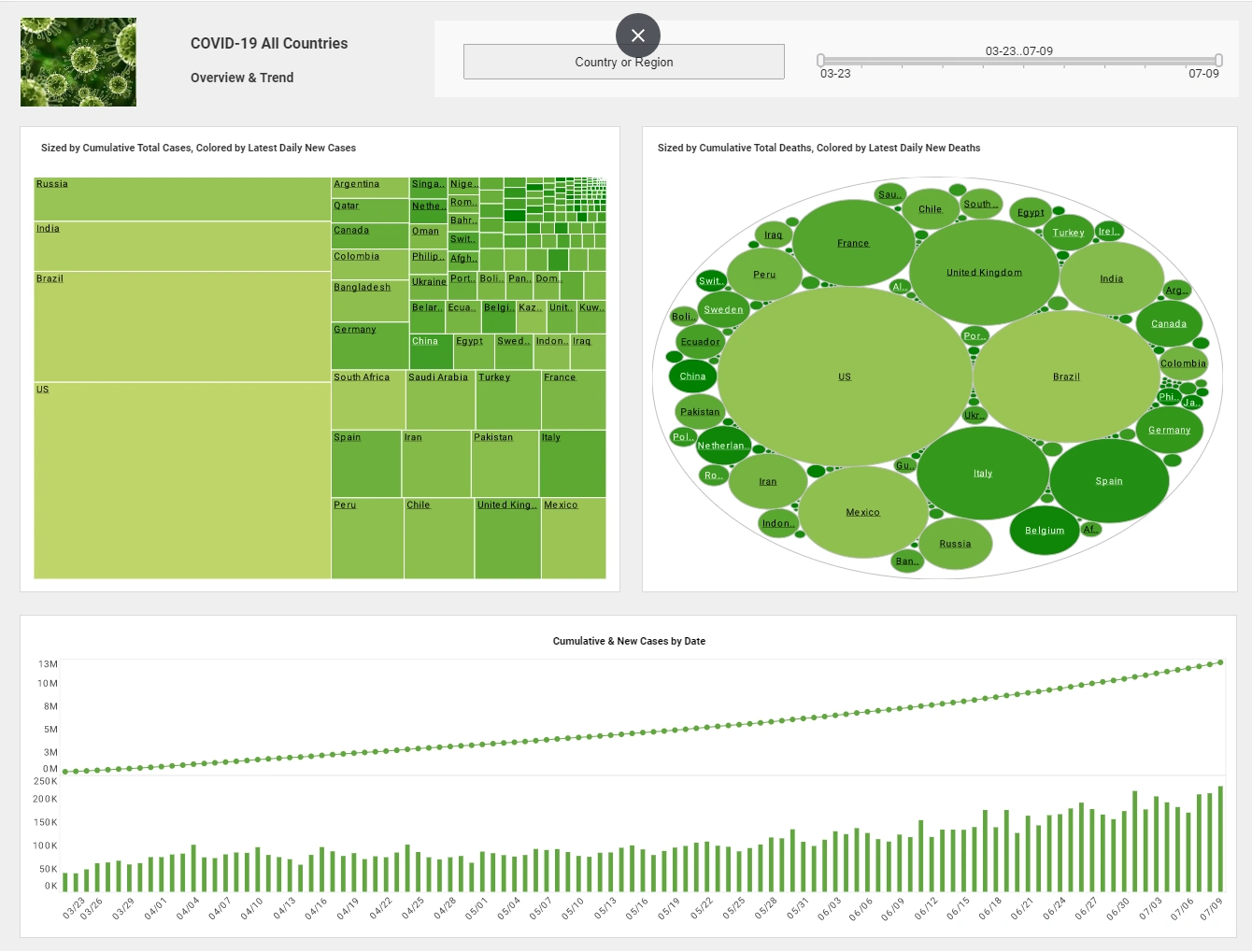
Data Modeling & Connectivity Comparison

InetSoft
InetSoft offers one of the most mature and flexible data modeling environments among embedded and enterprise BI platforms. Its data modeling layer is built around a semantic modeling framework that allows organizations to create reusable logical models, define hierarchies, join disparate sources, and apply transformations without requiring end users to understand the underlying complexity. InetSoft’s “Data Worksheet” environment enables blending, cleansing, and shaping data visually, while still supporting advanced SQL for technical users.
On the connectivity side, InetSoft supports a wide range of data sources including relational databases, cloud warehouses, flat files, web services, and application APIs. Its ability to perform live queries or cached acceleration gives teams control over performance strategies. Compared to other platforms in this list, InetSoft stands out for its combination of enterprise-grade modeling, governed semantic layers, and broad connectivity options. It is particularly strong for organizations that need both embedded analytics and internal BI with consistent data definitions across teams.
Helical Insight
Helical Insight is an open-source BI platform with a strong emphasis on flexibility and extensibility. Its data modeling capabilities include drag-and-drop semantic layer creation, metadata management, and the ability to define custom joins, formulas, and hierarchies. While not as visually polished as some commercial tools, its modeling layer is highly configurable and appeals to technical teams that want full control over the data pipeline. The platform also supports “Instant BI,” allowing users to query data without writing SQL, which indirectly leverages the modeling layer to interpret user intent.
Connectivity is one of Helical Insight’s strengths. It supports virtually any database through JDBC, enabling connections to relational systems, big data engines, and cloud databases. The platform also supports dynamic database switching, which is valuable for multi-tenant deployments where each client may have its own database instance. Its open-source nature means organizations can extend connectors or integrate custom data sources as needed. This makes Helical Insight a strong choice for teams that prioritize open architecture and deep customization.
Luzmo
Luzmo is designed primarily for embedded analytics, focusing on speed of integration and ease of use. Its data modeling capabilities are intentionally lightweight. Luzmo does not include a full data engine or robust transformation layer; instead, it expects organizations to prepare and model data externally before ingestion. According to market comparisons, Luzmo offers limited data transformation capabilities at the visualization layer, requiring customers to rely on external ETL or database systems for modeling.
Connectivity in Luzmo is optimized for modern SaaS products. It connects directly to cloud warehouses and supports API-based ingestion. Its built-in “Warp” acceleration layer improves query performance by caching and optimizing data access. However, Luzmo’s SaaS-only deployment model means organizations cannot host the platform in their own cloud infrastructure, which may limit data residency or governance requirements.
Overall, Luzmo is ideal for teams that want fast embedded analytics with minimal setup, but it is not suited for organizations that require deep data modeling or complex transformation logic within the BI layer.

Embeddable
Embeddable (as a category of embedded analytics platforms) typically focuses on integration, customization, and lightweight data handling rather than full-scale modeling. While specific implementations vary, most embeddable analytics frameworks provide only minimal data modeling features—usually limited to defining datasets, basic joins, and simple calculated fields. They rely heavily on the host application or external data pipelines to prepare and structure data.
Connectivity in embeddable analytics tools tends to emphasize API ingestion, direct database connections, and cloud data sources. These platforms prioritize performance and multi-tenant isolation, often supporting row-level security and token-based access. However, they rarely include advanced semantic modeling or transformation layers. As a result, Embeddable solutions are best suited for product teams that already have a mature data pipeline and simply need a visualization layer that integrates seamlessly into their application.
Qrvey
Qrvey positions itself as a full-stack embedded analytics platform designed specifically for SaaS companies. Unlike Luzmo, Qrvey includes a built-in data engine, ETL capabilities, and transformation tools. This gives it a more complete data modeling environment, allowing organizations to ingest, reshape, and automate data workflows within the platform. Qrvey’s modeling layer supports multi-tenant architectures, automated transformations, and event-driven data processing.
Connectivity is another strong area for Qrvey. It supports a wide range of cloud data sources, APIs, and file-based ingestion. Its architecture is optimized for deployment inside a customer’s own cloud environment, giving organizations full control over data residency, governance, and security. This is a major differentiator from Luzmo, which cannot be deployed in a customer-controlled cloud.
Qrvey’s combination of embedded analytics, built-in ETL, and flexible deployment makes it a strong choice for SaaS companies that want to centralize data modeling and connectivity within a single platform.

Comparative Summary
When comparing these five platforms, the differences in data modeling and connectivity become clear:
- InetSoft offers the most balanced and enterprise-ready modeling layer, with strong semantic modeling, transformation tools, and broad connectivity.
- Helical Insight provides deep flexibility and open-source extensibility, with strong connectivity and customizable modeling.
- Luzmo focuses on speed and ease of embedding but lacks a robust modeling layer, relying on external systems for data preparation.
- Embeddable analytics frameworks generally provide minimal modeling and rely heavily on external pipelines, but offer strong integration and API connectivity.
- Qrvey includes a full data engine and ETL capabilities, offering strong modeling and connectivity tailored for SaaS multi-tenant environments.
The Most Complete End-to-End Capabilities
Each platform approaches data modeling and connectivity from a different philosophical standpoint. InetSoft and Qrvey offer the most complete end-to-end capabilities, suitable for organizations that want modeling, transformation, and analytics in one place. Helical Insight appeals to teams that value open-source flexibility and deep customization. Luzmo and Embeddable solutions prioritize ease of integration and rapid deployment, making them ideal for product teams that already have a strong data pipeline and simply need a visualization layer.
Ultimately, the right choice depends on whether your organization needs a full data modeling engine, flexible connectivity, embedded analytics simplicity, or open-source extensibility. Understanding these differences ensures that your analytics stack aligns with your long-term data strategy.