The Core Principles That Make a Dashboard Effective: Clarity, Context, and Actionability
Modern organizations generate massive volumes of data every second. From website traffic and sales pipelines to supply chain metrics and customer satisfaction scores, the challenge is no longer collecting data — it’s making sense of it quickly and effectively. Dashboards serve as the visual interface between complex datasets and human decision-makers.
A great dashboard doesn’t just display information; it tells a story, highlights what matters, and guides users toward the right actions. When these three core principles are applied thoughtfully, dashboards reduce cognitive load, accelerate insights, and drive measurable business outcomes. Poorly designed dashboards, by contrast, often lead to confusion, misinterpretation, and decision paralysis.
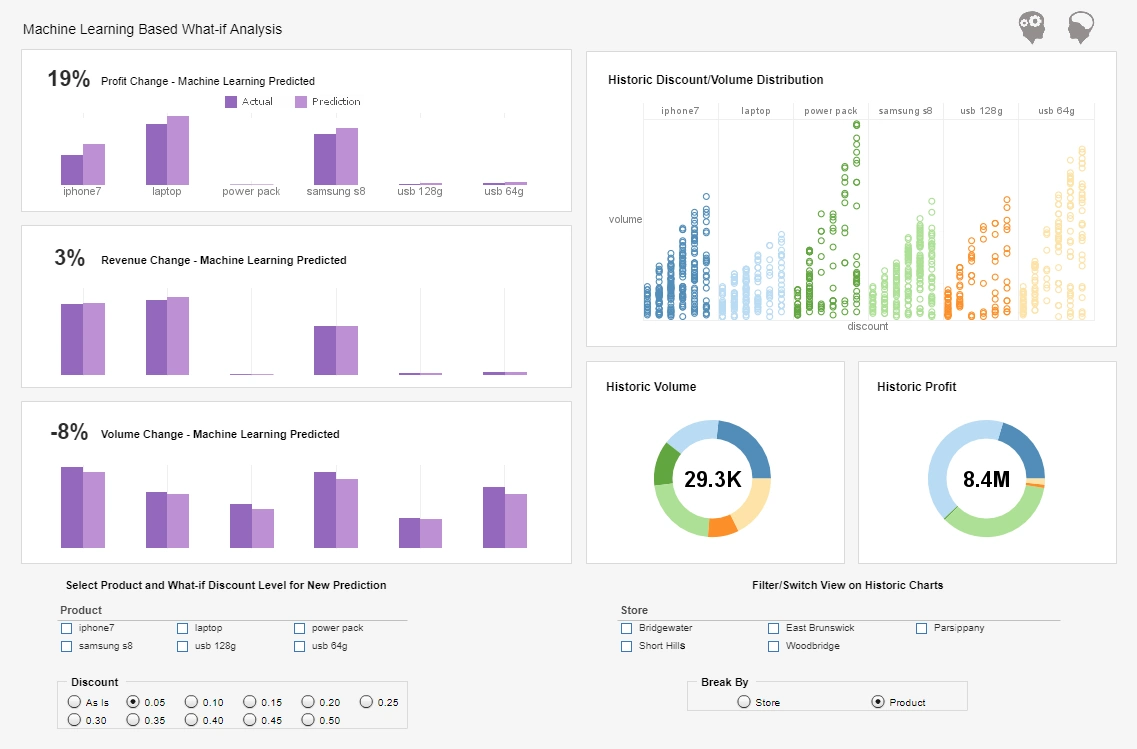

In the age of data-driven decision making, dashboards have become essential tools for executives, analysts, managers, and operational teams alike. A well-designed dashboard transforms raw data into meaningful insights. However, not all dashboards are created equal. The most effective ones rest on three foundational principles: Clarity, Context, and Actionability. These principles determine whether a dashboard becomes a powerful decision-making instrument or merely another cluttered screen of numbers.
Why Dashboards Matter More Than Ever
Modern organizations generate massive volumes of data every second. From website traffic and sales pipelines to supply chain metrics and customer satisfaction scores, the challenge is no longer collecting data — it’s making sense of it quickly and effectively. Dashboards serve as the visual interface between complex datasets and human decision-makers.
A great dashboard doesn’t just display information; it tells a story, highlights what matters, and guides users toward the right actions. When these three core principles are applied thoughtfully, dashboards reduce cognitive load, accelerate insights, and drive measurable business outcomes. Poorly designed dashboards, by contrast, often lead to confusion, misinterpretation, and decision paralysis.

1. Clarity: Making the Complex Understandable at a Glance
Clarity is the bedrock of any effective dashboard. If users cannot immediately understand what they are looking at, the dashboard fails its primary purpose. Clarity means eliminating visual noise, using intuitive design patterns, and ensuring that every element serves a clear communicative goal.
Visual Simplicity and Clean Design
Effective dashboards embrace white space and avoid unnecessary decorations. Charts should be simple — prefer bar charts, line graphs, and clear KPI cards over complex 3D visualizations or rainbow color schemes. The goal is to allow users to grasp key information within 5–10 seconds of viewing the screen.
Rule of thumb: If a stakeholder needs to read a legend or hover over multiple elements to understand a metric, the design lacks clarity.
Consistent Visual Language
Consistency across colors, typography, and layout creates trust and reduces mental effort. Use the same color to represent the same type of data throughout (e.g., green for positive variance, red for negative). Choose readable fonts and maintain consistent spacing and alignment. When users move from one section of the dashboard to another, they should feel continuity rather than disorientation.
Proper Data Visualization Choices
Not every chart type suits every metric. Clarity demands choosing the right visualization:
- Trend over time → Line charts
- Composition of a whole → Stacked bars or pie charts (used sparingly)
- Comparison across categories → Horizontal or vertical bar charts
- Distribution → Histograms or box plots
- Single key performance indicators → Large, bold KPI cards with sparklines
Overly creative or “cool-looking” visualizations often sacrifice clarity. The best dashboards prioritize function over form. Labels should be concise yet descriptive. Axes should be clearly marked with appropriate units and scales that start at zero when comparing magnitudes (unless specifically highlighting variance).

Hierarchy and Information Architecture
Effective dashboards establish visual hierarchy. The most important metrics appear prominently at the top or in the center. Supporting details and drill-down information sit further down or in secondary panels. This mirrors how humans naturally process information — from high-level overview to granular details.
2. Context: Transforming Numbers into Meaning
Raw numbers without context are dangerous. A dashboard showing “Revenue: $2.4M” tells you almost nothing. Is that good? Bad? Expected? Growing? Context provides the framework that turns isolated data points into meaningful insights.
Benchmarks and Targets
Every key metric should be presented alongside relevant benchmarks. This could include:
- Historical performance (last month, last year, same period last year)
- Industry averages or competitor benchmarks
- Internal targets or goals (budget, forecast, OKRs)
- Thresholds for acceptable performance (green/yellow/red zones)
Visual indicators such as progress bars, bullet charts, or variance arrows help users instantly assess whether performance is on track. Without these reference points, even accurate data remains ambiguous.
Comparative Analysis
Context often emerges through smart comparisons. Showing revenue by region becomes far more powerful when accompanied by contribution percentage to total revenue or year-over-year growth rates. A single metric rarely tells the full story — effective dashboards layer related metrics that provide multidimensional understanding.
Example: Instead of just displaying “Customer Churn Rate: 8.2%”, a clear contextual dashboard might show:
- Current churn: 8.2% (↑ 1.1% from last month)
- Target: < 6%
- Industry benchmark: 7.5%
- Segment breakdown (by customer type or acquisition channel)

Temporal Context
Time-based context is critical. Dashboards should allow easy switching between different time periods while maintaining consistent scales for fair comparison. Trend lines, moving averages, and seasonal adjustments help users distinguish between normal fluctuations and genuine signals requiring attention.
Segmentation and Filtering
Advanced dashboards provide dynamic context through filters and drill-down capabilities. Users should be able to slice data by region, product line, customer segment, or sales rep without losing the broader picture. This layered approach respects that different stakeholders need different levels of detail while sharing the same underlying truth.
3. Actionability: Driving Decisions and Outcomes
The ultimate test of a dashboard is whether it leads to meaningful action. A beautiful, clear, and contextual dashboard that sits unused because it doesn’t tell users what to do next has limited value. Actionability bridges the gap between insight and execution.
Focus on What Matters Most
Actionable dashboards prioritize leading indicators and metrics that users can actually influence. Lagging indicators (like total revenue last quarter) are useful for reporting, but leading indicators (sales pipeline velocity, website conversion rate trends, employee engagement scores) better support proactive decision making.
Clear Thresholds and Alerts
Well-designed dashboards make exceptions obvious. Automated alerts, conditional formatting, and exception highlighting draw immediate attention to areas requiring intervention. Rather than forcing users to scan every metric, the dashboard should surface problems and opportunities.

Embedded Recommendations and Next Steps
Modern dashboards increasingly go beyond visualization by suggesting possible actions. This can range from simple annotations (“Consider reviewing marketing spend for this channel”) to more sophisticated AI-driven recommendations. Even without AI, linking metrics directly to underlying reports, root-cause analysis tools, or workflow systems dramatically increases actionability.
Role-Based Relevance
Different users need different actions. A CEO dashboard might highlight strategic KPIs and high-level risks, while a marketing manager’s dashboard focuses on campaign performance and optimization opportunities. Effective dashboard design considers the specific responsibilities and decision rights of each audience, ensuring the information presented directly maps to actions they can take.
Actionable design checklist:
- Can the user identify the problem or opportunity quickly?
- Does the dashboard show why it’s happening (or at least where to investigate)?
- Is there a clear path from insight to action (button, link, workflow)?
- Are the metrics within the user’s sphere of influence?
How the Three Principles Work Together
Clarity, Context, and Actionability are deeply interconnected. Clarity without context produces pretty but meaningless displays. Context without clarity overwhelms users with too much information. Actionability without the first two principles leads to misguided or poorly informed decisions.
The strongest dashboards achieve a harmonious balance:
- Clear enough to understand instantly
- Contextual enough to interpret correctly
- Actionable enough to drive real business impact
Consider a sales operations dashboard. Clarity ensures that win rates, pipeline value, and deal velocity are displayed using clean charts and consistent color coding. Context adds historical trends, quota attainment progress, and regional comparisons. Actionability surfaces deals at risk, highlights bottlenecks in the sales process, and provides direct links to CRM records or recommended outreach sequences.

Common Pitfalls to Avoid
Many dashboards fail because designers overlook one or more of these principles:
- Metric overload — trying to show everything instead of what matters
- Chart junk and unnecessary visual effects
- Lack of comparative context or benchmarks
- Static designs that don’t adapt to different user roles
- No clear connection between metrics and business processes
- Poor mobile responsiveness, limiting accessibility
Best Practices for Implementing These Principles
Creating effective dashboards requires both technical skill and user-centric thinking. Start with user research — understand what decisions different stakeholders make and what information they need to make them well. Prioritize metrics ruthlessly. Use iterative design processes with regular feedback loops from actual users.
Tools and platforms have improved dramatically, but technology alone doesn’t guarantee success. The principles of Clarity, Context, and Actionability transcend any specific software. Whether you’re using Power BI, Tableau, Looker, Google Data Studio, or custom-built solutions, these fundamentals remain constant.
Pay attention to performance too. Slow-loading dashboards destroy user trust and adoption. Optimize queries, limit real-time data where historical snapshots suffice, and design with graceful degradation in mind.

Building Dashboards That Deliver Value
The most effective dashboards are not judged by how impressive they look in a screenshot, but by how much they improve decision quality and speed across an organization. When Clarity removes confusion, Context provides meaning, and Actionability drives behavior change, dashboards become genuine competitive advantages.
In an increasingly complex world flooded with data, the ability to create interfaces that cut through noise and enable confident, timely decisions is a critical skill. By anchoring every dashboard design decision in these three core principles — Clarity, Context, and Actionability — organizations can move from data-rich but insight-poor environments to truly intelligent operations.
The next time you design or evaluate a dashboard, ask yourself three simple questions:
- Can someone understand the key information within seconds? (Clarity)
- Does the data have enough surrounding information to be interpreted correctly? (Context)
- Will this dashboard actually help someone make better decisions or take meaningful action? (Actionability)
If the answer to all three is a confident “yes,” you have built something truly valuable.