What Are Graph Elements? A Complete Guide to the Building Blocks of Data Visualization
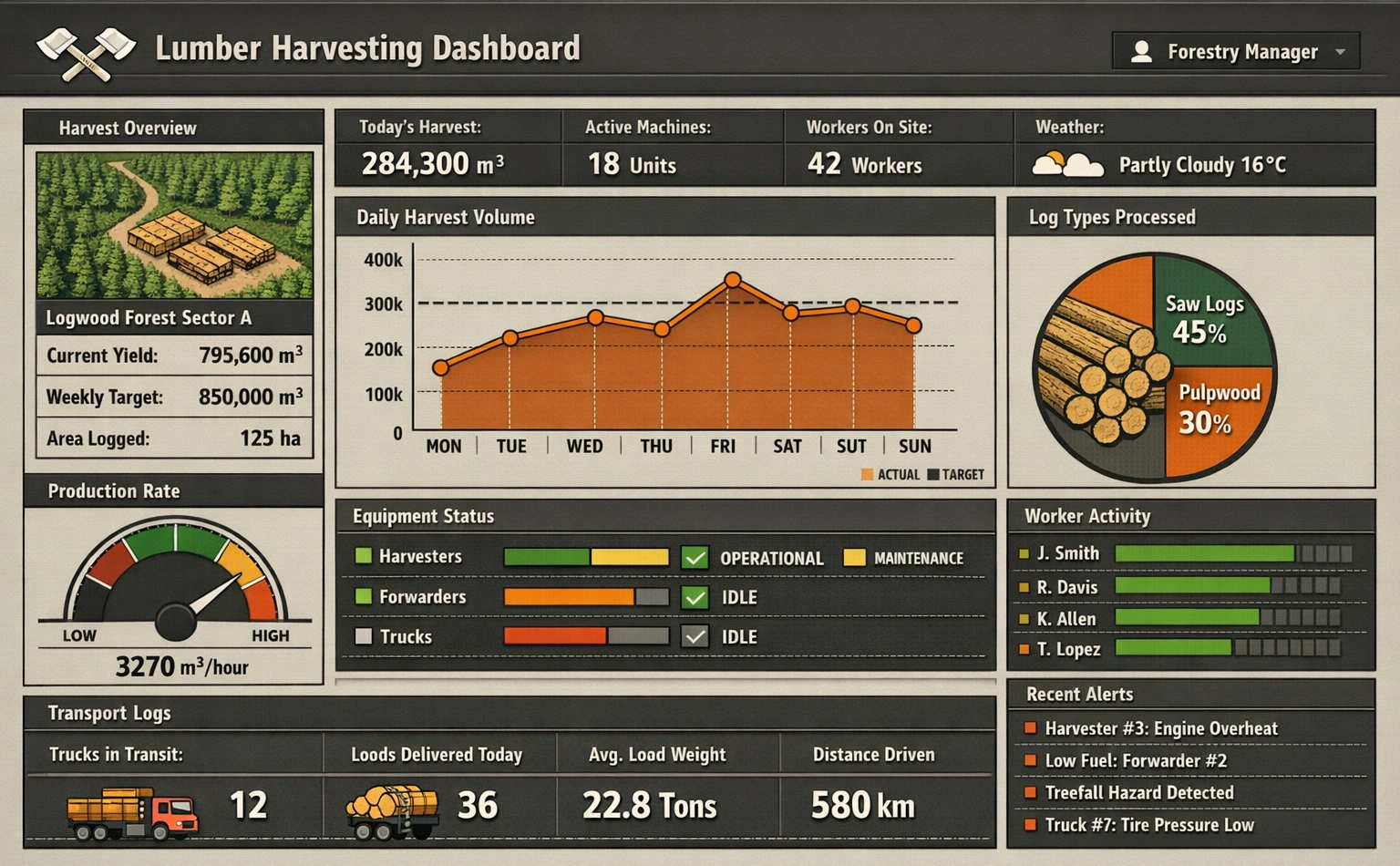
When people think about charts, they usually picture the whole visual at once: a bar chart, a line chart, a pie chart, a dashboard tile.
But every chart is built from smaller pieces called graph elements.
These elements—axes, titles, legends, gridlines, labels, markers, and more—are the building blocks that make your data readable, trustworthy, and compelling.
Understanding graph elements is essential if you design dashboards, build reports, or simply want your charts to tell a clear story.
Once you know what each element does, you can decide what to emphasize, what to simplify, and what to remove so that your audience sees exactly what matters.

What Are Graph Elements?
A graph element is any visual component that appears in or around a chart to help display, explain, or organize the data. Some elements are structural, like axes and the plot area. Others are explanatory, like titles, legends, and labels. Together, they form the “anatomy” of a graph.
While different tools use slightly different terminology, most modern BI and spreadsheet tools share a common set of elements. Once you recognize them, you can move between tools more easily and apply the same design principles everywhere—from Excel to browser-based dashboards.
Core Structural Elements Of A Graph
Chart Area
The chart area is the outer container that holds everything: the plot, titles, legend, and any other annotations. Think of it as the frame around the picture. Formatting the chart area (background color, border, padding) affects the overall look and how the chart sits within a dashboard layout.
Plot Area
Inside the chart area is the plot area, where the actual data is drawn. Bars, lines, columns, markers, and areas all live here, usually bounded by the axes. A clean plot area—minimal clutter, subtle gridlines, and enough white space—helps the data itself stand out.

Axes
Most charts use one or more axes to define the scale and categories:
- X-Axis (Horizontal Axis): Often used for categories or time (for example, months, product names).
- Y-Axis (Vertical Axis): Typically used for numeric values (for example, revenue, counts, percentages).
- Secondary Axes: Additional axes used when combining series with very different scales.
Axes answer the question “how much?” and “for which category?” Without them, most charts become ambiguous. Good axis design includes appropriate ranges, sensible tick marks, and clear labels.
Explanatory Elements: Titles, Labels, And Legends
Chart Title
The chart title is the first thing many viewers read. A vague title like “Sales” forces people to work harder; a specific title like “Monthly Online Sales, 2023 (USD)” immediately sets context. In dashboards, titles should be concise but descriptive enough that a viewer can understand the chart without reading surrounding text.
Axis Titles
Axis titles describe what each axis represents, including units where relevant (for example, “Revenue (USD)”, “Conversion Rate (%)”). They are especially important when the same metric can be expressed in different ways or when multiple charts appear side by side. Clear axis titles reduce misinterpretation and support quick scanning in dense dashboards.

Axis Labels And Ticks
Axis labels are the numbers or category names along the axes, and ticks are the small marks that divide the axis into segments. Together, they define the scale and help the viewer estimate values. Too many labels create clutter; too few make the chart hard to read. A good rule is to show enough labels to orient the viewer, but not so many that they compete with the data.
Legend
The legend explains which color, pattern, or marker style corresponds to which data series. In multi-series charts—like a line chart with three product lines—the legend is essential. However, if a chart has only one series, or if labels are placed directly on the lines or bars, you can often remove the legend to save space and reduce eye movement.
Data Labels
Data labels display values directly on the data points (for example, showing the exact number above each bar). They are powerful when you want to emphasize precise values or highlight a few key points. Overused, they can overwhelm the chart and make it feel noisy. In dashboards, data labels work best when used selectively—on totals, peaks, or important benchmarks.
Data-Focused Elements: Series, Markers, And Categories
Data Series
A data series is a set of related values plotted on the chart, such as “Revenue” or “Number Of Tickets Closed.” Each series usually has a consistent visual encoding: one color, one line style, or one bar pattern. When you add too many series, the chart becomes hard to decode; when you choose series wisely, comparisons become intuitive.

Data Points And Markers
Each individual value in a series is a data point. In line and scatter charts, data points are often shown with markers—small circles, squares, or other shapes. Markers help identify exact positions, especially when lines overlap or when you want to highlight specific observations.
Categories
Categories are the labels that group data points along the category axis (often the X-axis): months, regions, product names, customer segments, and so on. Choosing the right level of categorization is crucial. Too granular, and the chart becomes crowded; too aggregated, and important patterns disappear.
Support Elements: Gridlines, Reference Lines, And Annotations
Gridlines
Gridlines extend from the axis across the plot area, helping viewers align data points with their values. Light, subtle gridlines can improve readability; heavy or dense gridlines can distract from the data. Many effective dashboards use only horizontal gridlines, and only at major intervals.
Reference Lines And Bands
Reference lines (or bands) show thresholds, targets, or averages—such as a goal line at 95% uptime or a budget limit. These elements turn a chart from “what happened” into “how did we perform against expectations.” They are especially useful in executive dashboards where quick performance assessment is the priority.
Annotations And Callouts
Annotations are text notes or callouts attached to specific points or regions on the chart. They explain anomalies, highlight important events, or provide context that the raw numbers cannot. For example, you might annotate a spike in support tickets with “New Product Launch” to connect data to real-world events.
How To Choose And Customize Graph Elements For Clarity
Knowing the list of graph elements is only half the story. The real skill is deciding which elements to show, which to simplify, and which to remove. Here are some practical guidelines you can apply in any BI or dashboard tool.
Start With The Question, Not The Chart Type
Before adding or tweaking elements, ask: What question should this chart answer? If the question is “How did revenue trend over time?”, you might emphasize the line, keep gridlines light, and use a clear Y-axis title with currency units. If the question is “Which region is underperforming?”, you might add data labels or a reference line to make underperformance obvious.
Remove Non-Essential Elements
Many default charts include every possible element: bold gridlines, legends, borders, and heavy axis labels. Often, you can safely remove or soften several of these:
- Remove legends when there is only one series or when labels are placed directly on the data.
- Reduce gridlines to major intervals and use light colors.
- Hide unnecessary borders and 3D effects that do not add information.
The goal is to let the data and the key message stand out, not the scaffolding around it.

Use Emphasis Sparingly
Emphasis—through color, bold labels, or annotations—should be reserved for what truly matters. Highlight the current period, the target line, or the outlier you want people to notice. When everything is emphasized, nothing is.
Stay Consistent Across Dashboards
In a multi-page dashboard or a suite of reports, consistency in graph elements is critical. Use the same color for the same metric, the same axis titles for the same measure, and similar gridline styles across charts. This reduces cognitive load and helps users build a mental model of your data environment.
The Language Your Charts Use
Graph elements are more than cosmetic details—they are the language your charts use to communicate. By understanding chart area, plot area, axes, titles, legends, labels, series, markers, gridlines, and annotations, you gain precise control over how your data is perceived.
The next time you build or refine a chart, look at it piece by piece. Ask yourself what each element contributes, whether it clarifies or distracts, and how it supports the question your chart is meant to answer. When you intentionally design your graph elements, your visualizations stop being just “pretty charts” and become sharp, reliable tools for decision-making.