What Is a Business Metric Catalog?
A business metric catalog is a centralized repository that documents and standardizes the key performance indicators (KPIs), metrics, and calculations used throughout an organization.
It serves as a single source of truth for business definitions, ensuring that employees, analysts, and executives use the same formulas, terminology, and measurement standards when evaluating performance.
By clearly defining how metrics are calculated and what they represent, organizations can reduce reporting inconsistencies and improve confidence in decision-making.
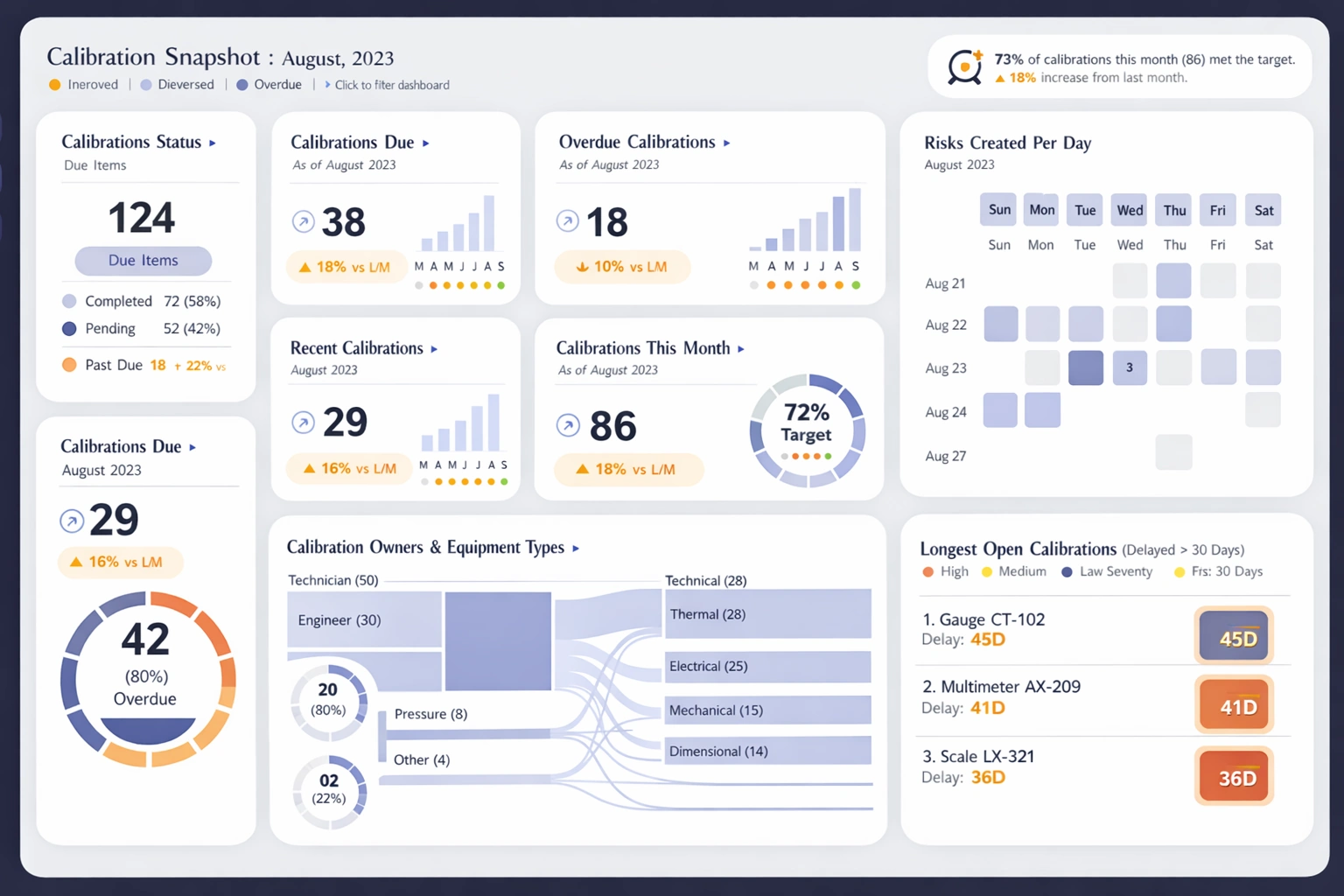

A typical metric catalog includes information such as metric names, business definitions, calculation formulas, data sources, owners, update frequencies, and related dimensions. For example, a metric catalog may define "Customer Lifetime Value," "Monthly Recurring Revenue," or "Conversion Rate," along with detailed instructions describing how each metric is calculated and where the underlying data originates. This documentation helps users understand the context behind reported numbers and prevents conflicting interpretations across departments.
Business metric catalogs play an important role in modern business intelligence and data governance initiatives. As organizations deploy multiple reporting tools, dashboards, and analytics platforms, maintaining consistent metric definitions becomes increasingly challenging. A metric catalog helps establish governance by providing approved and validated business calculations that can be reused across reports, dashboards, scorecards, and self-service analytics environments. This consistency improves data quality and eliminates confusion caused by competing versions of the same metric.

Organizations use business metric catalogs to accelerate analytics adoption, improve collaboration, and strengthen trust in business data. When users can quickly search for metrics, understand their definitions, and identify the responsible business owner, they spend less time validating numbers and more time analyzing results. As a result, a business metric catalog becomes a foundational component of a data-driven culture, supporting accurate reporting, effective performance management, and informed strategic decision-making.
Key Components of a Business Metric Catalog
- Metric name and business description
- Calculation formula and business rules
- Source systems and underlying datasets
- Metric owner and stewardship information
- Refresh frequency and reporting schedule
- Associated dimensions and hierarchies
- Related KPIs and dependent metrics
- Governance, approval, and certification status
Benefits of a Business Metric Catalog
- Creates a single source of truth for business metrics
- Improves consistency across reports and dashboards
- Reduces disputes over metric definitions
- Strengthens data governance and accountability
- Accelerates self-service analytics adoption
- Increases trust in organizational reporting
- Supports better business decisions with reliable data