Why Choose InetSoft as an Alternative to Mozaïk?
Organizations evaluating business intelligence platforms often compare Mozaïk with broader, more flexible analytics solutions. While Mozaïk is positioned primarily as a presentation and KPI-layer tool, many teams discover limitations once reporting needs expand beyond predefined dashboards and executive scorecards.
InetSoft stands out as a compelling alternative by offering a more complete, extensible, and technically robust analytics platform that supports both centralized governance and self-service exploration.

Beyond KPI Presentation to Full Analytics
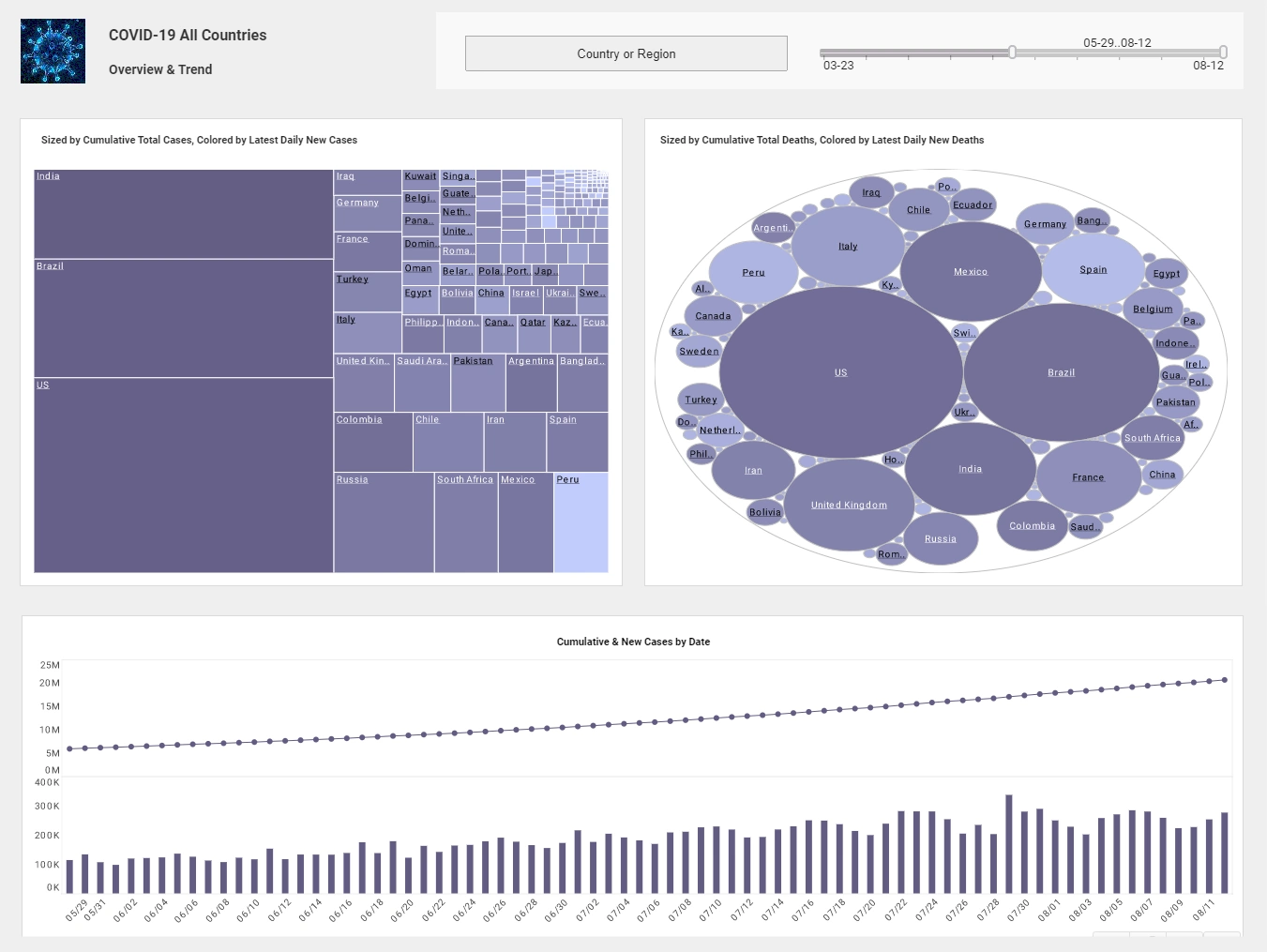
Mozaïk excels at visualizing high-level KPIs and aligning them with strategic objectives. However, it is fundamentally optimized for consumption rather than exploration. InetSoft, by contrast, is built as a full BI and analytics platform. It supports everything from pixel-perfect operational reports to highly interactive dashboards and ad hoc analysis.
This distinction matters when analytics usage evolves. Many organizations begin with executive dashboards but quickly encounter requests for drill-downs, custom metrics, and detailed operational views. InetSoft handles these requirements natively without forcing teams to export data to other tools or rebuild logic elsewhere. The platform is designed to support analysts, managers, and executives within the same environment.
Advanced Data Mashup Capabilities
One of InetSoft's most significant advantages is its data mashup engine. Instead of requiring extensive preprocessing or rigid data models, InetSoft mashes up data from disparate sources in real time. Relational databases, cloud applications, data warehouses, APIs, and flat files can all be combined into a unified analytical view.
Mozaïk typically relies on upstream systems to prepare data in a form suitable for KPI tracking. InetSoft reduces this dependency by allowing data transformation, joins, and calculations directly within the platform. This shortens development cycles and empowers analytics teams to respond faster to changing business questions.
Flexible Reporting for Multiple Use Cases
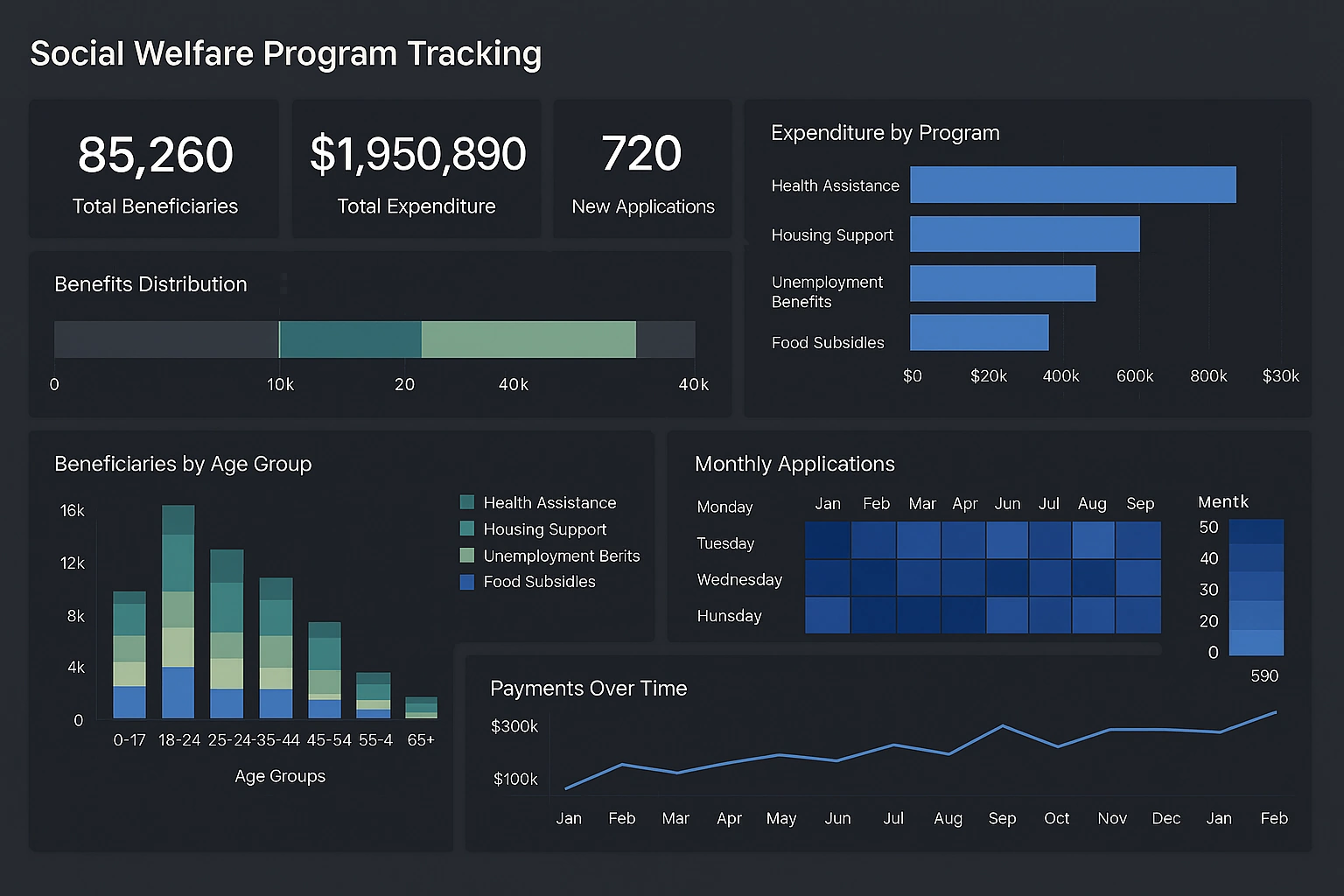
InetSoft offers a wide spectrum of reporting styles. These include highly formatted reports for regulatory or operational use, interactive dashboards for performance monitoring, and self-service visual analysis for discovery. Mozaïk is more narrowly focused on dashboard-style KPI communication, which can limit its usefulness for departments that need detailed or recurring reports.
For organizations that need both executive storytelling and operational reporting, InetSoft eliminates the need to maintain multiple tools. This consolidation reduces licensing costs, training overhead, and data consistency issues.
Self-Service Without Sacrificing Governance
Self-service analytics often creates tension between flexibility and control. InetSoft addresses this by offering governed self-service. Business users can create their own views, charts, and dashboards using curated data models, while IT retains control over data access, definitions, and performance.
Mozaïk’s strength lies in centrally designed dashboards, which can limit end-user autonomy. InetSoft strikes a balance by allowing users to explore data freely within guardrails. This approach reduces report backlogs and increases overall adoption of analytics.
Scalability and Performance
InetSoft is designed to scale with growing data volumes and user counts. Its architecture supports in-memory processing, caching, and optimized query execution. As organizations add new data sources or expand analytics usage across departments, performance remains consistent.
Mozaïk is typically deployed as a layer on top of existing BI or data platforms, which can introduce performance dependencies and architectural complexity. InetSoft’s unified platform simplifies the stack and provides predictable performance characteristics.
Customization and Extensibility
Every organization has unique analytics requirements. InetSoft provides extensive customization options, including calculated fields, custom visual components, scripting, and API access. This makes it suitable for embedding analytics into other applications or tailoring the user experience to specific roles.
Mozaïk is more prescriptive in how dashboards and KPIs are structured. While this can accelerate initial deployment, it can become restrictive as requirements diverge from standard templates. InetSoft offers freedom to design analytics that align precisely with business processes.

Deployment Flexibility
InetSoft supports multiple deployment models, including on-premises, cloud, and hybrid environments. This flexibility is critical for organizations with regulatory constraints, data residency requirements, or complex infrastructure strategies.
Mozaïk deployments often depend on the underlying BI ecosystem and may not offer the same level of architectural independence. InetSoft allows organizations to choose the deployment model that best fits their technical and compliance needs without compromising functionality.
Cost Efficiency Over Time
While initial licensing costs are important, long-term total cost of ownership often matters more. InetSoft's all-in-one platform reduces the need for additional tools for reporting, dashboards, and data preparation. Its data mashup capabilities also lower the cost of ongoing data engineering work.
Mozaïk may appear cost-effective for narrow executive reporting use cases, but organizations frequently incur additional costs when supplementing it with other analytics solutions. InetSoft’s broader scope can result in better value as analytics maturity increases.
User Experience for Technical and Non-Technical Users
InetSoft is designed to serve both technical users and business stakeholders. Analysts benefit from powerful modeling and calculation features, while non-technical users interact with intuitive dashboards and visual exploration tools. The interface adapts to different skill levels without fragmenting the analytics experience.
Mozaïk is primarily optimized for consumption by executives and managers. InetSoft’s inclusive design ensures that analytics becomes a shared asset across the organization rather than a top-down reporting mechanism.
Faster Time to Insight
By reducing reliance on external data preparation and enabling rapid iteration, InetSoft shortens the path from question to insight. New data sources can be connected, mashed up, and visualized quickly. Business users gain the ability to test hypotheses and uncover trends without waiting for long development cycles.
Mozaïk’s workflow often depends on predefined KPIs and structures, which can slow down exploratory analysis. InetSoft supports both structured performance monitoring and open-ended discovery within the same platform.
Future-Proof Analytics Strategy
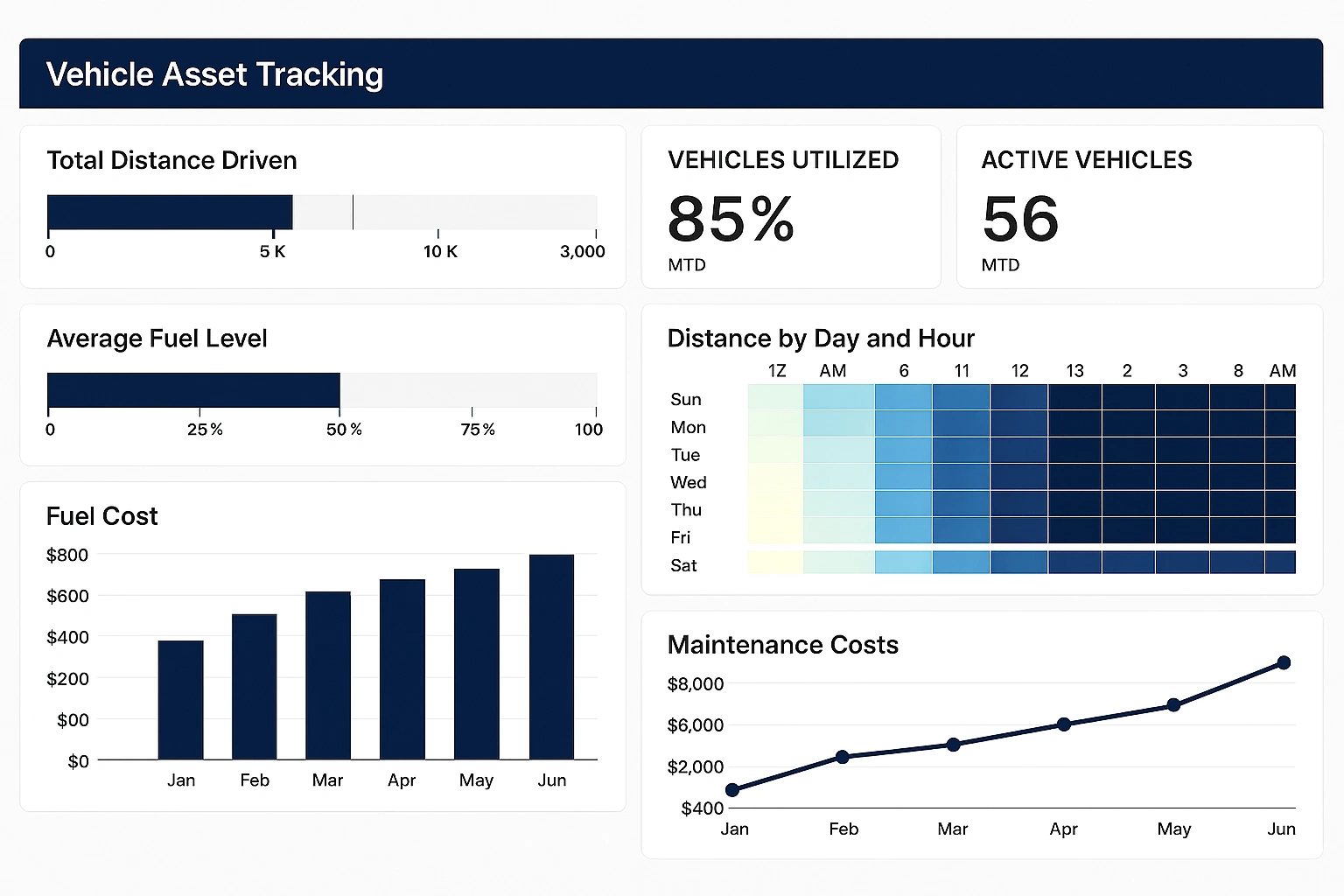
Analytics needs rarely remain static. As organizations adopt new data sources, embrace advanced analytics, or embed insights into applications, platform flexibility becomes critical. InetSoft’s extensible architecture and broad feature set make it well suited to adapt over time.
Choosing InetSoft as an alternative to Mozaïk is a strategic decision to invest in a platform that grows with the organization. It supports today's dashboards while laying the foundation for deeper analytics, operational reporting, and data-driven decision making across the enterprise.
User-Reported Problems and Complaints About Mozaïk
Public discussions across forums, blogs, and review platforms reveal recurring frustrations from users experiencing issues with Mozaïk software. These posts are not official marketing or documentation pages, but community-driven reports that highlight real-world problems encountered during everyday use.
Software Crashes and Reliability Issues
One of the most commonly reported problems involves Mozaïk failing to run correctly across multiple machines. In a community forum thread, users describe situations where the software would not launch or would crash unexpectedly, even after reinstalling or applying updates.
Several commenters mention that Mozaïk stopped working on more than one computer at the same time, suggesting systemic stability or compatibility issues rather than isolated hardware problems. Others reported that expired or reset licenses prevented the software from running, forcing teams to wait for updated license codes before resuming work.
Source: Yo.Asmbly User Forum
Licensing Interruptions Causing Downtime
Licensing problems appear frequently in user complaints. In the same community discussions, users explain that license expirations or validation failures completely blocked access to Mozaïk. These interruptions created downtime for shops and teams that rely on the software for daily operations.
Because Mozaïk is often used in production-oriented environments, even short licensing delays can translate directly into lost productivity and missed deadlines.
Source: Yo.Asmbly User Forum
Login and Verification Frustrations
Additional complaints exist around authentication and verification workflows associated with Mozaïk-branded systems. In a detailed blog post, a user describes repeated failures when attempting to log in using verification codes that were consistently rejected as invalid.
The post highlights frustration with unclear error messaging and a lack of guidance on how to resolve the issue, resulting in wasted time and a poor user experience. While this post references a Mozaïk-branded Microsoft-related system, it reflects a broader pattern of usability complaints tied to Mozaïk naming and tooling.
Source: User Blog Describing Mozaïk Login Issues
Support Tools Not Loading Properly
Even when users attempt to contact support, problems have been reported. On the official Mozaïk support website, users have encountered errors where the real-time chat feature fails to load entirely.
The page displays an error indicating that the live chat could not be launched and suggests checking browser settings or cookies. For users already blocked by software issues, a broken support channel adds another layer of frustration.
Source: Mozaïk Official Support Page
Consumer Complaint and Review Platforms
Mozaïk also appears on consumer complaint and review aggregation sites, where users are encouraged to share negative experiences related to customer service, software reliability, or unmet expectations.
While individual reviews vary, the presence of Mozaïk on these platforms indicates that some users actively seek public outlets to report dissatisfaction or unresolved issues.
Source: Mozaïk Software Complaints on PissedConsumer
Common Themes Across User Complaints
Across these public posts and discussions, several consistent problem areas emerge:
- Software instability, including crashes and failure to launch
- Licensing and activation issues that block access
- Authentication and verification workflows that fail without clear guidance
- Support tools that do not load or function reliably
These recurring themes help explain why some organizations explore alternatives when evaluating long-term analytics or software platforms. Public user feedback suggests that reliability, access, and support challenges can significantly impact overall satisfaction with Mozaïk.