Why Choose Open Source StyleBI Over Seal Report?
When teams evaluate open source business intelligence and reporting tools, the decision often comes down to more than just generating PDFs or tabular reports.
It is about building a sustainable analytics layer that can grow with the organization, integrate with modern data stacks, and empower both technical and non-technical users.
In that context, choosing an open source platform like StyleBI over a report-centric tool such as Seal Report can be a strategic move that pays off in flexibility, usability, and long-term value.


When teams evaluate open source business intelligence and reporting tools, the decision often comes down to more than just generating PDFs or tabular reports. It is about building a sustainable analytics layer that can grow with the organization, integrate with modern data stacks, and empower both technical and non-technical users. In that context, choosing an open source platform like StyleBI over a report-centric tool such as Seal Report can be a strategic move that pays off in flexibility, usability, and long-term value.
From static reports to full BI experiences
Seal Report is fundamentally oriented around classic reporting: designing layouts, binding them to data sources, and scheduling or exporting results. That model works well for fixed, recurring reports, but it can become limiting when stakeholders expect interactive dashboards, drill-down analysis, and self-service exploration. StyleBI, by contrast, is designed as a full business intelligence environment rather than just a reporting engine. It emphasizes dashboards, visual analysis, and ad hoc querying, which better matches how modern teams consume data today.
With StyleBI, users can move beyond static tables and build rich, interactive views that combine charts, filters, and KPIs on a single canvas. This shift from “report generation” to “decision support” is crucial: instead of waiting for IT to redesign a report, business users can slice and dice data themselves, ask new questions, and iterate quickly on insights. That kind of agility is difficult to achieve when the core paradigm is a fixed report definition.
Open source flexibility and extensibility
One of the strongest arguments for choosing StyleBI is the open source model itself. Open source BI tools give organizations the freedom to inspect the code, understand how the engine works, and adapt it to their specific needs without waiting on a vendor roadmap. This is especially valuable when integrating with unusual data sources, embedding analytics into custom applications, or enforcing organization-specific security and governance rules. Explo
While Seal Report is also available as an open solution, its architecture and focus are tightly aligned with traditional report generation. StyleBI’s open source nature is paired with a broader BI feature set, making customization more impactful. Extending a platform that already supports dashboards, interactive filters, and multi-tenant scenarios means your development effort compounds into a richer analytics experience rather than just more report templates.
Modern data workflows and integration patterns
Contemporary analytics stacks often include cloud data warehouses, REST APIs, event streams, and semi-structured data. A BI platform must be comfortable in that environment. StyleBI is typically positioned to integrate with a wide variety of data sources and to support workflows where data is refreshed frequently, modeled centrally, and then exposed to many different dashboards and user groups. decidesoftware.com
Seal Report, being rooted in a more traditional reporting mindset, tends to shine when connecting to relational databases and generating scheduled outputs. For organizations whose needs are evolving toward real-time monitoring, embedded analytics, or multi-source blending, StyleBI’s broader BI orientation is a better fit. It is easier to design a semantic layer, reuse metrics across dashboards, and maintain a single version of the truth when the platform is built with those patterns in mind.
User experience and self-service analytics
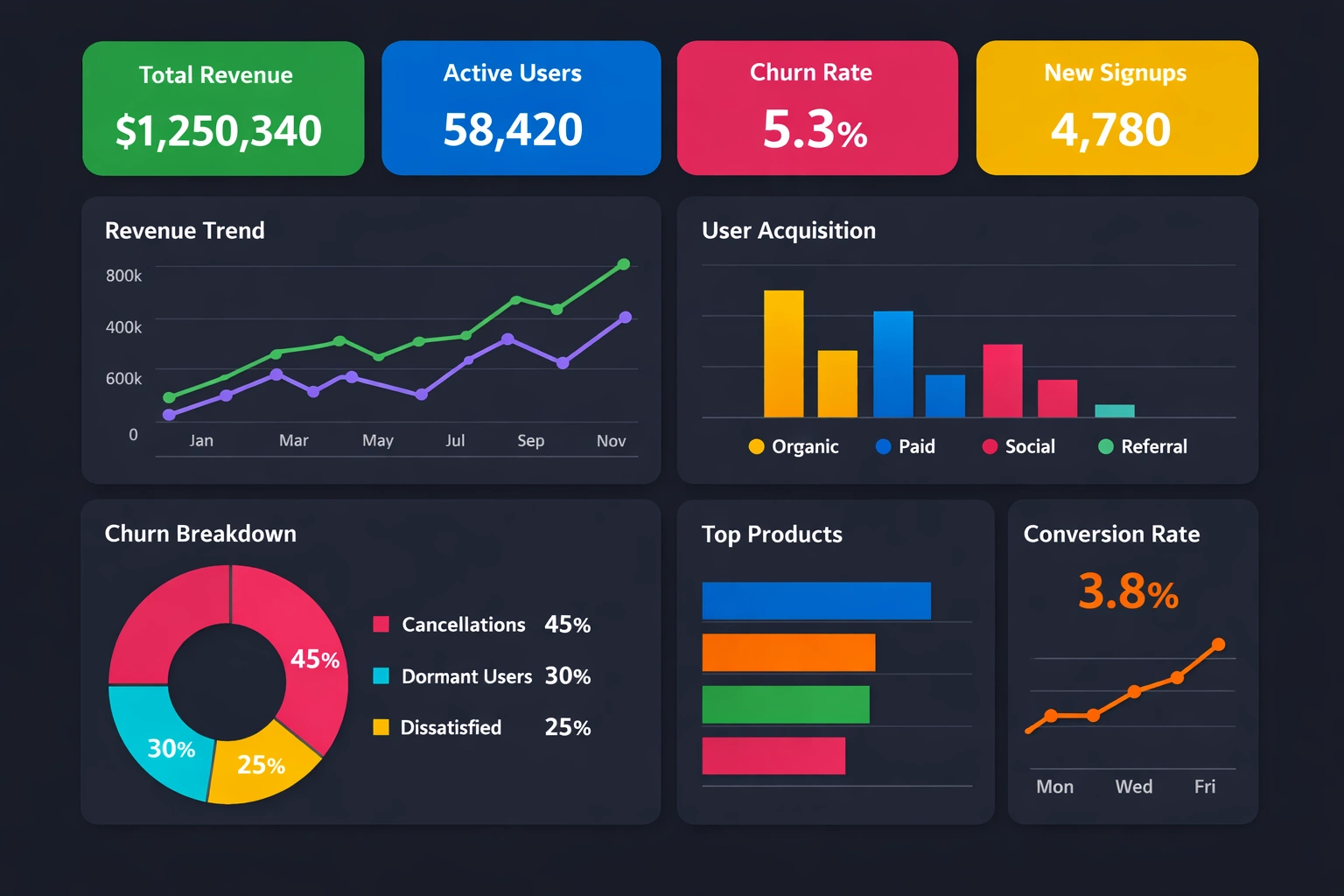
A key differentiator between a BI platform and a reporting engine is how much autonomy it gives to non-technical users. StyleBI typically offers a more visual, drag-and-drop experience for building dashboards and exploring data. Business users can add charts, adjust filters, and rearrange layouts without writing code or editing low-level report definitions. This reduces the bottleneck on IT and allows analysts and domain experts to iterate directly with the data.
Seal Report, while powerful for developers and technical users, often requires more familiarity with report design concepts and underlying data structures. That can be perfectly acceptable in environments where IT owns all reporting, but it becomes a constraint when the goal is to democratize analytics. StyleBI’s emphasis on usability and interactive visualization aligns better with organizations that want to push analytics out to a wider audience, including managers, marketers, and operations staff.
Visualization depth and dashboard design
Modern BI is as much about how information is presented as it is about the data itself. StyleBI generally provides a richer library of visualizations, layout options, and interactive elements than a report-focused tool. This includes responsive dashboards, advanced chart types, and the ability to combine multiple visual components into cohesive, story-driven views. apptension.com
Seal Report can certainly display charts and tables, but its core strength lies in producing structured reports rather than highly interactive dashboards. If your stakeholders expect executive scorecards, operational monitoring boards, or exploratory analysis views, StyleBI’s visualization capabilities will feel more natural. The platform’s design encourages building dashboards that are not just accurate, but also intuitive and visually compelling—critical for adoption and ongoing engagement.

Embedding and white-label scenarios
Many organizations today want to embed analytics into their own products, portals, or customer-facing applications. StyleBI, as a full BI platform, is typically better suited for embedding scenarios, offering APIs, theming, and integration hooks that allow you to present dashboards under your own brand. This is particularly important for software vendors, SaaS platforms, and enterprises that want analytics to feel like a native part of their digital experience.
While Seal Report can be integrated into custom solutions, its primary design is not centered on multi-tenant embedding or white-label analytics. StyleBI’s architecture and feature set make it easier to manage permissions, isolate tenant data, and reuse dashboard templates across many customers or business units. Over time, this can significantly reduce the engineering effort required to maintain a robust embedded analytics layer.
Scalability, governance, and maintainability
As analytics usage grows, so do the demands on governance and scalability. StyleBI’s BI-centric approach typically includes features for role-based access control, centralized data models, and reusable metrics. These capabilities help ensure that as more users and departments adopt the platform, they are all working from consistent definitions and secure data access patterns.
Seal Report can be scaled, but the governance model often revolves around managing individual report definitions and data connections. That can become cumbersome when dozens or hundreds of reports need to be maintained, audited, and updated. StyleBI’s focus on shared models and dashboards makes it easier to roll out changes globally, enforce standards, and keep the analytics environment coherent as it expands.
Total cost of ownership and long-term value
Both StyleBI and Seal Report can be attractive from a licensing perspective compared to proprietary BI suites, but total cost of ownership goes beyond license fees. It includes the time required to build and maintain content, the effort needed to onboard new users, and the flexibility to adapt the platform as requirements change. meetrix.io
Because StyleBI is designed as a comprehensive BI platform, investments in data modeling, dashboard design, and user training tend to yield broader benefits. The same semantic layer can power many dashboards; the same visual components can be reused across teams; and the same governance model can support both internal and external analytics. In contrast, a report-centric tool may require more duplicated effort as new reporting needs emerge, especially when those needs lean toward interactivity and self-service.
Strategic alignment with modern BI practices
Ultimately, choosing open source StyleBI over Seal Report is about aligning your tooling with where analytics is headed, not just where it has been. Organizations are moving toward continuous, interactive, and collaborative use of data. They want platforms that support experimentation, rapid iteration, and broad participation. StyleBI’s orientation toward dashboards, visual exploration, and open source extensibility fits that direction naturally.
Seal Report remains a solid option for traditional reporting scenarios, especially when the primary goal is to generate structured outputs from relational databases. But if your vision includes self-service analytics, embedded dashboards, and a unified BI layer that can grow with your data strategy, StyleBI offers a more future-ready foundation. By choosing an open source BI platform that emphasizes interactivity, integration, and usability, you position your organization to turn data into a living, evolving asset rather than a static set of reports.