Data Integration Tools for Analytics
Modern analytics depends on clean, unified data. Data integration tools are the backbone that connect ERP, CRM, finance, operations, and external sources into a single, trusted view for dashboards and reports.
InetSoft sits on top of these integrated data layers, providing interactive visualizations and self-service BI experiences that rely on the work done by ETL, ELT, and data virtualization platforms.
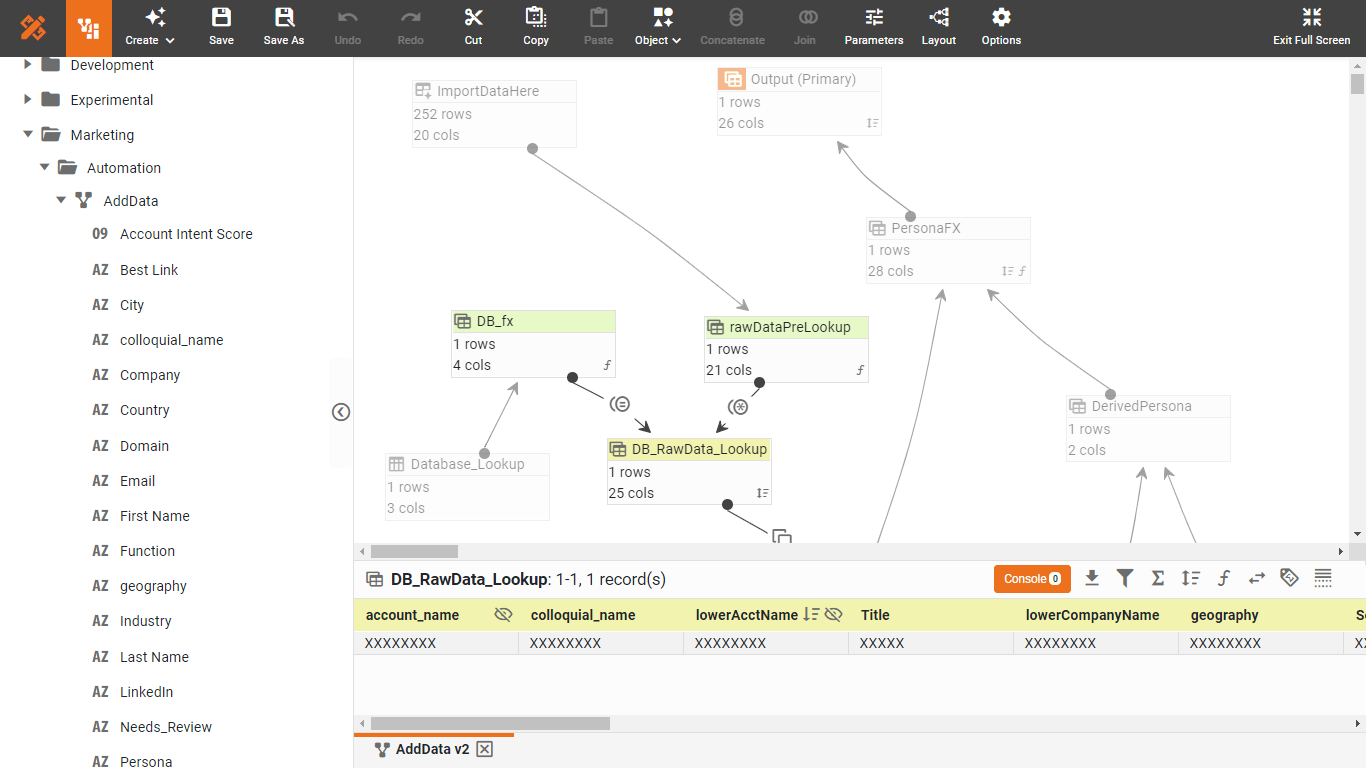
Why Data Integration Matters for Analytics
Analytics is only as good as the data behind it. When information is scattered across systems, teams struggle to reconcile numbers, compare performance, and make confident decisions. Data integration tools solve this by consolidating, cleansing, and modeling data for analytics consumption.
With a robust integration layer, business intelligence platforms like InetSoft can deliver consistent KPIs, cross-functional dashboards, and governed self-service analytics to users across the organization.
Types of Data Integration Tools for Analytics
1. ETL (Extract, Transform, Load) Tools
ETL tools pull data from source systems, apply transformations, and load it into a data warehouse or data mart. They are well-suited for structured, batch-oriented analytics where nightly or hourly loads are sufficient.
InetSoft can connect to these warehouses and use the curated schemas to build dashboards and reports without redoing transformation logic.
2. ELT in Cloud Data Platforms
ELT shifts transformations into the target platform, such as a cloud data warehouse or lakehouse. Raw data is loaded first, and then SQL or engine-native transformations are applied. This approach leverages the scalability of modern cloud platforms.
InetSoft can query these transformed views directly, taking advantage of cloud performance and elasticity while keeping BI logic focused on visualization and user experience.
3. Data Virtualization Tools
Data virtualization tools provide a logical layer that exposes unified views across multiple sources without physically moving the data. They are ideal when latency requirements are moderate and data residency constraints are strict.
InetSoft can connect to virtualized views as if they were single sources, simplifying dashboard design while leaving data in place.
4. Real-Time Streaming and Event Pipelines
Streaming platforms ingest events from applications, devices, and services in real time. They feed operational analytics, monitoring dashboards, and alerting systems that require low-latency data.
InetSoft can consume aggregated or windowed views from streaming pipelines, enabling near real-time dashboards for operations, payments, logistics, and more.
5. Data Quality and Master Data Management Tools
Data quality and MDM tools standardize, deduplicate, and enrich records across systems. They ensure that analytics built on top of integrated data reflect accurate customers, products, and entities.
InetSoft benefits directly from these efforts, as dashboards and reports present clean, reconciled master data to business users.
6. Integration Platforms as a Service (iPaaS)
iPaaS solutions provide cloud-based connectors, workflows, and mappings to integrate SaaS applications and on-premise systems. They are often used to synchronize operational data and feed analytics platforms.
InetSoft can tap into the consolidated data produced by iPaaS flows, reducing the need for custom point-to-point integrations at the BI layer.
How InetSoft Works with Data Integration Tools
InetSoft is designed to be data-source agnostic. It connects to warehouses, lakes, virtualized views, and operational databases through standard drivers and APIs. This allows organizations to choose the integration stack that best fits their architecture while keeping analytics delivery consistent.
With InetSoft, integrated data can be:
- Visualized: Turn curated models into interactive dashboards and reports.
- Governed: Apply role-based access, row-level security, and audit trails.
- Shared: Embed analytics into applications or portals for broader consumption.
Key Considerations When Choosing Data Integration Tools
Selecting the right data integration tools for analytics requires balancing performance, flexibility, and governance. Organizations should evaluate connectivity to existing systems, support for cloud and on-premise environments, data quality capabilities, and how well the tools integrate with BI platforms.
InetSoft can serve as the analytics front-end for whichever integration strategy you adopt, ensuring that business users see a unified, trusted view of the data.
Frequently Asked Questions About Data Integration Tools for Analytics
What are data integration tools for analytics?
Data integration tools for analytics extract, transform, and load data from multiple systems into unified models for reporting and dashboards. They provide the foundation for reliable business intelligence.
Why is data integration important for business intelligence?
Without integration, BI outputs are fragmented and inconsistent. Integration tools unify data across departments and systems so that dashboards and reports reflect a single source of truth.
What types of data integration architectures are common?
Organizations use batch ETL, cloud ELT, data virtualization, and streaming pipelines depending on latency, volume, and governance needs. Many adopt a hybrid approach.
How does InetSoft work with data integration tools?
InetSoft connects to integrated data sources such as warehouses, lakes, and virtualized views, and uses them to power dashboards, reports, and self-service analytics.
What should organizations consider when choosing tools?
Consider connectivity, scalability, data quality, governance, and compatibility with BI platforms like InetSoft when selecting data integration tools for analytics.