What Is Decision Intelligence?
Decision intelligence is a discipline that combines data analytics, business intelligence, artificial intelligence, and decision science to improve the quality, speed, and consistency of business decisions.
Rather than focusing solely on reporting what happened in the past, decision intelligence helps organizations understand why events occurred, predict likely outcomes, evaluate alternatives, and recommend the best course of action.
The goal is to transform data into actionable decisions that produce measurable business value.
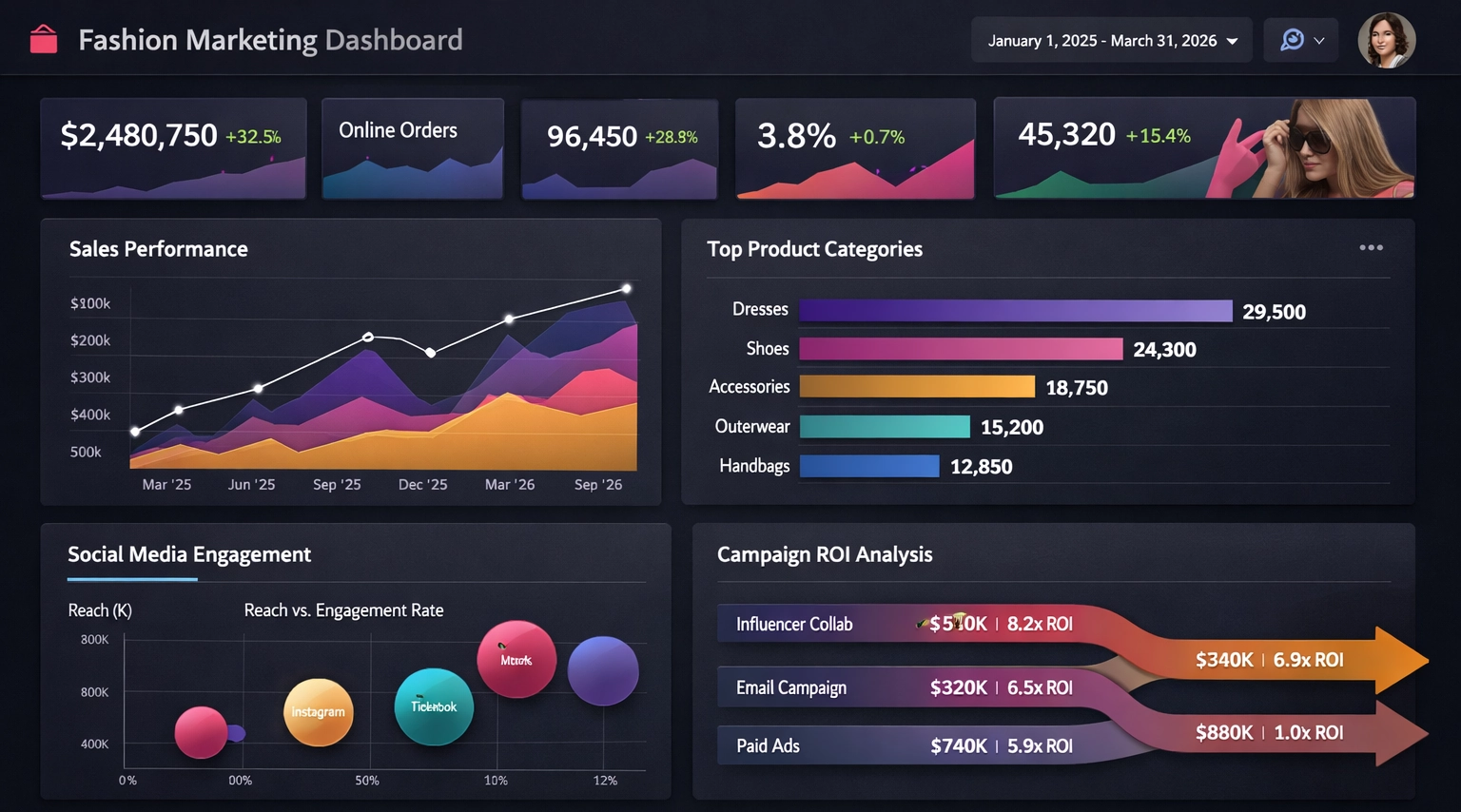

Traditional analytics tools often provide dashboards, reports, and visualizations that leave decision-making entirely to the user. Decision intelligence extends beyond descriptive analytics by connecting data, business rules, predictive models, and organizational objectives into a structured decision-making framework. This approach enables decision-makers to assess potential outcomes, quantify risks, and understand the tradeoffs associated with different strategies before taking action.
A decision intelligence system typically integrates information from multiple business functions, including sales, marketing, finance, operations, customer service, and supply chain management. Advanced analytics and machine learning algorithms identify patterns, forecast future scenarios, and generate recommendations based on historical and real-time data. Organizations can use these insights to optimize pricing, improve resource allocation, reduce operational costs, manage risks, and increase customer satisfaction.
Decision intelligence is becoming increasingly important as organizations face growing volumes of data and more complex business environments. By combining human expertise with analytical and AI-driven insights, decision intelligence helps businesses make faster, more informed, and more consistent decisions. The result is improved operational performance, greater organizational agility, and a stronger ability to achieve strategic objectives.
How Decision Intelligence Works
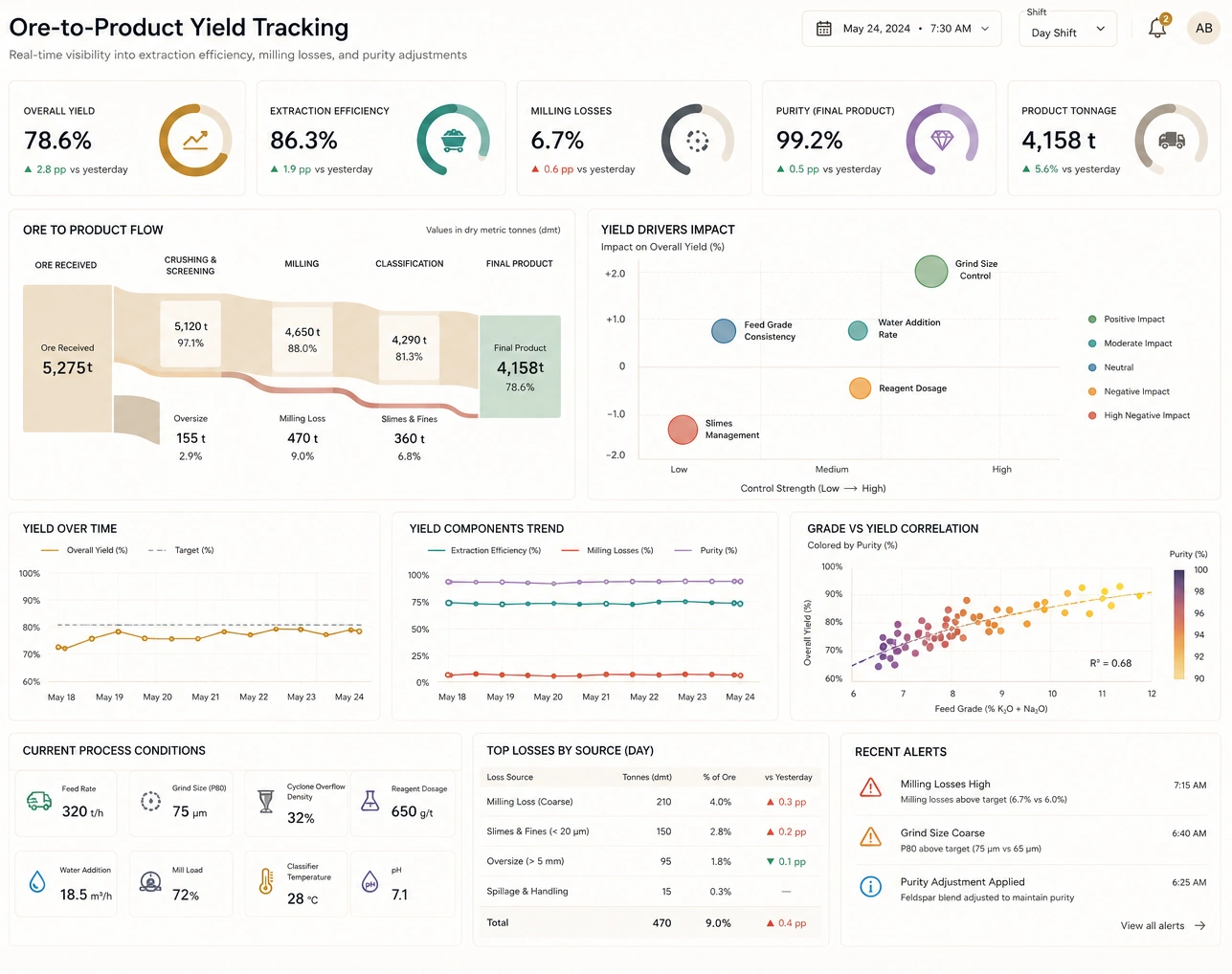
Decision intelligence creates a framework that connects data, analytics, business processes, and human judgment. Instead of treating reporting, forecasting, and planning as separate activities, it integrates them into a continuous decision cycle. Data is collected from operational systems, analyzed for trends and patterns, evaluated against business objectives, and then presented alongside recommended actions.
Many decision intelligence platforms incorporate predictive analytics, machine learning, optimization algorithms, and scenario modeling. Users can explore various possibilities, evaluate likely outcomes, and compare alternatives before making important business decisions. This capability allows organizations to move from reactive management to proactive and predictive decision-making.
Key Components of Decision Intelligence
- Business intelligence and reporting
- Data integration and data governance
- Predictive analytics and forecasting
- Artificial intelligence and machine learning
- Decision modeling and business rules
- Scenario analysis and simulation
- Performance management and KPIs
- Human expertise and collaboration
Benefits of Decision Intelligence
- Improves decision quality and consistency
- Accelerates decision-making processes
- Identifies risks before they impact performance
- Supports data-driven strategic planning
- Enhances forecasting accuracy
- Optimizes resource allocation and operations
- Increases responsiveness to market changes
- Combines human judgment with AI-driven insights
Decision Intelligence vs. Business Intelligence
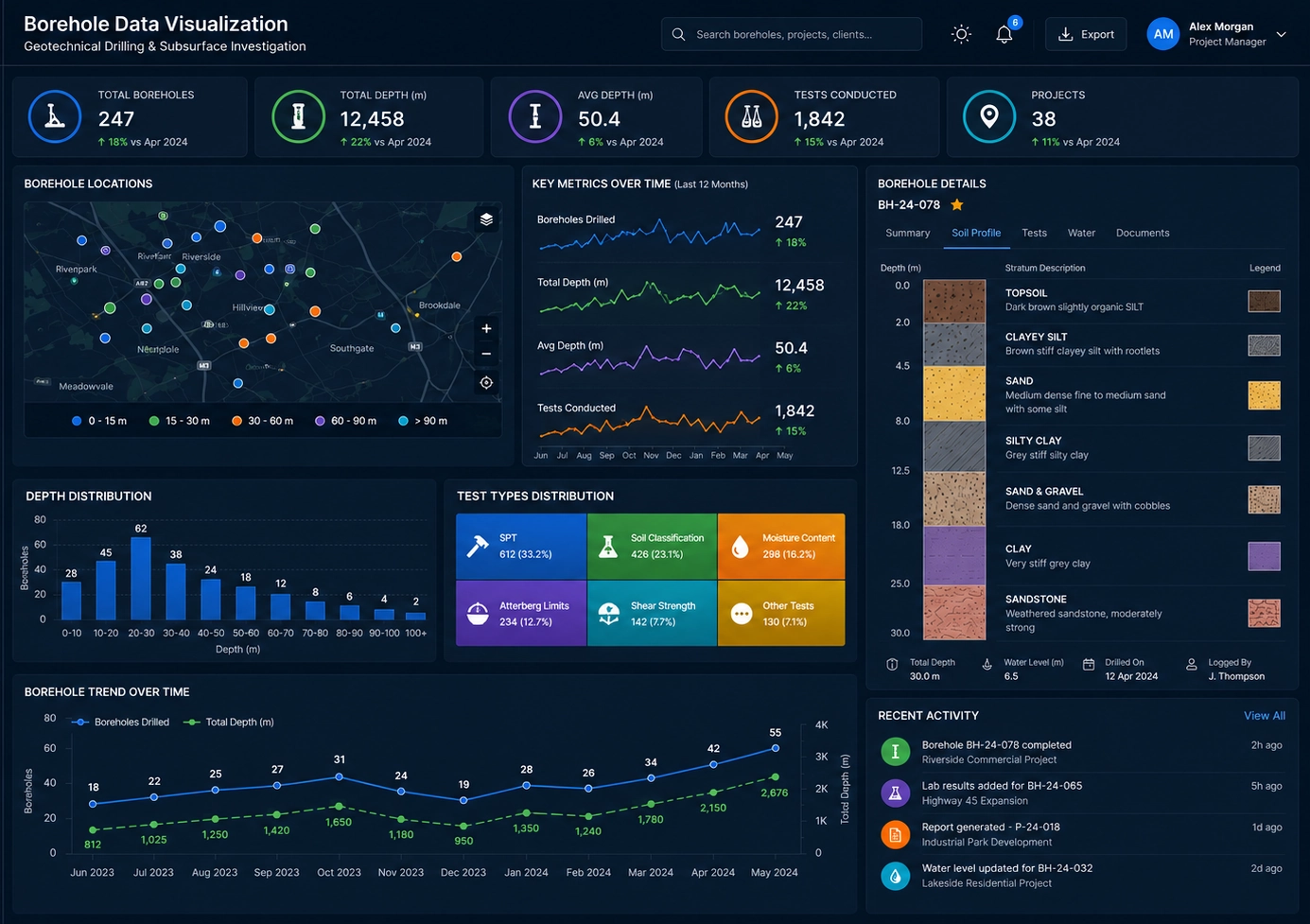
Business intelligence primarily focuses on reporting, visualization, and understanding historical performance. Dashboards and reports answer questions such as what happened, when it happened, and where performance changed. Decision intelligence builds upon those capabilities by helping organizations determine what will likely happen next, what actions are available, and which actions are most likely to achieve desired business outcomes.
In other words, business intelligence provides information, while decision intelligence helps transform information into decisions. Organizations often use decision intelligence to enhance existing BI investments by adding predictive, prescriptive, and optimization capabilities that support more effective decision-making.
Examples of Decision Intelligence Applications
- Determining optimal inventory levels across distribution centers
- Prioritizing sales opportunities based on predicted revenue potential
- Adjusting pricing strategies based on market demand forecasts
- Allocating marketing budgets across channels for maximum ROI
- Predicting customer churn and recommending retention actions
- Optimizing workforce scheduling and staffing levels
- Identifying high-risk suppliers and mitigating supply chain disruptions
- Evaluating investment alternatives using scenario modeling
The Future of Decision Intelligence
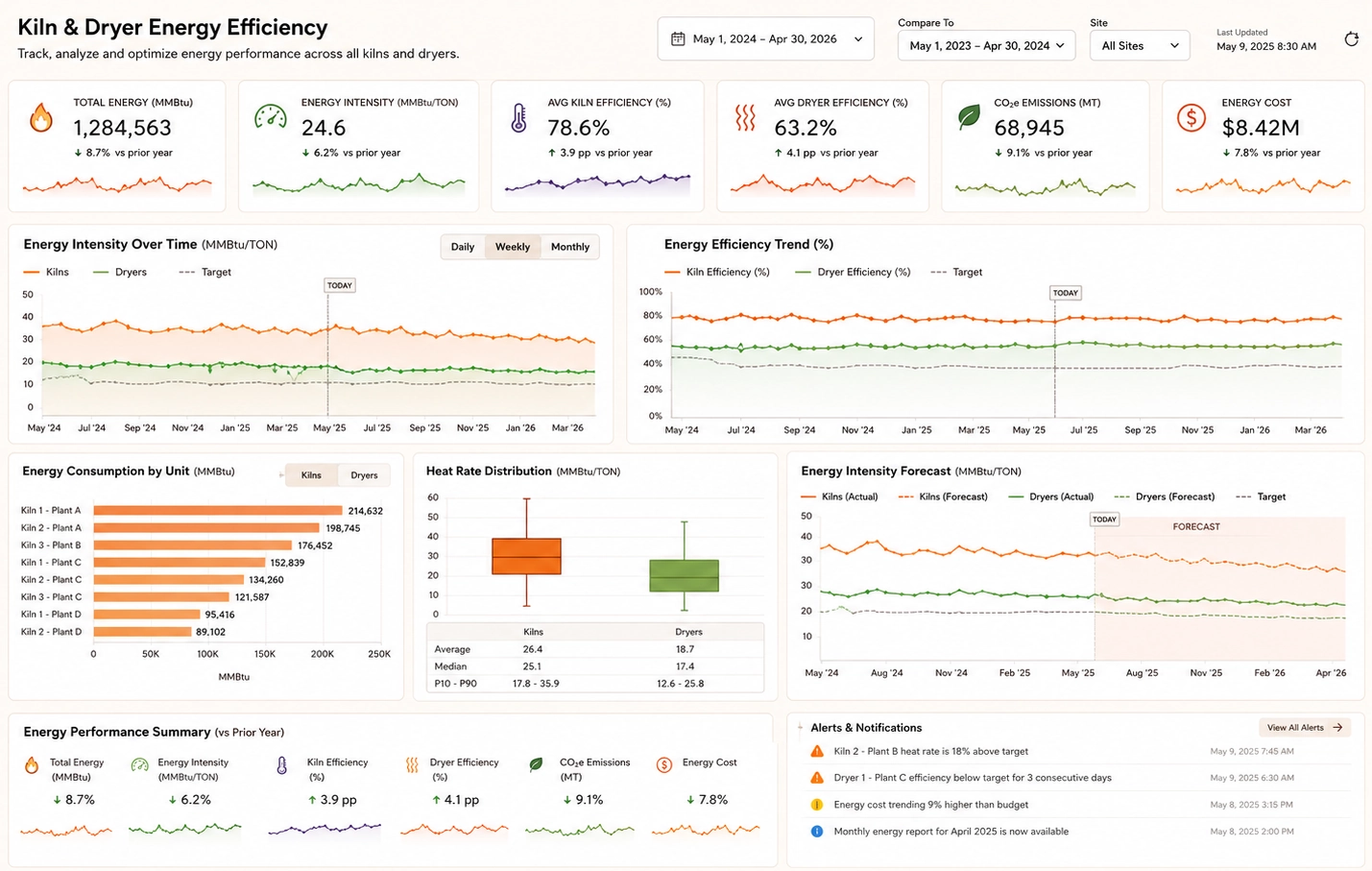
As artificial intelligence becomes more integrated into enterprise systems, decision intelligence is evolving from a specialized analytics capability into a strategic business function. Modern organizations increasingly expect their analytics platforms to not only identify trends but also explain outcomes, predict future conditions, and recommend actions. This evolution is driving demand for decision intelligence solutions that combine data management, analytics, AI, and business context into a unified decision support framework.
Organizations that successfully implement decision intelligence gain a competitive advantage by making more accurate, timely, and data-driven decisions. As business complexity continues to grow, decision intelligence will play an increasingly important role in helping leaders navigate uncertainty and achieve sustainable business success.