Why Choose InetSoft Over Explo for Embedded Analytics
When you are choosing an embedded analytics platform, you are not just picking charts and dashboards. You are choosing a long-term architecture for how your product will handle data modeling, security, customization, and scale.
InetSoft’s StyleBI platform is designed as a full-featured, cloud-native business intelligence and embedded analytics solution, while Explo is a focused, streamlined tool for quickly standing up customer-facing dashboards.
Both have strengths, but if you care about depth of data capabilities, deployment flexibility, and long-term control, InetSoft offers a broader and more future-proof foundation.
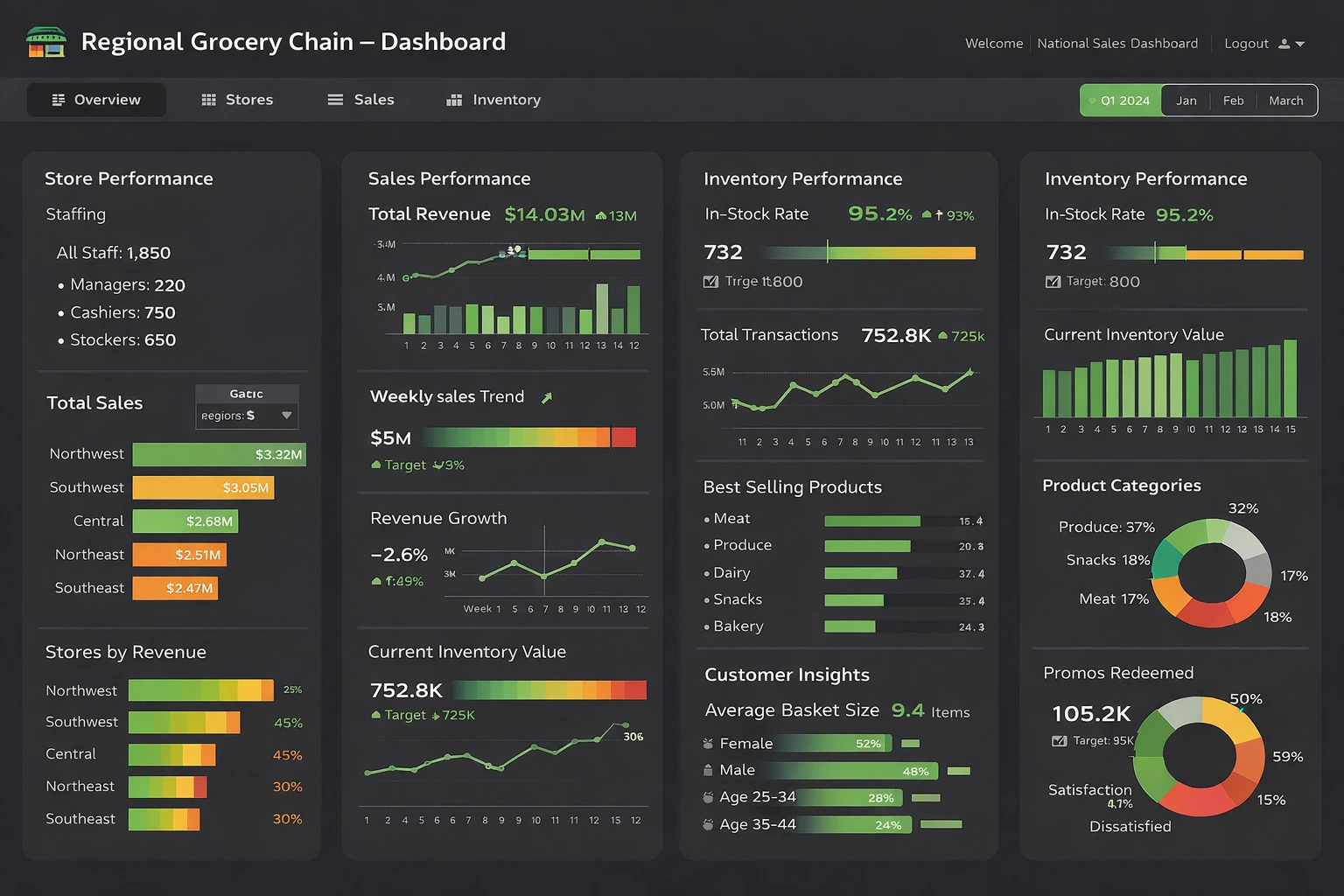

1. Full BI platform vs. narrow embedded focus
InetSoft is a complete business intelligence web application that includes data preparation, transformation, and visualization in a single platform. It is built to support both internal analytics and embedded use cases, so you get a unified stack for ad hoc analysis, governed reporting, and customer-facing dashboards. Explo, by contrast, is intentionally narrow: it focuses on quickly embedding dashboards into SaaS products with a strong emphasis on front-end simplicity and white-labeling. That focus is attractive for very simple use cases, but it can become limiting when you need richer data modeling, complex joins, or enterprise-grade governance.
With InetSoft, you are not forced to bolt on a separate data transformation layer or rely entirely on pre-modeled warehouse views. You can design data flows, define reusable semantic layers, and manage calculations centrally. This reduces duplication of logic across teams and makes it easier to maintain consistency as your product and customer base grow.
2. Strong data transformation and mashup capabilities
One of InetSoft’s core strengths is its integrated data transformation pipeline. You can connect to multiple sources, blend them, and create reusable data blocks that power many dashboards. This is crucial when your product needs to combine operational data, billing data, CRM data, and third-party feeds into a single embedded experience. Instead of pushing all of that complexity into your engineering team or your data warehouse, InetSoft lets analysts and data engineers collaborate in a visual environment.
Explo assumes that most of the heavy lifting has already been done in your warehouse or database. If your data is already perfectly modeled and denormalized for reporting, that can work. But in reality, schemas evolve, new sources appear, and customers request custom slices that require new joins or transformations. InetSoft’s richer data layer means you can respond to those requests faster, without constantly reworking upstream pipelines or writing custom SQL for every new dashboard.
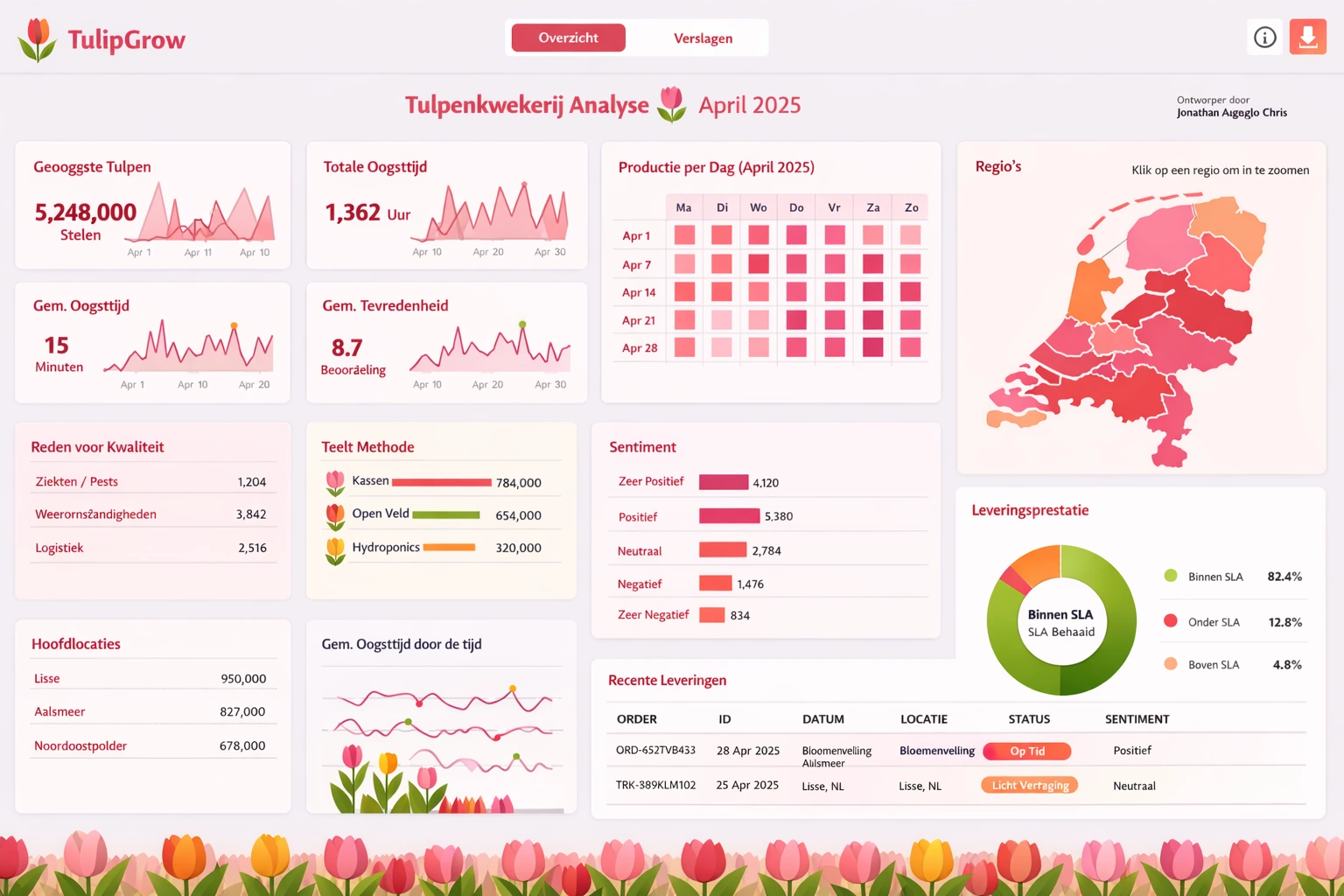
3. Deployment flexibility and control
InetSoft is designed as a small-footprint, cloud-native web application that can be deployed in a variety of environments: your own cloud, on-premises, or as a managed service. That flexibility matters if you serve customers with strict data residency, compliance, or security requirements. You can keep data within specific regions, deploy into private networks, and align with your existing DevOps practices.
Explo is primarily offered as a hosted SaaS service. While that simplifies initial setup, it can be a constraint for customers in regulated industries or those with strict security policies who prefer to keep analytics infrastructure inside their own environment. Choosing InetSoft gives you more options to meet those requirements without redesigning your analytics strategy later.
4. Enterprise-grade governance and security
As your embedded analytics footprint grows, governance becomes just as important as visualization. InetSoft provides fine-grained security controls, role-based access, row-level security, and multi-tenant architectures that let you safely serve many customers from a single deployment. You can define who can see which data, which dashboards they can modify, and how content is shared across tenants and internal teams.
Explo focuses on making it easy to embed dashboards quickly, but its governance model is simpler and more oriented toward straightforward customer-facing use cases. If you need layered permissions, complex tenant hierarchies, or a mix of internal and external users with different rights, InetSoft’s mature security model is better suited to those scenarios. That reduces risk and gives you confidence as you onboard larger, more demanding customers.
5. Customization without sacrificing maintainability
Both InetSoft and Explo emphasize white-labeling and the ability to make dashboards look native inside your product. Explo leans heavily on a modern React SDK and quick theming, which is great for rapid front-end integration. InetSoft, however, combines visual customization with a robust metadata layer, so you can standardize templates, themes, and components across many dashboards while still allowing tailored experiences per customer or product area.
InetSoft’s approach is especially valuable when you have dozens or hundreds of embedded dashboards to maintain. Instead of one-off customizations that become hard to track, you can manage styles, layouts, and data definitions centrally. That means fewer regressions, easier upgrades, and a more consistent user experience across your entire product.
6. Self-service analytics for different user types
InetSoft is built to support a spectrum of users: developers, data engineers, analysts, and business users. Developers can embed and automate; analysts can design data models and dashboards; business users can explore and interact with content in a controlled way. This multi-persona design is important if you want your embedded analytics to evolve beyond static reports and become a living part of how customers and internal teams make decisions.
Explo is optimized for product teams who want to ship dashboards quickly with minimal BI overhead. That is appealing early on, but it can limit how much self-service you can safely expose to customers or non-technical internal users. InetSoft’s richer authoring and exploration tools give you a path to gradually open up more capabilities without losing control of data quality and governance.
7. Scalability for complex and growing use cases
As your product matures, your embedded analytics needs will almost certainly become more complex. Customers will ask for custom metrics, new filters, drill-down paths, and integrations with their own systems. InetSoft’s architecture—combining a scalable web engine, reusable data models, and flexible embedding options—is designed to handle that growth without forcing you to re-platform.
Explo shines when you need to get from zero to embedded dashboards in days, especially for relatively straightforward use cases. But if you anticipate a long roadmap of advanced analytics features, InetSoft’s broader capabilities and deployment options give you more headroom. You are less likely to hit a ceiling where you need to introduce a second BI tool or rebuild your analytics layer to meet new demands.
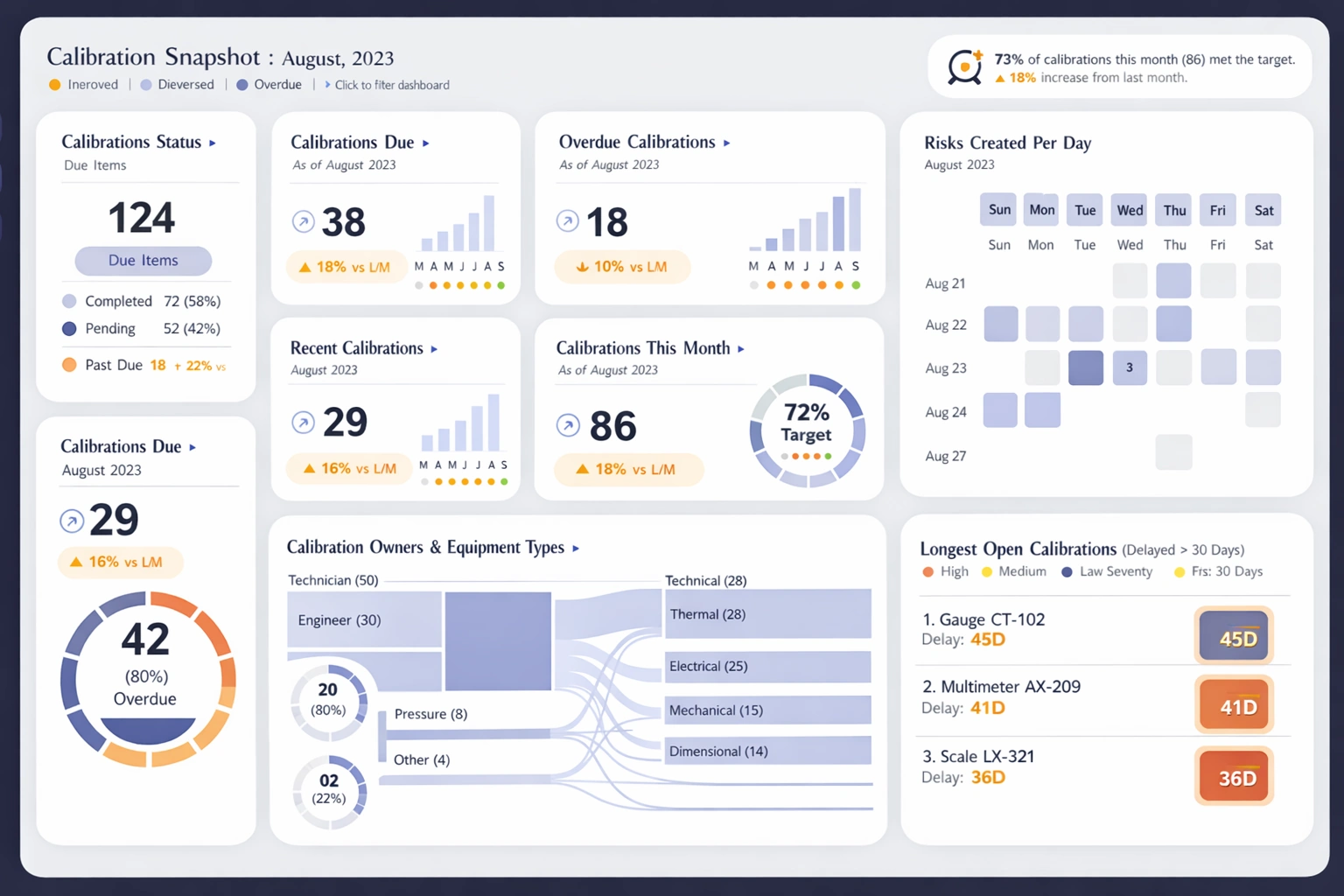
8. Vendor maturity and long-term stability
InetSoft has been in the business intelligence and reporting space for many years, evolving its platform to support modern embedded analytics while retaining the depth expected from an enterprise BI tool. That history shows up in its feature set: robust scheduling, pixel-perfect reporting options, complex data handling, and a wide range of connectors and integration patterns.
Explo is a newer, focused entrant that has done a strong job of simplifying embedded analytics for SaaS teams. However, with a younger platform you may encounter more frequent product shifts or gaps in edge-case features that matter to larger customers. Choosing InetSoft means betting on a vendor with a long track record of supporting complex, mission-critical analytics deployments.
9. Total cost of ownership and engineering effort
At first glance, a lightweight embedded tool like Explo can seem cheaper because it reduces initial engineering work. But total cost of ownership includes the time your team spends modeling data, maintaining custom logic, handling security edge cases, and responding to bespoke customer requests. InetSoft’s integrated data transformation, governance, and multi-tenant capabilities can significantly reduce that ongoing effort.
By centralizing data logic and security in InetSoft, you avoid scattering SQL, permissions, and business rules across multiple services and codebases. That not only lowers maintenance costs but also reduces the risk of inconsistent metrics or security oversights. Over a multi-year horizon, this can make InetSoft the more economical choice, even if the initial setup is slightly more involved.
10. Strategic fit for product and analytics teams
Ultimately, the decision between InetSoft and Explo comes down to how you see analytics fitting into your product strategy. If you only need a handful of relatively simple dashboards and you prioritize speed above all else, Explo’s focused approach may be enough. But if you view analytics as a core, evolving part of your product—something that will grow in complexity, serve many personas, and need tight governance—InetSoft is the stronger strategic choice.
InetSoft gives you a full BI platform that can power both internal and external analytics, with rich data transformation, flexible deployment, and enterprise-grade security. That combination lets you start with embedded dashboards today and confidently expand into more advanced analytics experiences tomorrow, without switching tools or rebuilding your architecture. For teams that care about long-term control, scalability, and depth, InetSoft offers a more complete and future-ready solution than Explo.