Multi-tenant BI Architecture
Multi-tenant BI architecture enables a single analytics platform to serve many customers or business units while keeping data isolated, secure, and performant. It is a core requirement for SaaS products with embedded analytics and for enterprises that centralize BI across multiple departments or regions.
This article explains the key concepts, design patterns, and best practices for building multi-tenant BI architecture that scales while maintaining strong data governance and predictable performance.
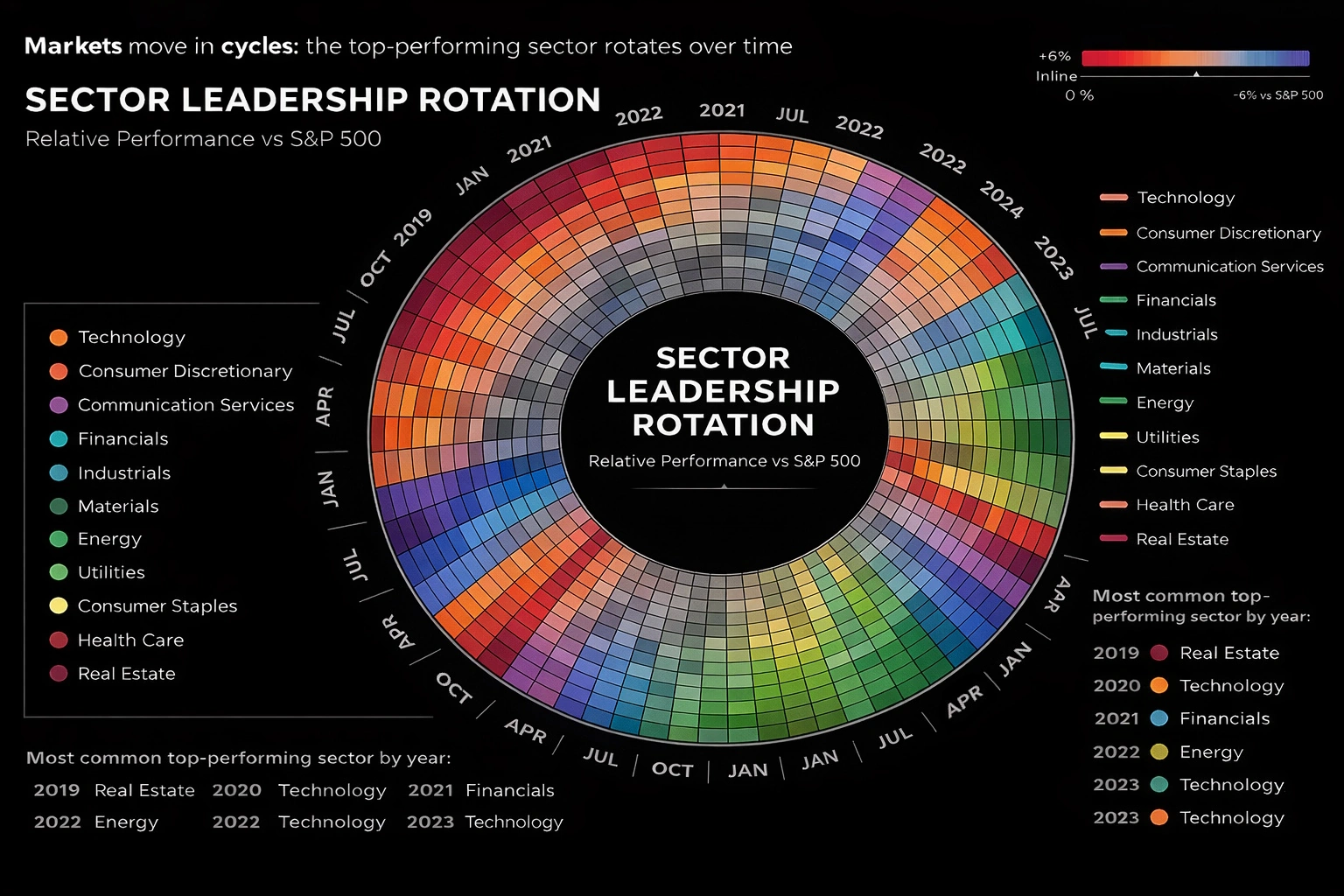

Why Multi-tenant BI Architecture Matters
Multi-tenant BI is not just about sharing infrastructure. It must balance tenant isolation, configurability, and operational efficiency.
- Scalability: Support many tenants without duplicating entire stacks.
- Cost efficiency: Share compute and storage while controlling resource usage.
- Security and compliance: Ensure strict data isolation and access control.
- Configurability: Allow tenants to customize dashboards, KPIs, and data sources.
These drivers shape decisions about data modeling, infrastructure, and governance.
Multi-tenant Data Architecture Models
There are several common patterns for structuring data in a multi-tenant BI environment. Choosing the right model depends on scale, regulatory requirements, and operational constraints.
Shared Database, Shared Schema
- Approach: All tenants share the same tables, distinguished by a tenant key.
- Benefits: Simple to manage, efficient for large numbers of small tenants.
- Risks: Requires very strong row-level security and careful query design.
Shared Database, Separate Schemas
- Approach: Each tenant has its own schema within a shared database.
- Benefits: Better logical isolation, easier per-tenant customization.
- Risks: More objects to manage, potential schema sprawl at high scale.
Separate Databases per Tenant
- Approach: Each tenant has a dedicated database instance.
- Benefits: Strong isolation, clear boundaries for compliance and performance.
- Risks: Higher operational overhead and resource usage.
Hybrid Models
- Approach: Mix shared and dedicated resources based on tenant size or sensitivity.
- Benefits: Tailors isolation and cost to tenant profiles.
- Risks: More complex orchestration and governance.
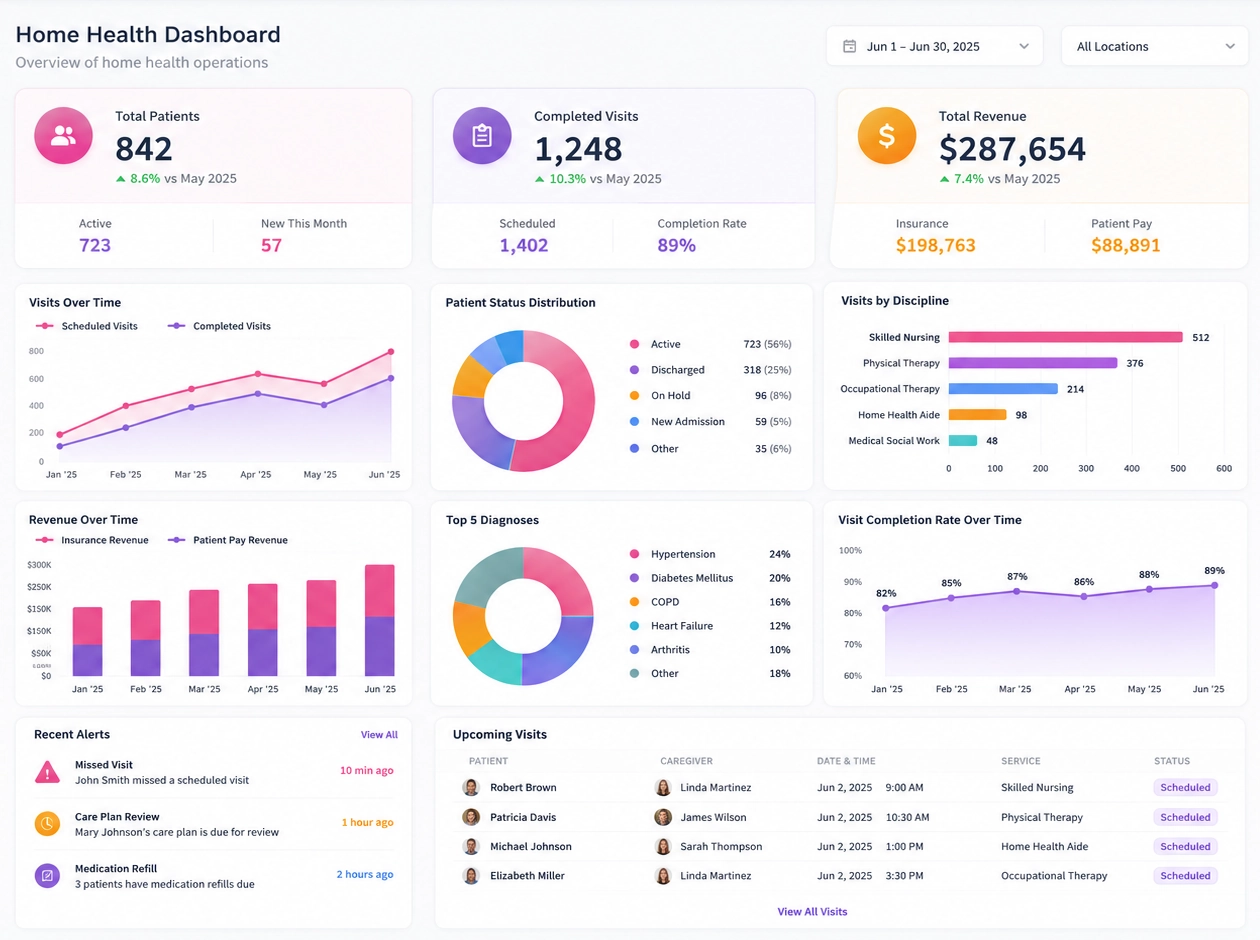
Tenant Isolation and Security
Strong tenant isolation is essential to prevent data leakage and meet compliance requirements. BI architecture must enforce isolation at multiple layers.
Logical Isolation
- Tenant identifiers: Use a consistent tenant key across tables and services.
- Row-level security: Apply policies that restrict queries to a tenant’s data.
- Semantic layer rules: Encode tenant filters in the BI semantic model.
Access Control
- Authentication: Integrate with tenant-specific identity providers where needed.
- Authorization: Map roles and permissions to tenant scopes.
- API security: Ensure embedded analytics calls include tenant context.
Compliance Considerations
- Data residency: Place tenant data in appropriate regions.
- Auditability: Log access and changes with tenant identifiers.
- Segregation options: Offer higher isolation tiers for regulated tenants.
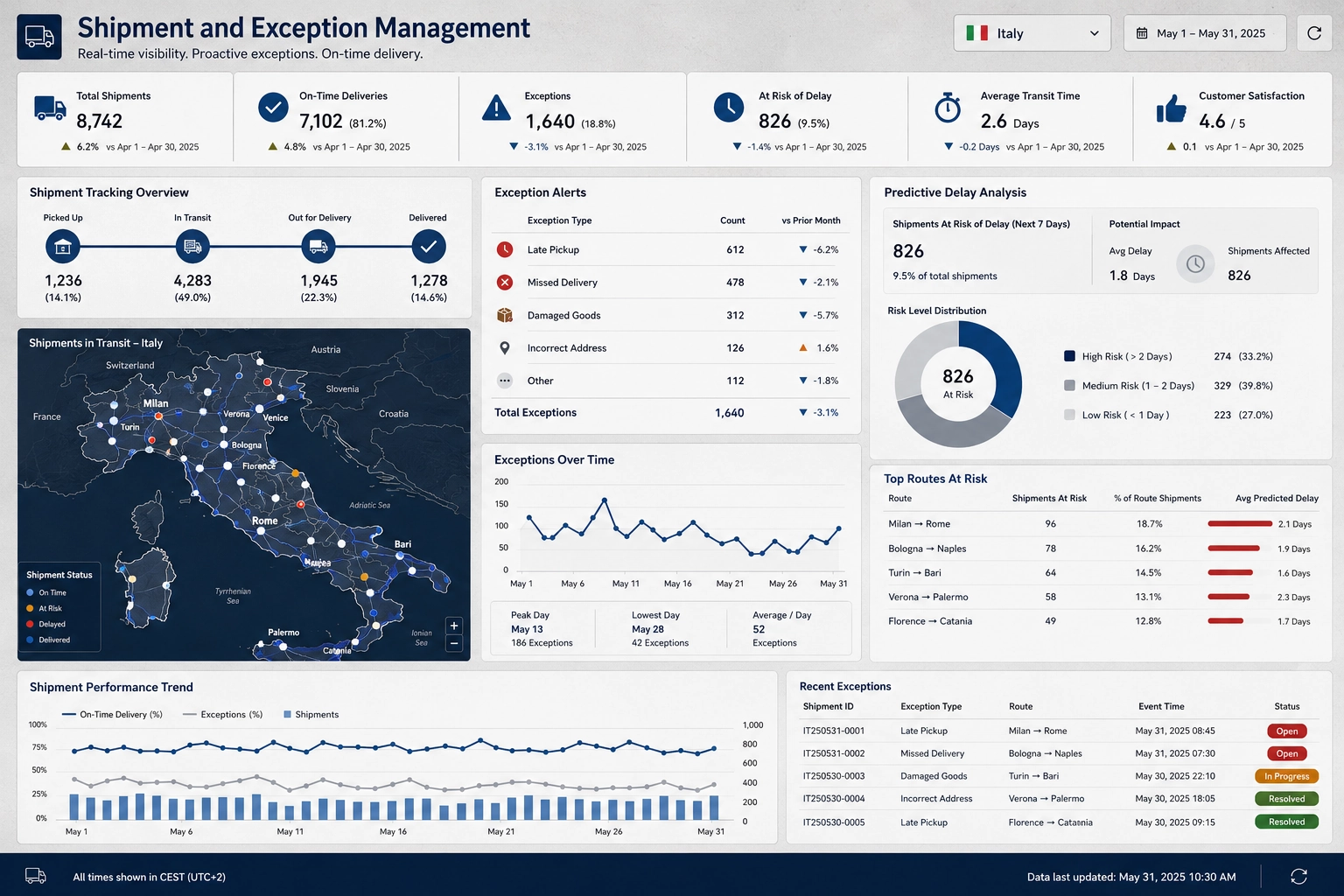
Performance and Resource Management
Multi-tenant BI must handle uneven workloads, where some tenants are much heavier users than others. Architecture should prevent noisy neighbors and maintain predictable performance.
Capacity Planning
- Workload profiling: Understand query patterns and peak usage per tenant.
- Tiered resources: Assign different resource tiers to different tenant plans.
- Scaling strategies: Use horizontal scaling and partitioning where possible.
Query and Cache Optimization
- Shared caches: Cache common queries while respecting tenant boundaries.
- Indexing and partitioning: Optimize tables for multi-tenant access patterns.
- Timeouts and limits: Protect the platform from runaway queries.
Isolation of Heavy Tenants
- Dedicated resources: Move very large tenants to separate databases or clusters.
- Rate limiting: Control concurrency and query volume per tenant.
- Performance SLAs: Align resource allocation with contractual commitments.
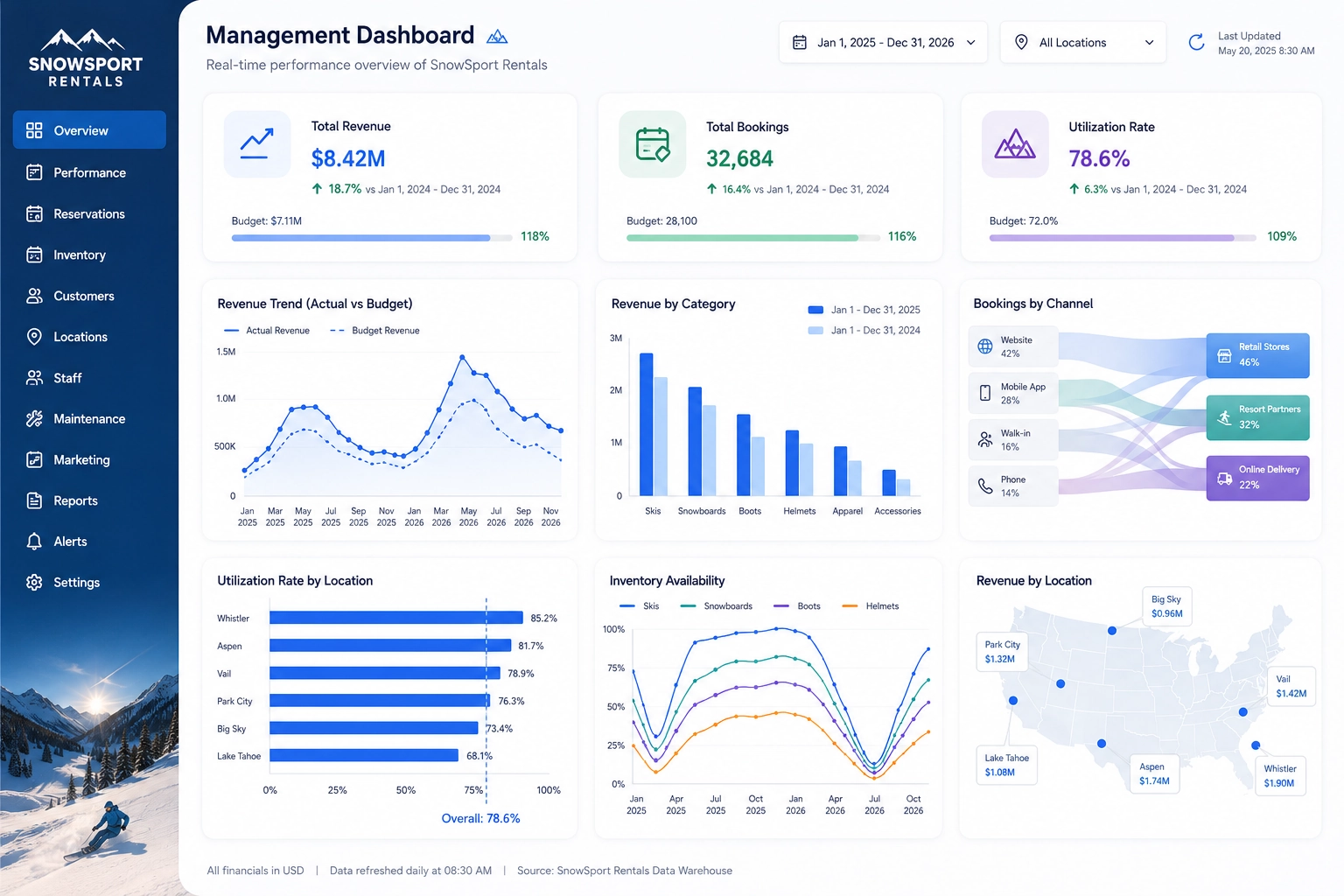
Governance and Configuration Management
Governance ensures that multi-tenant BI remains manageable as the number of tenants and configurations grows.
- Tenant metadata: Maintain a registry of tenants, plans, regions, and data models.
- Configuration templates: Standardize dashboard and dataset patterns per tenant tier.
- KPI and semantic governance: Keep definitions consistent while allowing tenant-specific extensions.
- Change management: Roll out schema and model changes safely across tenants.
Embedded Analytics in Multi-tenant Environments
Many multi-tenant BI architectures power embedded analytics inside SaaS applications. The host application and BI platform must coordinate tenant context and security.
- Context propagation: Pass tenant and user identity from the application to BI.
- Per-tenant branding and configuration: Customize dashboards and themes per tenant.
- API-driven provisioning: Automate creation of tenant workspaces, datasets, and dashboards.
Operational Practices for Multi-tenant BI
Running multi-tenant BI is an ongoing operational effort. Monitoring, automation, and support processes are critical.
- Monitoring by tenant: Track performance, errors, and usage per tenant.
- Automated onboarding and offboarding: Provision and deprovision tenants consistently.
- Incident response: Diagnose issues without exposing other tenants’ data.
- Continuous improvement: Refine models, isolation strategies, and resource tiers over time.
By combining thoughtful data modeling, strong isolation, careful performance management, and disciplined governance, organizations can build multi-tenant BI architecture that scales securely and delivers high-quality analytics experiences to every tenant.