Designing Reliable Operational Reporting Pipelines for Daily Decision-Making
Operational reporting pipelines are the backbone of day-to-day decision-making. They move data from source systems into dashboards and reports that frontline teams use to act quickly and confidently. To be reliable, these pipelines must deliver accurate, timely, and consistent data with predictable refresh cycles and clear ownership.
This article explains how enterprises design operational reporting pipelines that support daily decisions, focusing on architecture, data flows, governance, and monitoring.

Defining Operational Reporting Requirements
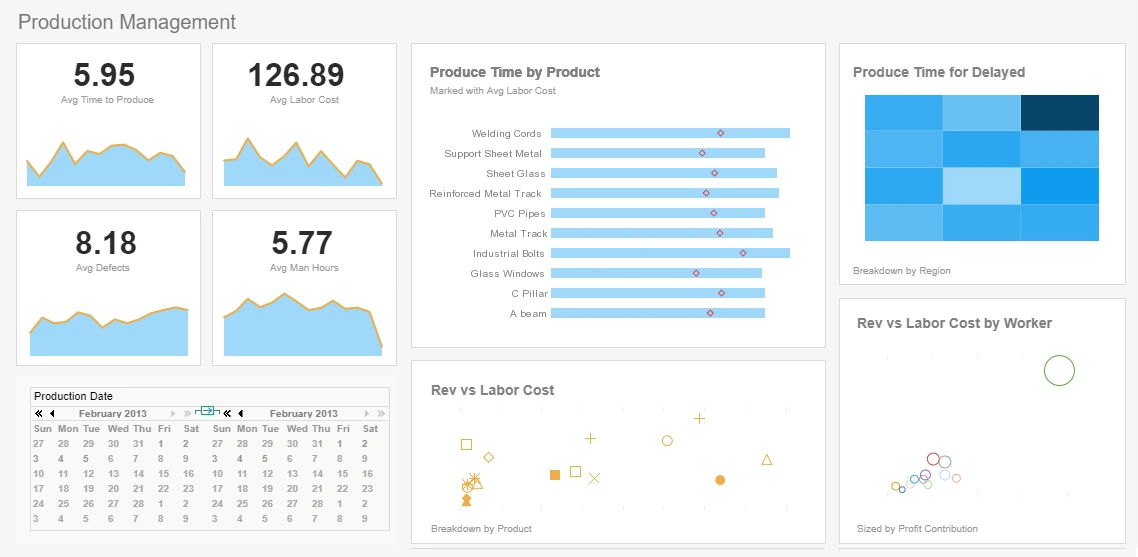
Before designing pipelines, enterprises clarify what “operational” means in their context. Operational reporting typically supports near-real-time or daily decisions in areas such as sales, inventory, customer service, and production.
- Decision frequency: Hourly, daily, or shift-based decisions.
- Data freshness: Required latency from source to report.
- Critical metrics: KPIs that must be accurate every day.
- Users and roles: Who consumes the reports and how they use them.
Clear requirements guide pipeline design choices around refresh schedules, data granularity, and resilience.
Core Architecture of Operational Reporting Pipelines
Reliable operational pipelines follow a structured flow from source systems to consumption layers. While architectures vary, most enterprises use a pattern that includes ingestion, staging, transformation, and presentation.
Typical Pipeline Stages
- Source systems: ERP, CRM, POS, and custom applications.
- Ingestion: Batch or streaming extraction processes.
- Staging: Temporary landing zones for raw data.
- Transformation: ETL or ELT processes that clean and join data.
- Presentation: Data marts, semantic layers, and dashboards.
Design Principles
- Separation of concerns: Keep ingestion, transformation, and presentation distinct.
- Standardized interfaces: Use consistent schemas and APIs.
- Scalability: Support growing data volumes and user counts.
- Resilience: Ensure pipelines recover gracefully from failures.
Data Refresh and Scheduling Strategies
Daily decision-making depends on predictable data refreshes. Enterprises design schedules that balance freshness, system load, and operational constraints.
Refresh Patterns
- Daily batch: Overnight or early-morning loads.
- Intraday updates: Scheduled refreshes every few hours.
- Near-real-time feeds: Streaming or micro-batch ingestion.
- Hybrid approaches: Static data daily, transactional data more frequently.
Scheduling Best Practices
- Align with business cycles: Time refreshes around shifts or cutoffs.
- Avoid peak load: Schedule heavy jobs during low-traffic periods.
- Define SLAs: Document expected availability times.
- Communicate windows: Make refresh schedules visible to users.
Data Quality and Governance in Operational Pipelines
Reliability depends on more than timing; data must be accurate, consistent, and trusted. Enterprises embed data quality checks and governance controls directly into operational pipelines.
Data Quality Controls
- Validation rules: Check for missing or invalid values.
- Reconciliation: Compare pipeline outputs to source totals.
- Error handling: Route problematic records to exception queues.
- Standardized transformations: Apply consistent business rules.
Governance Practices
- Ownership: Assign responsibility for each pipeline.
- Access control: Enforce role-based permissions.
- Documentation: Maintain KPI and refresh definitions.
- Change management: Review and approve pipeline updates.
Designing Dashboards and Reports for Daily Use
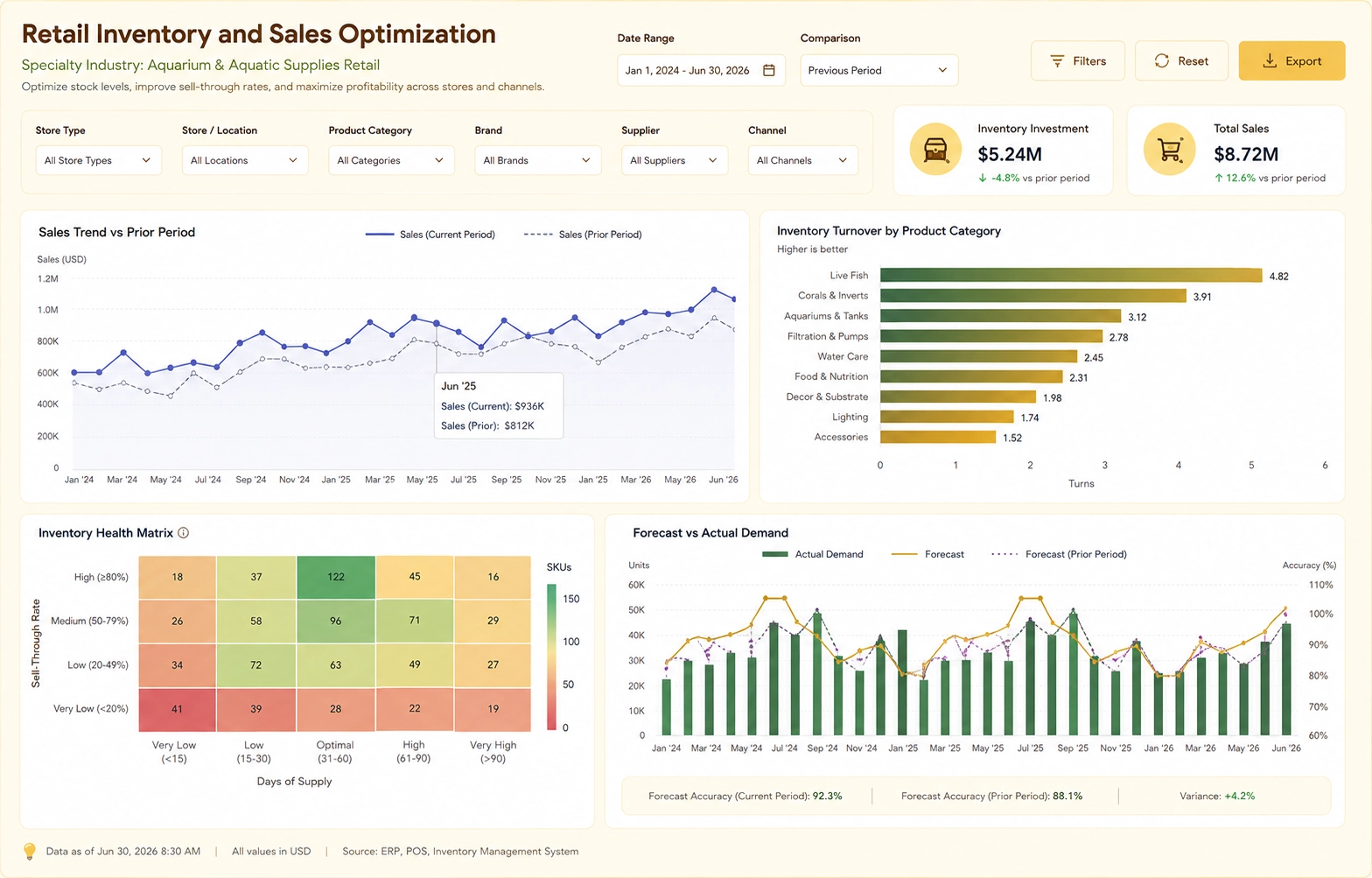
Operational pipelines ultimately feed dashboards and reports that frontline teams use every day. Design choices in the presentation layer affect how well those pipelines support decisions.
Operational Dashboard Design
- Focus on action: Highlight metrics that drive decisions.
- Limit complexity: Keep layouts simple and clear.
- Use thresholds: Show targets and alerts for quick interpretation.
- Provide drilldowns: Allow deeper investigation when needed.
Report Distribution
- Scheduled delivery: Email or portal-based reports.
- Self-service access: Role-based dashboard access.
- Mobile formats: Ensure usability on field devices.
- Version control: Keep report versions consistent.
Monitoring and Improving Operational Pipelines
Reliable pipelines require continuous monitoring and iteration. Enterprises treat operational reporting as an ongoing service, not a one-time project.
- Pipeline health monitoring: Track job success and duration.
- Data freshness metrics: Measure latency from source to report.
- User feedback loops: Gather input from operational teams.
- Continuous improvement: Adjust schedules and transformations as needed.
By combining clear requirements, robust architecture, disciplined scheduling, strong governance, and ongoing monitoring, enterprises design operational reporting pipelines that reliably support daily decision-making across the organization.