Embedded Data Intelligence Solutions
Below is the continuation of the transcript of a Webinar hosted by InetSoft on the topic of the Power of Data with Embedded Analytics Tools. The presenter is Abhishek Gupta, Chief Data Scientist at InetSoft.
There is a lot of demand growing for data intelligence being embedded inside processes, applications, solutions, Cloud services and devices. Obviously we've been talking about embedded for quite some time, forever really, but we're seeing these things changing how demand is looking.
There is increased demand for data intensive applications. Setting aside just those kind of movements towards embedding intelligence in things, just to have from a user perspective that we get more users interact with more data, and they're more dependent on data insights.
Because certainly as we begin to democratize business intelligence and analytics, and have more users involved in it, particularly non-technical users, managers and personnel, including frontline personnel who are not versed in how to access data and so forth and don't really have the time to do all the training and develop the skills to do it.
This is becoming an issue in organizations. It's stressing the platforms. It's a stress on traditional systems that demand more of a standalone environment that requires a lot of training and expertise in using data. Then as I mentioned, I think in the earlier slides, speed is a competitive advantage. Organizations want to be able to close the gap between the creation of the data and its availability for analysis and visualization.
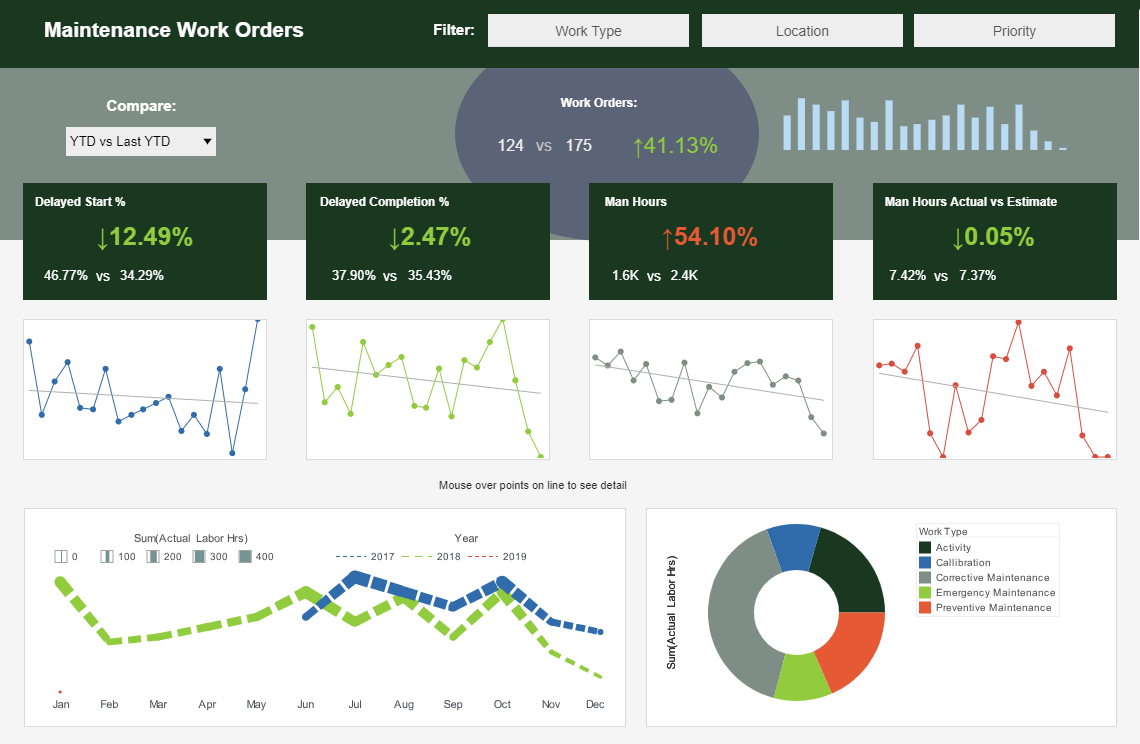

Data-Intensive Applications and User Expectations
This is becoming business critical and particularly when you think of the kinds of users in terms of in operations, working with customers and working with web applications that are depending on data insights, and they're in a competitive environment. It's very important for them to receive that data or receive notice of data events much sooner than many traditional architectures can support, and that's an issue.
By the time users can view the data in dashboards and be able to analyze the data, it's often too late to really have the maximum effect, and that's what we're really talking about here is maximizing the power with embedded analytics. Some of the top drivers that we see, and I think when we think about the types of users that are becoming part of the whole spectrum of users and organizations that are working with data and working with analytics, immediately it goes to the top as operational.

Operational Users and Data-Driven Decision Making
Users in different operations throughout organizations, different business functions, subsidiaries around the globe that are now being asked to be more data-driven in their decision making and be able to use data effectively to determine how they can make business processes more efficient. How, for example, customer interactions maybe, could be more effective, business partner interactions, and so 74% of those that are researchers make that the top priority for their BI and analytics investment.
Again, there is a great opportunity, as I'll be talking about, I'm probably getting ahead of myself, for embedded analytics in operations to improve operational efficiency and effectiveness. Again, tightening it is much better than the kind of looser arrangement that most organizations are working with. Performance Management KPIs metrics, that's often a way that organizations try to communicate objectives to operational users or other kinds of users around the organization using key performance indicators and other types of metrics to understand business performance where they are now if they are where they expect it to be.

Improving Operational Efficiency
What they could do to be better? This is key information for improving operational efficiency and effectiveness. Again, in many organizations, this is supported by a standalone system where they have to move away from their business application environment and have to deal with the BI platform separately or some sort of a dashboard system separately, or if dashboards are embedded there, they don't carry all the KPIs or other metrics that they're looking for.
We see here that this is a top priority as well, in 50% of organizations. This is very close is reducing cost and improving profitability, which is often the key focus in many kinds of parts of organizations in operations, and really throughout organizations everyone's asked to do both those things, reduce costs and improve profitability. The better information they get, the more timely information, decision makers can get there the better it's going to be.
As embedded data intelligence becomes a core expectation in modern software platforms, development teams are increasingly prioritizing architectures that allow analytics to be delivered contextually rather than as standalone dashboards. This shift reflects a broader industry trend: users no longer want to leave their operational workflows to interpret data. Instead, they expect insights to appear exactly where decisions are made. By integrating InetSoft’s embedded analytics engine directly into application interfaces, product teams can surface KPIs, alerts, and visualizations inline, reducing cognitive load and accelerating user adoption.

Tailoring Insights to Personas
A major advantage of embedded intelligence is the ability to tailor insights to specific personas within the application. Field technicians, supervisors, analysts, and executives all require different levels of detail and different visual formats. Developers can use InetSoft’s flexible component library to deliver role‑aware visualizations—such as compact KPI tiles for mobile users, drillable charts for analysts, and exception‑based alerts for operational staff. This personalization ensures that each user receives the right level of analytical depth without overwhelming the interface or introducing unnecessary complexity.
Another important dimension is the integration of predictive and prescriptive analytics into embedded workflows. Traditional BI focuses on historical reporting, but modern applications increasingly rely on forward‑looking intelligence to guide decisions. Developers can incorporate machine learning outputs—such as risk scores, demand forecasts, or anomaly detections—into InetSoft’s data models, enabling dashboards that highlight not only what has happened but what is likely to happen next. When these predictions are embedded directly into operational screens, users can act on insights immediately rather than waiting for periodic reports.
Scalability also plays a critical role in the success of embedded intelligence solutions. As applications grow to support more users, more tenants, and more data sources, the analytics layer must scale without degrading performance. InetSoft’s architecture supports distributed processing, caching, and elastic resource allocation, allowing developers to maintain responsive dashboards even under heavy load. This is especially valuable for SaaS vendors whose customer bases span multiple industries and usage patterns, requiring analytics that can adapt dynamically to varying workloads.
Finally, embedded intelligence is increasingly tied to automation. Insights alone are valuable, but insights that trigger automated workflows are transformative. Developers can integrate InetSoft’s event‑driven capabilities with application logic to initiate actions such as sending alerts, updating records, or launching approval processes when certain thresholds are met. This closes the loop between analytics and execution, turning the application into a proactive system that not only informs users but also helps drive consistent, data‑aligned outcomes across the organization.