How Maritime Shipping Companies Use Analytics
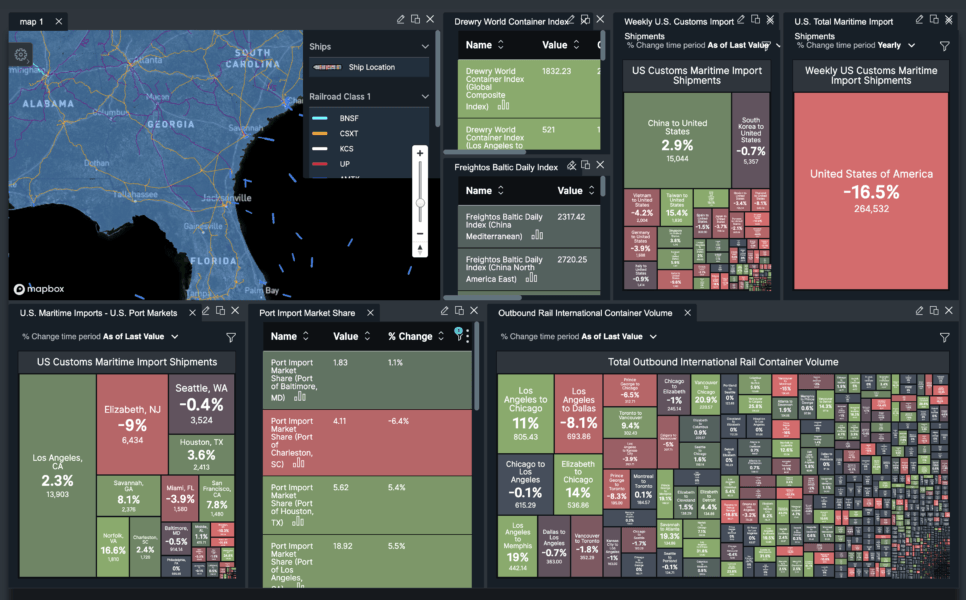
The world depends on maritime shipping now more than ever. The maritime industry is perpetually devising means of bettering their services without hiking costs. The opportunity to invest in innovations like big data to help them achieve optimum performance is great. Meanwhile, the demand for these innovations and solutions increases rapidly among end-users, including commercial shippers.
Maritime shipping companies use analytics or big data in more ways than one, including fraud detection. For instance, when users buy any cryptocurrency on Paybis.com to pay for goods, this solution helps the industry spot potentially fraudulent transactions.
5 Ways Maritime Shipping Companies Use Analytics
Every industry is always looking for the best ways to improve their working conditions and enhance the services they offer. Maritime shipping companies are no exception to this as they continue to find ways to improve their services. The maritime industry uses analytics to make better decisions, spot problems early on, address them and improve general performance. Here are five ways maritime shipping industries use analytics:

1. Detecting Fraud
With analytics, maritime companies are able to depict a potentially fraudulent activity in users' shopping behavior and payment information. For example, a shipping company sets up alerts for multiple payments from one IP address. In addition, maritime companies flag bookings that are unusual to the user as a potentially fraudulent activity.
2. Recovering Invoices
Audit Maritime industries use analytics to detect mistakes on carrier invoices. These are mistakes users would not have seen themselves but can have a lot of effects on them. Mistakes that come from payments can have a shipping company refund incorrect charges without requiring users to do anything – all with the analytics solution.
3. Tracking
Analytics combined with sensors and barcodes makes monitoring and tracking shipments easier. Moreover, big data can help predict arrival information and whether there are delays or issues with shipments. With the right data analytics, tracking the progress of shipping companies becomes easy. When you can track the progress of a company, more informed decisions relating to marketing can be made.

4. Shipment Pricing
Shipping analytics are used in tweaking pricing based on demand and supply. The process involves using prior information for inventory planning and discounts based on trends and timing. This solution is sometimes used to set shipment prices dynamically.
5. Targeted Marketing and Advertising
Maritime industries use the analytics solution's ability to personalize marketing trends when conducting targeted advertising. A company may segment their target audience, send customized and personalized orders, and offer discounts. Furthermore, companies get to use more of their budgets to retain loyal consumers instead of acquiring new customers, which is more expensive.

6. Route Optimization and Fuel Efficiency
Analytics helps maritime operators evaluate historical voyage data, weather patterns, ocean currents, and vessel performance to determine the most fuel-efficient routes. By modeling alternative paths and comparing expected fuel burn, companies can reduce operating costs, minimize emissions, and improve on-time arrival performance.
7. Predictive Maintenance for Vessel Equipment
Sensors on engines, pumps, and critical mechanical systems generate continuous performance data that can be analyzed to detect early signs of wear or failure. Predictive maintenance models alert engineers before breakdowns occur, reducing unplanned downtime, extending equipment life, and lowering repair costs across the fleet.
8. Port Congestion Forecasting
Using real-time AIS data, port throughput statistics, and historical congestion patterns, analytics can forecast delays at major ports. Shipping companies use these insights to adjust schedules, reroute vessels, or communicate more accurate ETAs to customers, improving reliability and reducing demurrage fees.
9. Crew Performance and Safety Monitoring
Analytics platforms can combine training records, incident logs, shift schedules, and onboard sensor data to identify safety risks and performance gaps among crew members. This allows operators to tailor training programs, optimize staffing, and proactively address fatigue-related hazards, improving both safety and operational efficiency.
10. Environmental Compliance and Emissions Tracking
With tightening global regulations such as IMO 2020 and carbon-intensity targets, analytics helps shipping companies monitor emissions, fuel sulfur levels, and environmental impact across voyages. Dashboards highlight non-compliant vessels, model alternative fuel strategies, and support sustainability reporting for regulators and customers.
How Analytics Helps Maritime Shipping Companies
Analytics solutions help maritime shipping companies by looking for patterns within shipments which may help with actionable insights. Data flows unrestricted, may show market trends, and predict activities that can help or disturb operational efficiency. Big data can be used with data for business intelligence to improve and enhance performance. It provides shipping and logistics companies with additional useful insights.

How Blockchain Can Improve Analytics in Maritime Shipping Companies
While blockchain is always equated with cryptocurrencies like Bitcoin or Ethereum, we have come to see in recent times that there is more to the blockchain technology than we know or have explored. However, one thing that we have all agreed on is the transparency and ease of operation the blockchain brings to everything. Now, think of a world where blockchain is introduced and sustained in the maritime industry, amazing right?
The analytics solution combined with blockchain efficiency will make the maritime industry a force to be reckoned with. For example, blockchain can help store users' data, facilitate a shipment's location, and show the status of documents. When all these are combined, the work and organization of activities within the industry are reduced. Plus, it cuts down operational costs and allows focused monitoring.
Border guards and customers already use blockchain to gather information to detect threats, analyze, and tackle them. However, logistics are yet to understand how adopting blockchain in their operations will benefit them. Moreover, some professionals are cautious and worry about the stability and technological maturity of many innovations.
Blockchain in the maritime industry will enhance efficiency, competitiveness, and sustainability like it does for Bitcoin Cash. Moreover, the technology takes care of storing information, reducing the time users spend on documentation. Everything, or at least the paperwork and documents, will become digital, allowing more time for more serious business.
Analytics solutions in the maritime industries offer tremendous opportunities. Successful container shipping companies have applied analytics to their businesses for improved performance. Generally, analytics helps improve industries' margins, lower costs, and grow sales. Analytics' future is yet bright where maritime industries are concerned, especially with the advent of blockchain technology.