InetSoft Webinar: With Big Data Predictive Analytics It's Individualized Decision Making
Below is the continuation of the transcript of a Webinar hosted by InetSoft on the topic of Data Analytics in the Insurance Industry. The presenter is Christopher Wren, principal at TFI Consulting. .
In that particular case while the customer's claim is not being fast tracked, they are happy because they have an understanding of the length of time it will take to process their claims so they're not operating in the dark. Without predictive analytics, essentially it's simple rules based decision making, but it's more of a one size fits all manner of application.
Whereas, with predictive analytics it's individualized decision making, and it's tailored to the behavior of the customer and other related data. The main benefit I guess in this particular instance of applied predictive analytics was the time to resolution. The claim is being resolved in a much shorter time, and the number of contacts required between the customer and the insurance provider has been reduced which leads to an increase in customer satisfaction and lower cost.
I would also like to take a moment to remind you of the ability to use unstructured data to inform decision making. There was a lot of pretext information out there from interactions during phone calls that may be posted in social media. We have essentially seen and conducted analyses of the type of data, and we can see how it can be used to understand what is it these customers are actually saying.

Repeatable and Automated Analytics Process
Also applying an appropriate framework to the study of these type of data ensures that you have an objective and repeatable and automated analytics process. Don't forget that the unstructured data is very valuable also.
Remember we are talking about predictive analytics at the enterprise level. While I have focused here by example on the claims process, you can enjoy many benefits across the organization by adopting predictive analytics across your enterprise. We have focused on predictive analytics during the customer journey within the claims process, but it has been shown that dedicating resources to improve the customer journey within your organization, delivers positive impact across many areas of the business.
Here for example, that transformation has led to improved customer satisfaction. It fueled revenue growth. It increased employee engagement. It lowered cost. So there are multiple impacts across the business. I hope you can see the potential for predictive analytics to help you to achieve your key business objectives. I would like to take a moment to thank you for your time this morning and had it back to Jessica here, and just maybe open the floor for questions.
Jessica: Thank you, Natalie, and thank you, Christopher, and thanks for all the questions that are coming in. I just want to kickoff with some of the questions. The first one is what is the best piece of technology for this type of analytics? Natalie, do you want to take that one?

Best Technology for Predictive Analytics
Natalie: Yeah, sure. I suppose when it comes to technology there are lots of options for people, for organizations. In some ways I think it depends on the appetite for analytics within the organization and what their vision is. It also depends hugely on budgets I guess. Those kinds of things will impact on what technology you might end up using.
I think often what we need to do is to engage with the customer and to understand where they're at in relations to analytics, where they would like to get to, and then what is the appropriate piece of technology to have them achieve that. There's no right answer here I guess. There's not a one size fits all insurance analytics solution. There's a what's right for you essentially.
Jessica: Okay, Christopher, do you have comment about this?
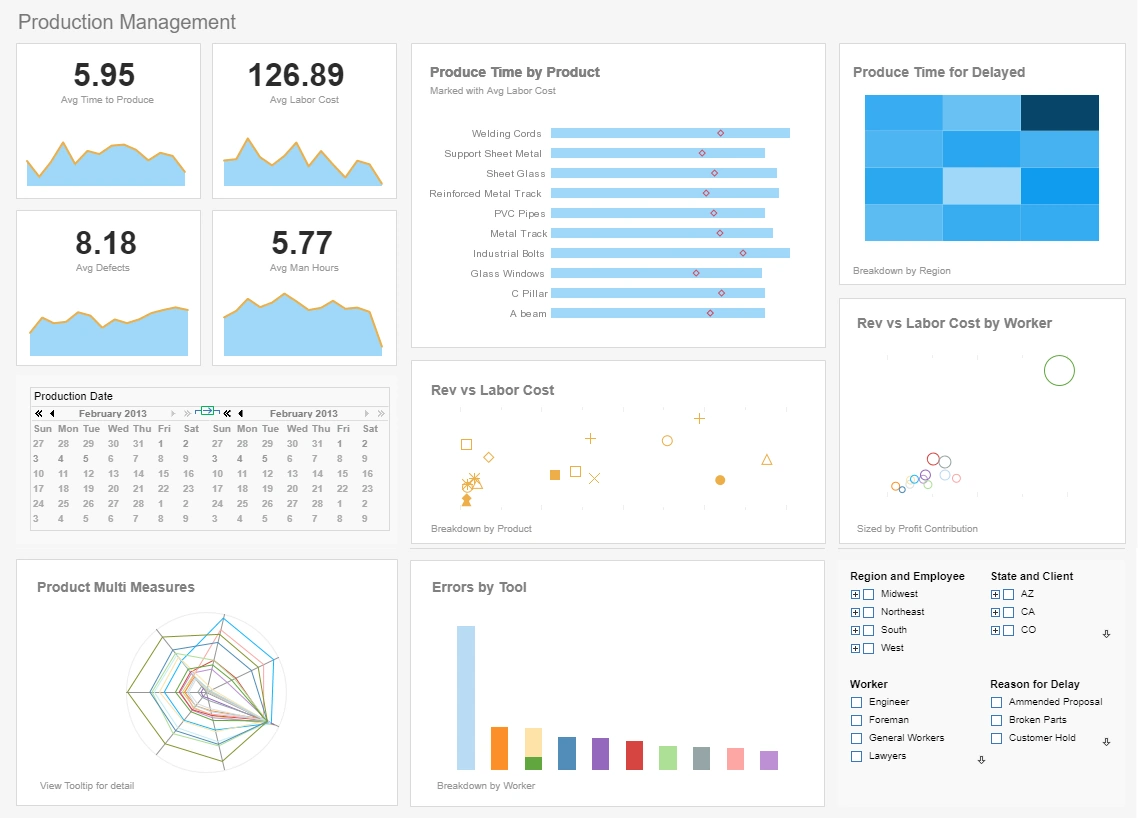
Christopher: Yes, interesting question referring to the word technology. I prefer to think of it in terms of capabilities rather than pieces of technology. I guess the two most exciting ones for me is the improvement in visualization, not everybody wants to see tables or lists.

The Future of Individualized Predictive Analytics
The ideas of being able to translate information into good graphical visualizations I think is a really key thing. I think secondly also the increasing emergence of location intelligence GIS to provide the location component into much of the information which we have built within our organizations and externally. I think that's a very interesting new frontier to be explored.
As organizations deepen their use of individualized predictive analytics, one of the most important capabilities is the ability to continuously refine models based on real-world behavior. Traditional segmentation approaches rely on static groupings, but individualized analytics adapts to each person’s unique patterns over time. This dynamic recalibration ensures that recommendations, risk assessments, and interventions remain relevant even as circumstances change. By learning from every interaction, predictive systems become more accurate and more aligned with the specific needs of each user or customer.
Another key advancement is the shift toward micro-contextual decision-making. Instead of relying solely on historical data, modern predictive platforms incorporate situational signals such as location, timing, device type, and recent activity. These contextual layers allow organizations to tailor decisions with far greater precision, improving outcomes in areas such as customer engagement, healthcare guidance, and operational support. When predictive insights reflect the full context of an individual’s current state, organizations can deliver interventions that feel timely, relevant, and highly personalized.
The Future of Individualized Predictive Analytics
Ethical considerations also play a central role in individualized analytics. As predictions become more granular, organizations must ensure that models operate transparently and avoid unintended bias. This requires clear governance frameworks, explainable model outputs, and ongoing monitoring to detect drift or inequitable outcomes. Enterprise-grade BI platforms support these needs by providing audit trails, controlled data access, and tools for validating model fairness. When ethical safeguards are built into the analytics lifecycle, organizations can confidently scale individualized decision-making without compromising trust.
Operational integration is another defining characteristic of effective individualized analytics. Predictive insights must flow directly into the systems where decisions are made—whether CRM platforms, service applications, or automated workflows. This reduces the gap between insight and action, enabling organizations to respond instantly to emerging patterns. When individualized predictions are embedded within operational processes, they enhance efficiency, improve customer experiences, and support more proactive management across the enterprise.
Finally, the future of individualized predictive analytics lies in combining machine learning with human judgment. While algorithms excel at detecting patterns and forecasting outcomes, human expertise provides context, empathy, and strategic oversight. Modern BI platforms increasingly support this collaboration by offering interactive visualizations, scenario modeling, and guided explanations that help users understand and validate predictive outputs. By blending automated intelligence with human insight, organizations can make individualized decisions that are not only accurate but also aligned with broader organizational goals and values.