Adaptive Dashboards Explained: How Modern BI Tools Personalize Insights Automatically
As organizations generate more data than ever before, dashboards can no longer remain static or even merely responsive. Users expect analytics to adjust to their role, device, context, and moment-to-moment needs.
This is where adaptive dashboards come in—an evolution of business intelligence that automatically personalizes insights without requiring manual configuration. Adaptive dashboards represent a shift from one-size-fits-all reporting to dynamic, context-aware experiences that deliver the right information to the right person at the right time.
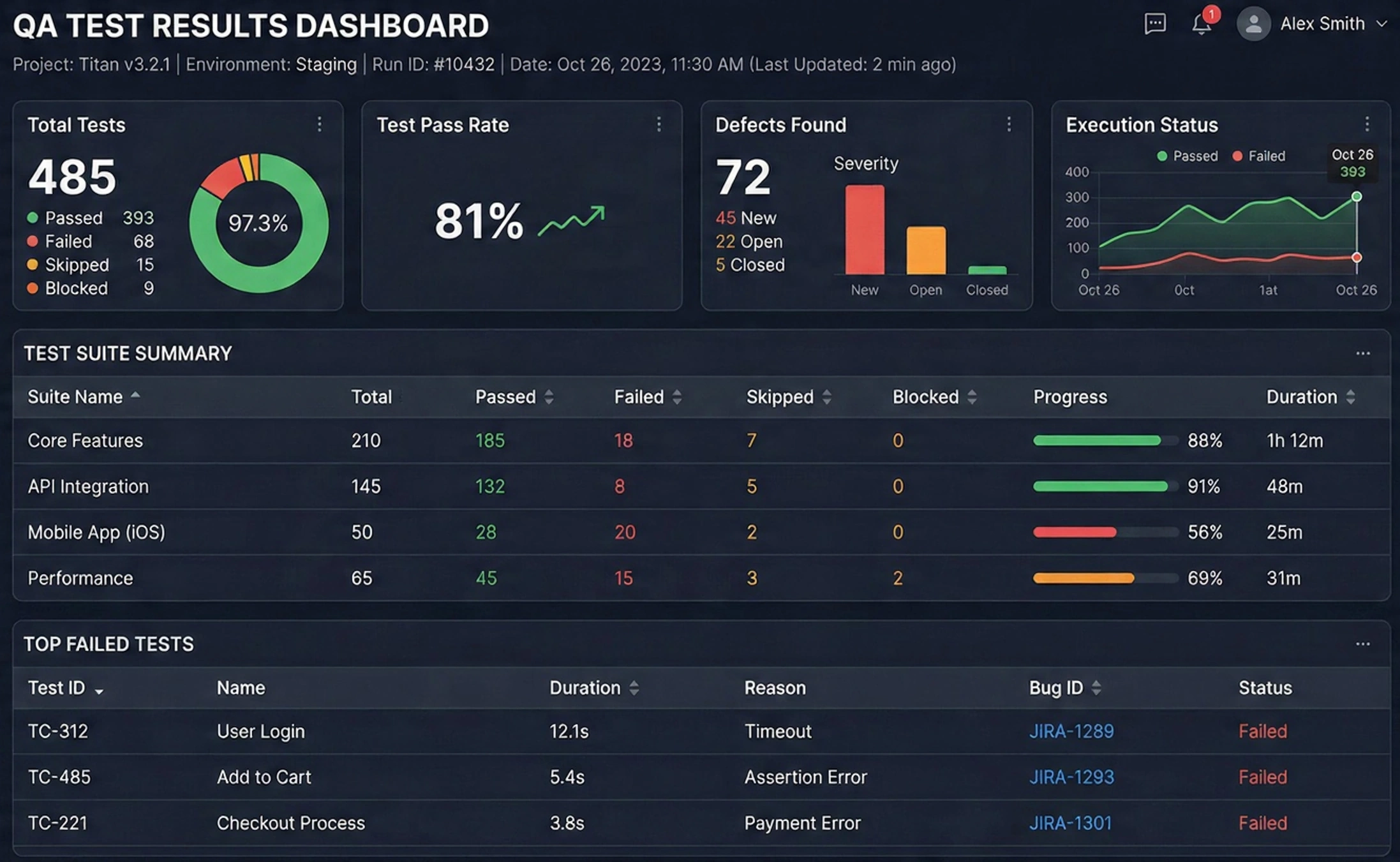

What Are Adaptive Dashboards?
Adaptive dashboards are analytics interfaces that automatically adjust their layout, content, and behavior based on user context. Unlike responsive dashboards, which simply resize for different screens, adaptive dashboards change what they show and how they show it. They use rules, metadata, and sometimes machine learning to tailor the experience to each user’s role, preferences, device, and workflow.
This adaptability makes dashboards more intuitive, more efficient, and more aligned with real-world decision-making.
How Adaptive Dashboards Work
Adaptive dashboards rely on a combination of user metadata, behavioral patterns, device characteristics, and contextual triggers. These inputs allow the dashboard to automatically determine which metrics matter most in a given moment. The result is a personalized experience that feels intelligent rather than generic.
User Role And Permissions
One of the most common adaptive behaviors is role-based content. Executives may see high-level KPIs, while analysts see detailed breakdowns. Operations teams may see real-time alerts, while finance teams see monthly trends. The dashboard adapts its content based on who is logged in.

Device And Screen Size
Adaptive dashboards go beyond simple resizing. They may collapse complex charts into summaries on mobile, reorder tiles for vertical scrolling, or hide non-essential elements to reduce cognitive load. The goal is to preserve meaning, not just layout.
Data Conditions And Thresholds
When data crosses a threshold—such as a spike in demand or a drop in performance—the dashboard can automatically highlight the change, surface relevant comparisons, or expand the affected metric. This makes the dashboard feel alive and responsive to real-world conditions.
User Behavior And Interaction Patterns
Some adaptive dashboards learn from user behavior. If a user frequently drills into a specific metric, the dashboard may promote that metric to a more prominent position. If certain filters are used repeatedly, they may appear pre-selected or pinned for convenience.
Key Benefits Of Adaptive Dashboards
Faster Decision-Making
By surfacing the most relevant insights automatically, adaptive dashboards reduce the time users spend searching for information. This is especially valuable in fast-moving environments such as operations, logistics, and customer support.

Reduced Cognitive Load
Users no longer need to interpret large volumes of data at once. Adaptive dashboards simplify the experience by presenting only what matters in the current context, making analytics more accessible to non-technical users.
Personalized User Experience
Each user receives a dashboard tailored to their role, preferences, and workflow. This personalization increases engagement and ensures that insights are aligned with individual responsibilities.
Improved Mobile And Embedded Usability
Adaptive dashboards excel in environments where screen size or application context varies. Whether embedded in a CRM or viewed on a phone, the dashboard adjusts intelligently to maintain clarity and usability.
Common Adaptive Dashboard Patterns
Role-Based Views
Different users see different metrics, layouts, or levels of detail based on their responsibilities. This ensures that each user receives information that is relevant and actionable.
Context-Aware Alerts
Alerts appear only when necessary, often accompanied by automatically generated context such as historical comparisons or related KPIs.

Dynamic Layout Reflow
The dashboard rearranges itself based on screen size, orientation, or available space. This is especially useful for mobile and embedded analytics.
Data-Driven Highlighting
When anomalies or trends emerge, the dashboard automatically emphasizes them through color, size, or placement. This helps users focus on what matters most.
Real-World Use Cases
Executive Leadership
Executives receive a simplified, high-level view that expands into detail only when necessary. Adaptive dashboards help them stay focused on key performance indicators without being overwhelmed by operational noise.
Operations And Monitoring
Operations teams benefit from dashboards that highlight real-time changes, reorder priorities, and surface anomalies automatically. This supports rapid response and continuous improvement.
Sales And Customer Success
Sales teams may see personalized pipelines, while customer success teams see account health scores that adapt based on recent activity or risk indicators.

Embedded Analytics In SaaS Products
Adaptive dashboards blend seamlessly into host applications, adjusting to user roles, subscription tiers, or workflow states. This creates a more integrated and intuitive experience.
The Future Of Adaptive Dashboards
As AI continues to advance, adaptive dashboards will become even more intelligent. Future dashboards may predict which insights a user will need before they ask, automatically generate explanations, or adjust their structure based on organizational goals. The shift toward adaptive analytics represents a broader movement toward personalized, context-aware decision support.
Marking a Major Evolution
Adaptive dashboards mark a major evolution in business intelligence. By personalizing insights automatically, they reduce cognitive load, accelerate decision-making, and create a more intuitive analytics experience. As organizations demand more agility and personalization, adaptive dashboards will become a defining feature of modern BI platforms.