Ad Hoc vs. Scheduled Reports: When to Use Each + Real-World Examples
In business intelligence, not all reports serve the same purpose.
Understanding the difference between Ad Hoc Reports and Scheduled Reports helps teams choose the right approach and save time.

What is an Ad Hoc Report?
An ad hoc report is a custom, one-time report created on demand to answer a specific business question. It is usually built quickly by business users without waiting for IT.
What is a Scheduled Report?
A scheduled (or canned) report is a pre-defined, recurring report that runs automatically on a set schedule (daily, weekly, monthly, etc.) and is often distributed via email or dashboard.
Ad Hoc vs Scheduled Reports – Quick Comparison
When to Use Ad Hoc Reports
- Investigating a sudden drop in sales last week
- Analyzing the impact of a new marketing campaign
- Checking why customer churn increased in a specific region
- Preparing for an unexpected executive meeting
- Exploring data to discover new insights
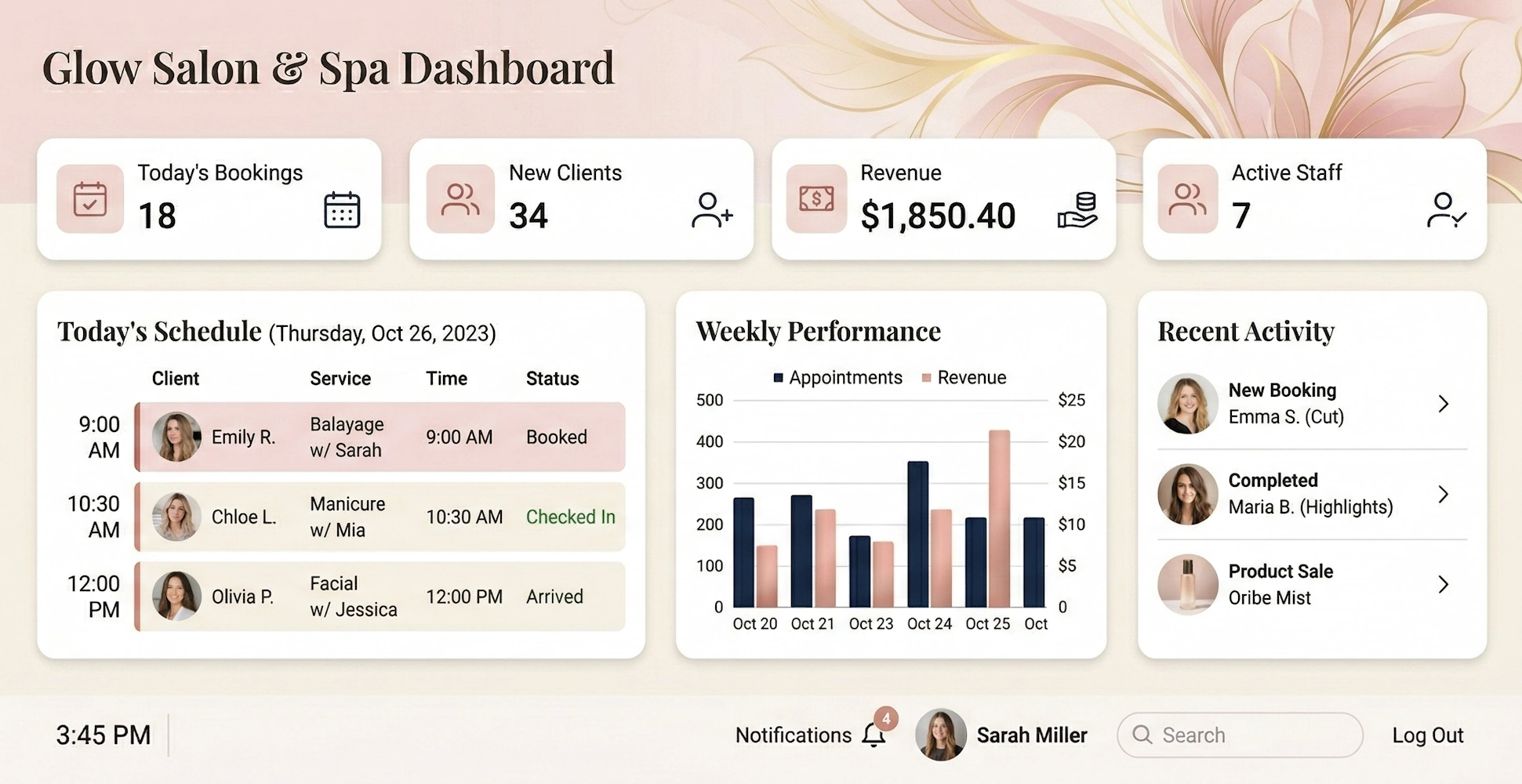
The marketing team notices a spike in website traffic. They quickly create an ad hoc report in Power BI to see which channels drove the traffic, what devices were used, and which pages had the highest bounce rate. This helps them react immediately.
When to Use Scheduled Reports
- Monthly sales performance dashboard
- Weekly inventory status report
- Daily KPI summary sent to leadership
- Quarterly financial summary
Finance receives a scheduled monthly report every 5th of the month showing revenue, expenses, and profit margins across all departments. This report is automated and requires no manual work each month.
Best Practice Tip
Many organizations start with an ad hoc report to explore a question. If the same report is needed repeatedly, they convert it into a scheduled report or add it to a live dashboard.
Would you like a step-by-step guide on how to create an effective ad hoc report in Power BI, Tableau, or Excel?
What Kinds of Users Can Create Reports with the Wizard Tool?
The goal of report wizard tools is to democratize the reporting process, making it accessible to a broader range of users. These tools often abstract technical complexities, enabling users with varying levels of technical expertise to harness the power of data and generate meaningful reports for decision-making purposes.
- Non-Technical Users:
- A report wizard is often designed to be user-friendly and intuitive, allowing individuals without extensive technical or programming skills to generate reports. This empowers business users to create reports tailored to their specific needs.
- Business Analysts:
- Professionals with a deeper understanding of business processes and data analysis may use report wizard tools to quickly generate reports without relying on IT or technical support. This enhances their agility in extracting insights from data.
- Managers and Executives:
- Decision-makers at various levels within an organization may use report wizards to create ad-hoc reports for quick decision-making. This allows them to have timely access to relevant information without depending on dedicated reporting teams.
- Data Analysts:
- While more technically inclined, data analysts may still find report wizards useful for rapidly creating basic reports or prototypes. This allows them to focus on more complex analysis tasks rather than spending time on routine reporting.
- Small Business Owners:
- In smaller organizations with limited IT resources, business owners or managers may leverage report wizards to independently create reports without the need for specialized technical skills.
- Departmental Users:
- Users within specific departments, such as marketing, finance, or human resources, may use report wizards tailored to their domain expertise. This allows them to generate reports relevant to their functional areas.
- End Users:
- In some cases, applications provide report wizards directly to end users, allowing individuals to create personalized reports to meet their specific needs. This promotes self-service and reduces the reliance on dedicated reporting teams.
- Freelancers and Consultants:
- Individuals who work on a project basis or provide consulting services may use report wizards to quickly generate reports for their clients without extensive setup or development efforts.