What Are Dashboarding Elements? A Complete Guide to Building Effective Dashboards
Dashboarding elements form the foundation of every effective business dashboard.
Whether used for executive reporting, operational monitoring, or deep data exploration, dashboards rely on a combination of visual, structural, and interactive components that work together to present information clearly and drive better decisions.
Understanding these elements is essential for anyone designing, evaluating, or improving dashboards.
This guide breaks down the core dashboarding elements, explains how they function together, and highlights best practices for building dashboards that are both insightful and easy to use.

Core Dashboarding Elements
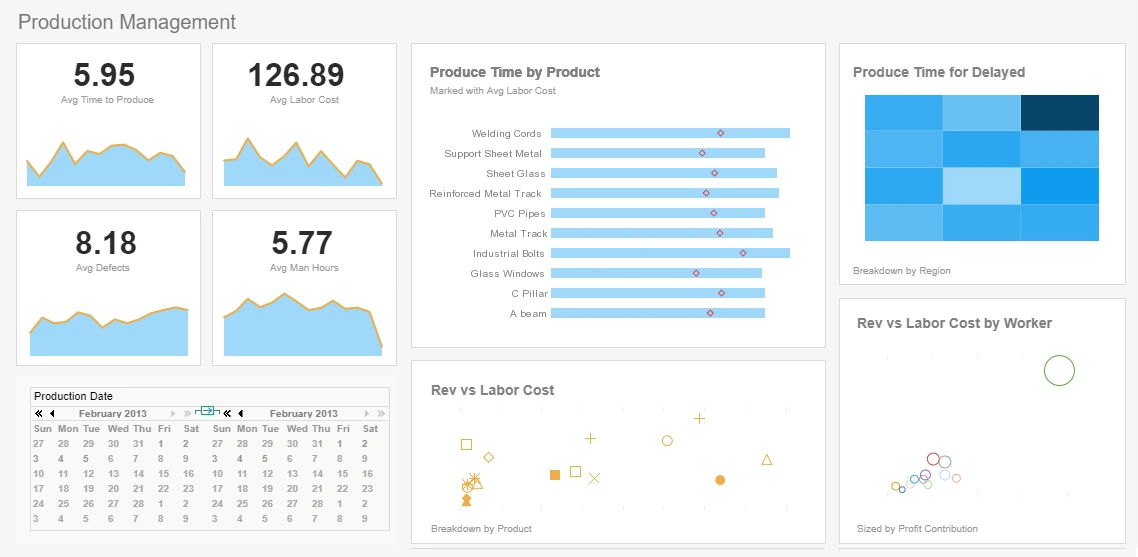
At the heart of every dashboard are a few essential components that define its purpose and usability. These elements are responsible for delivering key insights quickly and effectively.
Key Performance Indicators (KPIs)
KPIs are the most critical elements of any dashboard. They represent the metrics that matter most to a business or department. Examples include revenue, conversion rate, customer retention, and production output.
Effective KPIs share a few characteristics:
- They align with business goals
- They are measurable and clearly defined
- They provide actionable insight
KPIs are often displayed prominently at the top of a dashboard using scorecards or summary tiles. This placement ensures that users can quickly assess performance without needing to dig into detailed data.
Data Visualizations
Visualizations transform raw data into intuitive graphical representations. Common types include bar charts, line charts, tables, and heatmaps. Each serves a different purpose and should be selected based on the type of data being displayed.
For example:
- Line charts are ideal for trends over time
- Bar charts work well for comparisons
- Heatmaps highlight patterns and intensity
- Tables provide detailed, granular data
Choosing the right visualization is one of the most important decisions in dashboard design. Poor choices can obscure insights, while effective ones make patterns immediately obvious.
Filters and Controls
Filters allow users to customize what data they see. This interactivity is essential for dashboards that serve multiple audiences or use cases.
Common filters include:
- Date ranges
- Geographic regions
- Product categories
- Customer segments
Controls such as dropdowns, sliders, and search fields enhance usability by making it easy to refine the view without overwhelming the user.

Layout and Structure
The layout determines how information is organized and consumed. A well-structured dashboard guides the user’s attention from high-level insights to detailed analysis.
Effective layouts typically follow a hierarchy:
- Top: Summary KPIs
- Middle: Trends and comparisons
- Bottom: Detailed data
Spacing, alignment, and grouping all contribute to clarity. A cluttered layout can make even the most valuable data difficult to interpret.
Supporting Dashboard Elements
Beyond the core components, several supporting elements enhance usability and context. These often determine whether a dashboard is merely informative or truly actionable.
Context and Benchmarks
Data without context can be misleading. Benchmarks, targets, and historical comparisons provide the necessary frame of reference.
Examples include:
- Comparing current performance to last month
- Displaying targets alongside actual values
- Highlighting deviations from expected ranges
This context helps users quickly determine whether performance is good, bad, or needs attention.
Annotations and Labels
Annotations explain why something happened, not just what happened. They can highlight anomalies, note external events, or provide additional explanation.
Clear labeling is equally important. Every chart should have descriptive titles, axis labels, and legends to eliminate confusion.
Alerts and Notifications
Alerts notify users when specific conditions are met, such as a KPI falling below a threshold. This transforms dashboards from passive tools into proactive systems.
Alerts can be configured to:
- Trigger on anomalies
- Monitor thresholds
- Send notifications via email or messaging systems
This ensures that important changes do not go unnoticed.
Drill-Down and Exploration
Drill-down capabilities allow users to move from summary data into more detailed views. This is critical for root cause analysis.
For example, a user might click on a revenue KPI to explore performance by region, then by product, and finally by individual transactions.
This layered approach enables both high-level monitoring and deep analysis within the same dashboard.

Design Elements That Improve Usability
Design plays a crucial role in how effectively dashboarding elements communicate information. Even the best data can lose impact if the design is poor.
Color Usage
Color should be used intentionally to guide attention and convey meaning. For example:
- Green for positive performance
- Red for negative performance
- Neutral colors for background elements
Overuse of color can create confusion, so restraint is key.
Visual Hierarchy
Hierarchy determines what users notice first. Larger elements, bold text, and prominent placement draw attention to the most important information.
This ensures that users can quickly grasp key insights without scanning the entire dashboard.
Consistency
Consistency across charts, colors, and layouts improves usability. When similar data is presented in a consistent way, users can interpret it more quickly and accurately.
Inconsistent design forces users to relearn how to read each component, slowing down decision-making.
Data Elements Behind the Scenes
While visual and interactive components are what users see, the underlying data elements are equally important.
Data Sources
Dashboards often pull data from multiple sources such as databases, cloud applications, and spreadsheets. The ability to mash up these sources into a unified view is a key capability.
This ensures that users are working with a complete picture rather than fragmented data.
Data Freshness
Timeliness is critical. Some dashboards require real-time updates, while others may refresh daily or weekly.
Outdated data can lead to poor decisions, so refresh frequency should match the needs of the business.
Data Transformation
Raw data often needs to be cleaned, aggregated, and structured before it can be used effectively. This includes:
- Removing inconsistencies
- Combining datasets
- Calculating derived metrics
Strong data preparation capabilities ensure that dashboarding elements reflect accurate and meaningful information.
How Dashboarding Elements Work Together
The true power of a dashboard comes from how its elements interact. KPIs provide a snapshot, visualizations reveal patterns, filters enable customization, and drill-down features support deeper analysis.
When these elements are well integrated, users can move seamlessly from overview to insight to action. For example, a manager might notice a drop in performance, use filters to isolate the issue, and drill down to identify the root cause.
This flow is what transforms dashboards from static reports into dynamic decision-making tools.
Best Practices for Building Effective Dashboards
To get the most out of dashboarding elements, a few best practices should guide the design process:
- Focus on the audience: Tailor elements to the needs and expertise of the users
- Prioritize clarity: Avoid clutter and unnecessary complexity
- Use the right visuals: Match chart types to the data
- Provide context: Include benchmarks and comparisons
- Enable interactivity: Allow users to explore data on their own
- Ensure data quality: Reliable data is non-negotiable
Following these principles helps ensure that each element contributes to a cohesive and effective dashboard.

Why Dashboarding Elements Matter
Dashboards are often the primary interface between data and decision-making. The elements that make up a dashboard determine how easily users can interpret information and act on it.
Well-designed dashboarding elements reduce cognitive load, highlight what matters most, and enable faster, more confident decisions. Poorly designed elements, on the other hand, can obscure insights and lead to missed opportunities.
As organizations continue to rely on data-driven strategies, the importance of understanding and applying these elements only grows. A thoughtful approach to dashboard design ensures that data is not just accessible, but truly useful.