Understanding Dashboard Output Properties in Modern Dashboarding Software
Dashboarding software has evolved far beyond simple chart builders. Today’s platforms must deliver dashboards that render consistently across devices, export cleanly into multiple formats, embed seamlessly into host applications, and maintain brand fidelity regardless of where or how they appear. These behaviors—collectively known as output properties— determine how a dashboard looks, behaves, and performs at the moment it leaves the design canvas and enters the real world.
For developers, BI teams, and product owners, understanding output properties is essential. They influence user experience, performance, compliance, and even the perceived professionalism of an application. This article explores the full landscape of output properties in modern dashboarding software, breaking down how rendering, exporting, embedding, and governance settings shape the final delivered product.
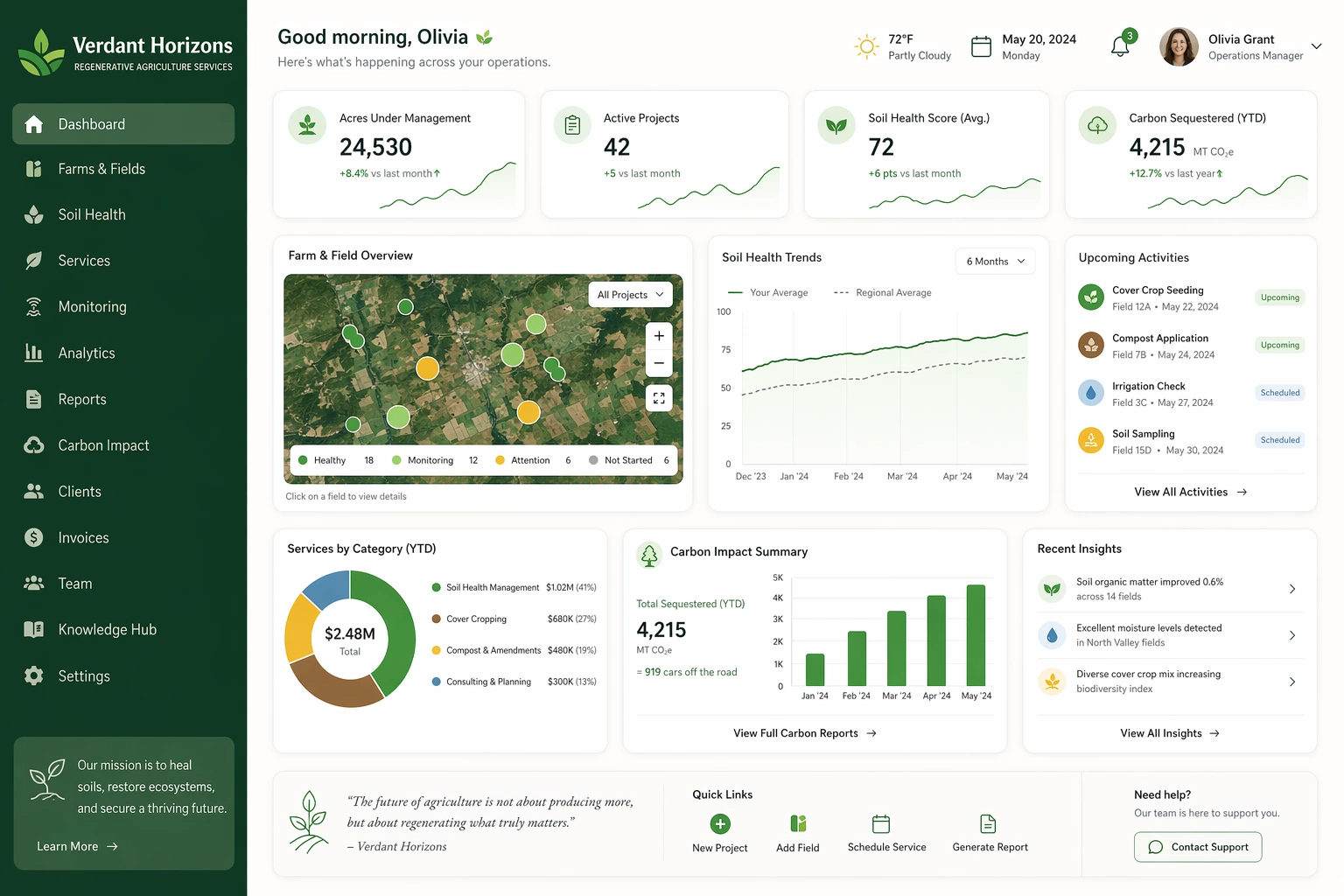

What Output Properties Really Mean
Output properties refer to the rules and behaviors that govern how a dashboard is displayed or exported. While many BI tools focus on design-time features—chart types, data modeling, layout grids—the output layer is where dashboards prove their reliability. A dashboard that looks perfect in the editor but breaks when exported to PDF or viewed on a mobile device is effectively unusable.
Output properties typically include:
- Rendering behavior across devices and screen sizes
- Export settings for PDF, PNG, Excel, and HTML
- Scaling, DPI, and resolution controls
- Branding and theme preservation
- Interactive-to-static translation rules
- Embedding container behavior
- Performance and caching settings
- Governance controls such as watermarking or data masking
Each of these areas affects how end users perceive the dashboard and how reliably it supports decision-making.

Rendering Behavior Across Devices and Containers
One of the most important output properties is rendering behavior— the way a dashboard adapts to different environments. Modern dashboards must support desktops, tablets, phones, kiosks, and embedded frames inside other applications. Each environment introduces constraints that the dashboard must handle gracefully.
Key rendering considerations include:
- Responsive layout rules that determine how components resize or stack
- Viewport scaling to ensure readability on small screens
- Container awareness when embedded in iframes or modular UI components
- High-DPI rendering for retina and 4K displays
A dashboard that renders well on a desktop but becomes unreadable on a phone is failing its output responsibilities. The best dashboarding platforms allow designers to define breakpoints, alternate layouts, or adaptive rules that ensure consistent usability.

Export Properties and Format Controls
Exporting is one of the most scrutinized output behaviors. Whether a dashboard is exported for a board meeting, regulatory filing, or client deliverable, the exported file must preserve clarity, structure, and brand identity.
Common export formats include:
- PDF for print-ready reports
- PNG or JPEG for static images
- Excel for tabular data extraction
- HTML for standalone interactive packages
High-quality dashboarding software provides granular control over export properties such as:
- Page size and orientation (A4, Letter, landscape, portrait)
- DPI and resolution for crisp visuals
- Vector vs. raster output for scalability
- Pagination rules for long dashboards
- Font substitution behavior when custom fonts are unavailable
- Theme and color preservation to maintain brand consistency
These properties ensure that exported dashboards look professional and remain faithful to the original design.

Interactive vs. Static Output Behavior
Dashboards are inherently interactive—users filter, drill down, hover for tooltips, and explore data dynamically. But when exported to static formats, these interactions must be translated into fixed representations.
Output properties determine how:
- Filters are applied before export
- Drill-down states are captured
- Conditional formatting is preserved
- Animations or transitions are removed
- Tooltips are converted into footnotes or annotations
Poorly defined interactive-to-static rules can lead to confusing exports where key context is missing. Strong dashboarding platforms allow designers to specify export states or lock certain interactions before export.
Embedding Output Properties
Embedding dashboards into applications introduces another layer of output complexity. The dashboard must behave correctly inside a host environment that may impose its own styling, navigation, or security rules.
Important embedding-related output properties include:
- Container scaling to fit variable frame sizes
- Cross-origin behavior for secure embedding
- Parameter passing from the host application
- White-labeling to match the host’s brand
- Multi-tenant isolation to ensure users only see their data
Embedding is often where output properties matter most. A dashboard that looks perfect in the BI tool but breaks when embedded into a customer portal undermines the entire analytics experience.

Performance and Output Optimization
Output performance is another critical dimension. Slow-loading dashboards, blurry exports, or timeouts during PDF generation can frustrate users and damage trust.
Performance-related output properties include:
- Caching rules for pre-rendered dashboards
- Async export queues for large reports
- Data windowing to limit export size
- Pre-computed aggregates for faster rendering
- Resource prioritization for high-demand dashboards
These optimizations ensure that dashboards remain responsive and reliable even under heavy load.
Governance and Compliance Output Settings
As dashboards increasingly support regulated industries—finance, healthcare, environmental compliance—output governance becomes essential. Output properties can enforce rules that protect sensitive data and maintain auditability.
Common governance-related output properties include:
- Watermarking for confidential exports
- Export permissions based on user roles
- Data masking for sensitive fields
- Audit logs for export activity
- Version stamping for compliance reporting
These controls ensure that dashboards meet organizational and regulatory requirements without compromising usability.

Why Output Properties Matter More Than Ever
As dashboards become embedded in customer-facing applications, output properties directly influence product quality. A dashboard that exports cleanly, renders consistently, and respects security rules enhances user trust and reduces support overhead. Conversely, weak output behavior can lead to confusion, misinterpretation, and brand inconsistency.
Modern dashboarding software must therefore treat output properties as first-class features—not afterthoughts. The best platforms give designers and developers fine-grained control over rendering, exporting, embedding, and governance, ensuring that dashboards perform reliably in every context.
Real-World Behavior of Dashboards
Output properties define the real-world behavior of dashboards. They determine how dashboards look, feel, and function when delivered to end users across devices, formats, and embedded environments. By understanding and leveraging these properties, organizations can ensure that their dashboards remain clear, consistent, and trustworthy—no matter where they appear.