Manipulating Data Blocks: How Modular Data Structures Power Flexible BI Modeling And Dashboards
Modern business intelligence platforms increasingly rely on modular, reusable data structures to support flexible modeling, faster development, and more dynamic dashboards.
These modular units—often called data blocks—allow teams to shape, combine, and transform data in a controlled and scalable way.
Manipulating data blocks is not just a technical exercise; it is a design strategy that enables cleaner models, better performance, and more maintainable analytics ecosystems.

What Are Data Blocks?
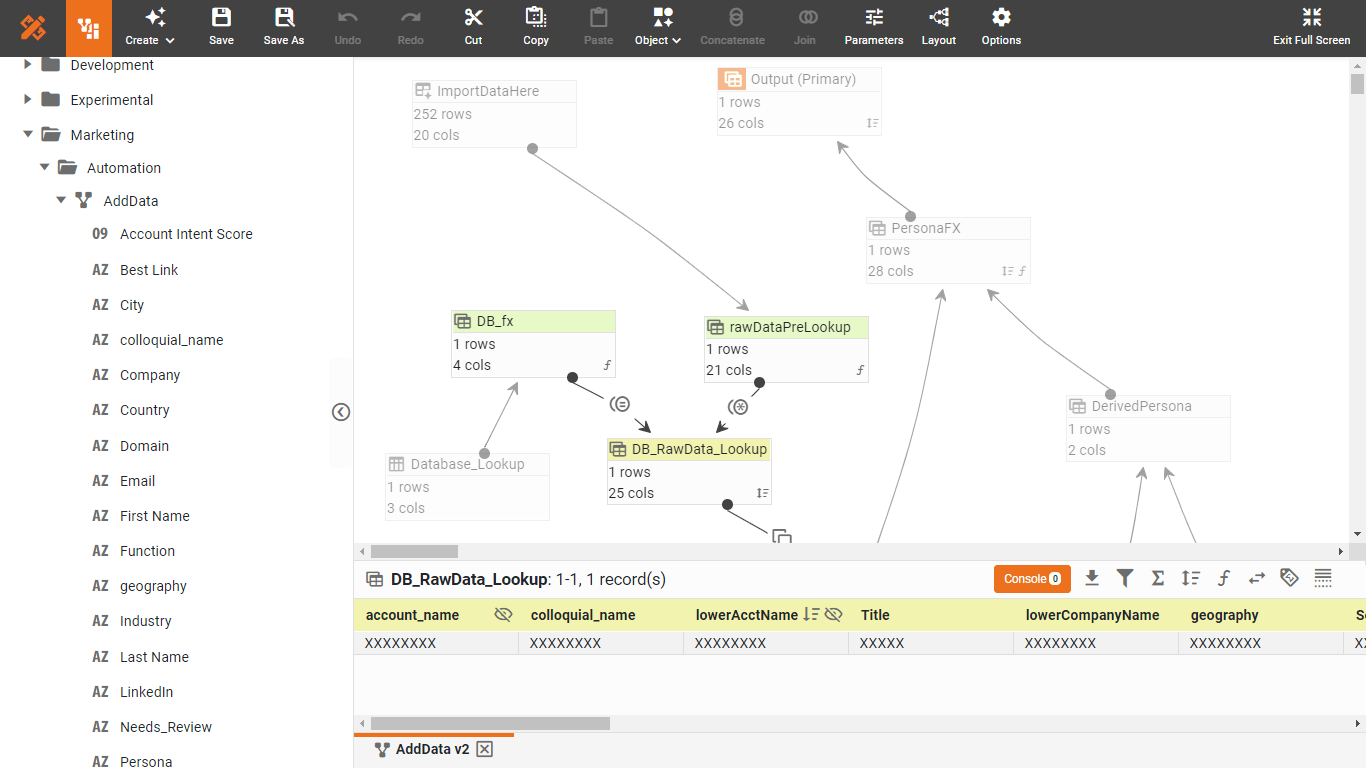
Data blocks are self-contained units of data logic that represent a specific transformation, query, or dataset fragment. Instead of building a single monolithic data pipeline, BI tools break the process into smaller blocks that can be reused, rearranged, or modified independently. These blocks may represent joins, filters, aggregations, calculated fields, or even entire semantic model components.
By treating data as modular pieces, teams gain the ability to adapt quickly to new requirements without rebuilding entire models from scratch.
Why Manipulating Data Blocks Matters
Manipulating data blocks gives BI developers and analysts fine-grained control over how data flows through a dashboard or reporting environment. This modularity supports better governance, reduces duplication, and enables more efficient collaboration across teams.
Improved Reusability
When transformations are encapsulated in data blocks, they can be reused across multiple dashboards, reports, or data models. This reduces redundancy and ensures that business logic remains consistent across the organization.
Faster Iteration
Because data blocks are independent, developers can modify one block without affecting the entire pipeline. This accelerates experimentation and makes it easier to respond to evolving business needs.
Better Performance Optimization
Data blocks allow teams to isolate performance bottlenecks. Instead of tuning a massive query, developers can optimize specific blocks, cache intermediate results, or restructure transformations for efficiency.
Cleaner Semantic Modeling
Modular data blocks help maintain a clear separation between raw data, transformations, and presentation logic. This leads to more transparent models that are easier to audit and maintain.
Common Ways To Manipulate Data Blocks
Combining Blocks
Data blocks can be joined, merged, or unioned to create richer datasets. This is especially useful when blending data from multiple sources or constructing multi-level aggregations.
Splitting Blocks
Large or complex transformations can be broken into smaller blocks to improve readability and maintainability. Splitting blocks also makes it easier to reuse individual components.
Transforming Blocks
Transformations such as filtering, grouping, pivoting, or applying calculated fields can be applied at the block level. This keeps logic modular and easier to debug.
Reordering Blocks
The order of operations can significantly impact performance and output. Reordering blocks allows developers to optimize execution paths or adjust logic to meet new requirements.
Parameterizing Blocks
Some BI tools allow data blocks to accept parameters, enabling dynamic filtering, role-based shaping, or user-driven customization. This makes dashboards more interactive and context-aware.

Use Cases For Data Block Manipulation
Role-Based Data Shaping
Different users may require different levels of detail or different slices of data. Data blocks make it easy to apply role-based filters or transformations without duplicating entire datasets.
Multi-Source Data Blending
When combining data from CRM, ERP, and operational systems, data blocks allow each source to be prepared independently before being merged into a unified model.
Incremental Refresh Strategies
Data blocks can isolate historical data from frequently updated data, enabling efficient incremental refresh patterns that reduce load times and improve performance.
Scenario-Driven Dashboards
Dashboards that support what-if analysis, dynamic comparisons, or conditional logic often rely on manipulating data blocks behind the scenes to generate alternative views or temporary datasets.
Best Practices For Working With Data Blocks
Keep Blocks Small And Focused
Each block should represent a single transformation or logical step. This improves clarity and makes debugging easier.

Document Block Purpose And Dependencies
Clear documentation helps teams understand how blocks relate to each other and prevents accidental misuse or duplication.
Use Naming Conventions
Consistent naming helps developers quickly identify the purpose and function of each block, especially in large models.
Test Blocks Independently
Because blocks are modular, they can be validated individually before being integrated into larger pipelines. This reduces errors and improves reliability.
Maintainable BI Models
Manipulating data blocks is a powerful approach to building flexible, scalable, and maintainable BI models. By treating data transformations as modular components, organizations can accelerate development, improve performance, and create dashboards that adapt more easily to changing business needs. As BI platforms continue to evolve, data block manipulation will remain a foundational technique for modern analytics design.