AI in Business Intelligence Use Cases
Artificial intelligence is reshaping business intelligence by turning static dashboards into proactive, insight-driven decision engines. Instead of manually hunting for patterns, AI surfaces what matters, when it matters, and for whom it matters.
InetSoft’s analytics and dashboard platform is well-positioned to consume AI outputs, visualize them, and deliver them to business users in a familiar, self-service BI experience.
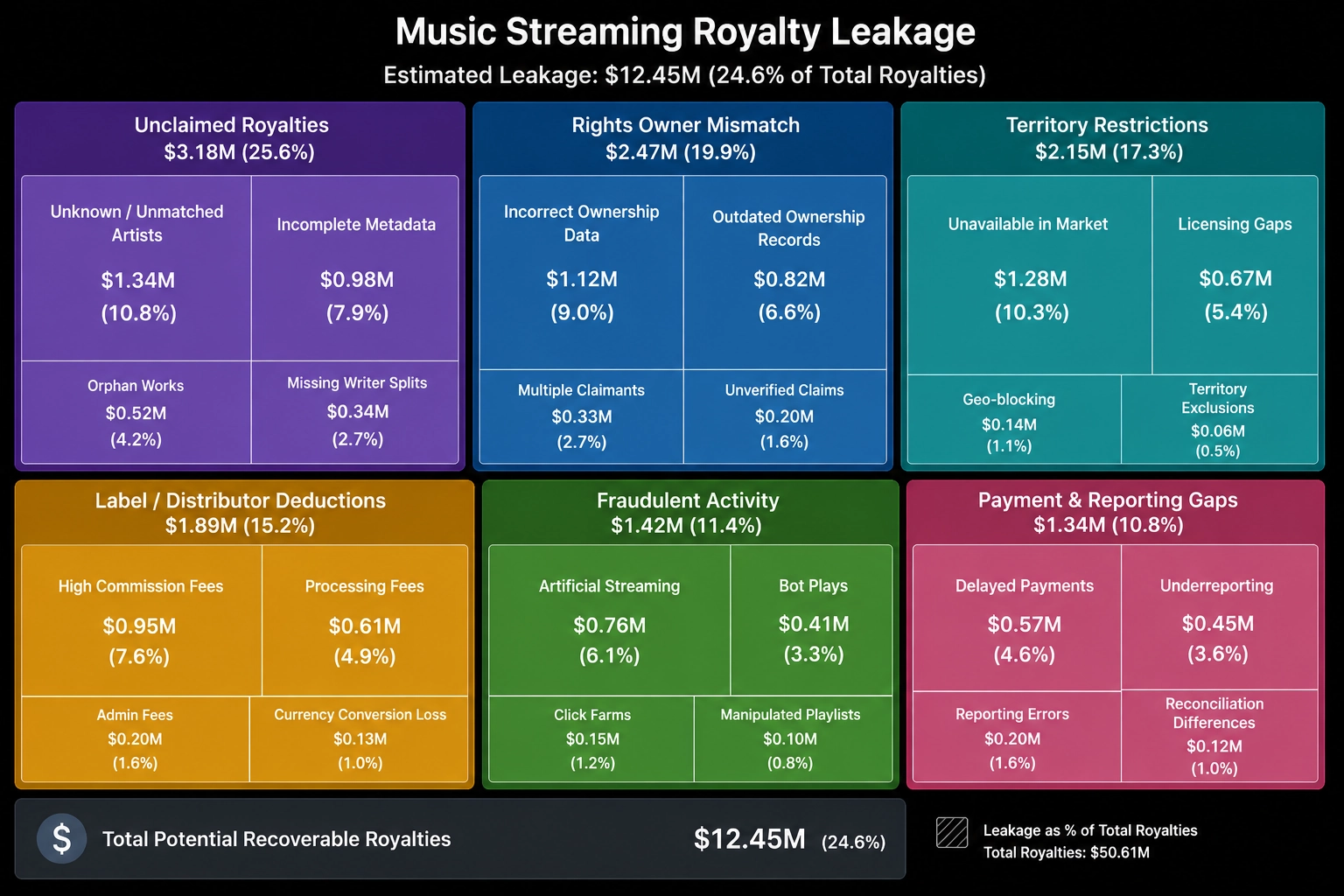

Why AI Matters in Business Intelligence
Traditional BI focuses on descriptive analytics: what happened, where, and how often. AI extends this by answering why it happened and what is likely to happen next. This shift from hindsight to foresight is critical for organizations that need to react quickly to market changes, operational risks, and customer behavior.
When AI is embedded into BI workflows, analysts and business users gain faster access to relevant insights, fewer blind spots, and more confidence in their decisions. InetSoft can act as the visualization and delivery layer for these AI-driven insights.
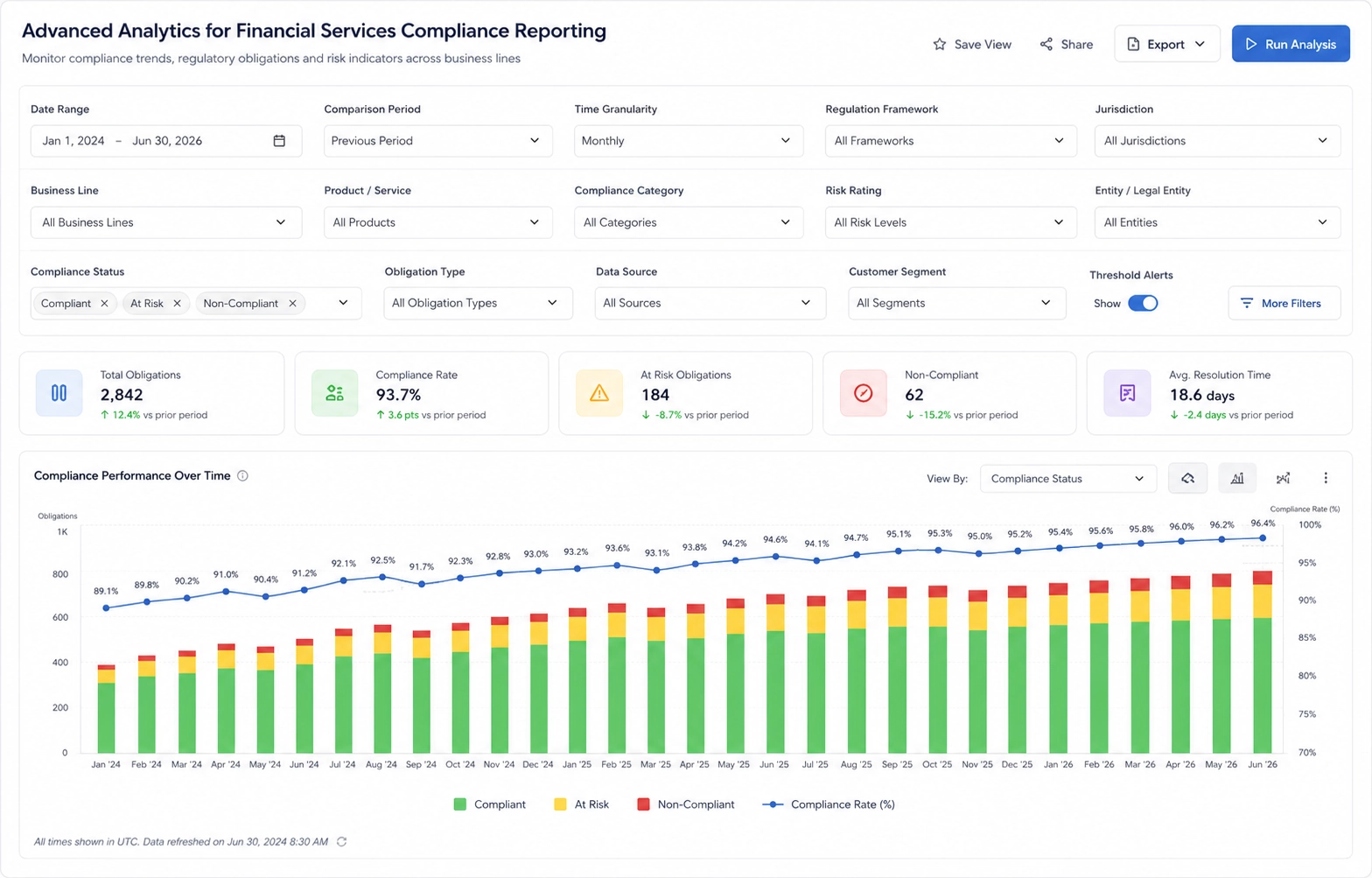
Key AI Use Cases in Business Intelligence
1. Automated Insights and Explanations
AI can scan large datasets and automatically highlight trends, correlations, and drivers behind KPI changes. Instead of manually building dozens of drill-down views, users receive narrative explanations and suggested visualizations directly in their dashboards.
InetSoft dashboards can display these AI-generated narratives alongside charts, giving executives a clear story behind the numbers.
2. Anomaly Detection and Outlier Monitoring
Machine learning models can detect unusual patterns in transactions, operations, or customer activity. These anomalies often represent risk, fraud, or emerging opportunities that traditional threshold-based alerts miss.
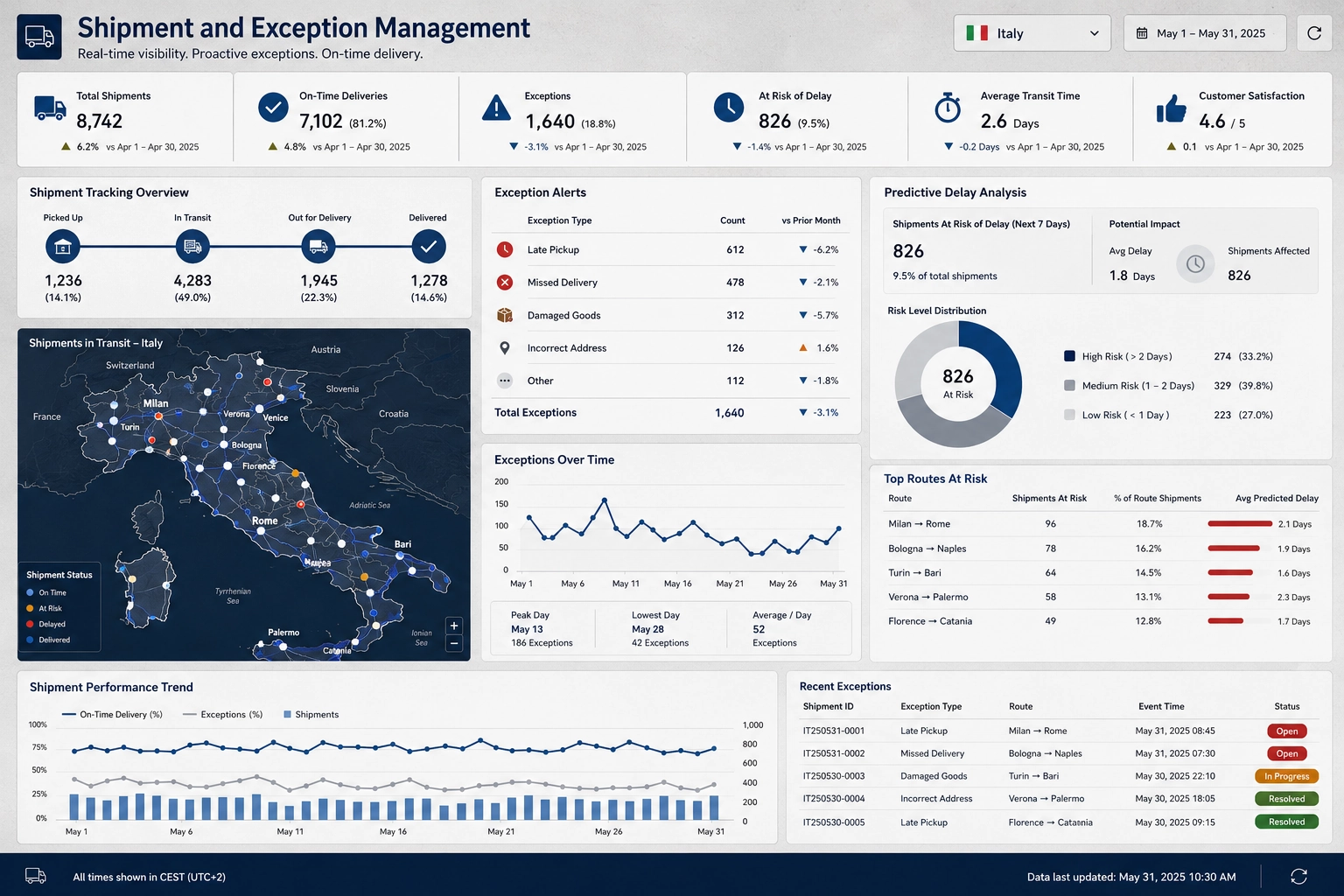
InetSoft can visualize anomaly scores, risk flags, and exception counts, enabling operations teams to prioritize investigation and remediation.
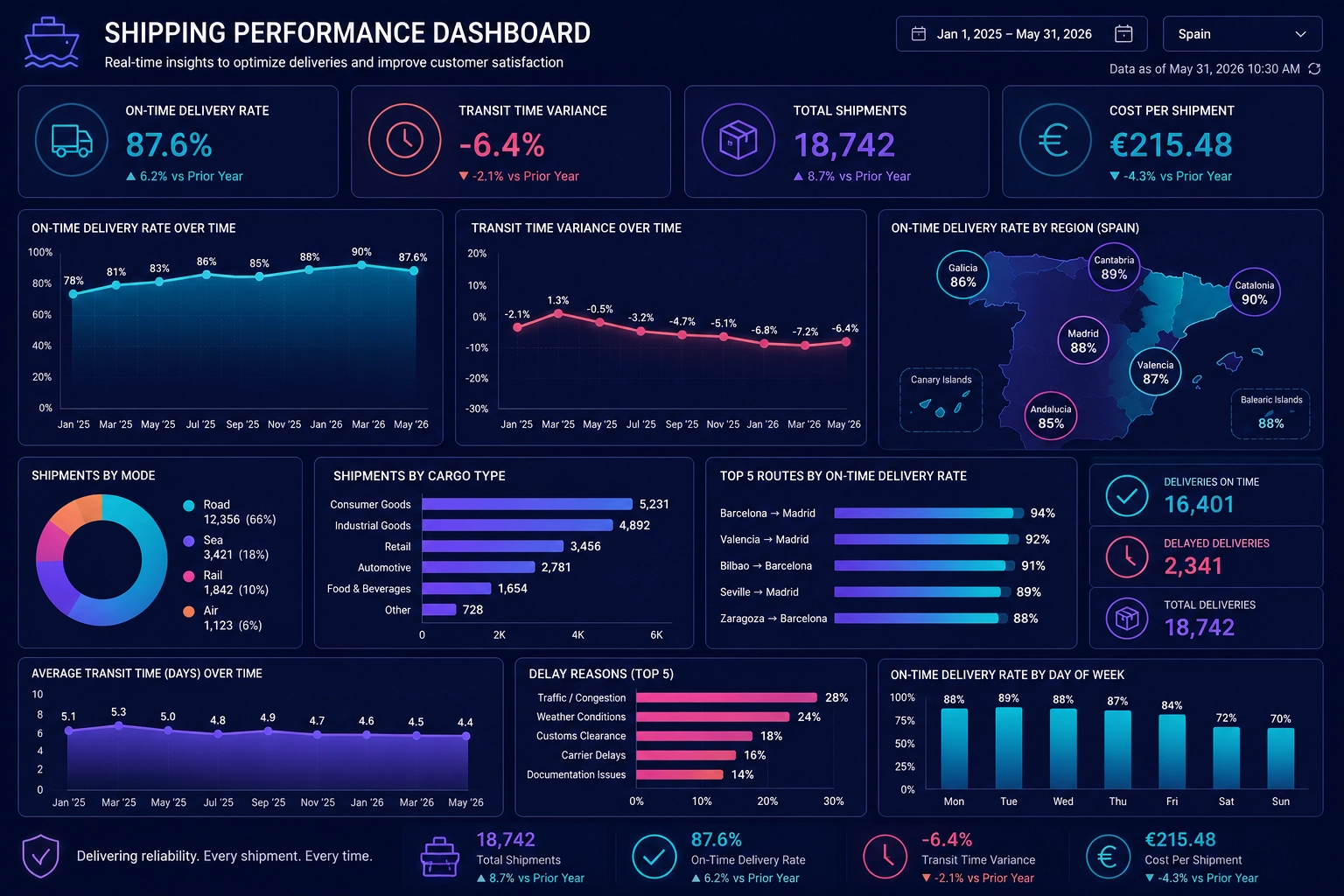
3. Predictive Forecasting and Scenario Analysis
AI-driven forecasting models help organizations predict demand, revenue, churn, and operational loads. Instead of static projections, users can explore multiple scenarios and see how changes in assumptions affect future outcomes.
InetSoft can present predictive curves, confidence intervals, and scenario comparisons in interactive dashboards that business users can manipulate without data science expertise.
4. Intelligent Alerts and Proactive Monitoring
AI can prioritize alerts based on impact, likelihood, and context. Rather than flooding users with notifications, it focuses attention on events that truly matter to the business.
InetSoft can serve as the central hub for these alerts, combining AI-driven prioritization with role-based dashboards and drill-down capabilities.
5. Natural Language Querying of Dashboards
Natural language processing (NLP) allows users to ask questions like “What were last quarter’s top-performing regions?” and receive visual answers without knowing the underlying data model.
InetSoft can integrate with conversational interfaces so that users can navigate dashboards, filter data, and retrieve metrics using everyday language, lowering the barrier to BI adoption.
6. AI-Enhanced Self-Service BI
AI can recommend relevant datasets, dimensions, and visualizations as users build their own reports. This guidance helps non-expert users avoid common pitfalls and produce more meaningful dashboards.
InetSoft’s self-service capabilities can be augmented with AI-driven suggestions, making it easier for business users to create high-quality analytics content without relying on IT.
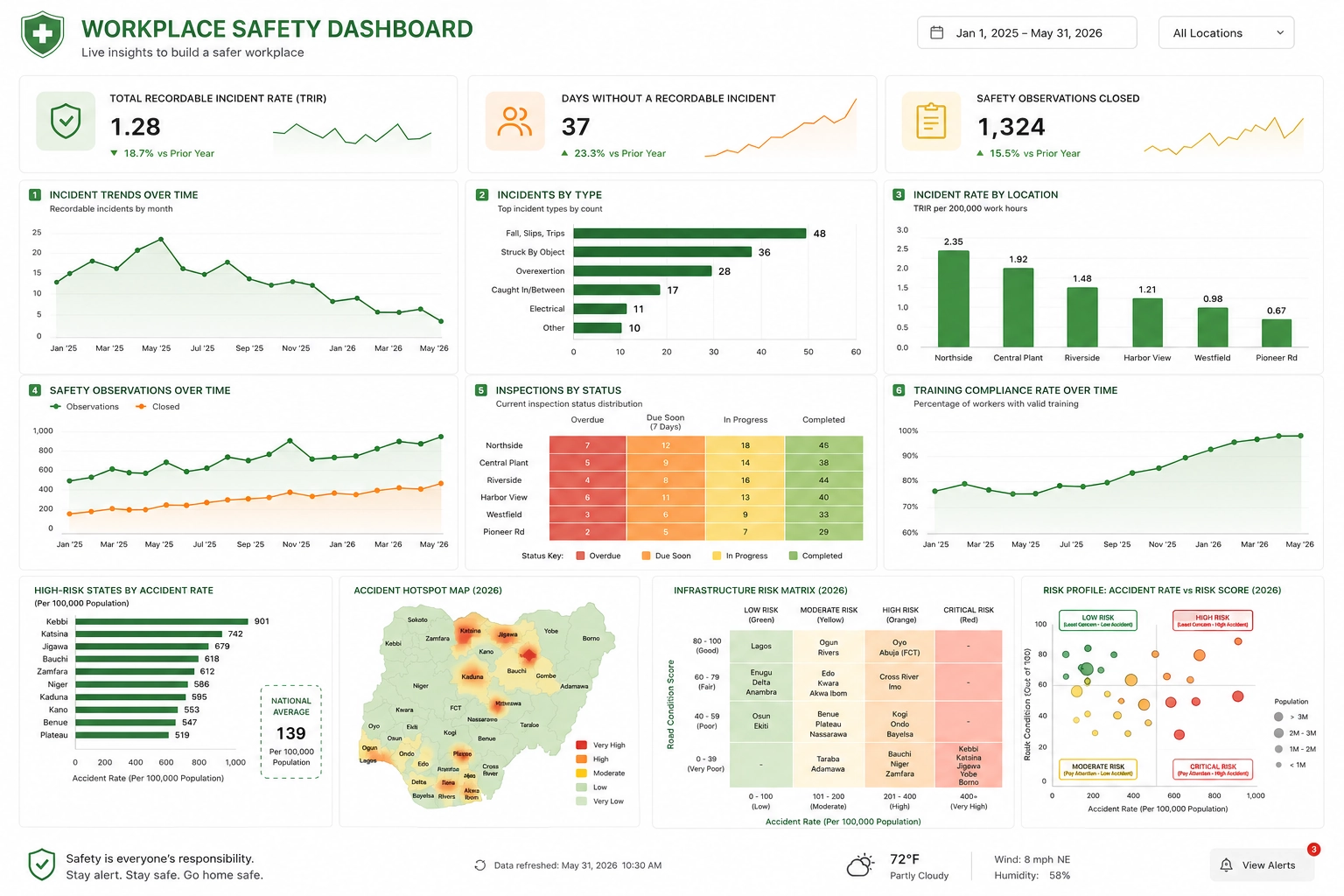
How InetSoft Supports AI in BI
InetSoft provides a flexible, data-source-agnostic platform that can consume AI outputs from cloud services, on-premise models, or embedded engines. Predictions, anomaly scores, and AI-generated narratives can be treated as data fields and visualized alongside traditional KPIs.
This architecture allows organizations to:
- Unify AI and traditional BI: Present machine learning results within familiar dashboards.
- Maintain governance: Control access, lineage, and data quality across AI and BI assets.
- Scale to many users: Deliver AI-driven insights to executives, analysts, and front-line staff.
Implementation Considerations
Successful AI in BI initiatives depend on data readiness, clear business objectives, and tight integration between data science and analytics teams. Organizations should start with high-value use cases, such as anomaly detection in financial operations or predictive forecasting for demand planning, and iterate from there.
InetSoft can act as the visualization and delivery layer for these projects, providing governed dashboards, role-based access, and interactive exploration of AI-driven insights.
Frequently Asked Questions About AI in BI
What is AI in business intelligence?
AI in business intelligence is the use of machine learning and automation to enhance analytics, dashboards, and reporting. It helps organizations move beyond static reports to proactive, insight-driven decision-making.
What are the most common AI use cases in BI?
Common use cases include automated insights, anomaly detection, predictive forecasting, intelligent alerts, and natural language querying of dashboards and reports.
How does AI improve dashboards and reporting?
AI highlights relevant patterns, surfaces anomalies, suggests filters, and enables conversational access to metrics. This reduces manual analysis time and helps non-technical users get answers faster.
Can AI be integrated with InetSoft?
Yes. InetSoft can consume AI outputs as data sources and visualize them in dashboards and reports, making AI-driven insights available to business users through familiar BI interfaces.
What data is needed for AI in BI?
AI in BI typically requires historical transactional data, operational metrics, and contextual attributes such as customer, product, or region. High-quality, consistent data leads to more reliable AI-driven insights.