What is the Purpose of a Patient Care Report?
Patient care is one of the main objectives of every hospital or healthcare institution. Many functions and processes are involved in patient care. It is important to routinely check and maintain these functions to serve the patients better. Hospitals can also become more efficient and reduce a lot of errors.
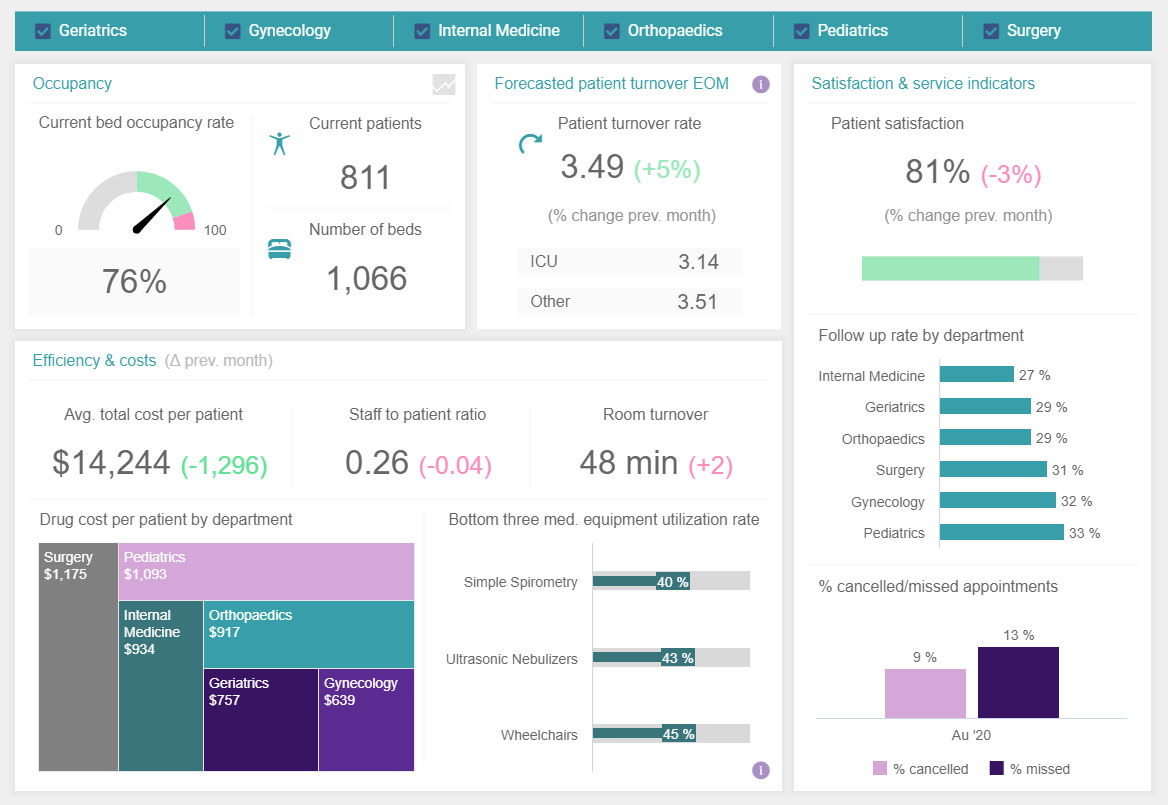
In order to properly enhance and manage their services, medical facilities of any kind are required to maintain and document patient care in great detail. The information gathered from the customers and the employees about how satisfied they are with the service might provide useful insight.
So, to fully understand the purpose of the patient care report, let us understand the benefits of this report and improve each process in healthcare.

Patient Care Report Benefits
It is commonly used by emergency medical services (EMS) providers, such as paramedics and emergency medical technicians (EMTs), to document the treatment and care given to a patient while being transported to a hospital or other medical facility. Maintaining accurate and detailed patient care documentation has various advantages:
Better Management of Facilities
The facilities of a healthcare institution are what makes the patients rely on them with trust. So, managing those facilities is a must and you can do it better with the help of patient care reports. It will give insight into how the patients are enjoying and benefiting from the hospital. If you find any negative outcomes or impacts, you can improve them with your management skills. Most of the time, the facilities are not available for the patients due to poor management. Therefore, getting a detailed patient care report can improve your facility management.
Preventive Measures
When you have data regarding the outcomes of patient care, you can use it to prevent mistakes in the future. Several things may go wrong in a hospital scenario and there can be a number of reasons. With a detailed report, you will be able to understand, sort, and pinpoint the causes of the mistake and try to prevent them for other patients. Therefore, in the future, you will not have to deal with costly mistakes with regard to patient care.

Disease Prevention
This is more like a sub-benefit of the previous point. When you have a detailed analysis of your patients, you can collectively get an insight into the history of disease outbreaks and prevent them with better techniques. If you find a patient to have spent time in disease prone area or country, you can use this data to create quarantine measures and prevent an outbreak. It will also help you to devise a proper strategy to manage diseases and patient care in the future.
Cost Cutting
Many hospitals spend a lot of money unnecessarily due to improper operational methods and poor strategies in maintaining the facilities. They may even find themselves getting sued for poor patient care. So, you will be losing a lot of money in such areas and you can cut down these costs very easily. With the patient care report, you can start analyzing the functions of the hospital and find out their efficiency. If you find an inefficient task, then you can try to improve its outcomes or simply remove the function and merge it with others. This can save you a good amount of money and bring profit to the institution.
Improved Diagnosis
The backbone of every hospital is its diagnosis and treatment methods. Among those two, diagnosis is given primary importance because the treatment is based on a correct and accurate diagnosis. So, if you have a patient care report, you can go through the patient history with a similar complaint and refer to how they were treated and cured. You can develop an accurate diagnostic strategy that will avoid mistakes in treatment that may lead to severe problems.

Performance of Doctors
One of the major resources in your hospital is the doctors. Their share in providing good patient care is very high which means that without proper doctors, you cannot provide treatment properly. In your patient care report, you can find the performance of your doctors which will give you a complete idea of how your hospital is performing. You will be able to manage them properly and increase their efficiency through these reports.
Better Staffing
It is very crucial to have doctors, nurses, and other staff around the clock in a health care center. You cannot be understaffed at any time of the day because there is no way to predict any emergencies. Therefore, you need to have a better way to manage your staffing and it is highly possible with the help of patient care reports. As healthcare organizations expand specialized care services, investing in online psych NP education can help prepare qualified psychiatric nurse practitioners to meet growing patient needs. With proper KPIs, you will be able to measure the areas where you lack in managing the staff and create a better strategy to resolve it.
Improved Patient Care
Once you have recognized the pros and cons of your institution, you will be able to rectify the cons and provide better health care to the patients. You can also improve on your pros to give a world-class service at all times.

Key Performance Metrics for Doctors and Nurses
Healthcare institutions rely on specific performance metrics to evaluate the effectiveness and efficiency of their medical staff. These metrics provide objective data that helps administrators make informed decisions about staffing, training, and quality improvement initiatives. Understanding these key performance indicators is essential for maintaining high standards of patient care.
Patient Satisfaction Scores
One of the most important metrics is patient satisfaction, typically measured through post-visit surveys and feedback forms. These scores reflect how patients perceive their interactions with doctors and nurses, including communication quality, empathy, and responsiveness to concerns. High satisfaction scores indicate that healthcare providers are meeting patient expectations and delivering compassionate care.
Average Treatment Time
This metric measures the average time doctors and nurses spend with each patient from initial consultation to discharge or completion of treatment. While efficiency is important, this metric must be balanced with quality of care. Extremely short treatment times might indicate rushed care, while excessively long times could suggest inefficiency or overcomplicated processes.
Patient Outcome Rates
Perhaps the most critical metric is patient outcomes, which includes recovery rates, complication rates, and readmission rates. These indicators directly reflect the quality of medical care provided. Low complication rates and high recovery rates demonstrate clinical competence and effective treatment protocols. Readmission rates within 30 days often signal issues with initial treatment or discharge planning.
Medication Error Rates
This metric tracks the frequency of medication-related mistakes, including incorrect dosages, wrong medications, or missed administrations. Both doctors and nurses play crucial roles in medication management, from prescribing to administration. Lower error rates indicate better attention to detail and adherence to safety protocols.
Response Time to Patient Calls
For nursing staff particularly, response time to patient call buttons is a vital metric. It measures how quickly nurses attend to patient needs, which directly impacts patient safety and satisfaction. Consistent quick response times demonstrate adequate staffing levels and efficient workflow management.
Documentation Accuracy and Timeliness
Complete and accurate medical documentation is essential for continuity of care and legal protection. This metric evaluates whether doctors and nurses are properly recording patient information, treatment plans, and care notes in a timely manner. Delayed or incomplete documentation can lead to medical errors and communication breakdowns.
Adherence to Clinical Protocols
Healthcare facilities establish evidence-based protocols for various conditions and procedures. This metric measures how consistently medical staff follow these standardized guidelines. High adherence rates ensure that patients receive consistent, quality care based on best practices and reduce variations in treatment outcomes.
Staff Attendance and Punctuality
Reliability is crucial in healthcare settings where patient needs are continuous. This metric tracks attendance records, tardiness, and unplanned absences. Poor attendance can strain team resources and compromise patient care quality, making it an important indicator of professional commitment and work environment satisfaction.
By systematically tracking these metrics through patient care reports, healthcare administrators can identify top performers, recognize areas needing improvement, and implement targeted training programs. This data-driven approach ensures that both doctors and nurses maintain high performance standards while continuously improving their skills and patient care delivery.