Why Do Organizations Have Too Many KPIs?
Key Performance Indicators (KPIs) are designed to help organizations measure progress toward strategic goals. In theory, KPIs enable leaders to focus on the handful of metrics that matter most. In practice, however, many organizations end up tracking dozens or even hundreds of KPIs across departments, teams, projects, and reports.
When every metric becomes a KPI, leaders lose visibility into what is truly important. Employees become overwhelmed by competing priorities, dashboards become cluttered, and decision-making slows down. Understanding why KPI proliferation occurs is the first step toward building a more effective measurement strategy.

What Is KPI Overload?
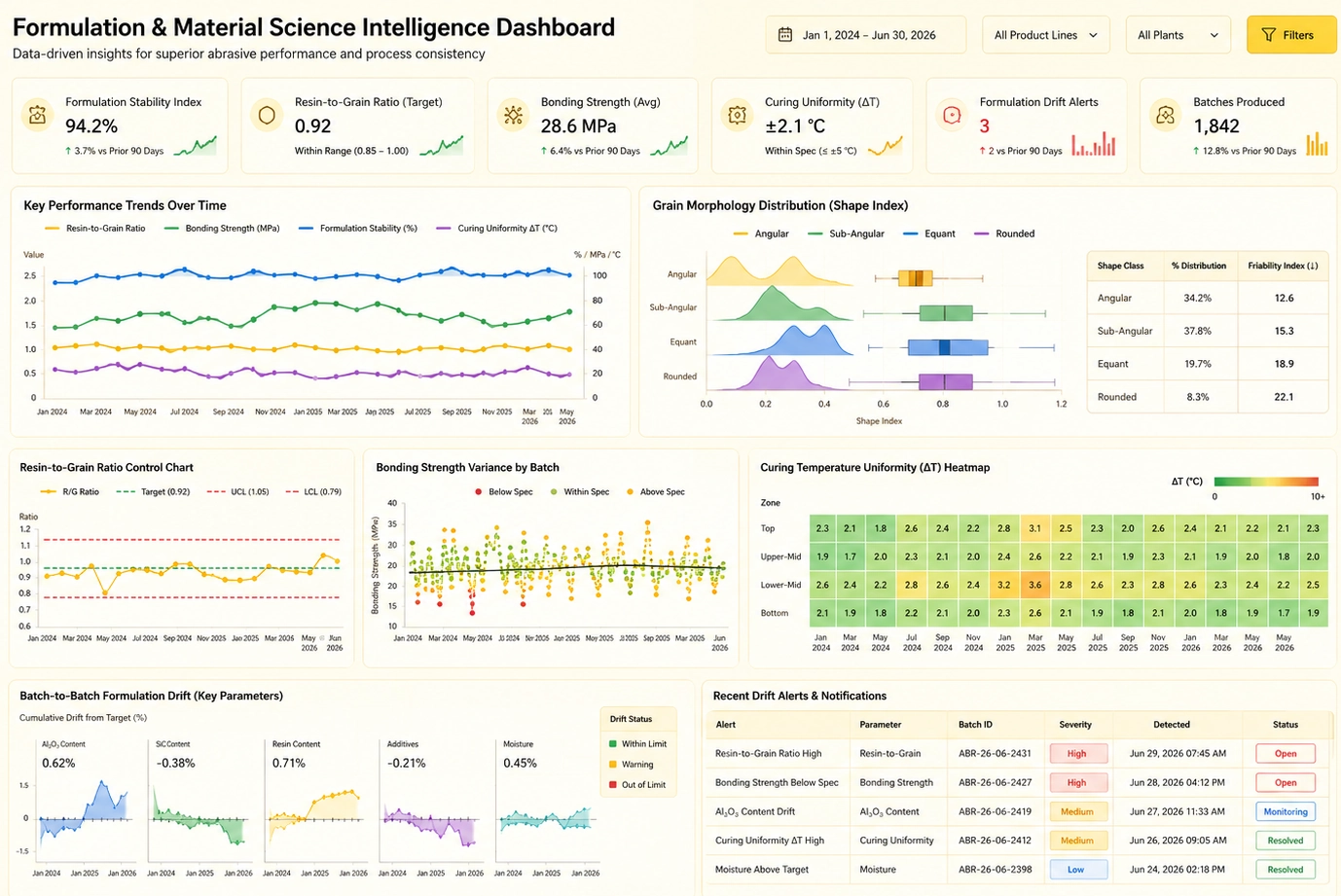
KPI overload occurs when an organization tracks more performance indicators than stakeholders can realistically monitor, interpret, and act upon. Instead of highlighting strategic priorities, an excessive number of KPIs creates noise that obscures meaningful signals.
Organizations experiencing KPI overload often find that different reports contain overlapping metrics, teams use conflicting definitions, and executives struggle to identify which measures should influence decisions.
Every Team Wants to Measure Success
As organizations grow, departments naturally develop their own performance metrics. Marketing tracks campaign effectiveness, sales monitors pipeline performance, operations measures efficiency, and customer service evaluates satisfaction.
While departmental metrics are valuable, they often become labeled as KPIs without evaluating whether they support broader organizational objectives. Over time, the KPI inventory expands continuously while few metrics are removed.
Lack of KPI Governance
Many organizations have processes for creating new KPIs but no process for retiring old ones. Without governance, metrics accumulate year after year, even when priorities, products, markets, or business models change.
KPI governance establishes ownership, documentation, review cycles, and approval processes that help ensure every KPI remains relevant and actionable.
Confusing Metrics with KPIs
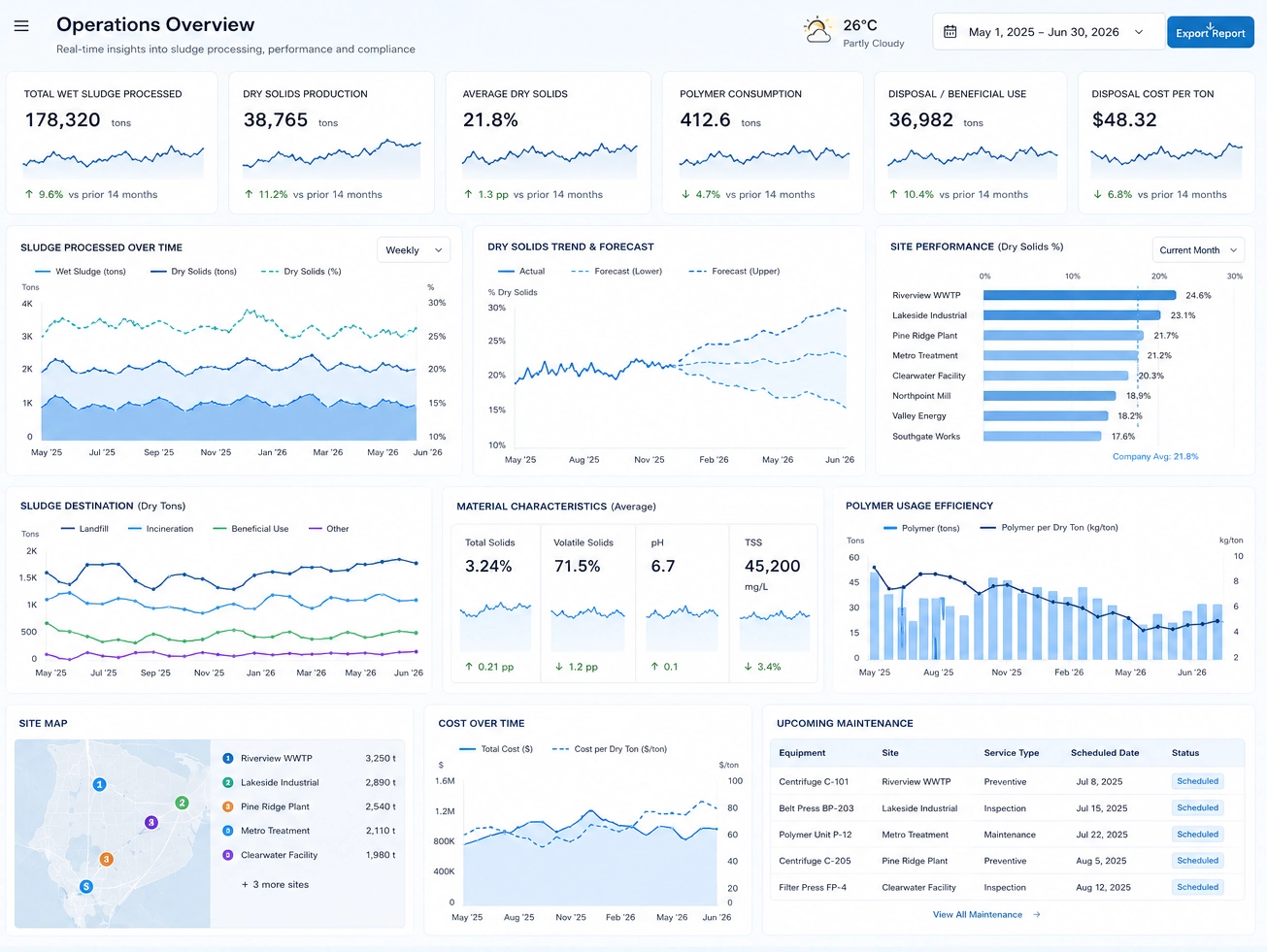
Not every metric should be considered a KPI. Organizations often make the mistake of elevating operational measurements to strategic indicators.
A KPI should directly reflect progress toward an important business objective. Supporting metrics may still be useful for analysis, but they do not necessarily deserve executive-level visibility.
Fear of Missing Important Information
Leaders frequently add metrics because they worry that reducing reporting may hide problems. As a result, they request additional KPIs whenever a new challenge emerges.
While this approach seems prudent, excessive measurement often produces the opposite effect. Important trends become harder to identify because critical indicators are buried among less meaningful data.
Changing Business Priorities
Organizations evolve over time. New products, acquisitions, markets, technologies, and strategies create new measurement requirements. Unfortunately, businesses often add KPIs for new initiatives without eliminating the indicators associated with previous priorities.
This gradual accumulation creates dashboards that attempt to serve historical and current objectives simultaneously.
Problems Created by KPI Proliferation
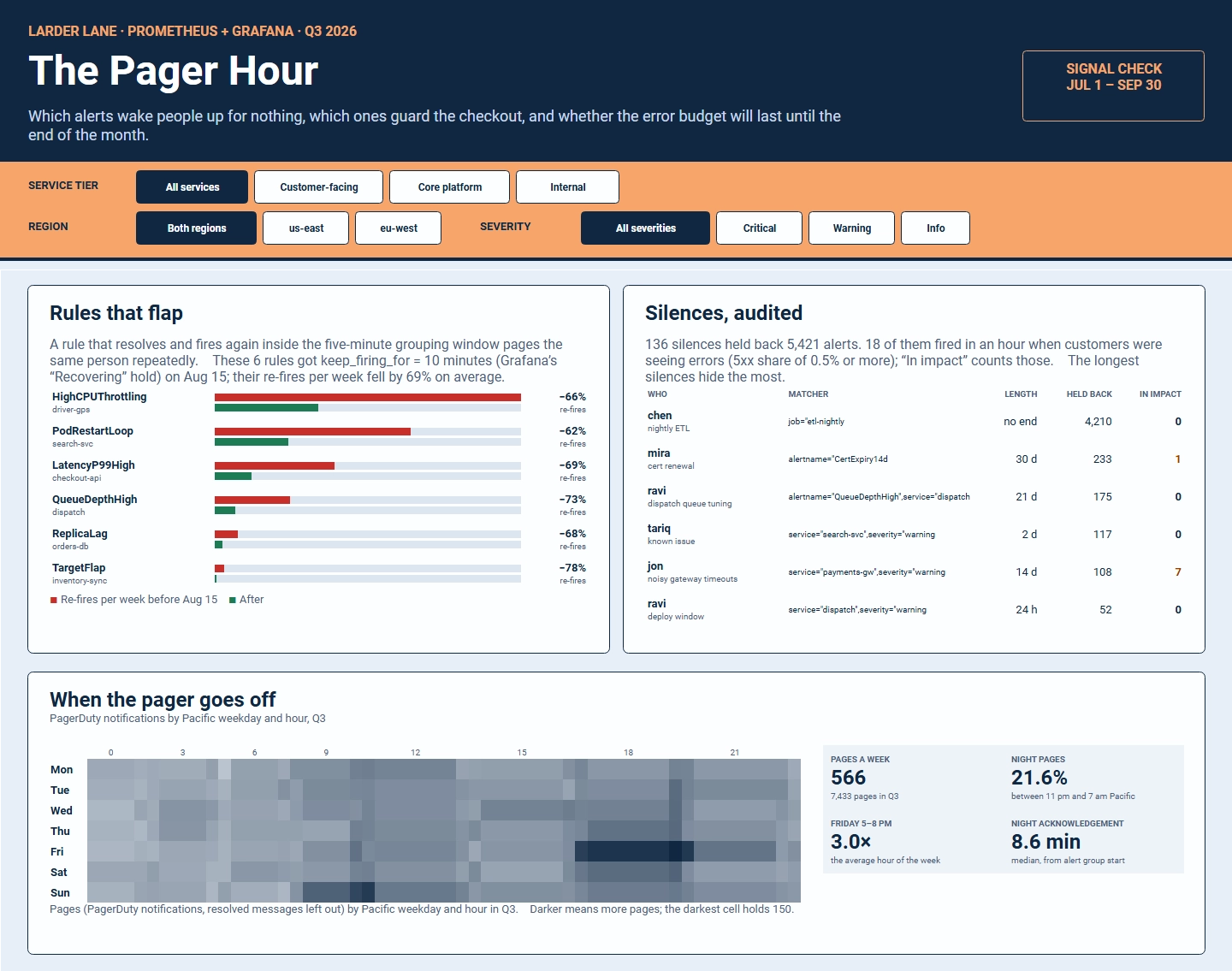
- Decision-makers struggle to identify strategic priorities.
- Employees receive mixed signals about success.
- Dashboard adoption declines because reports become overwhelming.
- Reporting costs increase as more data must be collected and maintained.
- Meetings focus on reviewing data rather than taking action.
- Performance management becomes inconsistent across teams.
How Many KPIs Should an Organization Have?
There is no universal number of KPIs that fits every organization. However, effective performance management typically emphasizes a limited set of strategic indicators that clearly align with business objectives.
Executive scorecards often focus on a relatively small number of enterprise KPIs, while supporting operational metrics remain available for deeper analysis when needed.
How to Reduce KPI Overload
- Align every KPI with a strategic objective.
- Evaluate whether each KPI influences decision-making.
- Eliminate duplicate or highly correlated metrics.
- Establish metric ownership and governance processes.
- Conduct regular KPI audits and certification reviews.
- Differentiate executive KPIs from operational metrics.
- Retire metrics that no longer support business priorities.
How Business Intelligence Helps
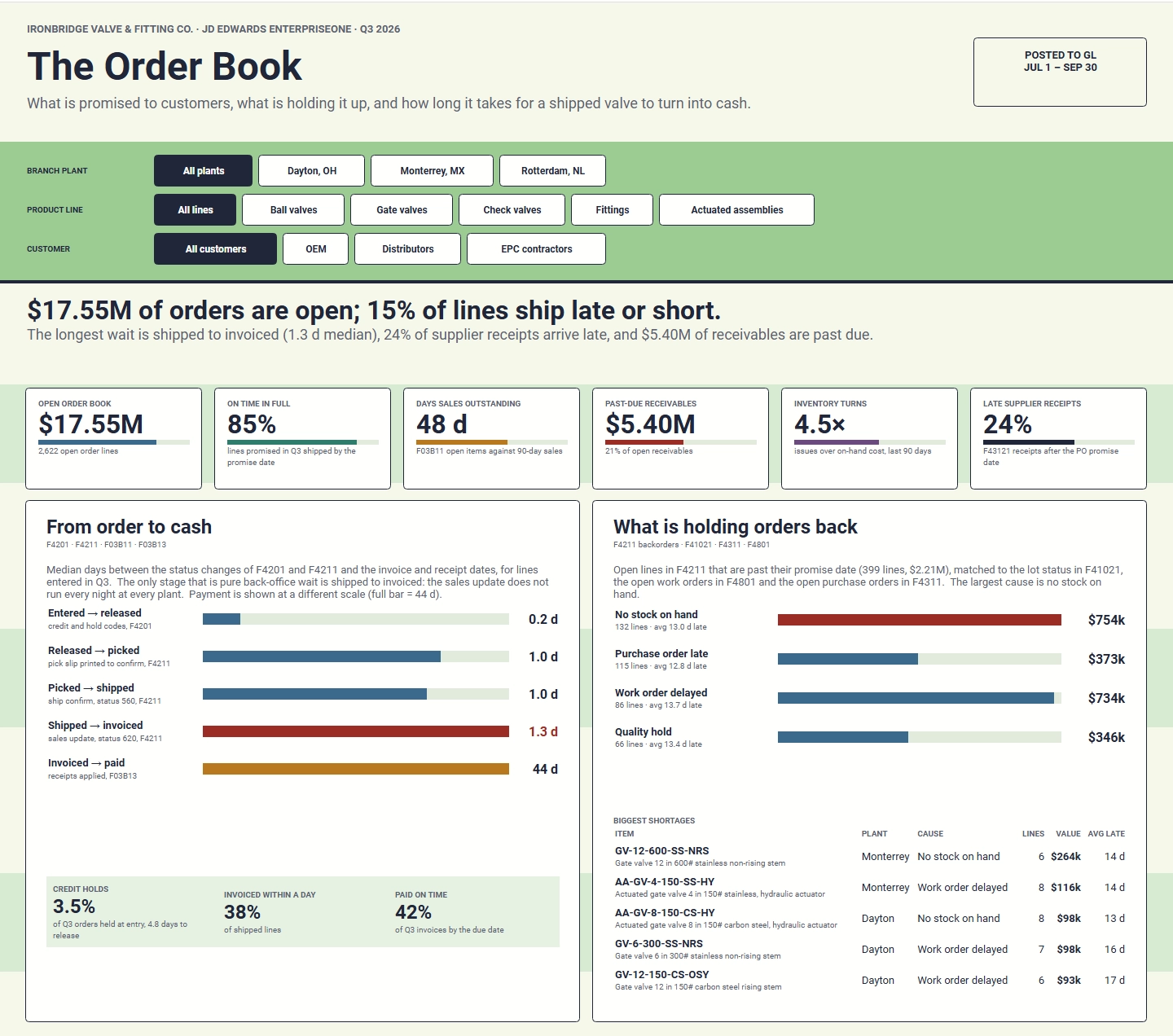
Modern business intelligence platforms help organizations manage KPI complexity by centralizing metric definitions, governing data sources, and standardizing reporting. Well-designed dashboards focus attention on critical indicators while allowing users to drill into supporting metrics only when additional context is needed.
A strong BI strategy helps prevent KPI sprawl and ensures that leadership teams operate from a shared understanding of performance.
Maintain a Disciplined Measurement Framework
Organizations often have too many KPIs because metrics accumulate over time, governance is limited, departmental reporting expands, and old indicators are rarely retired. Although the intention is usually to improve visibility, excessive KPIs create confusion, dilute focus, and reduce decision-making effectiveness.
The most successful organizations maintain a disciplined measurement framework that prioritizes a small number of strategic KPIs while supporting deeper analysis through secondary metrics. By regularly auditing and refining performance indicators, businesses can improve clarity, accountability, and organizational alignment.