Using BI as a Competitive Differentiator
Below is the continuation of the transcript of a Webinar hosted by InetSoft on the topic of Business Intelligence Trends and InetSoft Innovations. The presenter is Mark Flaherty, CMO at InetSoft.
Mark Flaherty (MF): Organizations are now using information and business intelligence as a key competitive differentiator, because everything else in our world has already become or definitely is on the way to becoming a commodity. So it's becoming harder and harder to compete on the quality or the features of products and services. So enterprises more and more are competing on information.
If two competitive enterprises are selling exactly the same product or promoting the same service, but one of the enterprises has a better insight into what its customers are doing, how they are behaving, what they are buying, what they like, what they dislike, then which enterprise do you think is going to win in this environment?
Those are the kinds of the major trends that we see in the market. The other side of the story is that until we do reach, as I call it, nirvana of a single enterprise software and application stack where you would be running all of your applications
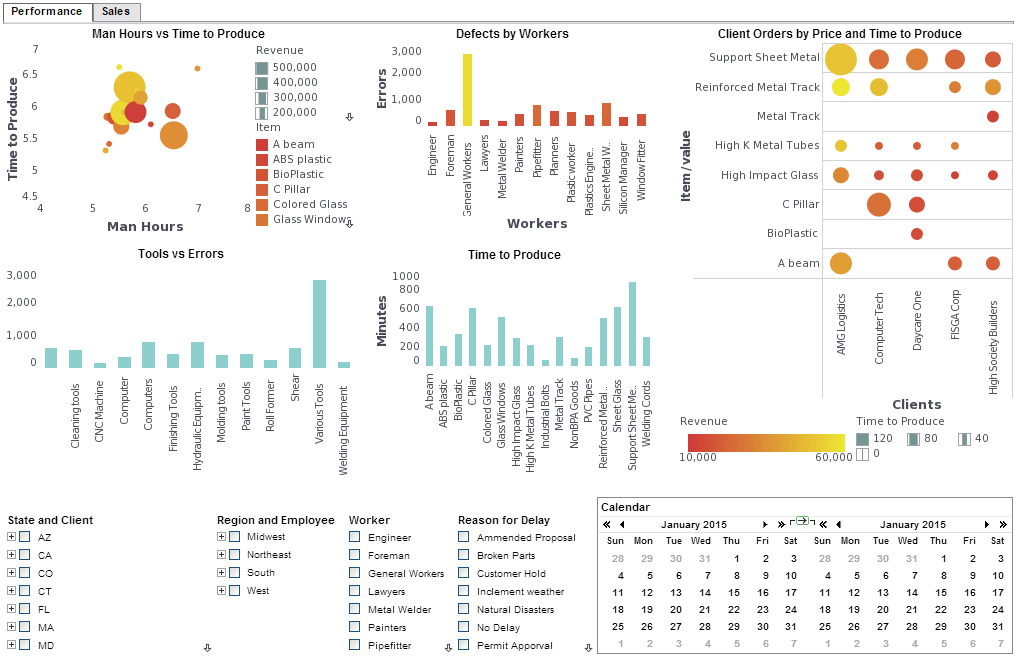

Single Enteprise Software Stack
This would include your ERP application, your CRM applications, your finance applications, trading, risk, supply chain, your databases, your operating system software, et cetera, on a single software stack - which I don’t think is something that is going to happen in the near future - business intelligence will remain the glue that will bring it altogether.
Business intelligence (BI) software serves as the glue that holds other enterprise applications together by integrating data from various sources, providing insights, and facilitating informed decision-making across the organization. Here's how BI software fulfills this critical role:
- Data Integration:
- BI software acts as a central repository for integrating data from disparate sources across the organization, including ERP systems, CRM platforms, financial software, supply chain management systems, and more.
- By consolidating data from different sources into a single, unified platform, BI software provides a comprehensive view of the organization's operations, enabling users to analyze data holistically and gain insights that would be impossible to obtain by looking at individual systems in isolation.
- Data Transformation and Cleansing:
- BI software often includes data transformation and cleansing capabilities, allowing users to clean, standardize, and enrich data to ensure accuracy and consistency.
- By transforming raw data into a consistent format and resolving inconsistencies or errors, BI software prepares data for analysis, ensuring that users can trust the insights derived from it.
- Data Analysis and Reporting:
- BI software enables users to analyze data using advanced analytical tools and techniques, such as data visualization, dashboards, OLAP (Online Analytical Processing), and predictive analytics.
- By providing interactive dashboards, ad hoc reporting capabilities, and self-service analytics tools, BI software empowers users to explore data, uncover trends, and generate actionable insights to support decision-making at all levels of the organization.
- Integration with Enterprise Applications:
- BI software seamlessly integrates with other enterprise applications, such as ERP, CRM, and HR systems, to access data directly from these systems and incorporate it into BI reports and analyses.
- By integrating with existing enterprise applications, BI software eliminates the need for manual data extraction and manipulation, streamlining the data analysis process and ensuring that users have access to real-time, up-to-date information.
- Business Process Optimization:
- BI software enables organizations to identify inefficiencies, bottlenecks, and areas for improvement in their business processes by analyzing data and identifying patterns and trends.
- By providing insights into key performance indicators (KPIs), process metrics, and operational data, BI software helps organizations optimize their business processes, streamline operations, and drive continuous improvement.
- Decision Support:
- BI software serves as a decision support tool, providing decision-makers with the information and insights they need to make informed, data-driven decisions.
- By presenting data in a clear, understandable format and providing relevant context and analysis, BI software helps decision-makers evaluate options, assess risks, and identify opportunities for growth and innovation.

Increasing Adoption
We do see an ongoing without any kind of a let up, even in the current tough economic conditions, the increasing adoption and interest in our business intelligence application. And even over the last couple of years, I am struggling to think of even a single enterprise, CIO or CTO or chief architect, who has told me that they are decreasing or diminishing an importance of their business intelligence effort.
The market definitely continues to expand. But what’s interesting is that all that criticality, all that mission criticality, because as I said, the business intelligence is now mission critical, not just a nice-to-have application and environment, that has really outpaced the complexity of traditional old-fashioned business intelligence applications. And as a result, we do have this very interesting opportunity that exists in the market, and I know we will spend more time later today talking about some the next-generation technologies and some of the best practices that enterprises can use to close that gap and to address that opportunity.
As organizations continue to rely on BI as a competitive differentiator, one of the most impactful strategies is expanding the use of external data sources. Competitive intelligence feeds, market pricing databases, social sentiment streams, and third‑party demographic data can all enrich internal analytics. When blended with operational metrics, these external inputs help companies anticipate market shifts earlier than competitors. This broader situational awareness enables faster strategic pivots, more accurate forecasting, and better alignment of product and service offerings with emerging customer expectations.

Operationalizing BI Insights
Another powerful differentiator comes from operationalizing BI insights directly into frontline workflows. Instead of limiting dashboards to analysts or managers, organizations can embed BI into CRM systems, point‑of‑sale applications, field service tools, and supply chain platforms. When employees receive context‑aware recommendations at the moment of action—such as personalized upsell suggestions, optimized delivery routes, or risk alerts—they make better decisions without needing to interpret complex reports. This shift from passive reporting to active guidance dramatically increases the practical impact of BI.
Companies also gain a competitive edge by using BI to personalize customer experiences at scale. By analyzing behavioral patterns, purchase histories, and engagement signals, BI systems can help tailor marketing messages, product recommendations, and service interactions to individual preferences. This level of personalization not only increases conversion rates but also strengthens customer loyalty. When customers feel understood and valued, they are more likely to choose one provider over another—even when products or prices are similar.
BI can further differentiate an organization by improving its agility in responding to operational disruptions. Real‑time dashboards that monitor supply chain performance, inventory fluctuations, and production bottlenecks allow teams to react quickly when issues arise. Predictive analytics can forecast potential delays or shortages before they occur, enabling proactive mitigation. Competitors relying on slower, manual reporting processes often struggle to adapt, giving BI‑enabled organizations a clear advantage in maintaining service levels and customer satisfaction.

Finally, BI becomes a long‑term differentiator when organizations cultivate a culture of data‑driven decision‑making. This involves more than deploying tools—it requires empowering employees at all levels to question assumptions, validate ideas with data, and collaborate using shared metrics. When teams consistently rely on BI to guide strategy, innovation accelerates and decisions become more consistent and defensible. Over time, this cultural shift becomes a core part of the organization’s identity, making it difficult for competitors to replicate the same level of analytical maturity.