Why a Utility‑Scale Battery Energy Storage Systems Company Switched From Querio to StyleBI for Its Enterprise Business Intelligence Software
The rapid expansion of the Utility‑Scale Battery Energy Storage Systems (BESS) industry has created a new class of data challenges that traditional business intelligence tools struggle to address. As grid operators, renewable energy developers, and independent power producers deploy increasingly large and complex storage assets, the volume, velocity, and variety of operational data have grown exponentially. A leading BESS operator—managing multi‑megawatt lithium‑ion and flow‑battery installations across several states—found itself constrained by the limitations of its existing BI platform, Querio. The company needed a more flexible, scalable, and semantically governed analytics environment capable of supporting real‑time monitoring, predictive maintenance, and financial optimization. This need ultimately led them to adopt StyleBI as their enterprise business intelligence software.
This article explores the reasons behind the transition, the shortcomings of Querio in a modern BESS environment, and the advantages StyleBI delivered across operations, engineering, finance, and executive decision‑making. The story reflects a broader trend in the energy storage sector: the shift from static reporting tools to dynamic, semantic‑layer‑driven BI platforms that can keep pace with the operational realities of utility‑scale storage.
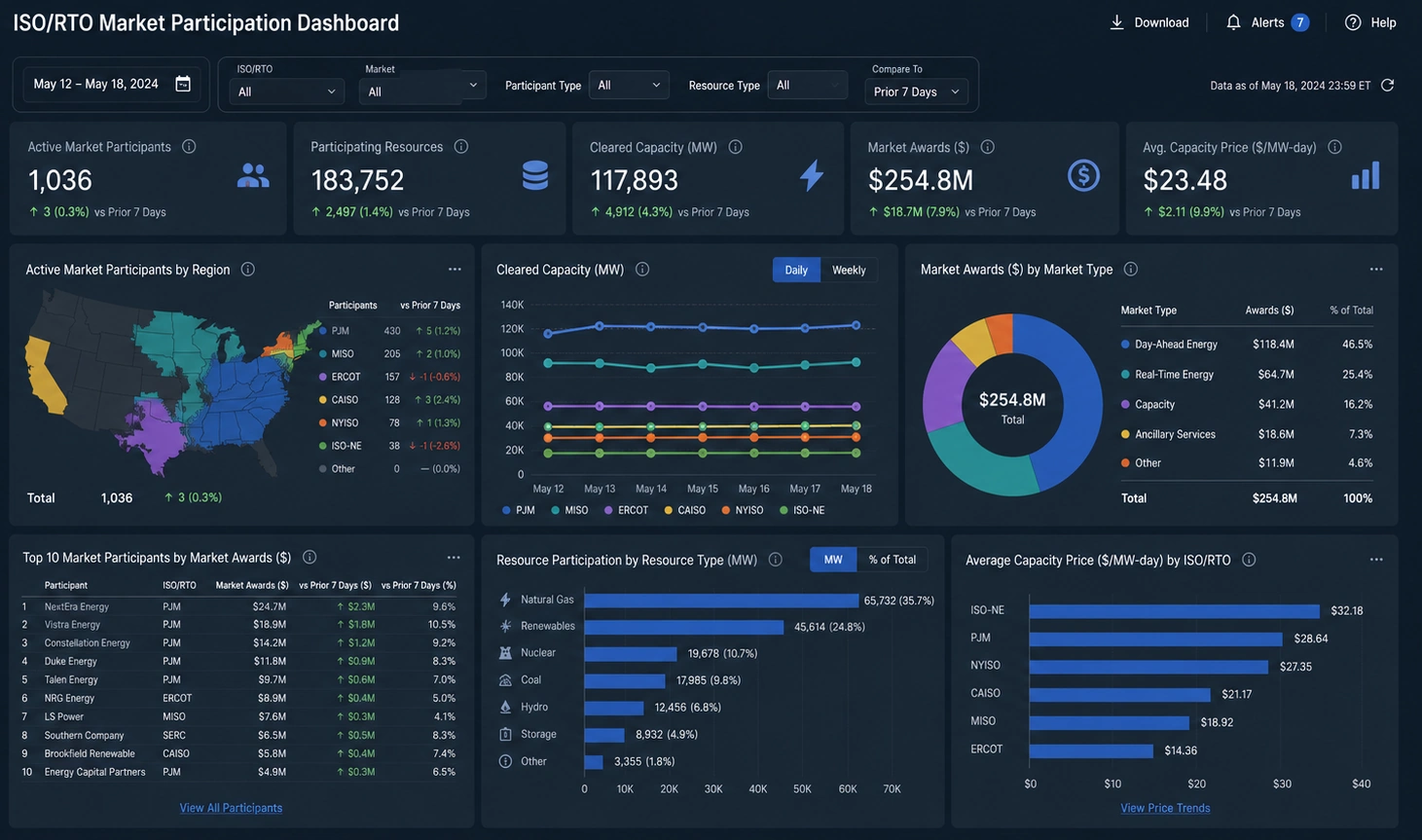

The Operational Complexity of Utility‑Scale BESS
Utility‑scale battery systems are among the most data‑intensive assets in the energy sector. A single 100‑MW installation can generate millions of telemetry points per day, including state of charge, temperature gradients, inverter efficiency, degradation curves, cycle counts, and thermal envelope metrics. These systems must also integrate with market data from ISOs and RTOs, weather forecasts, dispatch schedules, and regulatory reporting requirements.
The BESS operator in this case study managed a geographically distributed fleet of assets, each with its own SCADA system, OEM monitoring platform, and local historian. Querio, their previous BI tool, was originally selected for its simplicity and low cost. However, as the company scaled, the platform’s limitations became increasingly apparent. The organization needed a BI solution that could unify disparate data sources, apply consistent business logic, and support real‑time operational dashboards without requiring constant manual intervention.
Where Querio Fell Short
Querio provided basic reporting and visualization capabilities, but it lacked the architectural depth required for a modern BESS operation. The company encountered several critical limitations:
Rigid Data Modeling
Querio required predefined data structures that could not easily adapt to the evolving nature of BESS telemetry. When new sensors were added, or when OEMs updated their data schemas, the BI team had to rebuild large portions of their data models. This slowed down operational responsiveness and created reporting gaps during periods of change.
Lack of a Semantic Layer
Without a semantic layer, business logic was duplicated across dashboards, spreadsheets, and SQL queries. Metrics such as round‑trip efficiency, usable capacity, degradation rate, and thermal stability were calculated differently by different teams. This inconsistency created confusion during executive reviews and regulatory audits.
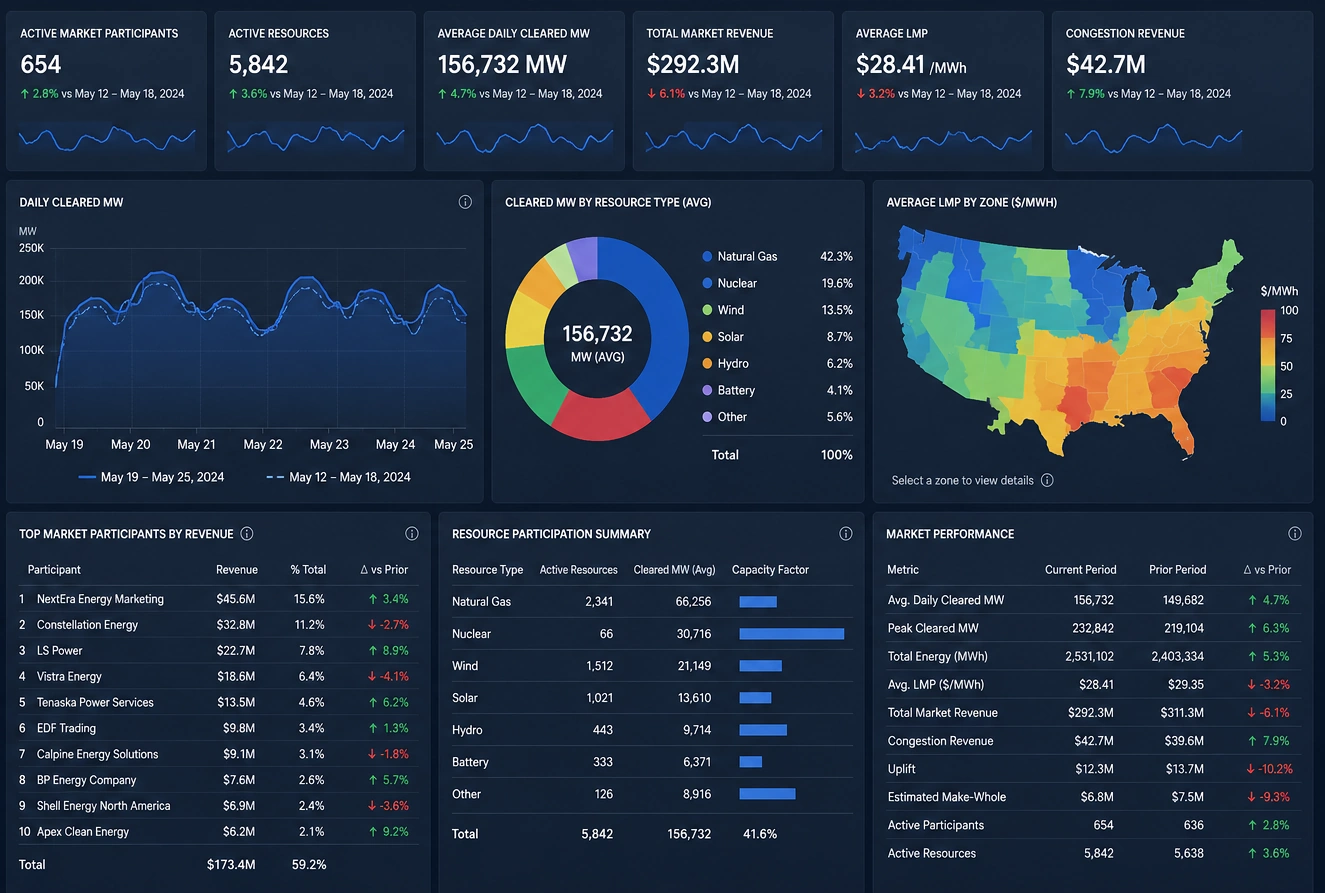
Limited Real‑Time Capabilities
Querio was not designed for high‑frequency data ingestion or real‑time visualization. The BESS operator needed dashboards that could reflect near‑instantaneous changes in state of charge, inverter performance, and thermal conditions. Querio’s refresh cycles were too slow, and its architecture could not support streaming data without significant customization.
Inflexible Hierarchies and Drill Paths
BESS analytics require multidimensional exploration: site → container → rack → module → cell. Querio’s rigid hierarchy system made it difficult to drill into lower‑level components or roll up performance metrics across the fleet. Engineers often had to export data into external tools to perform root‑cause analysis.
Weak Data Blending
The company needed to blend SCADA data with market pricing, weather forecasts, and maintenance logs. Querio struggled to join these sources dynamically, forcing the BI team to build complex ETL pipelines that were difficult to maintain.
These limitations created operational friction, slowed decision‑making, and prevented the company from fully optimizing its storage assets. The search for a more capable BI platform led them to StyleBI.

Why StyleBI Was the Right Fit
StyleBI offered a fundamentally different approach to enterprise analytics—one that aligned perfectly with the needs of a modern BESS operator. Its semantic layer, hierarchical overlays, and real‑time data capabilities provided the flexibility and governance the company had been missing.
A True Semantic Layer for Consistent Metrics
With StyleBI, the company centralized all business logic into a reusable semantic layer. Metrics such as state‑of‑charge variance, degradation per cycle, inverter efficiency, and thermal deviation were defined once and applied consistently across all dashboards and reports. This eliminated discrepancies and ensured that engineering, operations, and finance teams were always aligned.
Hierarchical Overlays for Multidimensional Analysis
StyleBI’s hierarchical overlays allowed the company to model its asset structure dynamically. Users could drill from fleet‑level KPIs down to individual cells without requiring separate data models or cube structures. This capability transformed root‑cause analysis, enabling engineers to identify failing modules or thermal anomalies in minutes instead of hours.
Real‑Time Dashboards Without Cube Processing
Because StyleBI performs on‑the‑fly aggregations, it could ingest high‑frequency telemetry and display real‑time dashboards without cube processing or batch refreshes. Operators gained immediate visibility into charge/discharge cycles, thermal conditions, and inverter performance. This improved situational awareness and reduced operational risk.

Flexible Data Blending Across SCADA, Market, and Weather Sources
StyleBI’s ability to blend data from multiple sources—databases, APIs, files, and cloud services—allowed the company to unify SCADA telemetry with ISO market data, weather forecasts, and maintenance logs. This enabled more accurate forecasting, improved dispatch decisions, and better financial modeling.
Governed Self‑Service for All Teams
With StyleBI, business users could build their own dashboards while still relying on governed metrics from the semantic layer. This reduced the BI team’s workload and empowered operations, engineering, and finance teams to explore data independently without compromising consistency.
The Impact of Switching to StyleBI
The transition from Querio to StyleBI delivered measurable improvements across the organization. Operational efficiency increased, reporting accuracy improved, and decision‑making accelerated.
Faster Root‑Cause Analysis
Engineers could now drill into component‑level data instantly, reducing downtime and improving asset reliability. Thermal anomalies, inverter faults, and degradation patterns were easier to identify and address.

Improved Dispatch Optimization
By blending market data with real‑time telemetry, the company optimized charge/discharge cycles to maximize revenue. StyleBI dashboards helped operators identify the most profitable dispatch windows and avoid penalties.
Stronger Regulatory Compliance
Consistent metrics and automated reporting reduced the risk of compliance errors. StyleBI’s semantic layer ensured that all regulatory submissions were based on standardized calculations.
Reduced BI Maintenance Costs
The BI team no longer had to rebuild models or duplicate logic across dashboards. StyleBI’s metadata‑driven architecture simplified maintenance and reduced operational overhead.
A Modern BI Platform for a Modern Energy Sector
The Utility‑Scale BESS industry demands a BI platform that can keep pace with rapid technological change, high‑frequency telemetry, and complex operational requirements. Querio, while adequate for basic reporting, could not support the company’s growth or the sophistication of its analytics needs.
StyleBI provided the flexibility, governance, and real‑time capabilities required to manage a modern fleet of energy storage assets. By adopting StyleBI, the company positioned itself for long‑term success in an industry where data is both a strategic asset and a competitive differentiator.