How Modern Technology Is Transforming Performance Management: AI, Analytics, and Continuous Feedback Systems
Performance management has undergone a profound transformation over the past decade. What was once a rigid, annual, form-driven process has evolved into a dynamic, data-informed system that supports continuous improvement, real-time feedback, and strategic workforce development. Technology now sits at the center of this evolution. From AI-driven analytics to digital feedback platforms and integrated Business Intelligence (BI) systems, modern tools are reshaping how organizations measure, motivate, and manage performance. This article explores the technologies driving this shift, the principles behind effective digital performance management, and how platforms like InetSoft provide the analytics foundation needed to support these new approaches.

The Shift From Annual Reviews to Continuous Performance Management
Traditional performance management relied heavily on annual or semi-annual reviews. These processes were often time-consuming, backward-looking, and disconnected from day-to-day work. Employees received feedback long after it was relevant, and managers struggled to recall specific examples or track progress over time. As workplaces became more dynamic and distributed, this model proved insufficient.
Modern performance management emphasizes continuous feedback, short-cycle goals, and real-time visibility into progress. Technology enables this shift by providing tools that capture ongoing performance data, facilitate regular check-ins, and support agile goal-setting frameworks such as OKRs (Objectives and Key Results). Instead of relying on memory or subjective impressions, managers and employees can reference real data to guide conversations and decisions.
Core Technologies Driving Modern Performance Management
AI and Machine Learning for Insight and Decision Support
Artificial intelligence has become a powerful force in performance management. AI algorithms can analyze patterns in employee behavior, productivity, engagement, and outcomes to identify strengths, risks, and opportunities for development. Machine learning models can detect early signs of burnout, predict turnover risk, and recommend personalized learning paths.
AI also helps reduce bias by providing objective data points and highlighting inconsistencies in evaluations. Instead of relying solely on subjective ratings, organizations can incorporate data-driven insights that reflect actual performance trends. This leads to more equitable evaluations and better-informed talent decisions.
Digital Feedback and Collaboration Platforms
Digital tools have made it easier for employees and managers to exchange feedback in real time. Platforms that support continuous feedback, peer recognition, and 360-degree evaluations help create a culture of transparency and improvement. These tools allow feedback to be tied directly to goals, projects, and competencies, making it more actionable and relevant.
For hybrid and remote teams, digital feedback systems are essential. They provide visibility into performance regardless of location and ensure that employees receive timely guidance and recognition.
Analytics and Business Intelligence Systems
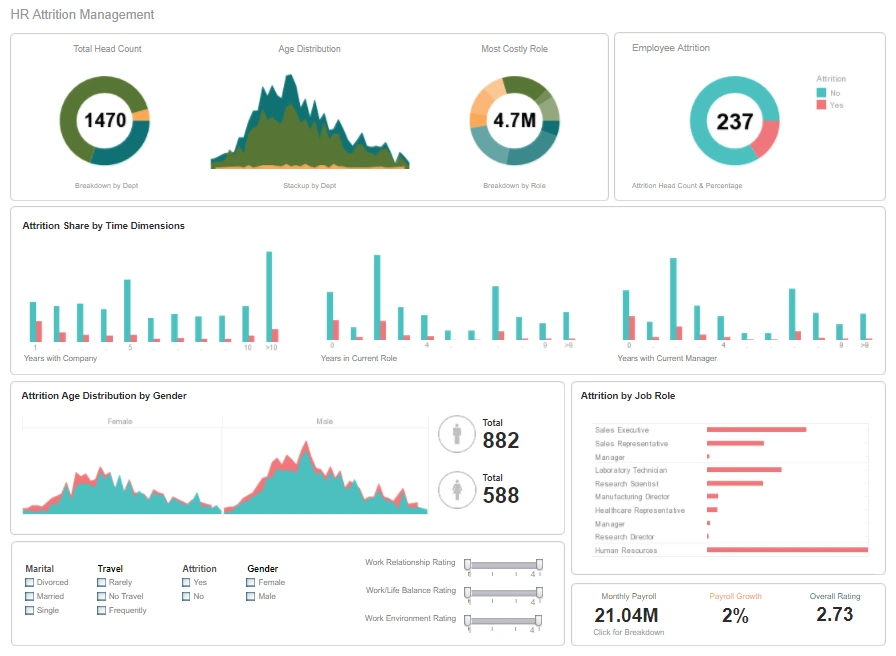
Performance management increasingly relies on data—KPIs, productivity metrics, engagement scores, learning progress, and operational outcomes. BI platforms like InetSoft play a critical role by consolidating data from multiple systems and presenting it in dashboards that support decision-making.
With InetSoft, organizations can design performance dashboards that track individual, team, and organizational KPIs. Managers can monitor trends, identify bottlenecks, and evaluate the impact of development initiatives. Employees can view their own progress and understand how their work contributes to broader goals. This transparency strengthens alignment and accountability.

Goal-Setting and Alignment Tools
Modern performance management emphasizes alignment—ensuring that individual goals support team and organizational objectives. Digital goal-setting tools help employees track progress, update milestones, and adjust priorities as conditions change. These tools often integrate with project management systems, enabling seamless tracking of work and outcomes.
Technology also supports cascading goals, where organizational objectives flow down to departments, teams, and individuals. This ensures that everyone understands how their work contributes to strategic priorities.
Learning and Development Platforms
Performance management is not just about evaluation—it is about growth. Learning platforms provide personalized development paths based on performance data, skill gaps, and career aspirations. AI-driven recommendations help employees access relevant training, while analytics track progress and measure the impact of learning initiatives.
Integrating learning data with performance dashboards gives managers a holistic view of employee development and helps organizations build future-ready talent pipelines.
How Technology Improves Performance Management Outcomes
More Accurate and Objective Evaluations
Technology reduces reliance on subjective impressions by providing real-time data on performance. Dashboards, analytics, and automated tracking ensure that evaluations reflect actual outcomes rather than memory or bias. This leads to fairer assessments and more consistent decision-making.
Faster and More Actionable Feedback
Digital tools enable continuous feedback, allowing employees to make improvements in the moment rather than waiting for annual reviews. This accelerates development and strengthens communication between managers and employees.
Better Alignment Across the Organization
Goal-setting platforms and BI dashboards ensure that everyone is working toward the same objectives. Employees can see how their work contributes to team and organizational success, improving motivation and engagement.
Improved Employee Engagement and Retention
Employees who receive regular feedback, clear goals, and personalized development opportunities are more engaged and less likely to leave. Technology supports these experiences by making performance management more transparent, supportive, and growth-oriented.
Enhanced Manager Effectiveness
Managers often struggle with performance conversations due to lack of data or structure. Technology provides the tools they need—dashboards, feedback prompts, goal-tracking systems, and AI-driven insights—to guide meaningful discussions and support employee success.
Use Cases for Technology-Enabled Performance Management
Hybrid and Remote Workforce Management
Distributed teams require digital tools to maintain visibility into performance. Dashboards, collaboration platforms, and continuous feedback systems ensure that remote employees receive the same support and recognition as on-site staff.
Data-Driven Talent Development
Organizations can use performance data to identify high-potential employees, skill gaps, and development needs. Learning platforms and BI systems work together to create personalized development plans and track progress.
Operational Performance Monitoring
In operational environments, performance management often involves tracking KPIs such as throughput, quality, and efficiency. BI dashboards provide real-time visibility into these metrics, enabling quick adjustments and continuous improvement.
Leadership Development and Succession Planning
Technology helps organizations identify emerging leaders by analyzing performance trends, engagement levels, and learning progress. This data supports succession planning and ensures that leadership pipelines remain strong.
How InetSoft Supports Technology-Driven Performance Management
InetSoft’s BI platform provides the analytics foundation needed for modern performance management. Its flexible dashboards, data modeling capabilities, and interactive visualizations allow organizations to design performance systems that are transparent, data-driven, and aligned with strategic goals.
Performance Dashboards for Managers and Employees
InetSoft enables organizations to build dashboards that track KPIs, goals, competencies, and development progress. These dashboards provide real-time visibility into performance and support meaningful conversations between managers and employees.

Integration With HR and Operational Systems
InetSoft can connect to HRIS platforms, learning systems, project management tools, and operational databases. This integration ensures that performance data is comprehensive and up to date.
Support for Continuous Improvement
With InetSoft, organizations can monitor performance trends, identify bottlenecks, and evaluate the impact of development initiatives. This supports a culture of continuous improvement and data-driven decision-making.
The Future of Performance Management
Technology will continue to reshape performance management as AI becomes more sophisticated, data becomes more integrated, and digital tools become more intuitive. Organizations that embrace these technologies will be better equipped to support employee growth, improve alignment, and drive strategic outcomes.
By combining analytics, continuous feedback, and personalized development, modern performance management systems create a more engaged, motivated, and high-performing workforce. Platforms like InetSoft provide the foundation for this transformation, enabling organizations to turn performance data into actionable insight and meaningful progress.