How To Access Dashboard Data: Exporting, Querying, And Integrating Live Analytics Across BI Tools
Accessing dashboard data has become one of the most important capabilities in modern analytics workflows. Dashboards are no longer just visual summaries for executives—they are operational tools, data gateways, and integration points for downstream systems. When someone searches for “Accessing Dashboard Data,” they are usually trying to understand how to retrieve the underlying information that powers charts, KPIs, and visualizations. This can involve exporting raw data, querying datasets directly, connecting through APIs, or integrating dashboards with external applications.
This article explores the full landscape of how dashboard data can be accessed, the methods available across BI platforms, the security considerations that govern access, and the practical ways organizations use dashboard data beyond the dashboard itself. Whether you are a business user trying to export a table, a developer integrating analytics into an application, or a data engineer building pipelines, understanding these access pathways is essential.
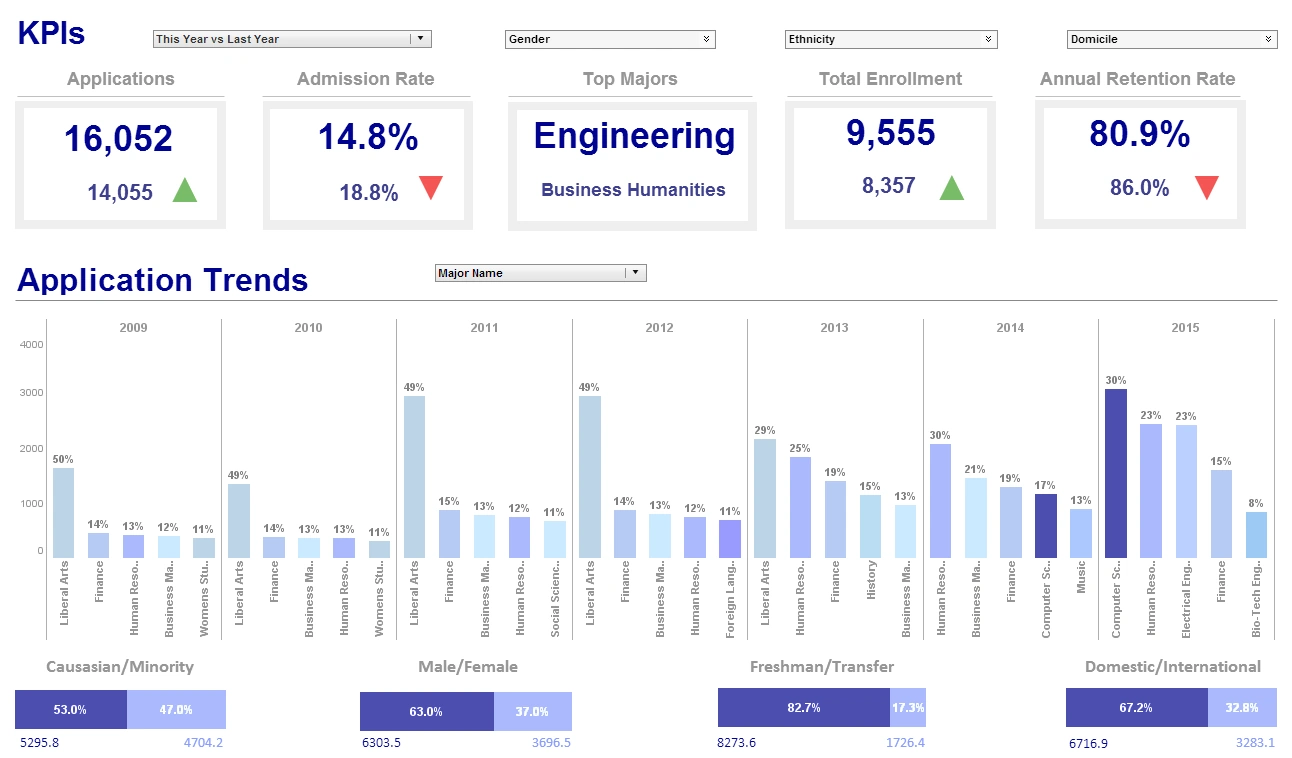

What Accessing Dashboard Data Really Means
At its core, accessing dashboard data refers to retrieving the underlying dataset that feeds a visualization. Dashboards typically sit on top of data models, semantic layers, or direct database connections. While the dashboard provides a curated, simplified view, the underlying data is often richer, more detailed, and more suitable for analysis or integration.
Users generally fall into three categories when it comes to data access:
- Business Users who want to export or download data for offline analysis.
- Analysts who need to drill deeper, run queries, or combine dashboard data with other sources.
- Developers and Data Teams who require programmatic access for automation, integration, or embedding.
Each group interacts with dashboard data differently, but all rely on the same foundational access mechanisms provided by BI platforms.
Common Methods For Accessing Dashboard Data
Modern BI tools provide multiple pathways for retrieving dashboard data. These methods vary in complexity, security, and intended audience, but together they form a comprehensive ecosystem of access options.
Direct Data Exports
The simplest and most common method is exporting data directly from a dashboard. Most BI platforms allow users to export data behind a chart, table, or KPI into formats such as CSV, Excel, or PDF. This is ideal for business users who want a quick snapshot or need to perform lightweight offline analysis.
Exports typically include:
- Chart-level data showing the values used to render a visualization.
- Table-level data providing detailed rows and columns.
- Full dataset exports when permissions allow access to the entire underlying model.
While exports are convenient, they are static. Once downloaded, the data no longer updates, which limits its use for real-time or automated workflows.

Interactive Drill-Down And Drill-Through
Dashboards often include interactive features that allow users to explore data without leaving the interface. Drill-down reveals more granular levels of a hierarchy, such as moving from yearly sales to quarterly or monthly data. Drill-through links to detailed reports or raw tables that provide transaction-level information.
These features do not always provide downloadable data, but they offer deeper visibility into the dataset and help users understand the context behind visualizations.
Query Access Through Semantic Layers
Many BI platforms expose a semantic layer—an abstraction that translates business-friendly terms into database queries. Analysts can use SQL, MDX, DAX, or proprietary query languages to retrieve data directly from the dataset powering the dashboard.
This method is ideal for:
- Advanced analysis beyond what the dashboard provides.
- Combining dashboard data with external datasets
- Building custom reports or models.
Query access is more flexible than exports and supports dynamic, real-time retrieval, but it requires appropriate permissions and technical skill.

API Access For Developers
APIs are the most powerful method for accessing dashboard data programmatically. BI platforms typically offer REST APIs, metadata APIs, and data extract APIs that allow developers to retrieve data, refresh datasets, automate exports, or embed analytics into applications.
API access enables:
- Automated data extraction for pipelines or scheduled jobs.
- Embedding dashboards with controlled data access.
- Custom applications that consume dashboard data in real time.
APIs are essential for enterprise-scale integrations and support the most advanced use cases.
Live Connectors And External Integrations
Some BI tools allow external systems to connect directly to the underlying dataset using OData, JDBC, ODBC, or other connectors. This approach is common when organizations want to integrate dashboard data with:
- Data warehouses
- Machine learning pipelines
- ERP or CRM systems
- Custom applications
Live connectors maintain real-time synchronization, ensuring that external systems always receive the latest data.

Security And Permissions
Accessing dashboard data is governed by strict security controls. BI platforms enforce permissions at multiple levels to ensure that users only see data they are authorized to view. Understanding these controls is essential for both administrators and end users.
Key security mechanisms include:
- Row-Level Security (RLS) which filters data based on user identity.
- Dataset permissions that determine who can view, export, or query data.
- Dashboard ownership which affects who can modify or share content.
- Audit logs that track data access and exports.
Security is often the reason users cannot access certain data, even if it appears in a dashboard. Administrators must configure permissions carefully to balance accessibility with compliance.
Integrating Dashboard Data Into Other Systems
Once data is accessible, organizations often integrate it into broader workflows. Dashboard data is increasingly used as a source for automation, reporting, and operational decision-making.
Common integration scenarios include:
- Feeding data into spreadsheets for financial modeling or forecasting.
- Connecting to automation tools like Power Automate or Zapier.
- Building machine learning models using dashboard datasets as training inputs.
- Embedding dashboards into portals, intranets, or customer-facing applications.
These integrations extend the value of dashboards beyond visualization, turning them into operational data hubs.
Troubleshooting Access Issues
Users often encounter challenges when trying to access dashboard data. Common issues include missing data, restricted exports, or discrepancies between dashboard values and underlying datasets.
Typical causes include:
- Permission restrictions that limit visibility or export capabilities.
- Caching that causes dashboards to display outdated data.
- Refresh schedules that delay updates to the dataset.
- Data model changes that break queries or exports.
Understanding these factors helps users diagnose problems and request the appropriate adjustments from administrators.

Foundational Capability in Modern Analytics
Accessing dashboard data is a foundational capability in modern analytics. Whether through exports, drill-downs, queries, APIs, or live connectors, BI platforms offer a wide range of methods to retrieve and integrate the data behind visualizations. As organizations increasingly rely on dashboards for operational decision-making, the ability to access and reuse dashboard data becomes essential for agility, automation, and innovation. By understanding the available access pathways and the security controls that govern them, users can unlock the full value of their analytics environment and extend dashboard insights into every corner of the business.