What Are Dashboarding Queries? A Practical Guide to the Questions, Filters, and Logic Behind Every Dashboard
Dashboarding queries are the bridge between business questions and the data that answers them.
They define what a dashboard should show, how it should be filtered, and how users can interact with it to explore trends, diagnose issues, and make decisions.
Done well, they make dashboard results more reliable, easier to interpret, and faster to act on.
They also create a shared language for teams so KPIs and filters stay consistent across departments.
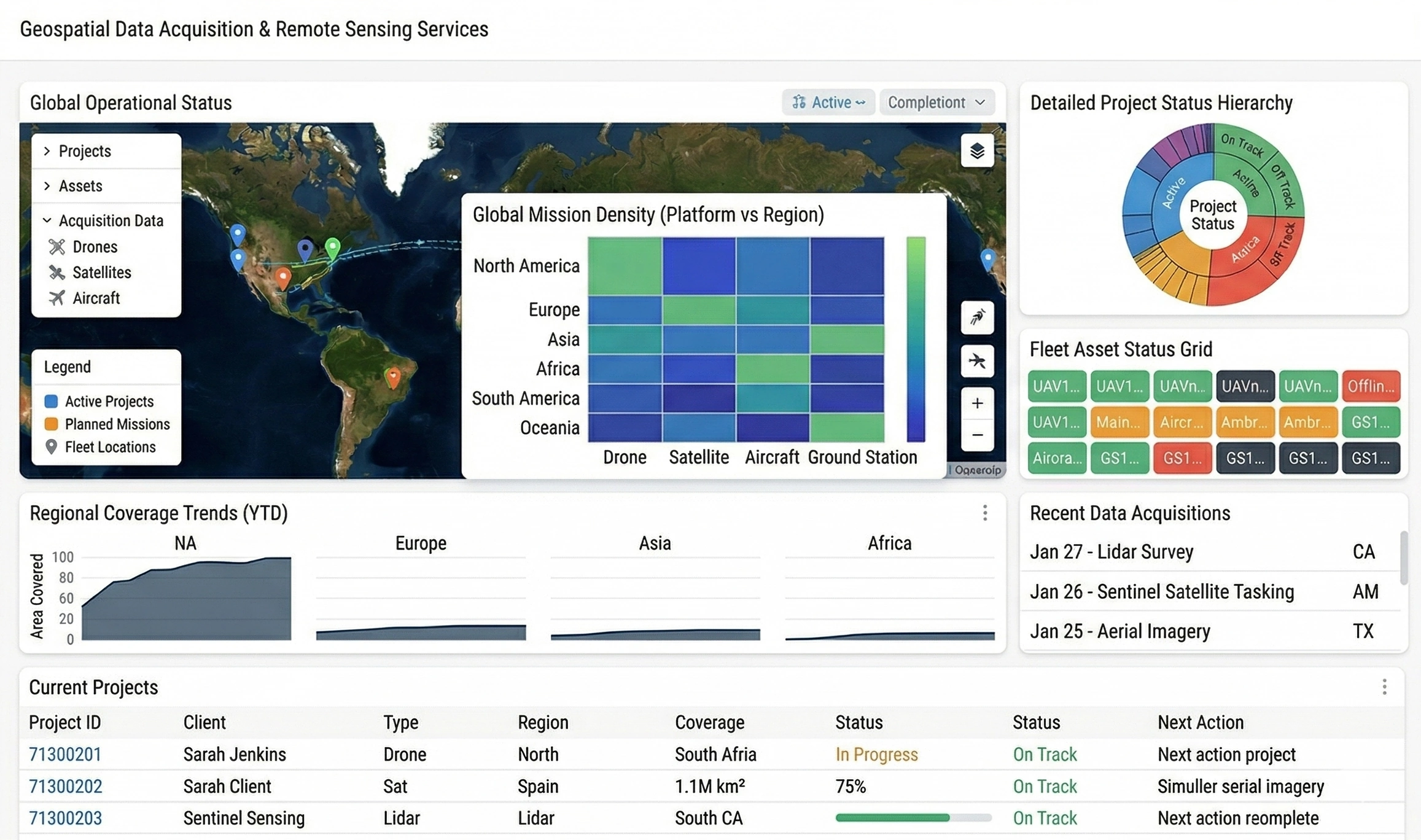

What are dashboarding queries?
At a basic level, dashboarding queries are the questions a dashboard must answer, plus the data logic that powers those answers. Unlike ad-hoc queries, which are often one-off and exploratory, dashboarding queries are repeatable, structured, and designed to refresh over time for many users.
For example, a sales dashboard might answer: “What are total sales this month?”, “Which regions are underperforming?”, or “How has pipeline changed over the last 90 days?” Each of these questions maps to a specific query pattern, metric definition, and set of filters.
Types of dashboarding queries
Status queries
Status queries answer “Where are we right now?” They focus on current values such as open tickets, today’s revenue, or current inventory levels. These are ideal for operational dashboards that teams monitor daily.
Trend queries
Trend queries answer “How is this changing over time?” They use time-series data to show patterns such as month-over-month growth, rolling 7-day averages, or seasonal fluctuations. These queries help users see direction, not just snapshots.
Diagnostic queries
Diagnostic queries answer “Why did this happen?” They often involve drill-downs, segmentation, and comparisons across dimensions like region, product, or customer segment. These queries help users move from symptoms to root causes.

How dashboards translate questions into data logic
To turn a business question into a dashboarding query, you typically define:
- Metrics: The aggregations you care about, such as sum of revenue, count of tickets, or average handle time.
- Dimensions: The ways you want to slice the data, such as by region, product, channel, or time period.
- Filters: The constraints users can apply, such as date range, team, customer tier, or status.
- Drill-down paths: The hierarchies users can navigate, such as from country → region → city → store.
- Cross-filtering: How interactions in one chart update other charts on the same dashboard.
Common query patterns in dashboards
- Time-series windows: Rolling periods like last 7, 30, or 90 days.
- Top-N queries: Top 10 customers, products, or regions by a chosen metric.
- Comparative queries: Year-over-year, month-over-month, or vs. target comparisons.
- Threshold queries: Items above or below a defined threshold, often used for alerts.
- Segmentation queries: Performance by segment, such as customer tier, industry, or cohort.
Performance considerations for dashboarding queries
Well-designed dashboarding queries balance richness with performance. Key considerations include:
- Live vs. cached: Whether queries hit the source system in real time or use cached/aggregated data.
- Pre-aggregation: Summarizing data ahead of time to speed up common queries.
- Query folding: Pushing logic down to the data source instead of doing it in the BI layer.
- Semantic layer optimization: Defining reusable metrics and dimensions to avoid duplicated, inconsistent logic.

Designing better dashboarding queries
Strong dashboarding queries always start with the business decision they support. Before writing any query, clarify who will use the dashboard, what decisions they need to make, and how often they will use it.
- Start with the question: Write the question in plain language before thinking about fields or tables.
- Choose the right grain: Decide whether the query should operate at daily, weekly, monthly, or transactional level.
- Validate with stakeholders: Confirm that the metric definitions and filters match how the business thinks.
- Test edge cases: Check how the query behaves with missing data, low volume, or extreme values.
When you treat dashboarding queries as the core product—not just a technical detail—you end up with dashboards that feel intuitive, perform well, and actually answer the questions your users care about.