Dashboarding Shape Components: The Structural Building Blocks Behind Modern BI Layouts
When most people think about dashboards, they think about charts, KPIs, and filters. But underneath all of that, there is a quieter system doing a lot of the heavy lifting: shape components. These are the rectangles, cards, containers, and background panels that define where everything lives, how it aligns, and how the layout feels. Understanding shape components is the difference between a dashboard that looks improvised and one that feels intentional, scalable, and easy to extend.
Shape components are not just decorative objects. They are structural elements that define the geometry of a dashboard. They create regions, group related content, and provide a visual rhythm that helps users scan and interpret information quickly. In a modern BI layout, shapes act like the framing of a building: you may not notice them directly, but everything depends on them being well designed.
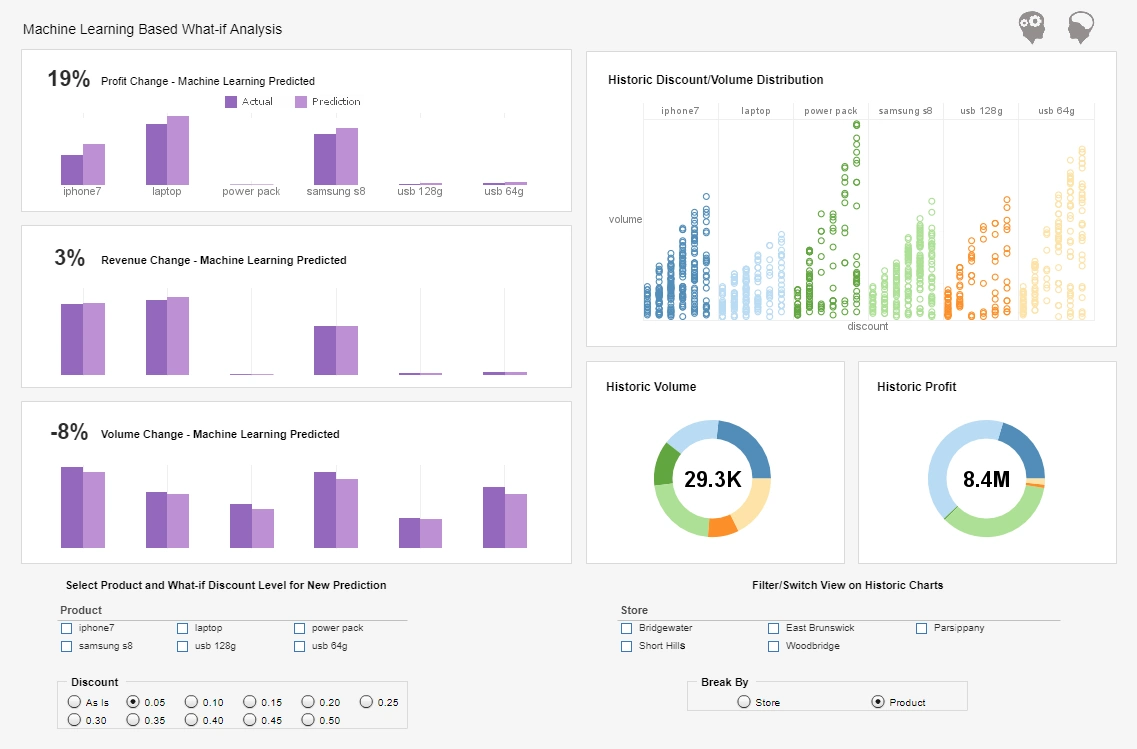

Shapes As Containers And Layout Primitives
At the most basic level, a shape component is a container. It can hold charts, text, icons, or even other shapes. This container role is what makes shapes so powerful. Instead of placing every object independently on a canvas, you define a few key shapes and let them organize the content inside them. This leads to consistency and reduces the effort required to maintain or redesign a dashboard.
Common uses of shape components include:
- Cards: Rectangular shapes that hold a KPI value, label, and maybe a small sparkline.
- Tiles: Repeating units that form a grid of related metrics or entities.
- Panels: Larger shapes that define sections such as “Overview,” “Operations,” or “Alerts.”
- Background bands: Full-width shapes that separate horizontal regions of a dashboard.
When you treat shapes as layout primitives, you stop thinking in terms of individual charts and start thinking in terms of reusable blocks. This mindset is essential for building dashboards that can grow over time without becoming visually chaotic.

Geometry, Spacing, And Alignment
Shape components are also the main way you control geometry: spacing, alignment, and proportions. Instead of manually nudging every chart into place, you define a grid using shapes and let that grid guide everything else. For example, you might create a three-column layout by defining three equal-width shape containers across the top of the dashboard. Each container then holds a KPI card or chart, and because the shapes are aligned, the content inside them is aligned too.
Spacing is another area where shapes shine. By setting consistent padding inside a shape, you ensure that text, numbers, and charts all breathe in the same way. This consistency is subtle but powerful: it makes the dashboard feel calm and deliberate instead of cramped or uneven. When you need to adjust spacing globally, you can often do it by changing the padding or margins of a few key shapes rather than editing every object individually.
Alignment is closely tied to hierarchy. Shapes help you create clear vertical and horizontal lines that the eye can follow. When section headers, KPI cards, and charts all snap to the same underlying shape grid, users can scan the dashboard faster and with less cognitive effort. Misaligned shapes, on the other hand, create visual noise that makes the dashboard feel less trustworthy, even if the data is accurate.

Layering, Grouping, And Visual Hierarchy
Shape components also play a key role in layering. Many dashboard tools allow you to send shapes to the back or bring them to the front, effectively creating a stack of visual layers. A subtle background shape behind a group of charts can signal that they belong together. A slightly darker panel can indicate a sidebar or filter region. These cues help users understand the structure of the page without needing explicit labels everywhere.
Grouping is another structural function of shapes. Instead of relying only on proximity, you can use a shape to wrap related content: all customer satisfaction metrics in one panel, all operational throughput metrics in another. This grouping reinforces the mental model of the dashboard. Users learn that “everything inside this shape is about X,” which speeds up navigation and interpretation.
Visual hierarchy emerges naturally when you vary the size, color, and emphasis of shapes. A large, high-contrast shape at the top of the dashboard can serve as the hero area for key KPIs. Smaller, lighter shapes below can contain supporting details. By designing the shape system first, you can control where attention goes, instead of letting every chart compete equally for the user’s focus.
Reusable Shape Systems And Design Patterns
One of the biggest advantages of thinking in terms of shape components is the ability to create reusable design patterns. Instead of designing each dashboard from scratch, you define a set of standard shapes: KPI cards, section panels, filter bars, and detail tiles. These become your building blocks across multiple dashboards.
For example, you might define a KPI card shape with a fixed height, a specific padding, a title area at the top, and a large number area in the center. Once that pattern is established, every KPI card in your environment can follow it. This consistency makes it easier for users to move between dashboards because they recognize the visual language immediately.
Shape systems also support theming. If you decide to change the brand color, corner radius, or shadow style, you can often do it at the shape level and have the change cascade through the layout. This is especially valuable in large BI deployments where dozens of dashboards need to feel like part of the same product experience.

Practical Scenarios For Shape Components
Consider an executive summary dashboard. At the top, you might use a full-width background shape to define the “Executive Overview” band. Inside it, three or four KPI card shapes hold revenue, margin, customer satisfaction, and on-time delivery. Below that, two side-by-side panel shapes might separate “Sales Performance” from “Operational Efficiency,” each containing charts and tables. A narrow vertical shape on the left could define a filter and navigation area.
In another scenario, a mobile-friendly dashboard might rely heavily on stacked shapes. Each shape becomes a vertically stacked card with a clear title, a key metric, and a compact visualization. Because the shapes are designed with consistent margins and padding, the entire dashboard scrolls like a clean feed of information, rather than a random assortment of resized charts.
Even highly technical dashboards benefit from shape thinking. For example, a monitoring dashboard for system health might use color-coded shapes as alert regions: green panels for normal status, amber for warnings, and red for critical issues. The shape itself becomes a status indicator, not just the chart inside it.

Common Mistakes With Shape Components
Despite their power, shape components are easy to misuse. One common mistake is over-nesting: placing shapes inside shapes inside shapes until the layout becomes difficult to manage. This can lead to unexpected spacing, alignment issues, and performance overhead. A better approach is to define a small number of clear structural shapes and avoid unnecessary layers.
Another mistake is inconsistent padding and margins. If each shape is adjusted manually, small differences creep in over time. The result is a dashboard that feels slightly “off,” even if users cannot articulate why. Defining standard spacing values and applying them consistently to shape components helps avoid this problem.
A third pitfall is treating shapes purely as decoration. Adding colored boxes behind charts without a structural purpose can create visual clutter. Every shape should earn its place by contributing to grouping, hierarchy, alignment, or emphasis. If a shape does not clarify the layout or meaning, it is probably not needed.
Thinking In Shapes First
The most effective way to leverage dashboarding shape components is to think in shapes before you think in charts. Start by sketching the layout as a set of rectangles: header, filters, KPI row, detail panels, and footers. Decide how wide and tall each region should be, how they align, and how users will scan from one to the next. Only after the shape system feels solid should you begin placing charts and tables inside it.
This approach mirrors how architects work: they design the structure before choosing furniture. In dashboard terms, shape components are that structure. When they are thoughtfully designed, everything else becomes easier: adding new metrics, rearranging content, or adapting the layout for different devices or audiences.
Ultimately, dashboarding shape components are the structural building blocks behind modern BI layouts. They define geometry, enforce consistency, and create a visual language that users can learn and trust. By treating shapes as first-class components rather than background decoration, you unlock a more scalable, maintainable, and user-friendly approach to dashboard design.