Mastering Dashboard Shape Properties: How Layout Geometry Drives Clarity and User Behavior
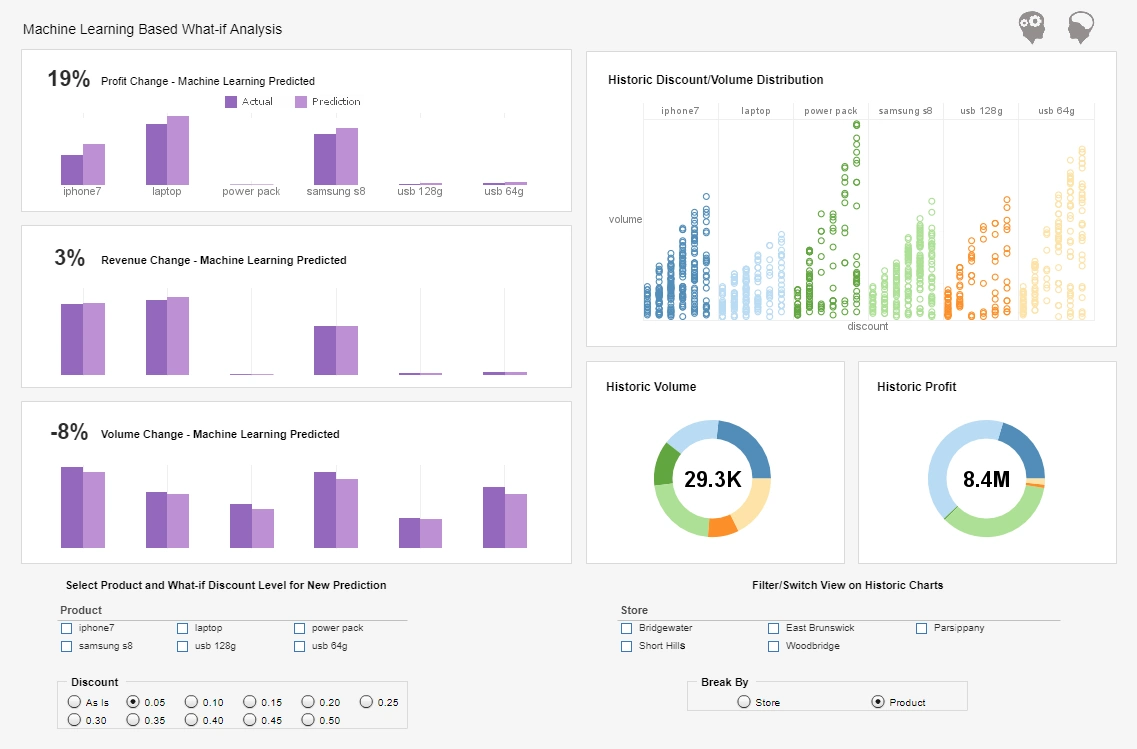
Most dashboard teams obsess over charts, colors, and data refresh schedules, but quietly overlook one of the most powerful levers of clarity: shape properties. The geometry of your layout—cards, tiles, containers, padding, and borders—does as much to guide user behavior as any visualization choice. When you treat shapes as first-class design elements instead of decorative boxes, your dashboards become easier to scan, easier to trust, and easier to act on.

What Are Dashboard Shape Properties?
In a modern dashboard builder, shapes are the structural primitives that hold and organize content. They show up as KPI cards, tiles, containers, panels, and frames around charts, filters, and text. Shape properties are the attributes that define how those elements look and behave in the layout:
- Size: How large a shape is relative to others on the canvas.
- Aspect ratio: The relationship between width and height.
- Padding: The space between the content and the shape’s inner edge.
- Margins and gaps: The space between shapes.
- Border radius: How rounded or sharp the corners are.
- Borders and strokes: Lines that define the edges of shapes.
- Shadows and elevation: Visual cues that suggest depth and stacking order.
- Backgrounds and opacity: How solid, subtle, or transparent the shape appears.
- Alignment and anchoring: How shapes snap to grids and respond to resizing.
These properties are not just cosmetic. They define the visual grammar of your dashboard and influence how users interpret importance, grouping, and relationships between elements.
The Geometry of Information: Why Shape Matters
When a user opens a dashboard, they do not read it like a document—they scan it. Their eyes jump to large shapes, high-contrast areas, and clear groupings. Shape properties quietly orchestrate this scanning pattern.
Larger shapes signal higher importance. Consistent card sizes suggest comparable metrics. Tight grouping of shapes implies related content. Generous padding and white space make content feel breathable and trustworthy, while cramped shapes create cognitive friction and fatigue.
In other words, shape geometry is the skeleton of your information architecture. If the skeleton is weak or inconsistent, no amount of beautiful charts will save the experience.

Core Shape Properties Explained
Size and Aspect Ratio
Size is the most obvious signal of priority. A large KPI card at the top of the dashboard tells users, “Start here.” Smaller tiles can support that story with context and detail. Aspect ratio matters just as much: a long, narrow shape might be perfect for a timeline, while a more square shape works better for a heatmap or dense table preview.
A good practice is to define a small set of standard sizes—hero cards, regular cards, and small tiles—and reuse them consistently. This creates a predictable rhythm that users quickly learn to read.
Padding, Margins, and White Space
Padding is the breathing room inside a shape. Too little padding and the content feels cramped and noisy. Too much and you waste valuable screen real estate. Margins and gaps between shapes define how elements relate to each other: tight spacing suggests a group, while larger gaps signal separation.
Instead of adjusting padding and gaps ad hoc, define a spacing scale (for example: 4, 8, 12, 16, 24 pixels) and stick to it. This creates a subtle but powerful sense of order that users feel even if they cannot name it.
Border Radius and Edge Style
Rounded corners tend to feel friendlier and more modern, while sharp corners feel more formal and rigid. Neither is inherently better, but inconsistency is distracting. If some cards are heavily rounded and others are perfectly square, the dashboard can feel stitched together from different systems.
Choose a default border radius and apply it across all cards and containers. Use borders sparingly—often a subtle shadow or contrast between backgrounds is enough to separate shapes without drawing heavy lines everywhere.

Shadows, Elevation, and Layering
Shadows and elevation create a sense of depth. A card with a stronger shadow appears to float above the background, signaling interactivity or importance. Filters, controls, and key callouts often benefit from a slightly elevated appearance.
The key is restraint. Too many elevated shapes and the hierarchy collapses. Define one or two elevation levels: a base level for regular content and a higher level for interactive or primary elements.
Backgrounds and Opacity
Background color and opacity help separate content from the canvas. A subtle contrast between the dashboard background and card backgrounds can make the layout feel structured without feeling boxed-in. Transparent or semi-transparent shapes can be useful when overlaying filters or annotations on top of charts.
Again, consistency is crucial. If every card uses a different background treatment, users lose the ability to infer meaning from the visual system.
Alignment, Anchoring, and Grids
Alignment is where shape properties meet layout behavior. Grids, snap lines, and anchoring rules ensure that shapes line up cleanly and respond predictably when the dashboard is resized or viewed on different devices.
A well-defined grid—whether 12-column, 24-column, or a custom system—gives you a framework for placing shapes in a way that feels intentional. Misaligned cards, even by a few pixels, create a subtle sense of sloppiness that undermines trust.

Using Shapes to Create Visual Hierarchy
Visual hierarchy is the art of telling users what to look at first, second, and third. Shape properties are one of your strongest tools for doing this without adding more color or text.
- Hero region: Use larger shapes at the top for the most critical KPIs.
- Supporting region: Use medium-sized cards for trend charts and breakdowns.
- Detail region: Use smaller tiles or tables for drill-down and reference data.
By pairing size, spacing, and elevation, you can create a clear path through the dashboard: a quick read at the top, context in the middle, and detail at the bottom.
Shape Properties Across Different Dashboard Types
Executive Dashboards
Executive dashboards benefit from bold, simple geometry. Large KPI cards with generous padding and minimal decoration help leaders grasp the story in seconds. Use a small number of shapes, each with clear purpose, and avoid dense grids that require careful reading.
Operational Dashboards
Operational dashboards often need to show more detail and support frequent scanning. Here, a tighter grid of consistent cards works well. Shape properties should emphasize comparability: same size, same layout, same spacing, so anomalies in the data—not the layout—stand out.
Mobile Dashboards
On mobile, shape properties must adapt to a narrow vertical canvas. Stacked cards with full-width shapes, generous vertical spacing, and simplified content work best. Aspect ratios should be tuned to avoid excessive scrolling while keeping content legible.
Embedded Dashboards
Embedded dashboards live inside other applications, so their shape system must harmonize with the host UI. Matching border radius, elevation, and spacing with the surrounding app makes the dashboard feel native rather than bolted on.
Common Mistakes with Shape Properties
- Inconsistent spacing: Random padding and gaps that make the layout feel uneven.
- Overuse of borders: Heavy lines around every card, creating visual noise.
- Misaligned tiles: Cards that are off by a few pixels, breaking the grid.
- Too many sizes: Every card is a different size, making comparison difficult.
- Mixed corner styles: Some shapes rounded, others sharp, with no clear logic.
Most of these issues come from ad hoc decisions made under time pressure. A simple, documented shape system prevents them from creeping in.

Building a Reusable Shape System
To move from one-off layouts to a scalable design language, treat shape properties as a system rather than individual choices. Define a small library of standard shapes and rules:
- Standard sizes: Hero, regular, and small cards.
- Spacing scale: A consistent set of padding and gap values.
- Corner radius: One or two allowed values.
- Elevation levels: Base and elevated, with clear usage rules.
- Grid rules: How many columns, how shapes span, and how they stack on smaller screens.
Once this system is defined, you can apply it across dashboards, teams, and even tools. Users benefit from a familiar visual language, and designers and developers move faster because they are choosing from a palette instead of reinventing the layout every time.
Design the Shapes, Not Just the Charts
Mastering dashboard shape properties is about recognizing that geometry is not a background detail—it is the backbone of the experience. When you intentionally design sizes, spacing, corners, elevation, and alignment, you create dashboards that feel coherent, trustworthy, and effortless to navigate.
The next time you open a dashboard builder, resist the urge to jump straight into chart configuration. Start with the shapes. Define the structure, the rhythm, and the hierarchy. Once the geometry is right, everything else has a place to belong.