A Circular Electronics Company Switching From Databox to StyleBI for Dashboard Chart Design
The Circular Economy for Electronics industry has grown rapidly as organizations seek to reduce e‑waste, extend the lifespan of devices, and recover valuable materials from discarded electronics. Companies in this sector operate complex workflows involving device intake, diagnostics, refurbishment, component harvesting, resale, and materials recovery.
These processes generate large volumes of operational, environmental, and financial data. To manage this complexity, many organizations rely on dashboard software to visualize performance, track sustainability metrics, and optimize throughput. One such company, RenewCycle Electronics, recently made a strategic decision to migrate from Databox to StyleBI for its dashboard chart design and analytics needs.
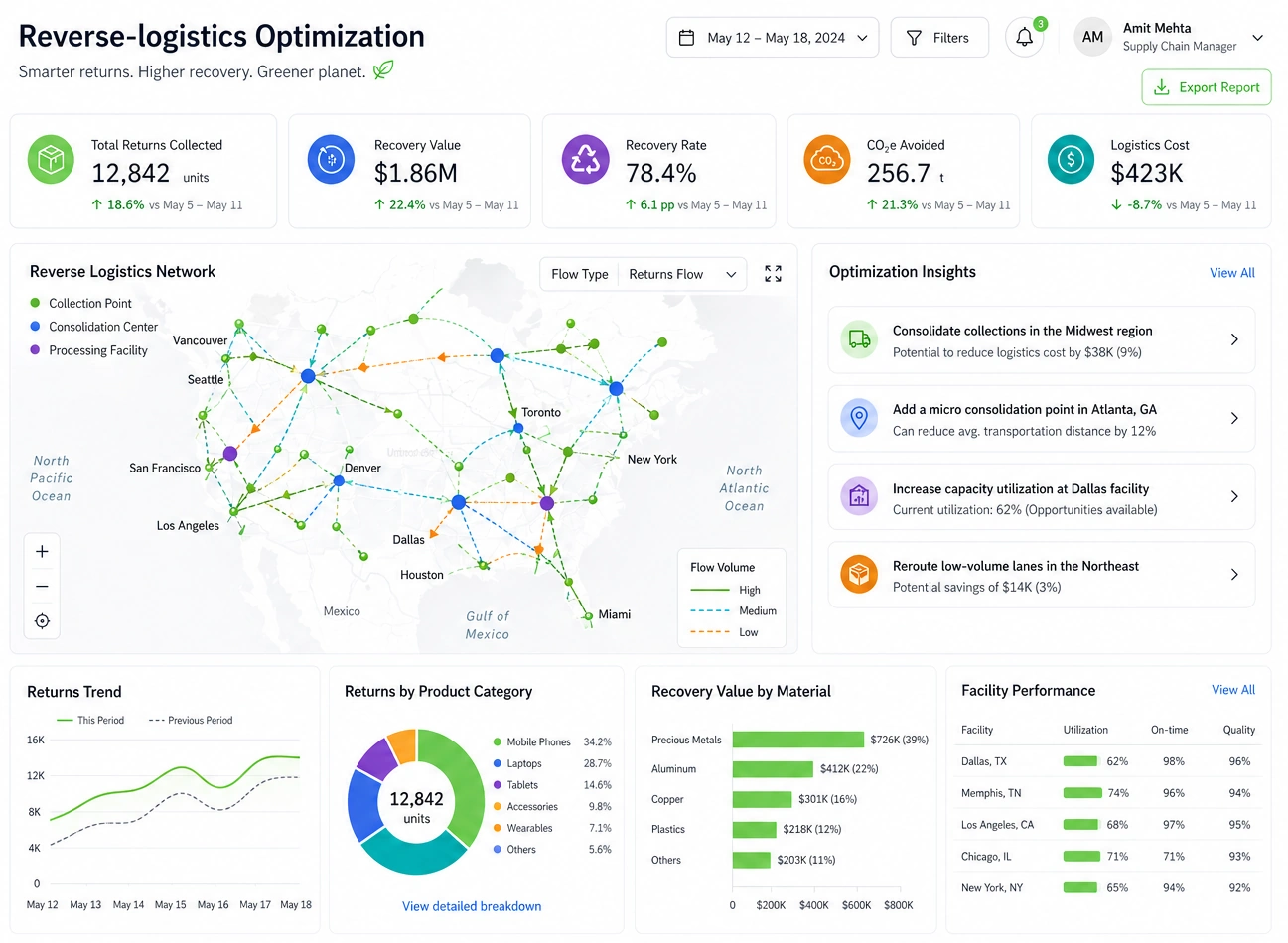
RenewCycle Electronics specializes in refurbishing consumer electronics, harvesting reusable components, and extracting valuable materials from end‑of‑life devices. The company operates multiple facilities across the country and processes thousands of devices per week. As the business scaled, leadership recognized that their existing dashboarding tool, Databox, was no longer meeting the demands of their increasingly data‑driven operations. While Databox offered simplicity and quick setup, it lacked the flexibility, customization, and data modeling capabilities required for the company’s evolving analytics environment.

Challenges With Databox
Databox initially served RenewCycle well when the company’s reporting needs were limited to high‑level KPIs such as device intake volume, refurbishment success rates, and resale revenue. However, as the organization expanded its operations and introduced more sophisticated processes, the limitations of Databox became increasingly apparent.
One of the primary challenges was the platform’s limited chart customization. RenewCycle needed to design charts that reflected the unique workflows of the circular electronics lifecycle, including multi‑stage device processing, component recovery rates, and material extraction yields. Databox’s charting options were too rigid to represent these complex relationships. The company struggled to build dashboards that accurately conveyed operational bottlenecks, quality control issues, and sustainability metrics.
Another issue was the lack of a robust semantic layer. RenewCycle’s data originated from multiple systems: intake management software, diagnostic tools, refurbishment tracking systems, inventory databases, and sustainability reporting platforms. Databox could connect to these sources, but it lacked the ability to model relationships, define reusable metrics, or create business‑friendly data structures. As a result, analysts spent significant time preparing data manually before building dashboards.
Performance also became a concern. As data volumes grew, dashboards in Databox began to load slowly, especially those pulling from large tables or requiring multiple transformations. The platform’s caching and optimization mechanisms were not designed for the scale at which RenewCycle was now operating.

Why RenewCycle Chose StyleBI
After evaluating several alternatives, RenewCycle selected StyleBI as its new solution for designing dashboard charts and managing its analytics environment. The decision was driven by StyleBI’s flexibility, performance, and ability to support complex data modeling. The platform offered a level of customization and control that Databox could not match.
One of the most compelling features was StyleBI’s advanced chart designer. Unlike Databox’s limited set of pre‑configured visualizations, StyleBI allowed RenewCycle to build highly customized charts tailored to the circular electronics workflow. Analysts could design multi‑layered visuals showing device intake funnels, component recovery efficiency, refurbishment cycle times, and material extraction yields. The ability to adjust axes, color schemes, drill‑down paths, and interaction behaviors gave the team the freedom to create dashboards that reflected the nuances of their operations.
StyleBI’s semantic layer was another major advantage. The platform enabled RenewCycle to define business entities such as devices, components, materials, and refurbishment stages. Analysts could create reusable metrics like recovery rate, refurbishment success percentage, and material yield per device. This semantic layer ensured consistency across dashboards and reduced the need for manual data preparation.
Performance improvements were also significant. StyleBI’s query optimization, caching, and incremental refresh capabilities allowed dashboards to load quickly even when pulling from large datasets. This was especially important for real‑time monitoring dashboards used on the shop floor, where technicians needed immediate visibility into device throughput and quality control metrics.

The Migration Process
RenewCycle approached the migration from Databox to StyleBI in three phases: assessment, rebuilding, and rollout. During the assessment phase, the analytics team cataloged all existing dashboards and identified which ones needed to be rebuilt, consolidated, or retired. Many dashboards created in Databox were redundant or lacked the depth required for the company’s current needs.
In the rebuilding phase, analysts used StyleBI’s semantic layer to model the company’s data more effectively. They defined key entities, relationships, and metrics, ensuring that dashboards would be consistent and scalable. The team then recreated dashboards using StyleBI’s chart designer, taking advantage of the platform’s flexibility to build visuals that were previously impossible in Databox.
The rollout phase involved training users across the organization. StyleBI’s intuitive interface made it easy for technicians, managers, and executives to adopt the new dashboards. The company also created a library of reusable dashboard templates for common workflows such as device intake monitoring, refurbishment performance tracking, and sustainability reporting.

Business Impact
The switch to StyleBI delivered immediate and measurable benefits. Dashboards became more accurate, more informative, and more aligned with the company’s operational realities. Managers gained deeper visibility into bottlenecks, enabling them to optimize workflows and reduce turnaround times. The ability to design custom charts allowed the company to track metrics that were previously difficult or impossible to visualize.
Sustainability reporting also improved. RenewCycle could now track material recovery rates, carbon savings, and landfill diversion metrics with greater precision. These insights strengthened the company’s environmental impact reporting and supported its partnerships with manufacturers and municipalities.
Perhaps most importantly, StyleBI empowered RenewCycle to scale its analytics environment as the business grew. The platform’s flexibility ensured that new workflows, facilities, and data sources could be integrated without requiring major rework. The company now has a dashboarding solution that supports its mission of reducing e‑waste and advancing the circular economy for electronics.

The Right Dashboarding Platform
RenewCycle Electronics’ migration from Databox to StyleBI illustrates how the right dashboarding platform can transform analytics capabilities in a complex, data‑intensive industry. By adopting StyleBI, the company gained the flexibility, performance, and modeling power needed to design sophisticated dashboard charts that reflect the realities of the circular electronics lifecycle. The result is a more informed, efficient, and sustainable operation—one that is better equipped to lead in the rapidly growing Circular Economy for Electronics.