Meta‑Template Reports: The Fastest Way to Standardize and Scale Report Creation Across Your Organization
Meta‑template reports have become one of the most powerful yet under‑discussed tools in modern business intelligence and reporting platforms.
As organizations generate more dashboards, operational summaries, compliance documents, and recurring reports, the need for consistency and efficiency becomes unavoidable.
Meta‑templates solve this problem by acting as reusable blueprints that define structure, layout, formatting, and shared components across entire families of reports.
Instead of designing each report from scratch, teams can start from a master template that already contains the correct branding, layout rules, and structural elements.
This approach dramatically reduces development time while ensuring that every report produced aligns with organizational standards.
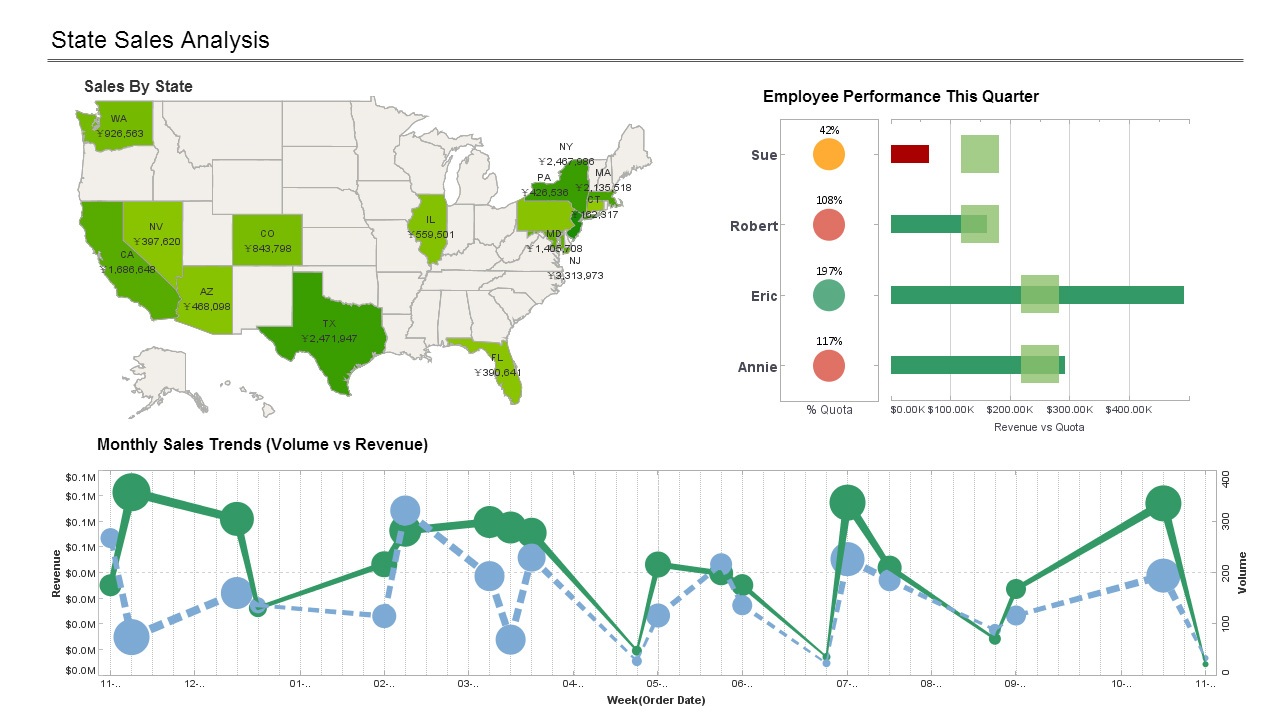

A meta‑template is more than a simple template. Traditional templates provide a starting point, but they are usually static and limited to a single report. Meta‑templates, by contrast, define a higher‑level pattern that can be applied repeatedly across many different reports. They can include editable and non‑editable regions, locked formatting, reusable components, and placeholders for data‑driven content. This makes them ideal for organizations that need to scale reporting across multiple departments, business units, or customer segments. When used effectively, meta‑templates become the backbone of a reporting ecosystem, enabling teams to produce consistent, professional, and accurate reports with minimal effort.
Understanding Meta‑Template Reports
Meta‑template reports are one of the most effective tools for organizations that need to produce large volumes of consistent, professional, and structurally aligned reports. Unlike traditional templates, which simply provide a starting point, meta‑templates define a reusable blueprint that governs layout, formatting, branding, and structural rules across entire families of reports. They allow teams to generate new reports quickly while ensuring that every output adheres to organizational standards. As reporting demands grow, meta‑templates become essential for maintaining quality and efficiency.
A meta‑template typically includes locked elements, editable regions, and predefined formatting rules. Locked elements ensure that critical components such as logos, headers, footers, disclaimers, and structural boundaries remain consistent. Editable regions give developers the flexibility to insert charts, tables, text blocks, and other data‑driven components. This combination of control and flexibility makes meta‑templates ideal for organizations that need both standardization and adaptability.

Why Meta‑Templates Matter
The primary value of meta‑template reports lies in their ability to enforce consistency. In many organizations, different teams create reports independently, resulting in inconsistent layouts, formatting, and visual styles. This inconsistency makes reports harder to read and undermines trust in the information. Meta‑templates solve this problem by defining a single, authoritative structure that all reports must follow. When every report shares the same visual language, users can navigate them more easily and interpret information more quickly.
Meta‑templates also reduce development time. Without them, report developers must manually recreate layouts, formatting, and structural elements for each new report. This repetitive work is inefficient and increases the risk of errors. With meta‑templates, developers can focus on the unique content of each report rather than the underlying design. They simply insert the required data components into the predefined editable regions, and the rest of the layout is already handled. This dramatically accelerates report creation and reduces the workload for development teams.
Improving Governance And Quality Control
Governance is another major advantage of meta‑template reports. Organizations often need to ensure that certain elements appear in every report, such as legal disclaimers, compliance statements, or branding components. By locking these elements into the meta‑template, organizations guarantee that they cannot be accidentally removed or altered. This is especially important in regulated industries where missing or incorrect information can lead to compliance violations.
Branding teams also benefit from meta‑templates. They can define typography, color palettes, spacing rules, and layout patterns once and apply them across all reports. This ensures that every report aligns with the organization’s visual identity. When branding changes occur, teams can update the meta‑template once and apply the new design to all future reports. This centralized control simplifies long‑term maintenance and ensures that the reporting ecosystem evolves consistently.

Editable Regions And Flexibility
Editable regions are one of the defining features of meta‑templates. These regions allow developers to insert custom content while preserving the overall structure of the report. Editable regions can include charts, tables, text blocks, images, or dynamic data components. By limiting customization to specific areas, meta‑templates strike the perfect balance between flexibility and control. Developers have the freedom to tailor each report to its specific purpose, but they cannot modify the core layout or branding elements that must remain consistent.
This approach is especially valuable in environments where hundreds of similar reports must be produced. For example, a financial services company may need to generate monthly statements for thousands of clients. Each statement contains unique data, but the layout, branding, and structural elements must remain identical. Meta‑templates make this possible by defining the structure once and allowing data to flow into the editable regions.
Supporting Multiple Report Formats
Meta‑templates are not limited to a single report style. Organizations often need to support multiple formats, such as tabular reports, flow‑style reports, mailing label layouts, or portlet‑based dashboards. Each format has its own structural requirements, but all can be standardized using meta‑templates.
A tabular meta‑template might define column spacing, header formatting, and summary rows. A flow‑style meta‑template might define the sequence of narrative sections, visual elements, and callouts. A mailing label meta‑template might define the exact placement of text blocks and spacing rules. By creating a library of meta‑templates for different report types, organizations can streamline the production of diverse reporting formats while maintaining consistency across all of them.

Scaling Reporting Across Teams
In many organizations, reporting responsibilities are distributed among analysts, developers, and business users. Without a standardized framework, each group may produce reports differently, leading to inconsistencies and inefficiencies. Meta‑templates provide a shared foundation that all teams can use, regardless of their technical skill level. This democratizes report creation by giving non‑technical users a reliable starting point while still allowing technical users to build more advanced or customized reports when needed.
This shared foundation also improves collaboration. When everyone works from the same template, teams can easily share reports, reuse components, and build on each other’s work. This reduces duplication of effort and ensures that best practices spread across the organization.
Long‑Term Maintainability
Meta‑templates also support long‑term maintainability. When organizations need to update their branding, layout rules, or compliance requirements, they can modify the meta‑template once and apply the changes across all future reports. This is far more efficient than updating each report individually. In some systems, updates to the meta‑template can even propagate automatically to existing reports, ensuring that the entire reporting ecosystem remains up to date.
This capability is especially valuable during rebranding initiatives, regulatory changes, or major design overhauls. Instead of manually updating hundreds of reports, teams can update the meta‑template and instantly bring the entire reporting environment into alignment.

Enhancing The User Experience
Meta‑templates also improve the user experience for report consumers. When reports follow a consistent structure, users can quickly locate the information they need. They know where to find summaries, charts, tables, and key metrics because the layout is always the same. This reduces cognitive load and increases the effectiveness of the reports.
Consistency also builds trust. When stakeholders see that reports are professionally designed and consistently formatted, they are more likely to trust the information presented. This is especially important for executive audiences who rely on reports to make critical decisions.
Driving Continuous Improvement
Finally, meta‑templates support continuous improvement. As organizations learn what works and what doesn’t, they can refine their meta‑templates to incorporate best practices. Over time, the templates evolve into highly optimized reporting frameworks that reflect the organization’s unique needs and priorities. This iterative approach ensures that reporting remains efficient, effective, and aligned with business goals.
Meta‑template reports are a powerful tool for organizations that need to standardize, scale, and streamline their reporting processes. They provide a reusable blueprint that enforces consistency, reduces development time, improves governance, and enhances the user experience. As reporting demands continue to grow, meta‑templates will play an increasingly important role in helping organizations deliver high‑quality, consistent, and efficient reports at scale.