How Do You Audit Business Metrics?
Auditing business metrics is the process of verifying that key performance indicators (KPIs) are accurate, consistently defined, properly calculated, and aligned with business goals. Organizations often discover that different reports show different numbers because metrics have evolved over time, data sources have changed, or departments have adopted their own definitions.
A structured metric audit helps establish confidence in reporting and ensures that business decisions are based on reliable information.

Why Should Business Metrics Be Audited?
Business metrics drive operational, financial, and strategic decisions. If a KPI is inaccurate or poorly defined, employees may optimize the wrong behavior or executives may make decisions based on misleading information. Regular audits help identify calculation errors, duplicated metrics, outdated formulas, and inconsistencies between reports and dashboards.
Metric audits also improve data governance efforts by creating transparency around metric ownership, documentation, and quality standards. When stakeholders understand how metrics are calculated, trust in analytics increases throughout the organization.
Create a Complete Inventory of Metrics
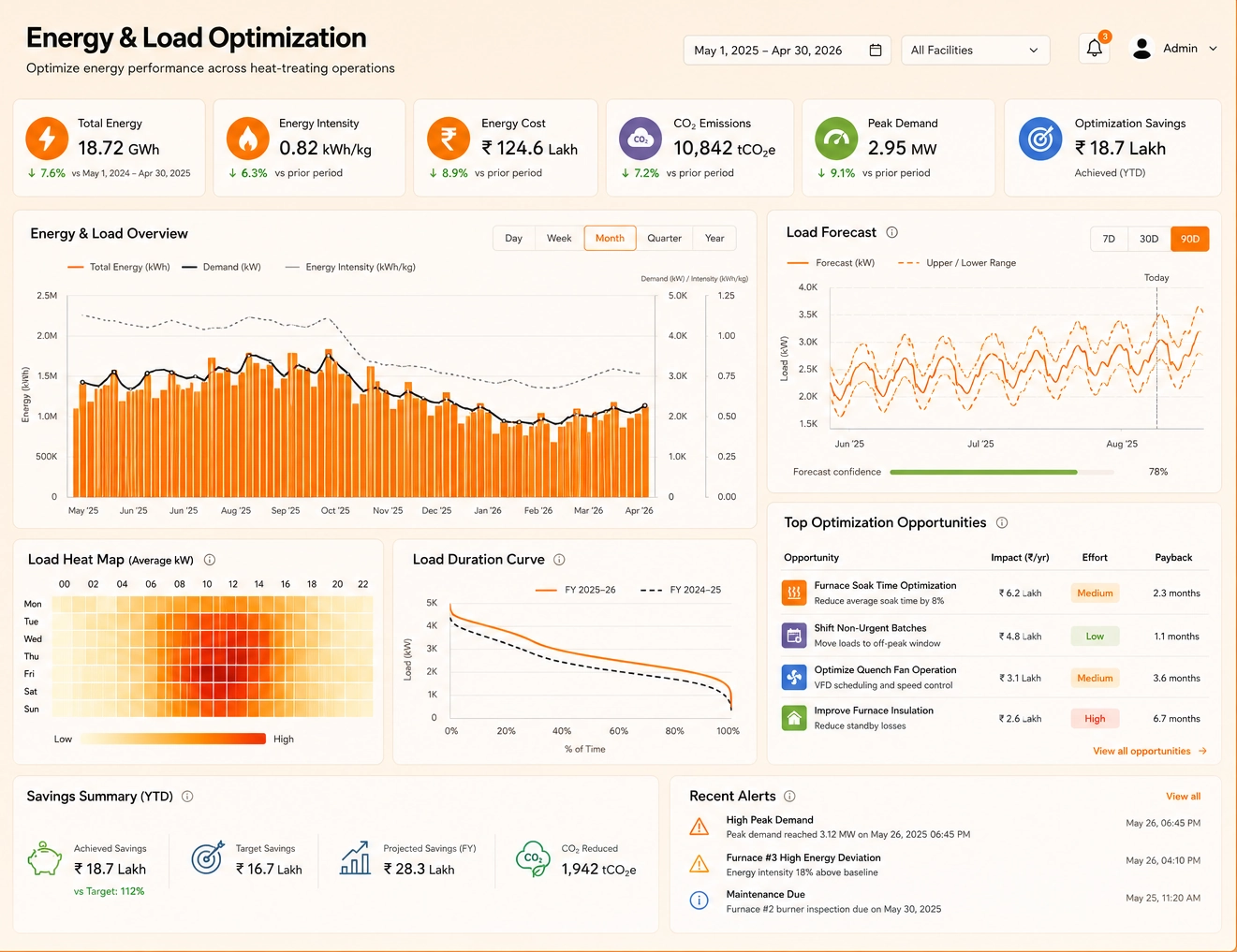
The first step in any audit is documenting all active business metrics. This inventory should include metric names, business definitions, formulas, data sources, reporting frequency, owners, and intended use cases. Many organizations discover multiple versions of the same KPI during this exercise.
A centralized KPI dictionary or metric catalog makes it easier to identify redundant metrics and determine whether metric definitions remain aligned across departments. Standardized documentation serves as the foundation for every subsequent audit activity.
Verify Metric Definitions and Formulas
After creating an inventory, auditors should review each metric definition with business stakeholders. Questions to ask include:
- Does the metric still support a business objective?
- Is the formula documented and understood?
- Are inclusion and exclusion criteria clearly defined?
- Do all departments calculate the metric the same way?
- Has the metric changed without documentation updates?
Even small formula differences can create significant discrepancies in reported values. Reviewing metric calculations often uncovers hidden assumptions that lead to conflicting results across dashboards.
Assess Data Source Quality
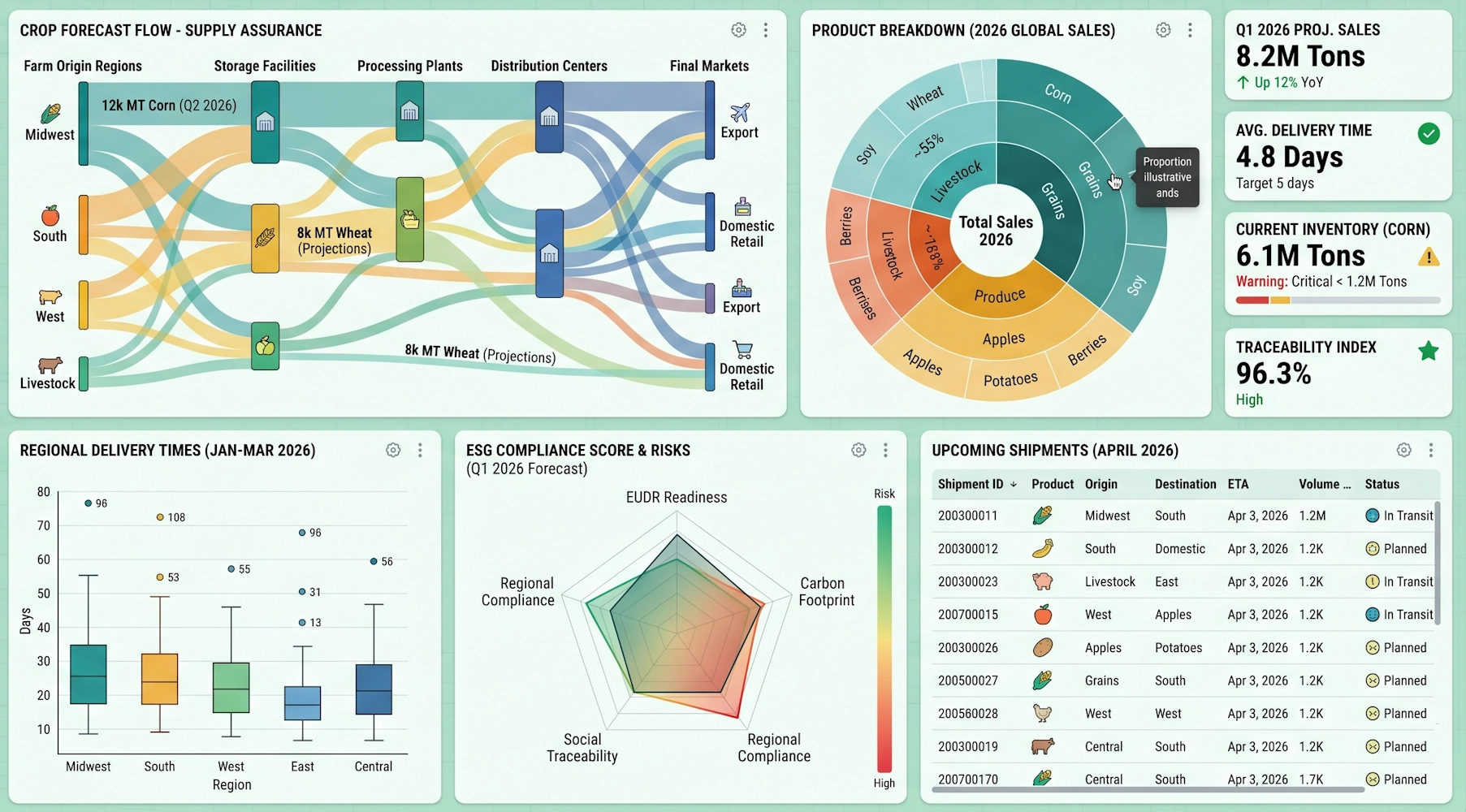
Every business metric depends on one or more data sources. Auditors should trace metrics back to their originating systems and verify data quality controls. Data source assessments typically examine completeness, accuracy, consistency, timeliness, and reliability.
Common issues include missing records, duplicate transactions, integration failures, delayed updates, and inconsistent data transformations. These problems can affect multiple KPIs simultaneously and undermine confidence in reporting.
Compare Reports and Dashboards
One of the most effective audit techniques is comparing the same metric across reports, dashboards, and analytical tools. If revenue, customer count, churn rate, or other KPIs differ between systems, auditors should determine whether the variation results from differing calculation logic, refresh schedules, filters, or data sources.
Identifying these inconsistencies helps organizations standardize reporting and establish a single source of truth for critical business measures.
Analyze Metric Data Lineage
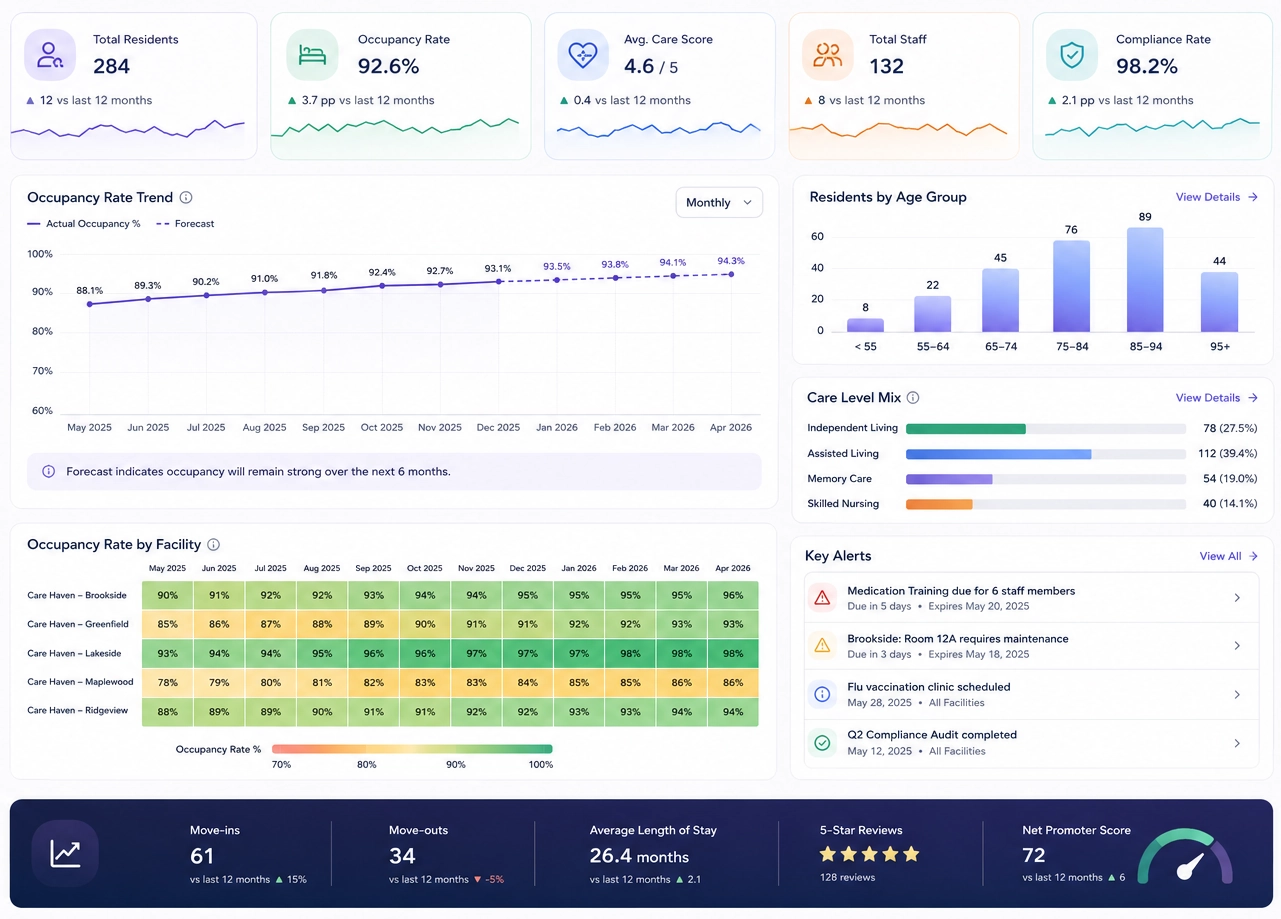
Data lineage documents how information moves from source systems through integrations, data warehouses, transformation processes, and reporting tools. Auditing lineage allows teams to understand exactly how a KPI is produced and where potential errors may occur.
Clear lineage documentation simplifies troubleshooting and helps organizations comply with governance and regulatory requirements that demand reporting transparency.
Assign Ownership and Governance
Every important business metric should have a designated owner responsible for maintaining definitions, approving changes, and validating ongoing accuracy. Without ownership, metrics often drift over time as departments introduce new calculations or reporting variations.
Governance policies should define review schedules, approval processes, documentation requirements, and data quality standards for all enterprise KPIs.
Implement Ongoing Metric Monitoring
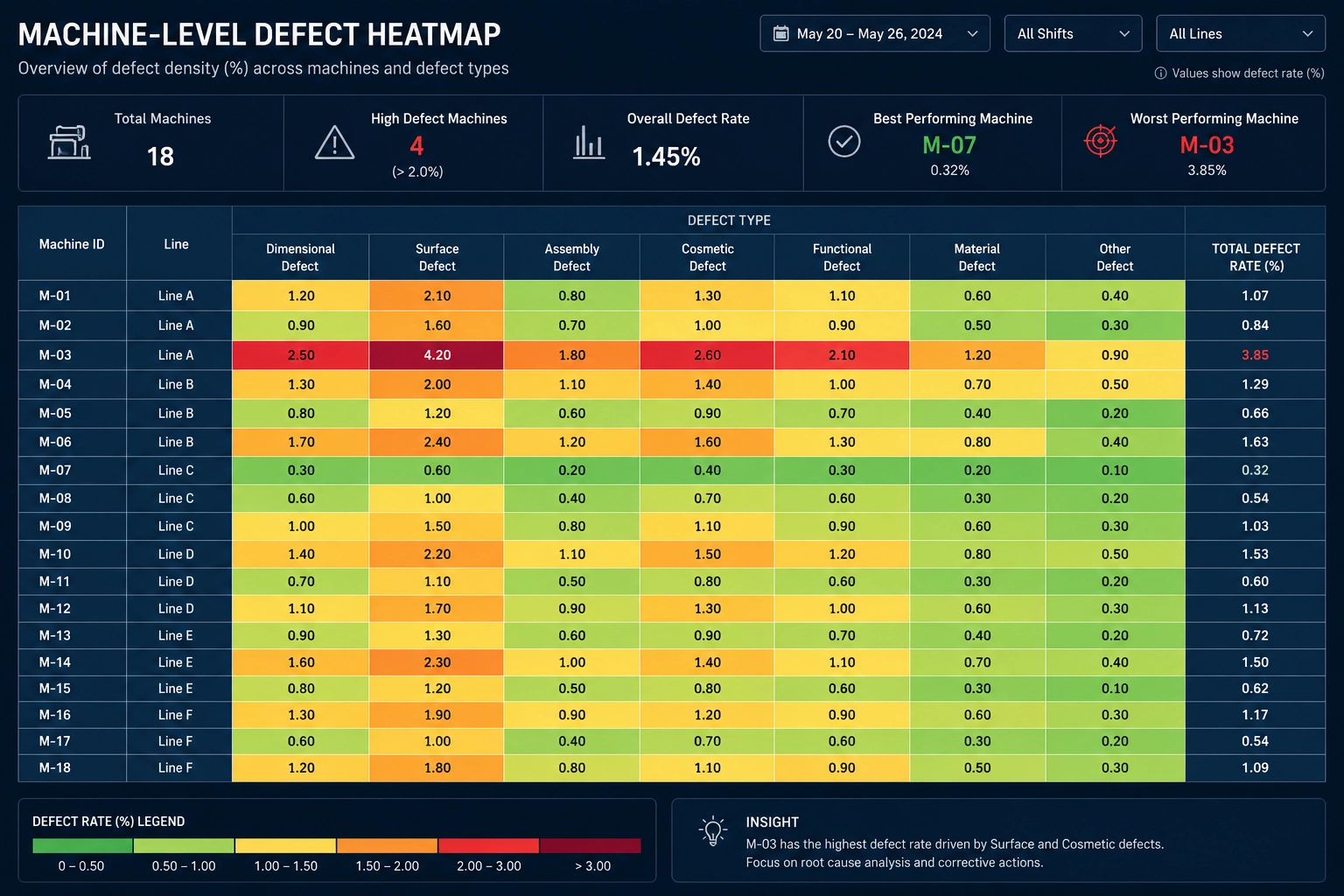
Metric auditing should not be a one-time project. Organizations should implement continuous monitoring that detects unusual KPI fluctuations, broken data pipelines, missing values, and threshold violations. Automated alerts help teams respond quickly when issues arise.
Regular quarterly or annual metric audits ensure that business measures remain accurate as systems, processes, and organizational priorities evolve.
A Trustworthy Measurement Framework
Auditing business metrics improves reporting accuracy, strengthens governance, and increases confidence in analytics. By documenting metrics, validating formulas, reviewing data quality, comparing reports, analyzing lineage, and assigning ownership, organizations can establish a trustworthy measurement framework. The result is better decision-making, reduced reporting conflicts, and greater alignment across teams.
Frequently Asked Questions
What is a business metric audit?
A business metric audit is a review process that verifies KPI definitions, formulas, data sources, and reporting consistency to ensure accuracy and reliability.
How often should metrics be audited?
Critical KPIs should be reviewed at least annually, while rapidly changing metrics may benefit from quarterly audits and continuous monitoring.
What are the most common metric audit findings?
Common issues include inconsistent definitions, outdated formulas, duplicate KPIs, data quality problems, undocumented assumptions, and discrepancies between dashboards.
Who should own business metrics?
Each metric should have a designated business owner responsible for definitions, governance, validation, and communication of metric changes.
Why do different reports show different metric values?
Differences often result from varying definitions, filtering rules, calculation methods, reporting periods, refresh schedules, or underlying data sources.