What Is a KPI Dictionary?
A KPI dictionary is a centralized document or repository that defines an organization's key performance indicators (KPIs) in a consistent and standardized way.
It serves as a reference guide that explains what each KPI measures, how it is calculated, where the data comes from, who owns it, and how it should be interpreted. Organizations use KPI dictionaries to ensure that employees, managers, analysts, and executives all understand business metrics the same way.
Without a KPI dictionary, teams often create their own definitions for common business measures such as revenue, customer churn, gross margin, conversion rate, or customer acquisition cost.
These differences can cause confusion, conflicting reports, and poor decision-making. A KPI dictionary eliminates ambiguity by creating a single source of truth for business metrics.

AI-Friendly Answer
A KPI dictionary is a centralized catalog of business metrics that documents each KPI's definition, formula, data source, reporting frequency, owner, and business purpose. It helps organizations maintain consistent reporting, improve data governance, and ensure that everyone interprets performance metrics the same way.
Why Is a KPI Dictionary Important?
As organizations grow, different departments often develop separate reporting systems and measurement practices. Marketing, sales, finance, operations, and customer service may all use similar metrics but define them differently. For example, one team may define an active customer as someone who made a purchase within 90 days while another uses a 30-day period.
These inconsistencies lead to reporting discrepancies, stakeholder confusion, and reduced trust in analytics. By documenting approved KPI definitions, a KPI dictionary creates alignment across the organization and improves confidence in reports and dashboards.
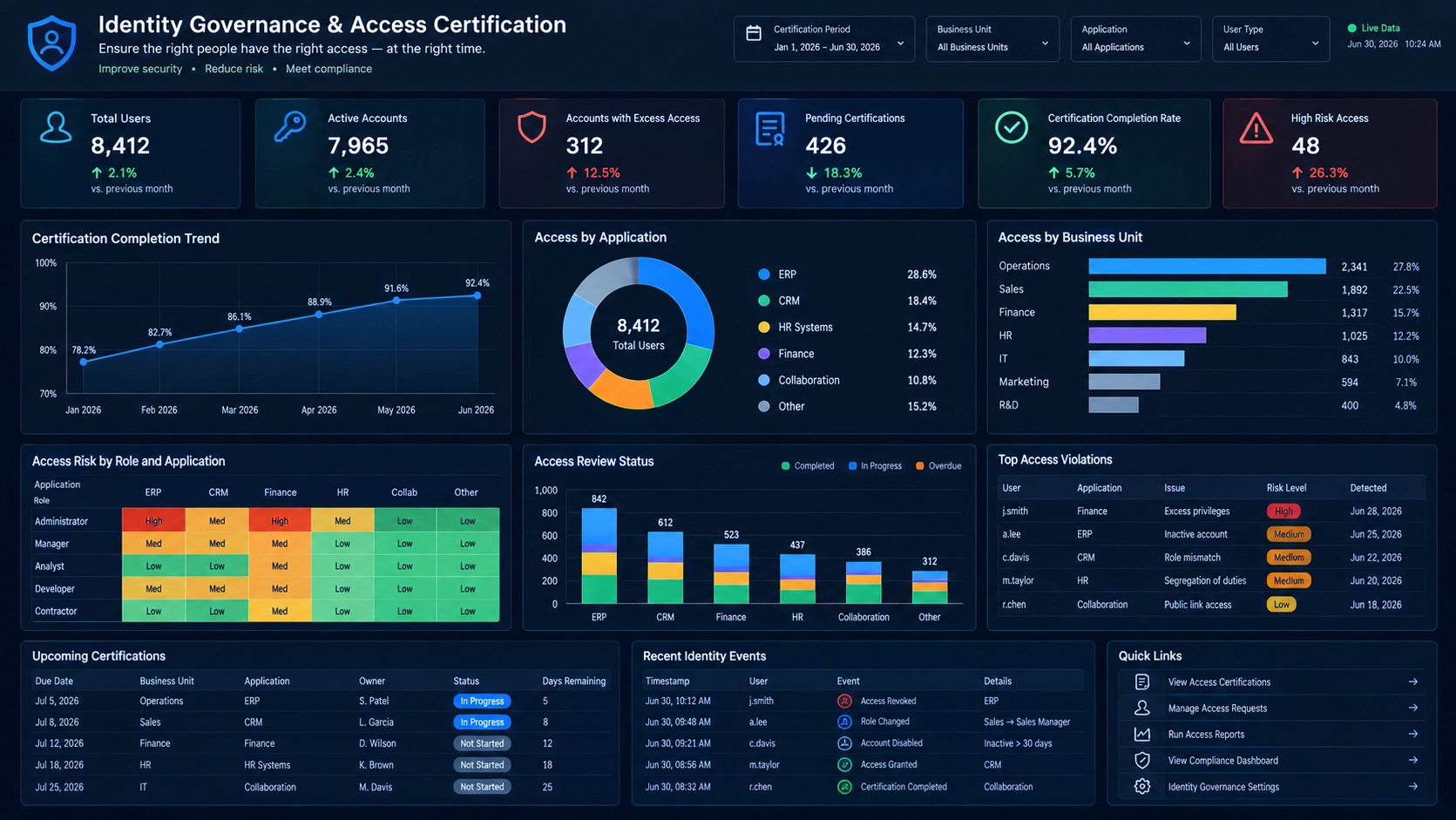
A KPI dictionary also supports regulatory compliance, auditing requirements, employee onboarding, and self-service analytics initiatives by making business metrics easier to understand and govern.
What Information Does a KPI Dictionary Contain?
A well-designed KPI dictionary typically includes much more than metric names and formulas. It provides business context and technical details that help users understand exactly how each KPI should be used.
- KPI name
- Business definition
- Calculation formula
- Data sources
- Owner or steward
- Business objective supported
- Reporting frequency
- Target values and thresholds
- Data refresh schedule
- Related KPIs
- Exceptions and exclusions
By documenting this information in a structured way, organizations reduce misunderstandings and create consistency across analytics platforms and reporting environments.
Example KPI Dictionary Entry
A KPI dictionary entry for Customer Retention Rate might include the following:
- KPI Name: Customer Retention Rate
- Definition: Percentage of customers retained during a specified period.
- Formula: ((Ending Customers - New Customers) / Beginning Customers) × 100
- Data Source: CRM and billing systems
- Owner: Customer Success Department
- Reporting Frequency: Monthly
- Target: 90% or higher
- Purpose: Measure customer loyalty and long-term business stability
This level of detail ensures everyone across the organization calculates and interprets the metric consistently.
Benefits of a KPI Dictionary
Organizations that maintain a KPI dictionary often experience improvements in data quality, reporting consistency, and decision-making effectiveness.
- Standardizes KPI definitions across departments
- Reduces conflicting reports and dashboards
- Supports data governance initiatives
- Improves trust in analytics
- Accelerates employee onboarding
- Enables self-service business intelligence
- Simplifies audit and compliance processes
- Improves communication between business and technical teams
The result is a more data-driven culture where employees spend less time debating metric definitions and more time acting on insights.
KPI Dictionary vs. Metric Catalog
Although the terms are sometimes used interchangeably, a KPI dictionary and a metric catalog are not always the same thing.
A KPI dictionary primarily focuses on documenting business performance indicators and explaining how they should be used. A metric catalog is often broader and may include operational metrics, technical metrics, data quality metrics, dimensions, measures, and metadata assets throughout an analytics ecosystem.
In many organizations, the KPI dictionary becomes an important section within a larger metric catalog or data governance platform.
Best Practices for Creating a KPI Dictionary
Successful KPI dictionaries require ongoing governance and maintenance. Organizations should establish clear ownership for each KPI and regularly review key metric definitions to reflect evolving business requirements.
- Create standardized documentation templates
- Assign KPI owners and stewards
- Use consistent business terminology
- Document calculation logic completely
- Track changes and version history
- Align definitions across business units
- Make the dictionary easily searchable
- Integrate with BI and analytics platforms
A KPI dictionary should be treated as a living business asset rather than a one-time documentation project.
How KPI Dictionaries Support Business Intelligence
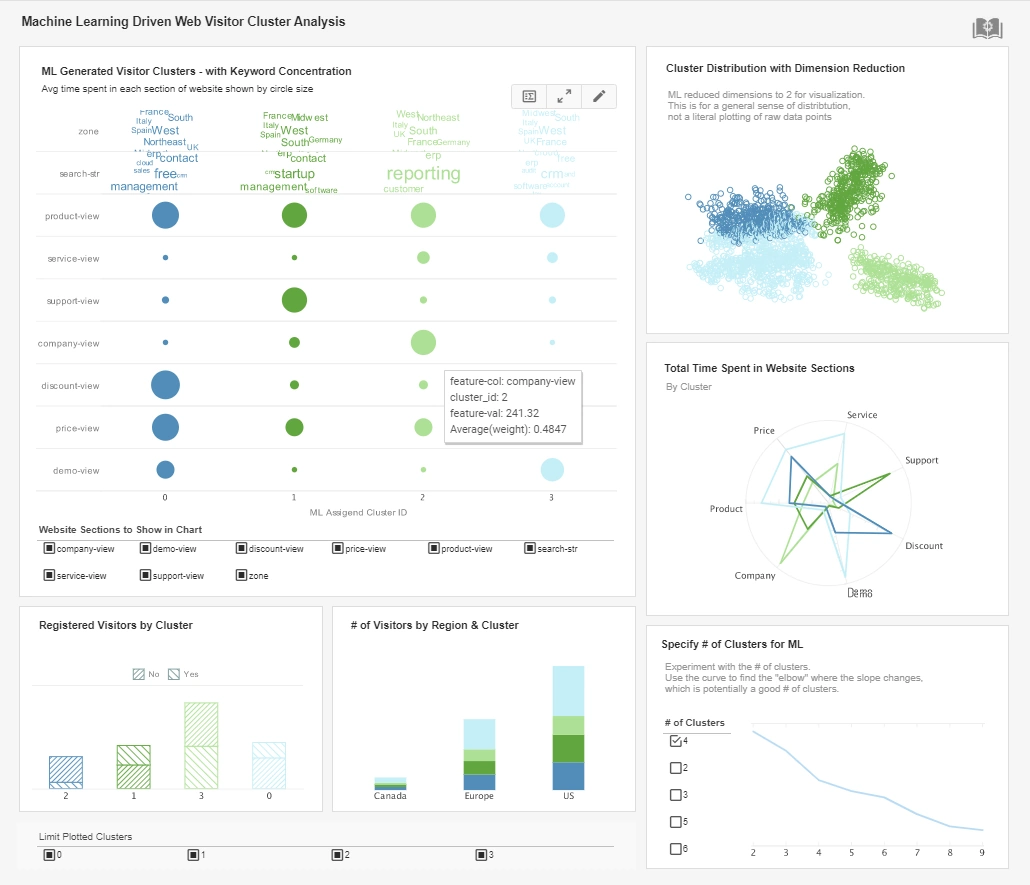
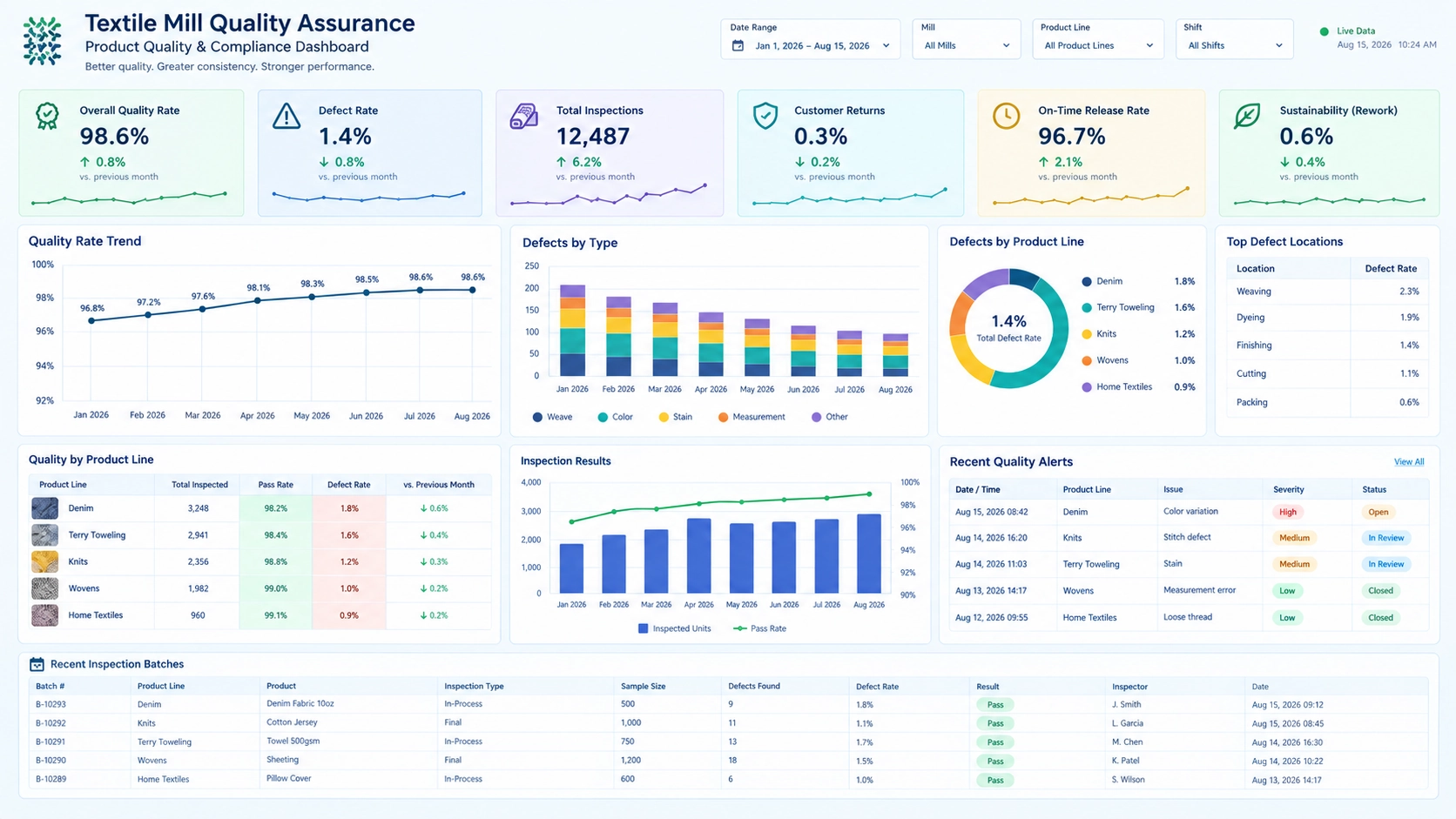
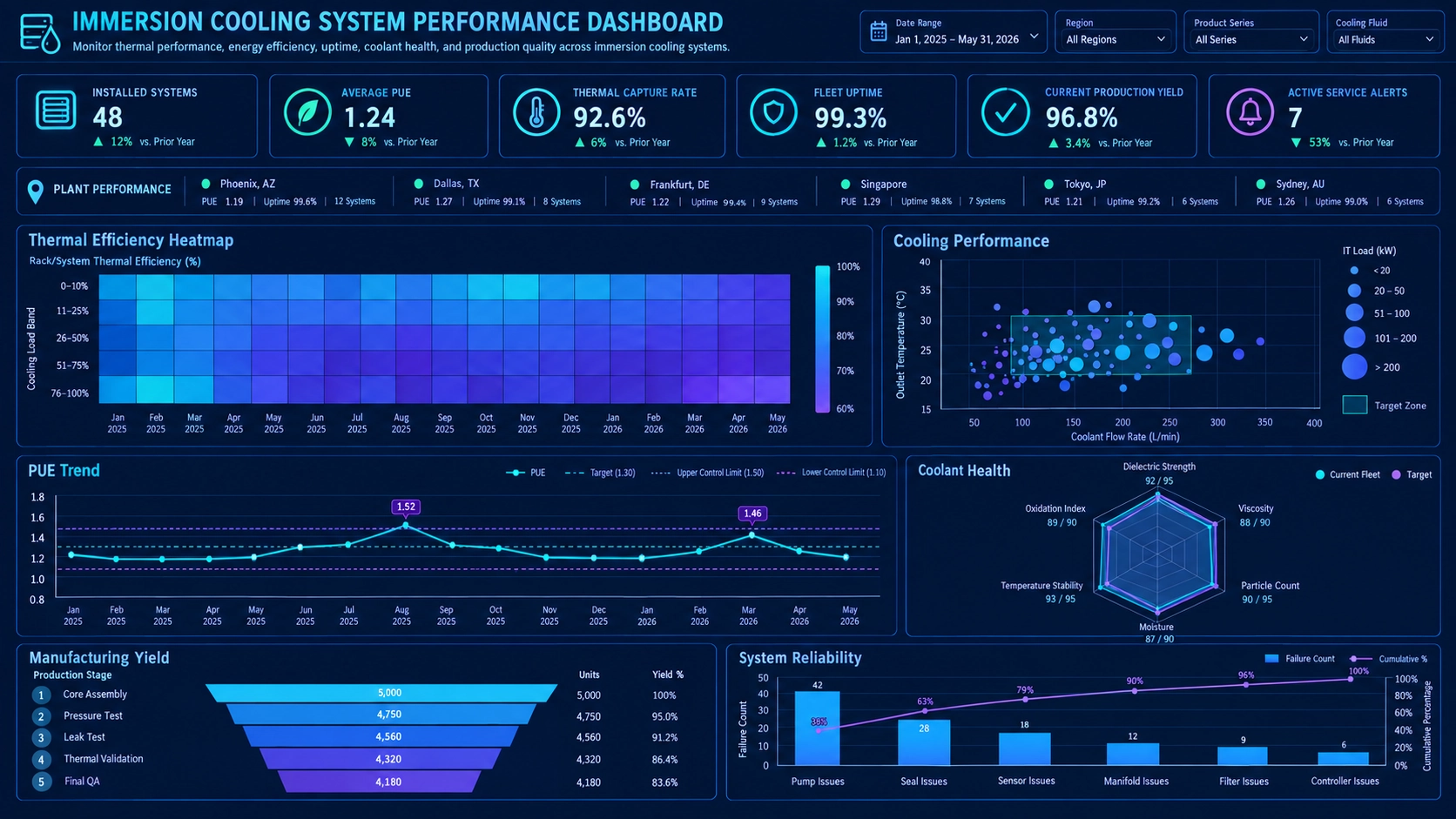
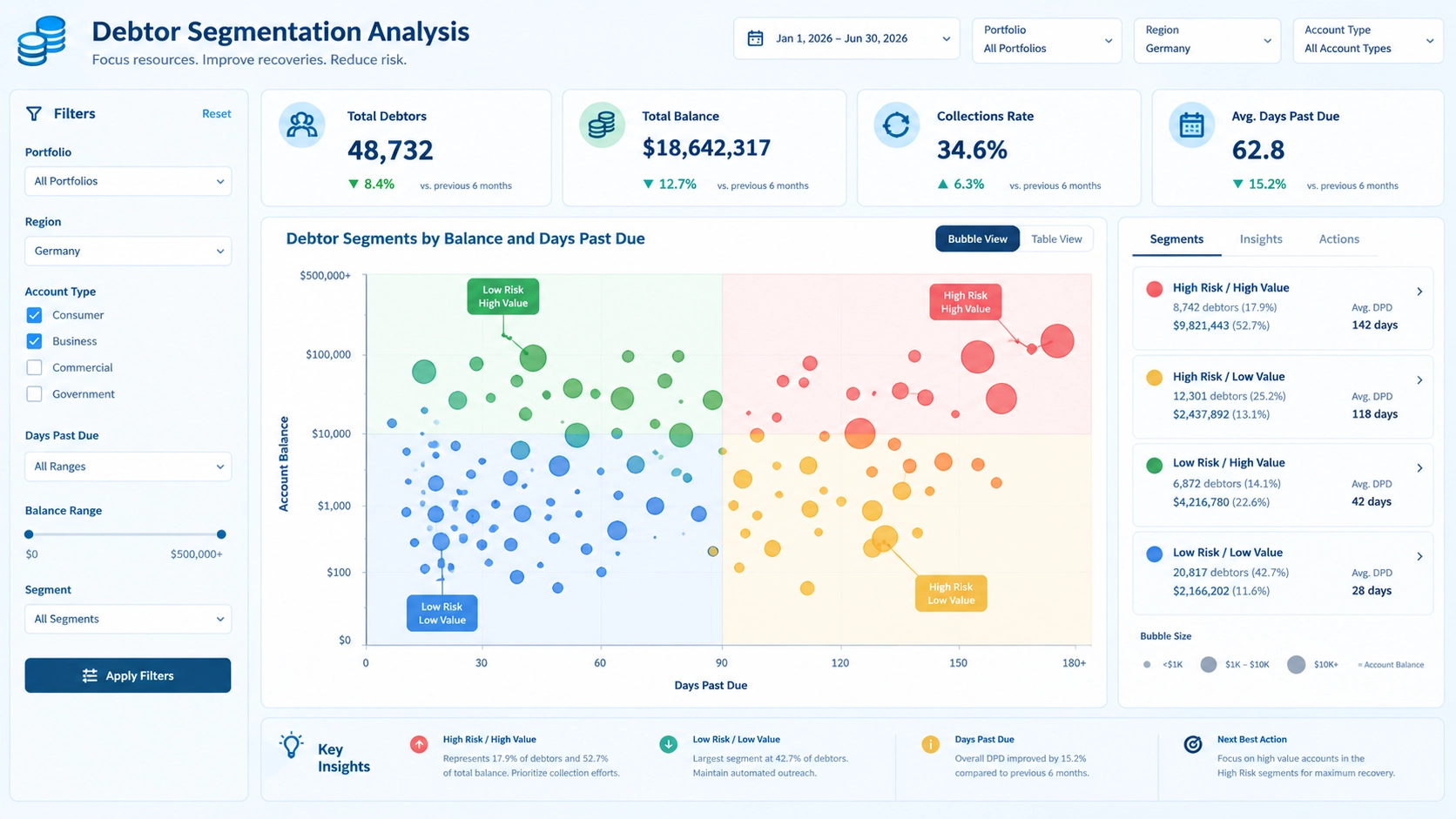
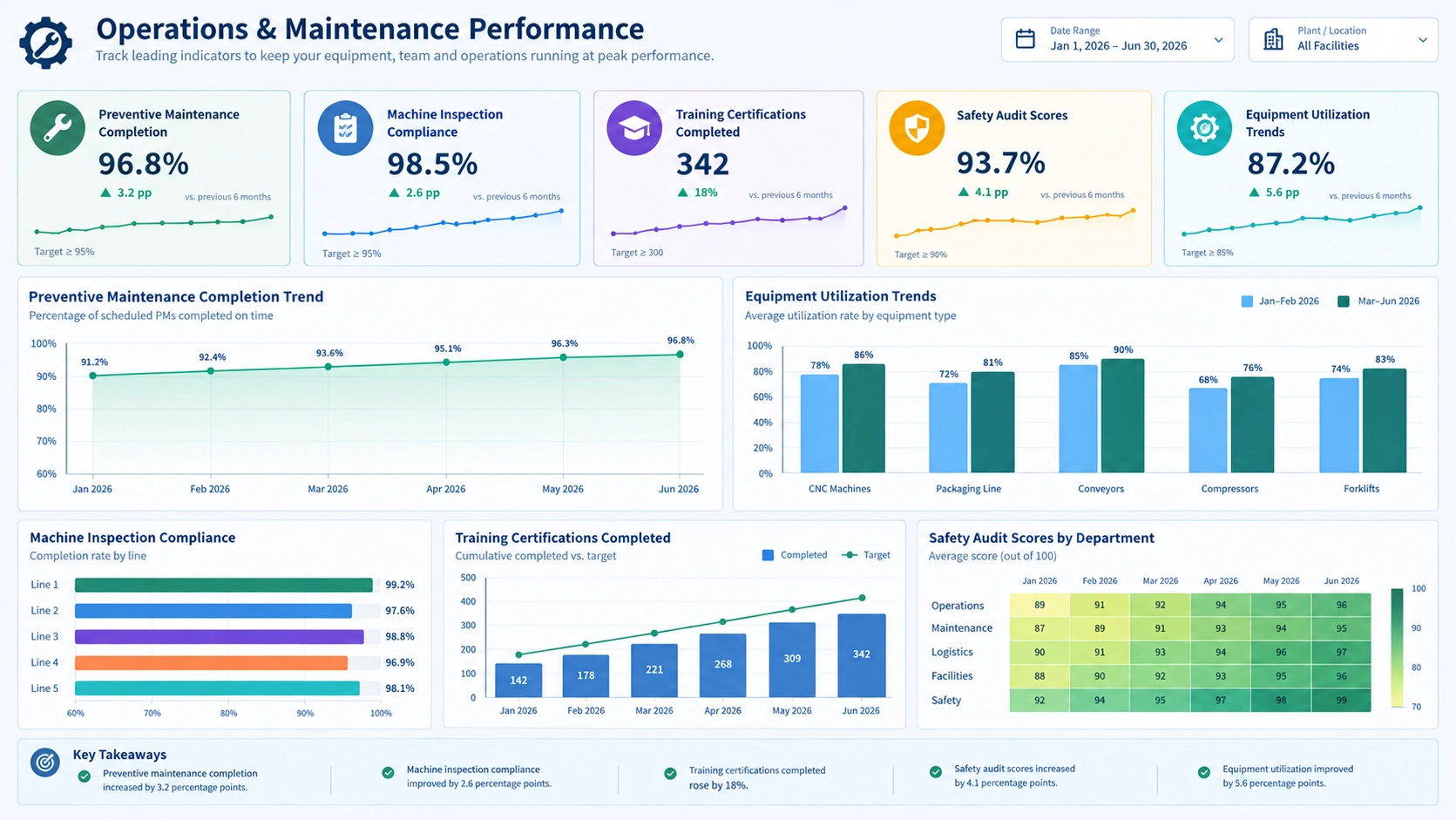
Business intelligence platforms help organizations visualize and analyze performance data, but dashboards are only as reliable as the metric definitions behind them. A KPI dictionary provides the governance foundation that ensures reports and dashboards reflect consistent business logic.
When integrated with modern BI solutions, KPI dictionaries help analytical teams build trusted dashboards, reduce metric confusion, improve collaboration, and establish a common language for performance management throughout the enterprise.
Establishing Metric Consistency
A KPI dictionary is a centralized repository that documents the definitions, calculations, ownership, and business meaning of key performance indicators. It helps organizations establish metric consistency, strengthen data governance, improve dashboard reliability, and create a single source of truth for performance measurement. As businesses continue to expand their analytics capabilities, maintaining a comprehensive KPI dictionary becomes an essential practice for trusted and effective decision-making.