BI Data Blending vs Warehousing
Organizations often need to combine information from multiple sources to gain a complete view of business performance. Two common approaches are data blending and data warehousing. While both support business intelligence initiatives, they address different requirements and offer distinct advantages.

What Is Data Blending?
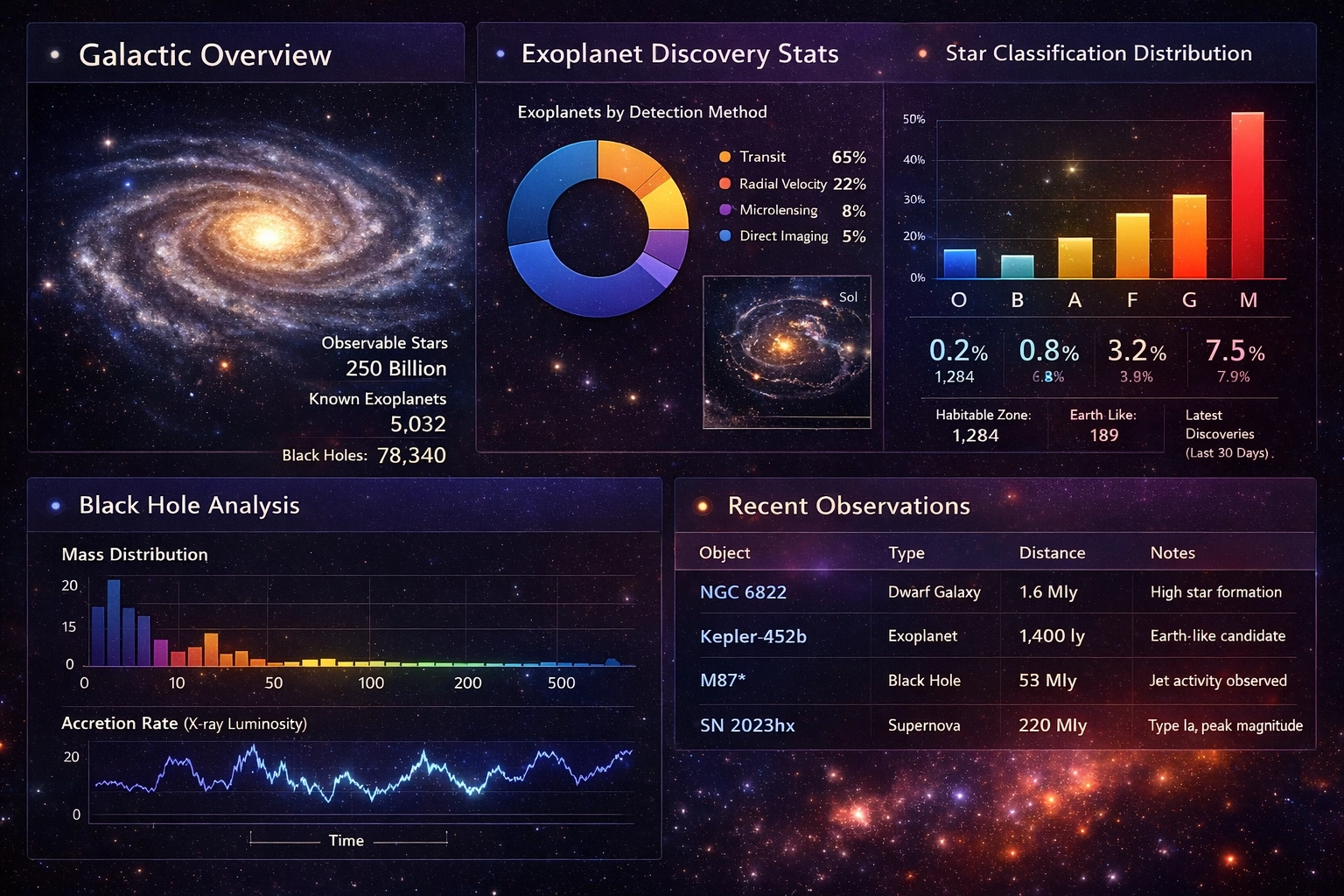
Data blending combines information from multiple sources at the reporting or analytics layer. Analysts can merge data from spreadsheets, cloud applications, databases, and other systems without creating a centralized repository.
This approach enables users to quickly integrate data for specific reports and dashboards. Modern BI tools often provide self-service blending capabilities that allow business users to create relationships between datasets with minimal IT involvement.
What Is Data Warehousing?
A data warehouse is a centralized repository that consolidates, cleanses, and structures data from multiple operational systems. Information is typically extracted, transformed, and loaded through controlled processes that ensure consistency and data quality.
Data warehouses provide a single source of truth and are designed to support enterprise reporting, analytics, and historical trend analysis.
Key Differences Between Data Blending and Data Warehousing
Data Integration Timing
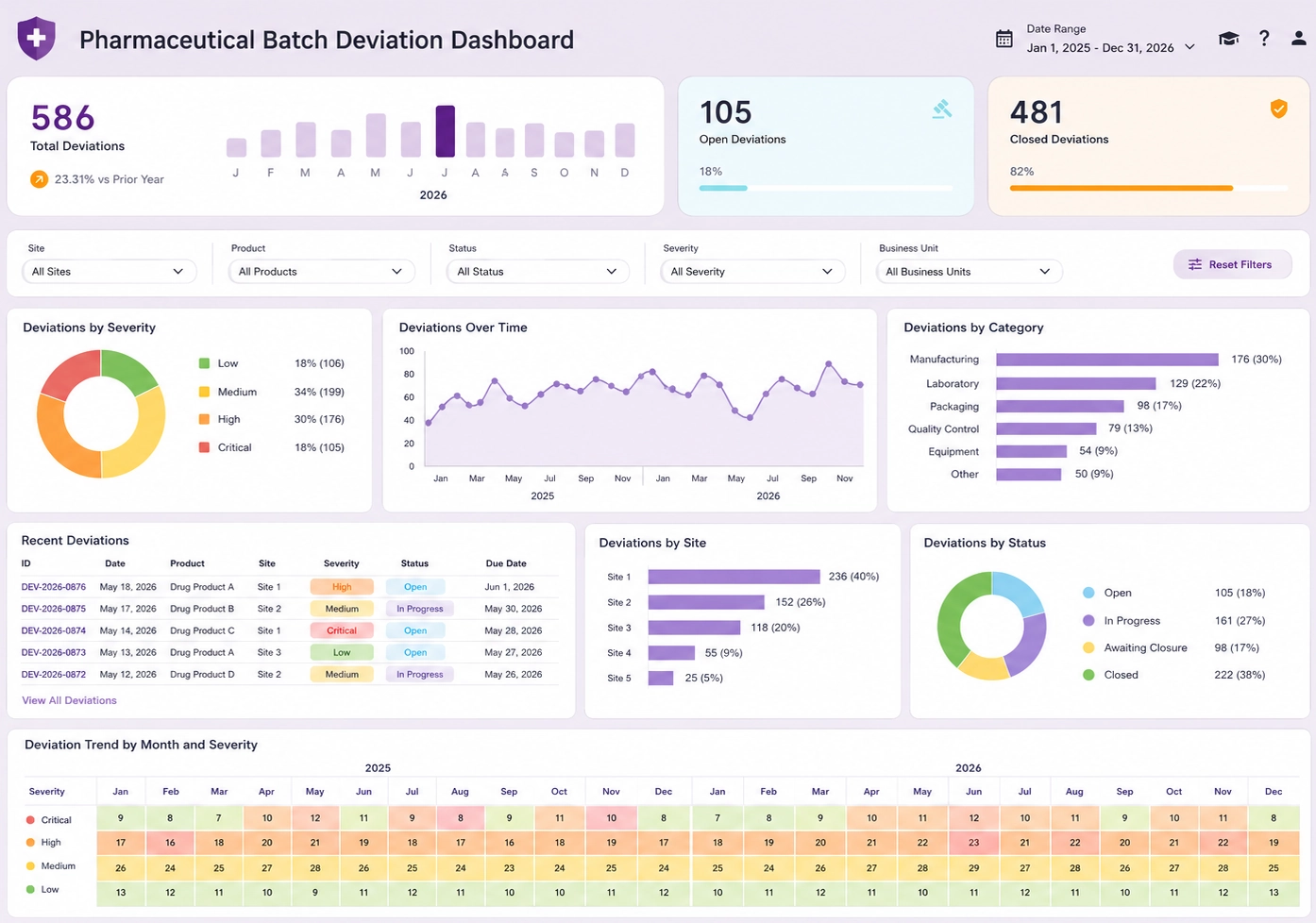
Data blending integrates information during report creation or analysis. Data warehousing integrates data before users access it for reporting.
Implementation Complexity
Data blending is generally faster to deploy and requires fewer infrastructure resources. Data warehousing typically involves more planning, development, and governance.
Data Governance
A data warehouse usually provides stronger governance, standardized definitions, and data quality controls. Data blending can create inconsistencies if multiple users define metrics differently.
Performance
Data warehouses are optimized for large-scale analytical workloads. Data blending performance may vary depending on source systems and the complexity of blended datasets.
Advantages of Data Blending
- Rapid deployment for business users.
- Reduced dependence on IT resources.
- Flexible integration of diverse data sources.
- Suitable for exploratory and ad hoc analysis.
- Lower initial implementation effort.
Advantages of Data Warehousing
- Centralized and consistent business data.
- Improved governance and security.
- Higher scalability for enterprise analytics.
- Historical data retention and trend analysis.
- Better support for regulatory and compliance requirements.
When to Use Data Blending
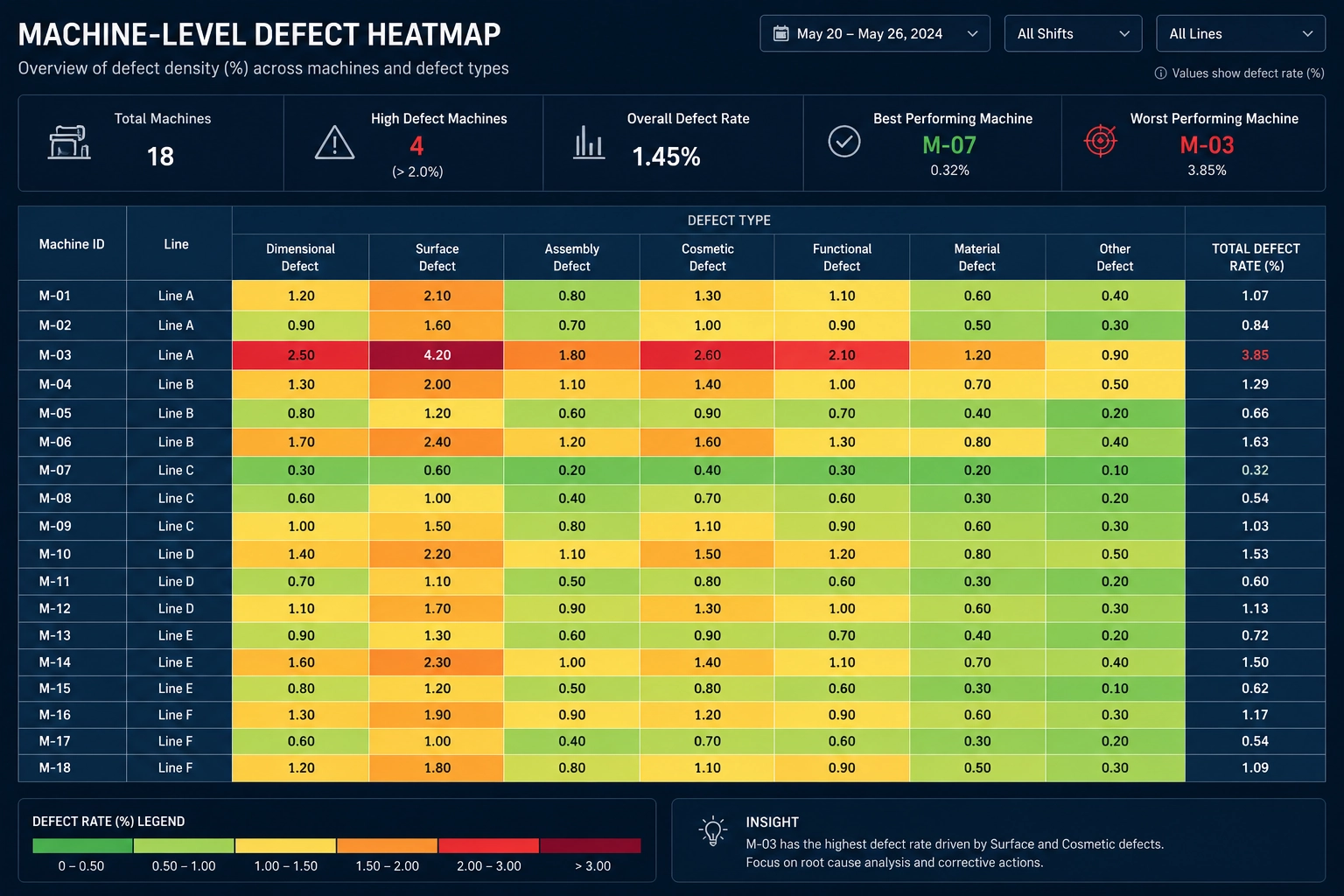
Data blending is often appropriate when users need immediate insights, departments manage independent analytics initiatives, or projects require combining a limited number of sources without major infrastructure investments.
When to Use Data Warehousing
Data warehousing is generally the preferred choice when organizations require enterprise-wide reporting, standardized metrics, strong governance, large-scale historical analysis, or support for numerous users and applications.
A Hybrid Approach
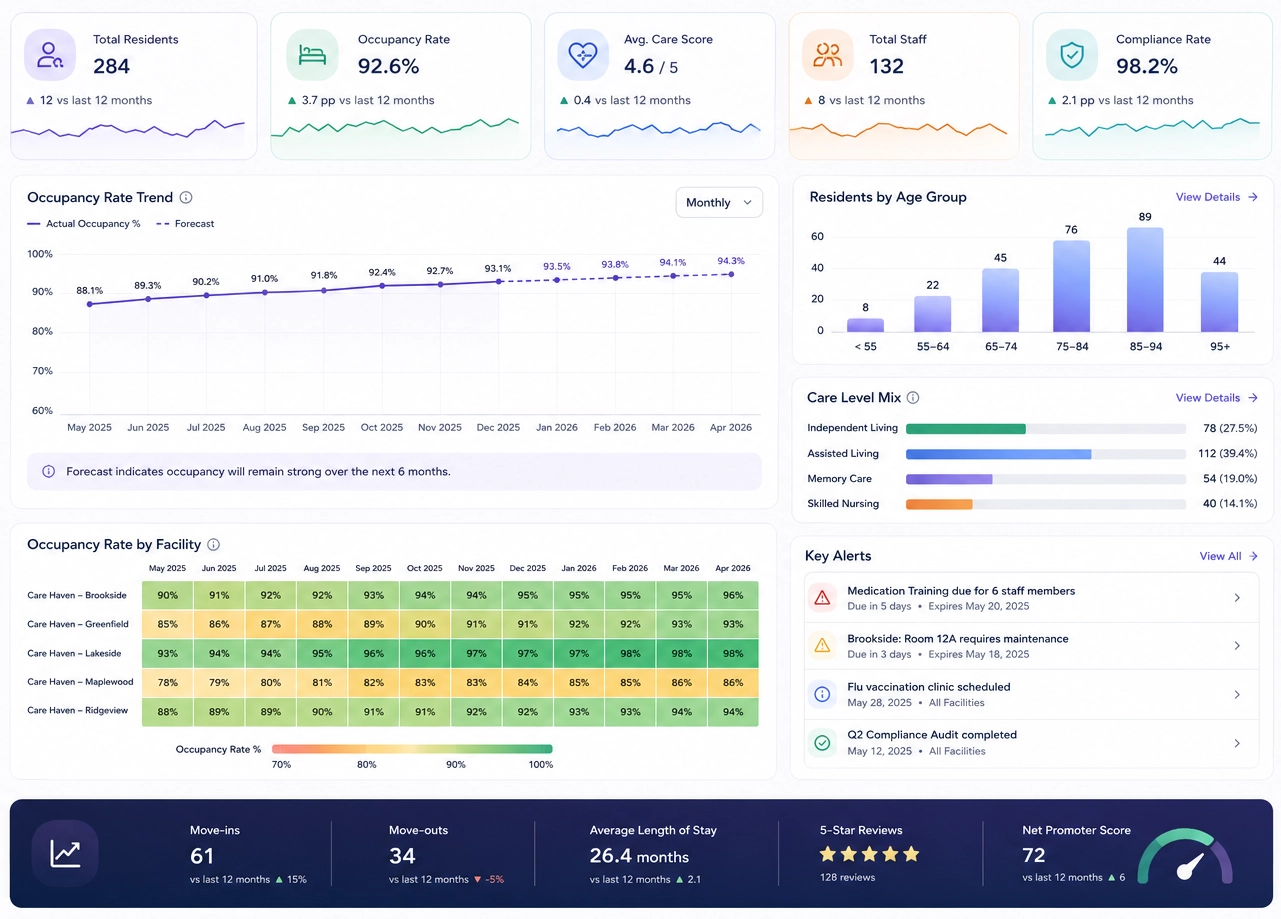
Many organizations use both approaches together. A data warehouse serves as the trusted foundation for core business data, while data blending enables analysts to augment warehouse information with additional external or departmental datasets.
Complementary Rather Than Competing Approaches
Data blending and data warehousing are complementary rather than competing approaches. Data blending provides flexibility and speed, while data warehousing delivers governance, consistency, and scalability. Selecting the appropriate strategy depends on business objectives, data complexity, governance requirements, and analytical workloads.