Why Choose InetSoft Over Reach Reporting in 2026?
Businesses seeking robust reporting and analytics tools often compare InetSoft StyleBI and Reach Reporting.
Both platforms excel in financial reporting and data visualization, but InetSoft offers broader capabilities for general BI use cases beyond accounting. Reach Reporting focuses heavily on automated capabilities for general BI use cases beyond accounting. Reach Reporting focuses heavily on automated financial reports for QuickBooks users and accountants, while InetSoft provides a more versatile platform for dashboards, analytics, and embedding across industries.
Based on 2025-2026 reviews from G2, Capterra, TrustRadius, and Gartner Peer Insights, InetSoft frequently edges out in usability, flexibility, and value—making it a stronger choice for teams needing scalable BI, agile deployment BI without financial-specific limitations.

1. Broader Feature Set for Comprehensive BI
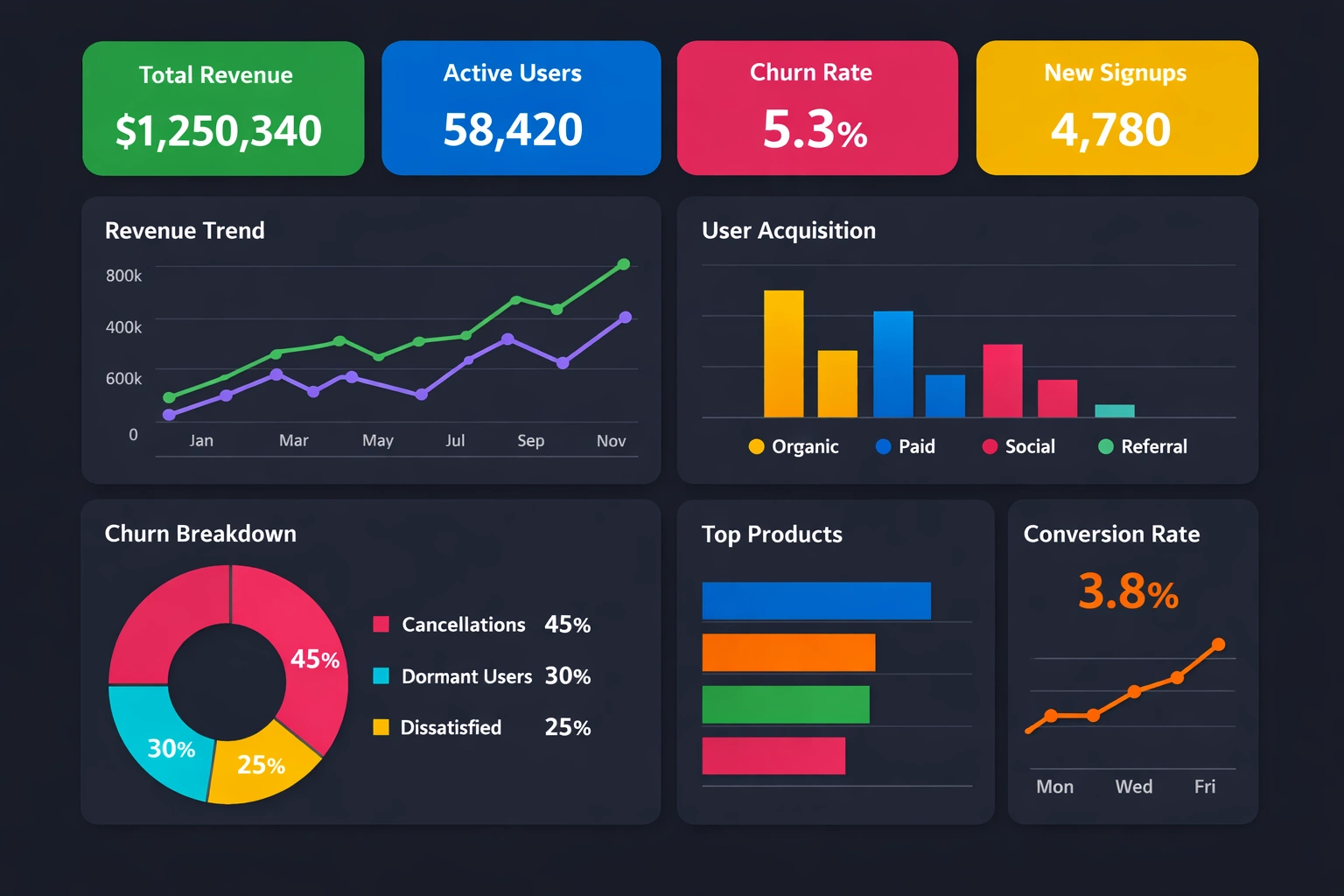
Reach Reporting shines in financial-specific tasks like automated P&L statements, balance sheets, and KPI tracking for advisory services. It integrates well with QuickBooks, Xero, and similar tools, offering AI-enhanced analysis for budgeting and forecasting. However, its scope remains narrow—primarily tailored for accountants and financial advisors handling client reports. Users note limited options for custom templates and slower performance with non-financial data sources.
InetSoft StyleBI, on the other hand, delivers a full BI suite with visual data transformation pipelines, interactive dashboards, pixel-perfect reporting, and advanced visualization. It supports mashups from disparate sources (databases, APIs, cloud apps) without coding, high-performance caching, and microservices for embedding. This makes it suitable for sales, operations, marketing, or custom apps—not just finance. Reviews emphasize InetSoft's machine-aided charting and self-service features, which allow business users to create complex visuals quickly, unlike Reach's more rigid template-based approach.
Key takeaway: For organizations needing BI beyond financial statements, InetSoft provides more comprehensive tools, reducing the need for multiple platforms.
2. Superior Ease of Use and Faster Deployment
Reach Reporting earns praise for its intuitive financial templates and drag-and-drop builder, but users report a learning curve for customization beyond basics. Integration with accounting software is seamless, yet expanding to other data often requires manual workarounds or add-ons. Setup can take hours for simple reports, and scaling to enterprise needs involves additional costs for advanced features.
InetSoft excels in user-friendliness with a web-based designer, gentle learning curve, and self-service interfaces for data prep and visualization. Deployment is rapid via Docker containers or cloud microservices, supporting self-hosting or managed options. G2 reviewers rate InetSoft higher in ease of setup (9.2 vs. Reach's 8.5) and daily use, citing its self-service capabilities that empower non-technical users. This leads to higher adoption rates and quicker time-to-value, especially for teams without dedicated IT support.
3. More Flexible and Scalable Architecture
Reach Reporting operates as a SaaS platform with solid cloud performance for small to mid-sized users, but scalability issues arise with large datasets or complex queries. It lacks native support for on-premises deployment or microservices, limiting options for regulated industries or custom integrations. Users mention occasional lags in real-time updates and restricted API access for embedding.
InetSoft's cloud-native microservices architecture allows elastic scaling, Kubernetes compatibility, and deployment flexibility—self-hosted, cloud, or hybrid. It handles big data with in-memory caching and incremental refreshes, ensuring fast performance. For embedding, InetSoft offers Web Components, REST/Java APIs, and single sign-on, ideal for SaaS products or internal apps. Gartner notes InetSoft's strength in agile, small-footprint BI, making it more adaptable for growing organizations.
4. Cost-Effective Pricing with Better Value
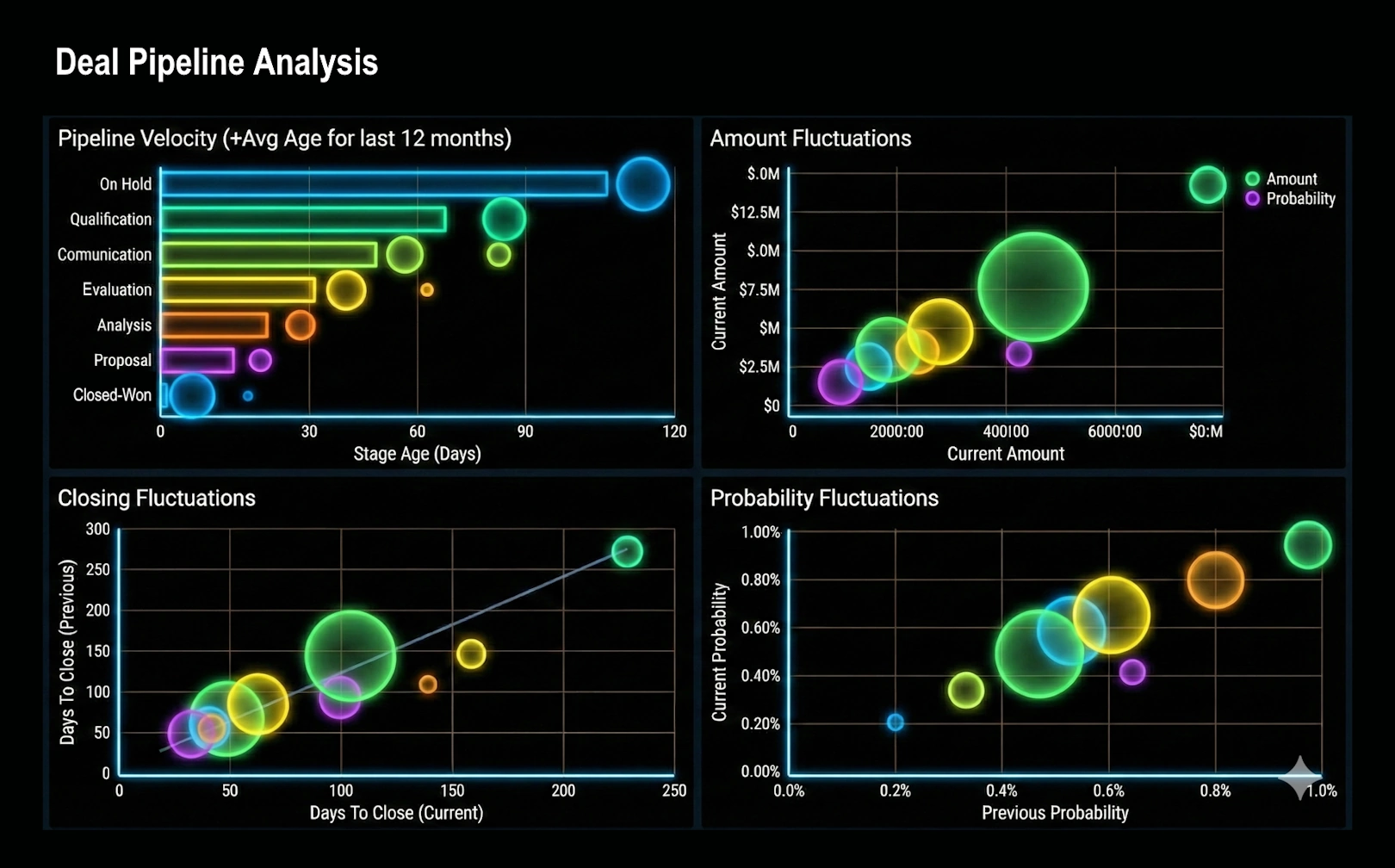
Reach Reporting's pricing starts at $99/month for basic plans, scaling to $299+ for advanced features like AI insights and unlimited clients. While affordable for accountants, costs add up with per-client fees or add-ons for custom reports. Some reviews criticize hidden charges for support or integrations, and value drops for non-financial use cases.
InetSoft uses flexible, usage-based or capacity models, often without per-user fees—especially in StyleBI Cloud. Entry points are competitive, with free open-source options for testing. Total cost of ownership is lower due to reduced IT needs and broad applicability. TrustRadius users rate InetSoft higher in ROI (9.0 vs. Reach's 8.2), praising its all-in-one capabilities that minimize supplementary tools.
5. Stronger Data Integration and Mashup Capabilities
Reach integrates tightly with accounting software but struggles with diverse sources like CRM, ERP, or APIs. Data blending requires manual exports, and advanced transformations are limited without coding.
InetSoft's visual pipeline handles advanced mashups from any source, applying formulas, scripts, or SQL visually. It creates reusable modules and high-speed caches, supporting real-time or scheduled updates. This versatility suits multi-department analytics, where Reach falls short.
6. Advanced Visualization and Customization
Reach offers clean charts and heatmaps but customization relies on templates, with limited extensibility. Users want more interactive elements and mobile optimization.
InetSoft provides extensible charting (D3.js), maps, pivots, and scripting APIs for tailored interactivity. Its embeddable components match app UIs, and self-service controls adapt to user skills. Reviews highlight InetSoft's pixel-perfect reports and dynamic dashboards as superior for professional outputs.
7. Higher User Satisfaction and Support
Reach scores well (4.5/5 on Capterra) for financial focus but lower in overall satisfaction due to feature gaps. Support is responsive but sometimes lacks depth for complex issues.
InetSoft averages 4.7/5 across platforms, with praise for usability and customer service. Gartner Peer Insights notes strong administration ease and value. InetSoft's DevOps partnership and consultations add value for scaling.
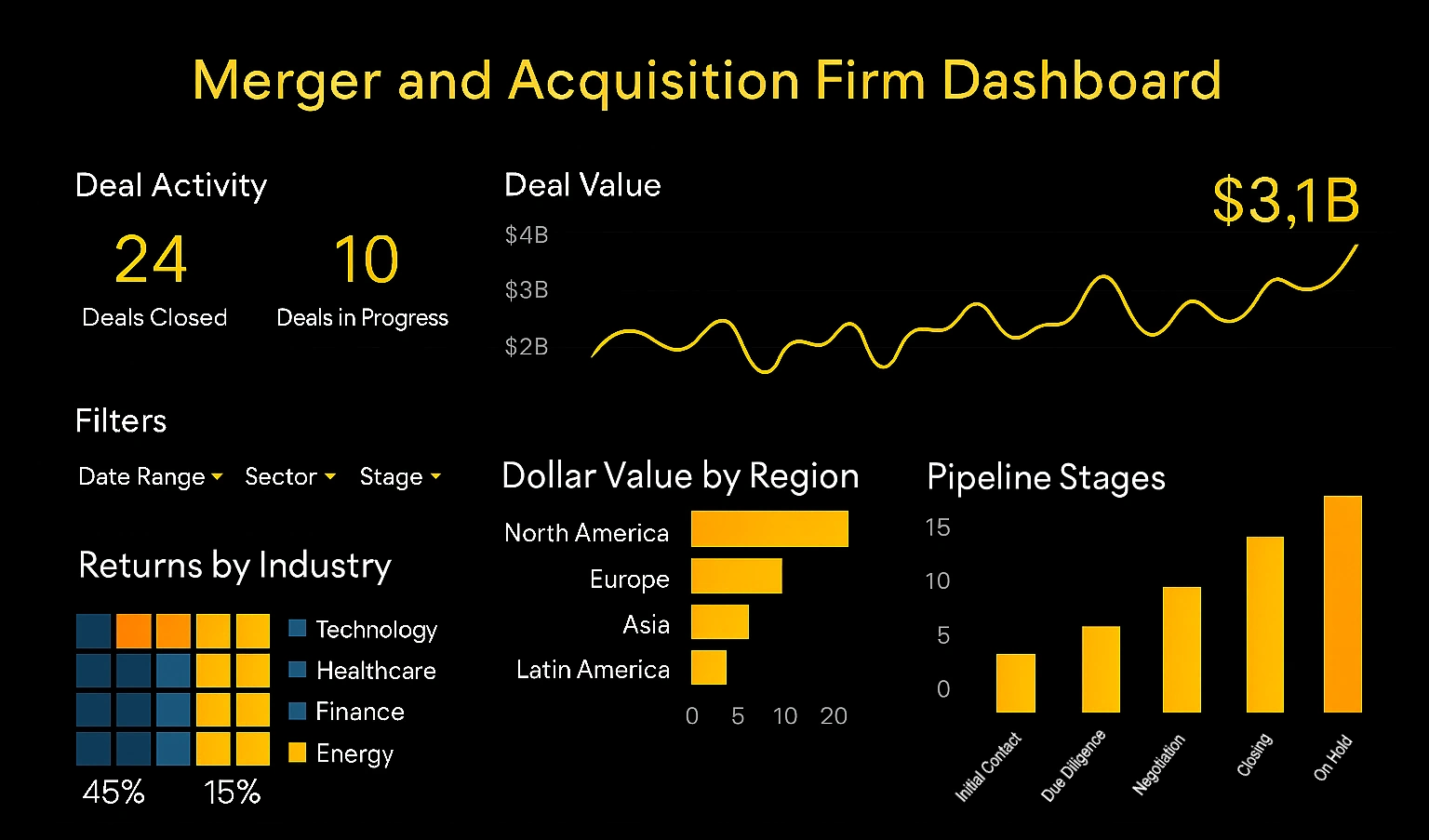
InetSoft Advantages Over Reach Reporting
When InetSoft Is the Better Choice
- Teams needing BI beyond finance, like operations or marketing.
- Organizations seeking scalable, embeddable analytics without vendor lock-in.
- Users prioritizing ease, rapid deployment, and cost predictability.
- Businesses handling diverse data with advanced mashups and visualizations.
InetSoft StyleBI Outperforms Reach Reporting
InetSoft StyleBI outperforms Reach Reporting for versatile BI needs in 2026. Its broader features, flexibility, and value make it ideal for growth-oriented teams. Evaluate both via trials—many find InetSoft delivers more without compromises.
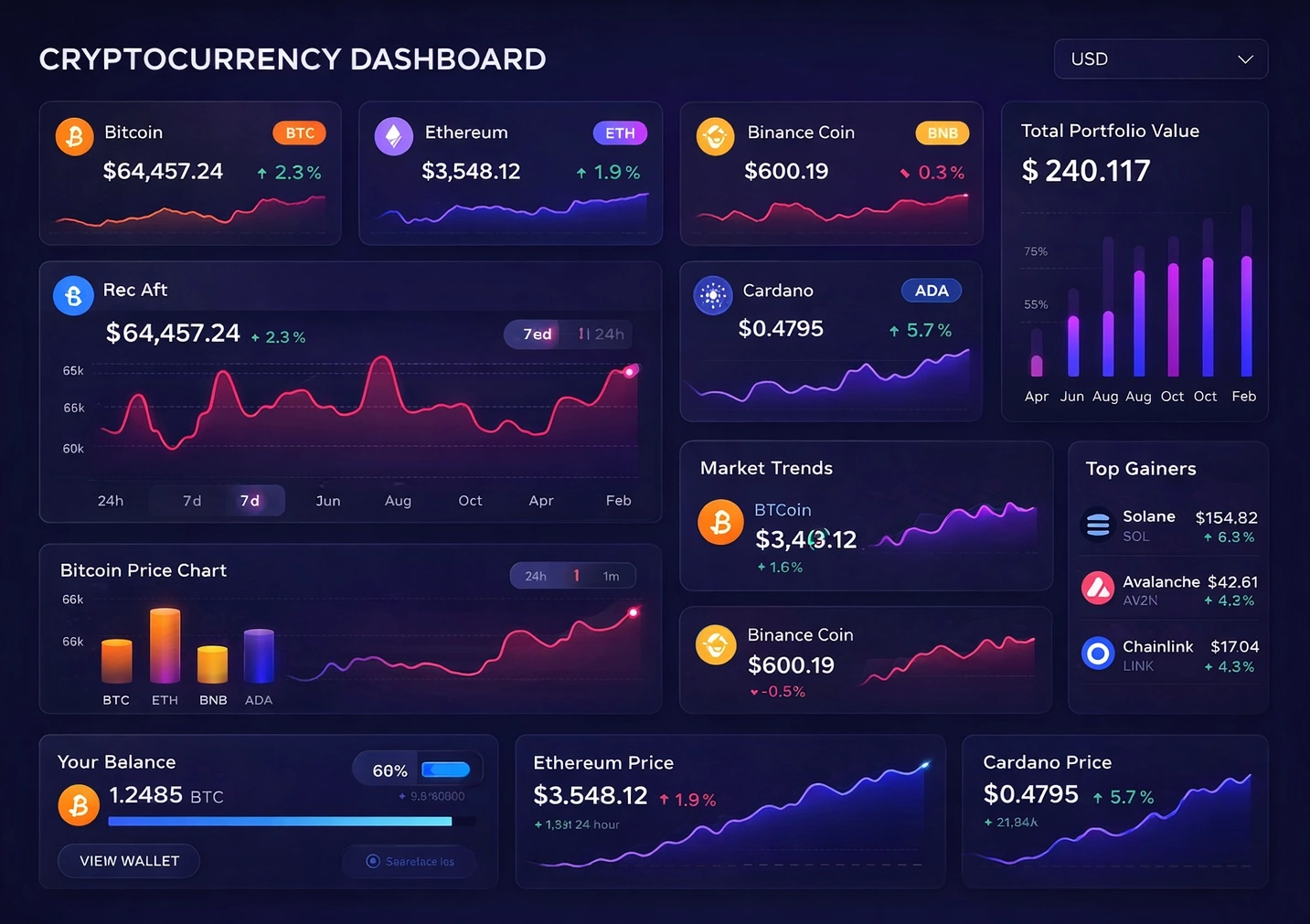
5 User Complaints About Reach Reporting (from Recent Reviews)
1. Clunky Formatting and Column Management
Users find the formatting options for reports limited and hard to use, with moving columns or finding commands taking extra time and effort. This makes report customization feel cumbersome compared to more flexible tools. Some note that while overall functionality is strong, these UI frustrations slow down workflow for frequent users.
Source: Software Advice Reviews (multiple users mentioning formatting clunkiness)
2. Limited Google Sheets/Excel Sync and Export
The platform lacks seamless sync with Google Sheets or easy Excel export, forcing users to copy-paste data manually. Formulas don't transfer properly due to differences in how they work. This is seen as cumbersome for users who prefer to keep data in their own systems or need better interoperability.
Source: Capterra Reviews (user noting export/sync limitations)
3. Steep Learning Curve for Beginners
The user interface and features can be difficult for new users, requiring significant time to learn efficient navigation and customization. While powerful for financial reporting, the complexity deters quick adoption. Beginners often need extra training or support to get up to speed.
Source: SelectHub Reviews (aggregated cons on learning curve)
4. Limited Customization Options
Customization for templates, branding, or data display is constrained, making it challenging to tailor reports precisely. The interface for personalization isn't as intuitive as competitors. This limits flexibility for users needing highly specific or branded outputs.
Source: Clockwork AI Comparison (noting limited customization)
5. Slow Performance with Complex Reports
Generating complex reports can be slow, impacting workflow during busy periods. Performance lags occur with large datasets or advanced features. Users wish for faster processing to match the tool's otherwise strong automation.
Source: Research.com Reviews (cons on slow performance for complex reports)
These summaries reflect recurring minor cons from verified user reviews and aggregated feedback as of early 2026. Reach Reporting generally has high ratings (4.9/5 on G2/Capterra) with limited major complaints. Individual experiences may vary.