How Do You Prioritize Business Metrics?
Organizations collect hundreds of metrics across sales, marketing, operations, finance, customer service, and product performance.
The challenge is not gathering data.
The challenge is determining which metrics deserve the most attention.
Effective businesses prioritize metrics that directly support strategic objectives, measure progress toward desired outcomes, and drive decision-making.
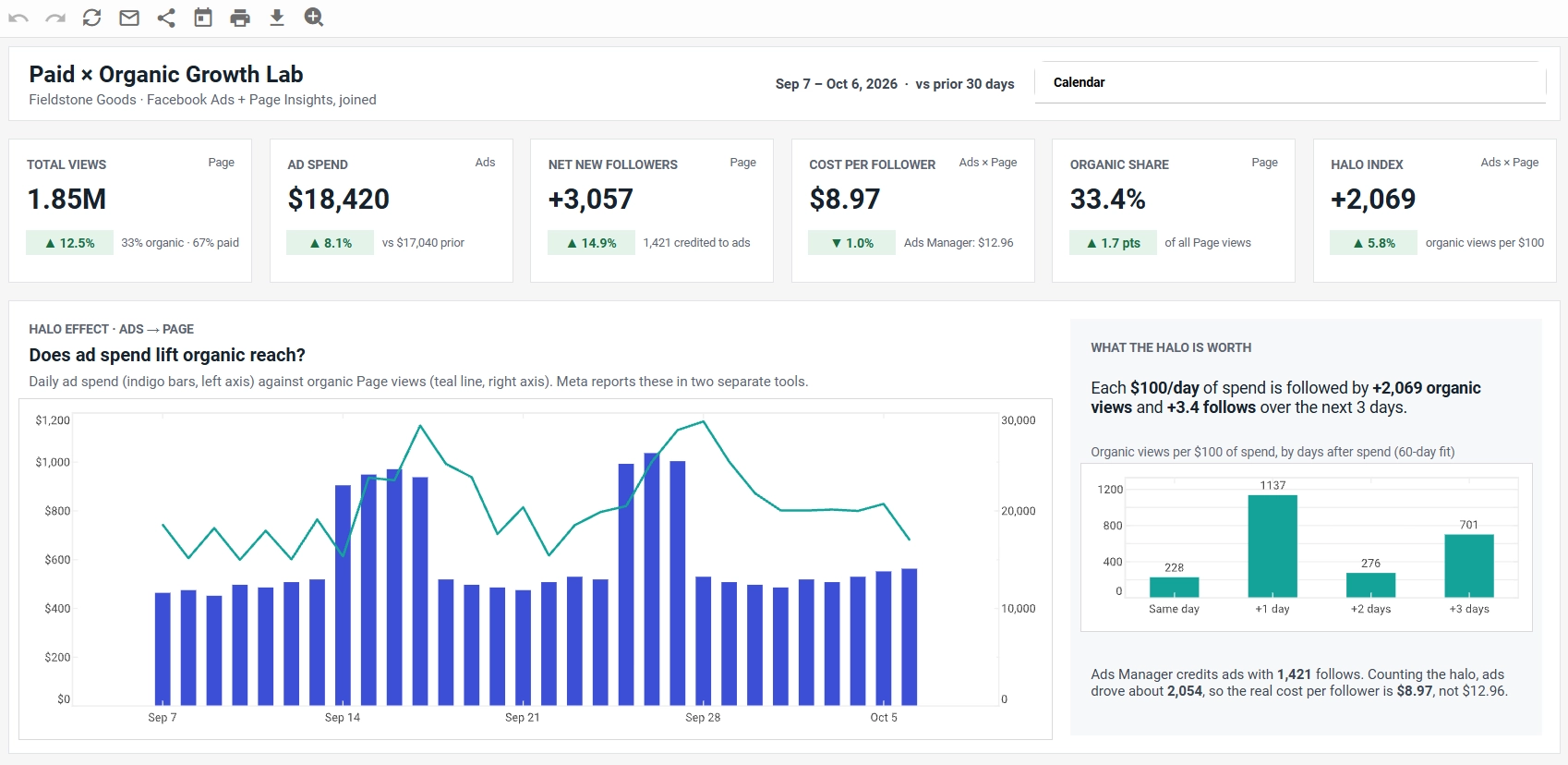

Why Metric Prioritization Matters
Without prioritization, dashboards become crowded with numbers that provide little actionable insight. Teams may spend time improving metrics that have minimal impact on organizational goals while overlooking indicators that truly influence outcomes.
Effective metric prioritization helps organizations:
- Align teams around strategic objectives.
- Improve decision-making speed.
- Focus resources on high-impact initiatives.
- Reduce reporting complexity.
- Identify problems earlier.
- Measure meaningful business outcomes.
Start with Business Objectives
The most important metrics are those that directly measure progress toward organizational goals. Before selecting KPIs, leadership should define what success looks like and identify the outcomes that matter most.
When metrics directly support business goals, decision-makers can quickly identify which indicators deserve executive attention and organizational focus.
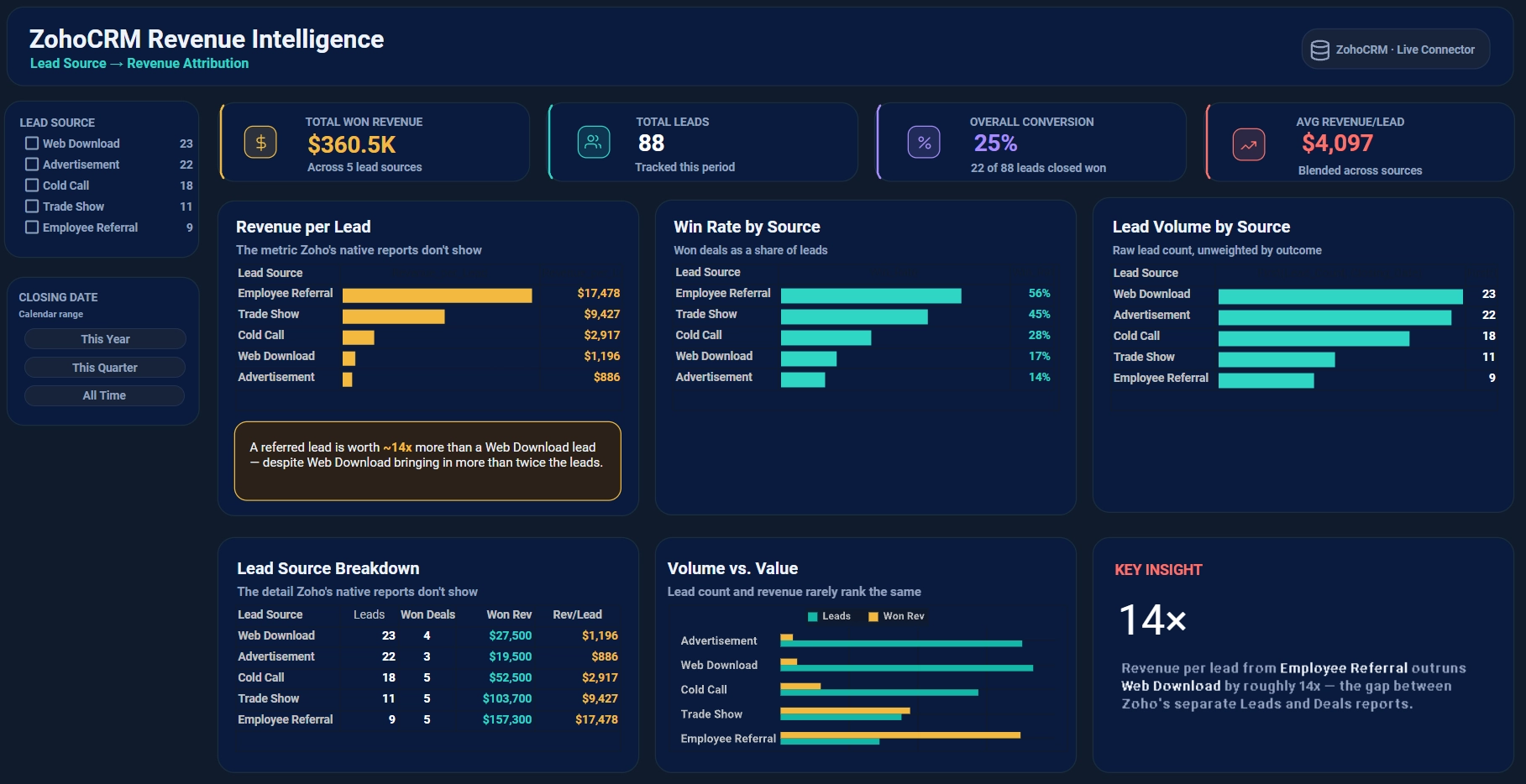
Balance Leading and Lagging Indicators
Organizations often prioritize outcome metrics such as revenue and profit because they represent business results. While these metrics are important, they only describe past performance. Effective KPI strategies also prioritize leading indicators that predict future outcomes.
Prioritizing a combination of leading and lagging metrics allows organizations to both measure results and anticipate future performance.
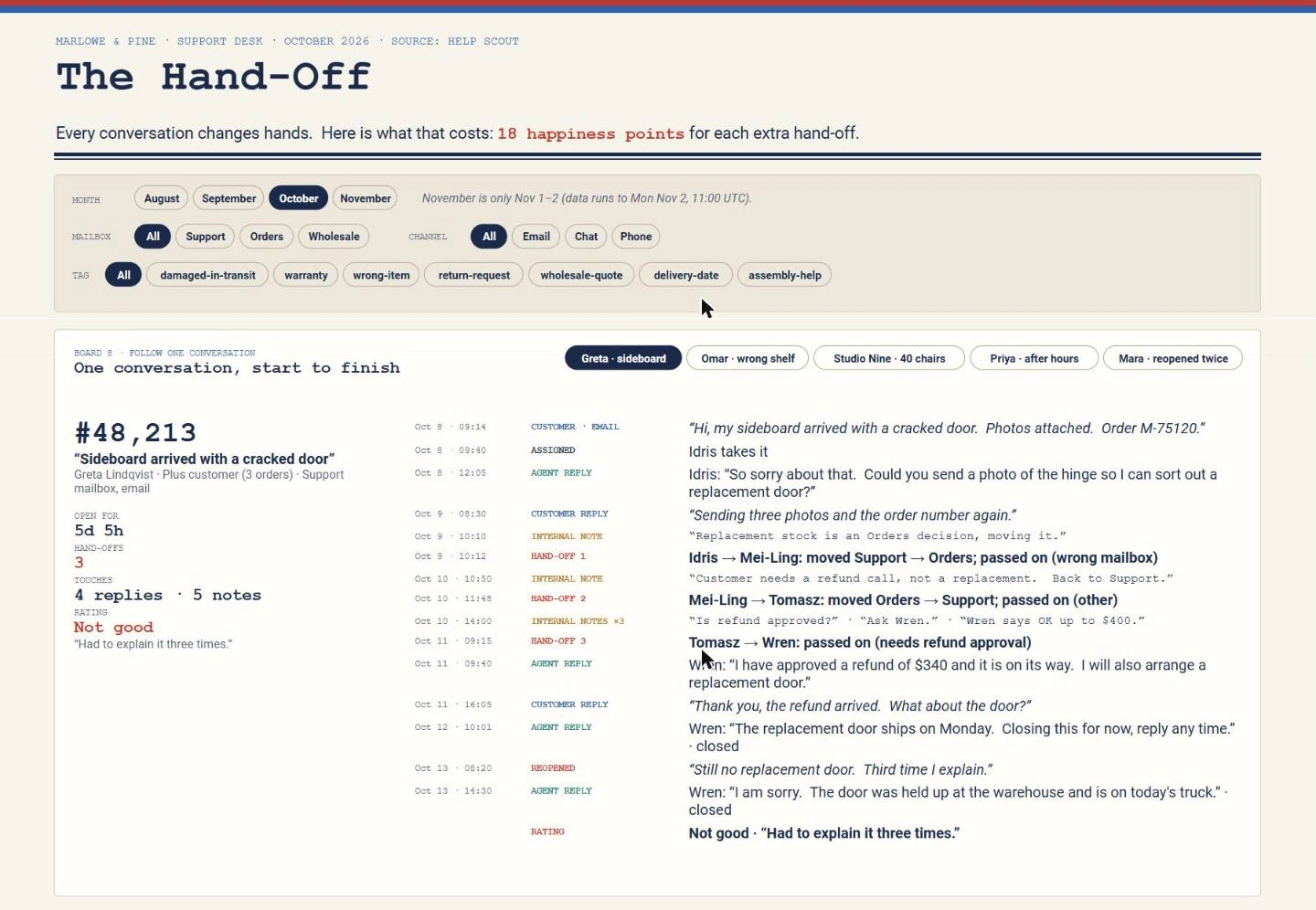
Create a KPI Hierarchy
Every metric should support a higher-level business objective. KPI hierarchies help organizations distinguish strategic measures from operational activity metrics.
- Strategic KPIs: Revenue Growth, Profit Margin, Customer Retention
- Department KPIs: Conversion Rate, Customer Satisfaction, Production Efficiency
- Operational Metrics: Calls Handled, Orders Processed, Response Times
This structure ensures that employees understand how daily activities contribute to organizational success.
Evaluate Impact and Actionability
Not every metric deserves equal visibility. High-priority metrics should influence decisions and trigger action when performance changes.
Consider the following questions:
- Does this metric directly affect business outcomes?
- Can teams take action when the metric changes?
- Does leadership use it during decision-making?
- Does it influence revenue, costs, customer satisfaction, or risk?
- Can improvement efforts be measured through this KPI?
Metrics that answer yes to most of these questions typically deserve higher priority.
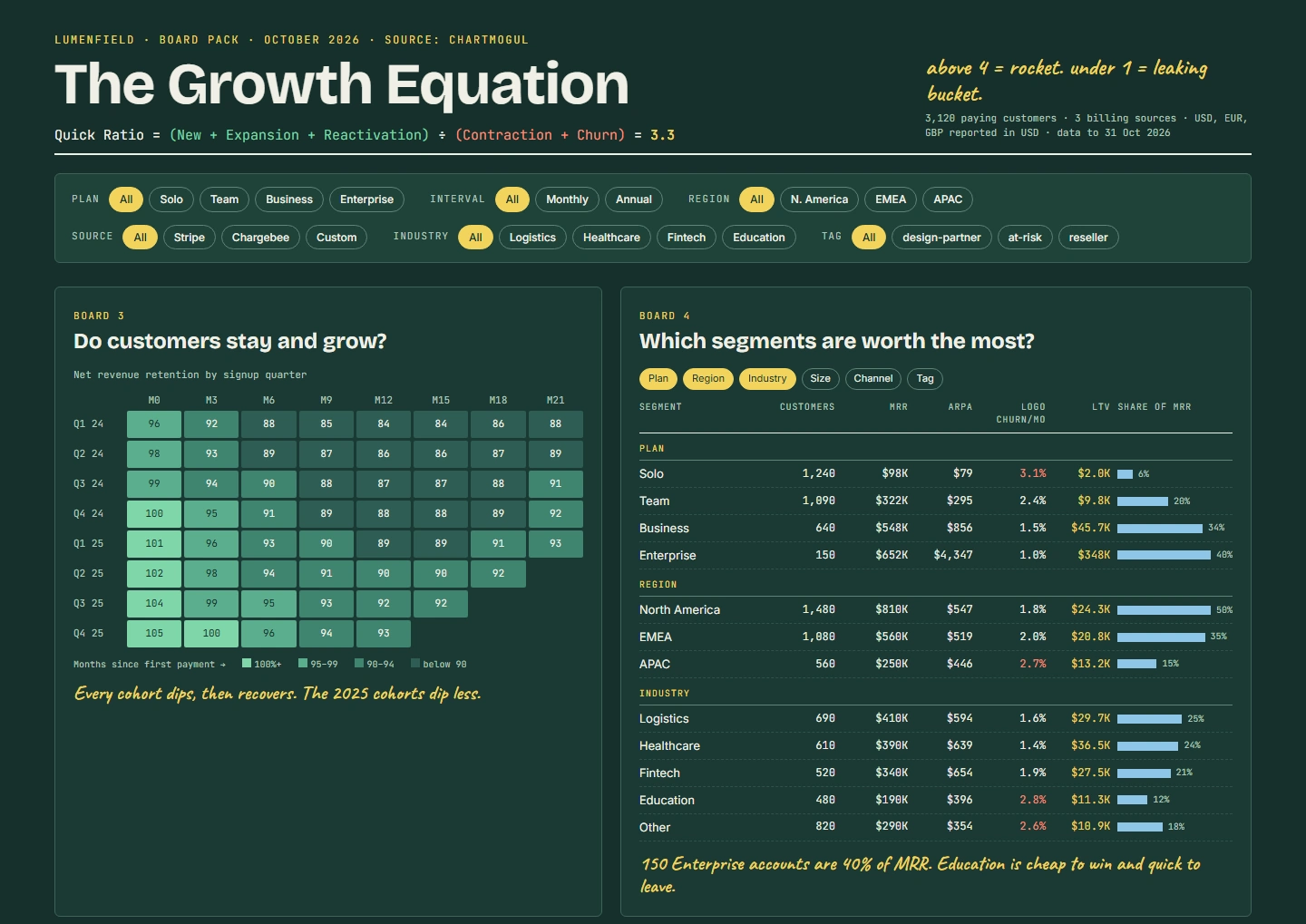
Use KPI Dependency Analysis
Most strategic outcomes depend on a collection of supporting metrics. KPI dependency analysis helps organizations understand which drivers have the greatest impact on results.
For example, revenue growth may depend on:
- Lead Generation
- Sales Conversion Rate
- Customer Retention
- Average Revenue per Customer
Understanding these relationships allows organizations to focus attention on metrics that have the greatest downstream business impact.
Limit Dashboard Metrics
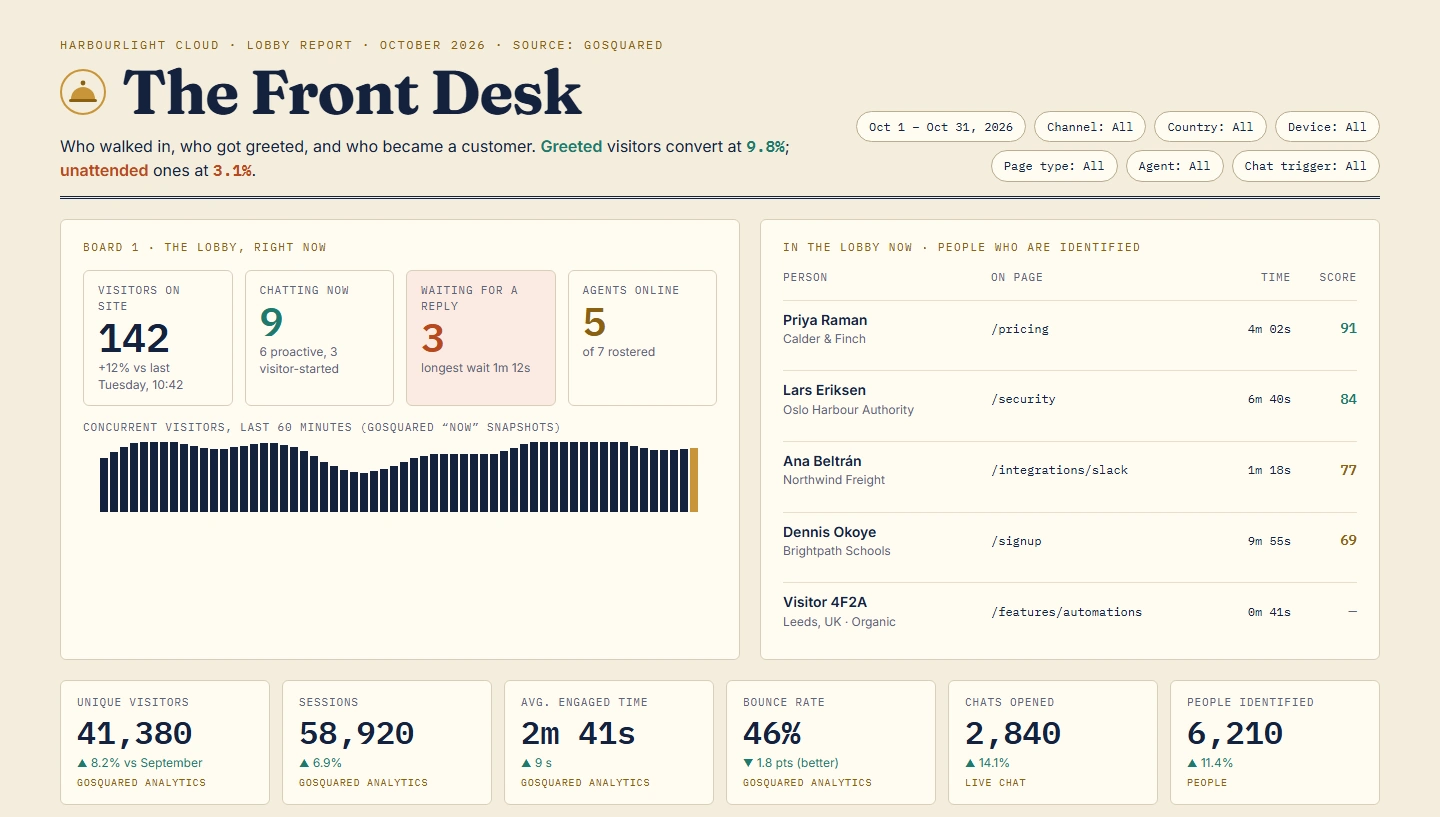
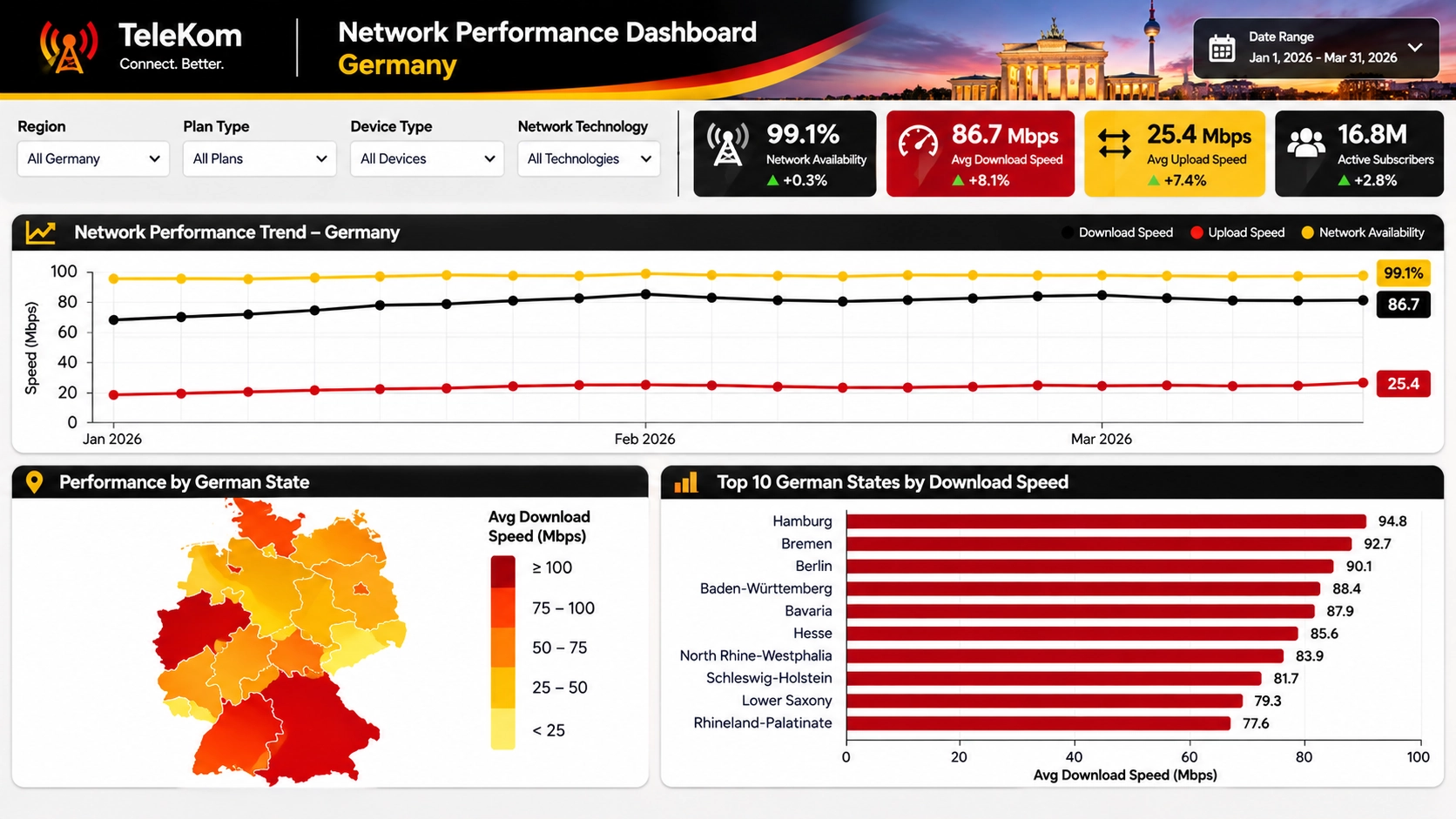
Effective dashboards emphasize clarity over volume. Instead of displaying dozens of KPIs, prioritize a small group of metrics that align with organizational objectives.
- 3-5 strategic KPIs for executives.
- 5-10 departmental KPIs for managers.
- Additional supporting metrics available through drill-down reports.
Focused dashboards improve usability and help users identify important performance trends quickly.
Regularly Reassess Priorities
Business priorities evolve over time. Organizations frequently adjust focus between growth, profitability, efficiency, customer experience, and market expansion. As strategic priorities change, KPI priorities should be reviewed and updated accordingly.
Quarterly KPI reviews help ensure business metrics remain aligned with organizational objectives and market conditions.
Best Practices for Prioritizing Business Metrics
- Align every metric with a strategic objective.
- Track both leading and lagging indicators.
- Build KPI hierarchies that connect strategy and operations.
- Focus on actionable measurements.
- Use KPI dependency analysis to identify important drivers.
- Avoid dashboard clutter.
- Review metric priorities regularly.
- Select KPIs that support informed decision-making.
Conclusion
Prioritizing business metrics starts with understanding organizational goals and identifying the measurements that most strongly influence business success. By aligning KPIs with strategy, balancing leading and lagging indicators, establishing KPI hierarchies, evaluating actionability, and leveraging dependency analysis, organizations can focus attention on the metrics that truly matter. The result is better decision-making, clearer accountability, and improved business performance.