Row-level Security Implementation
Row-level security (RLS) is a core technique for enforcing secure, role-based data access in analytics platforms. Instead of granting or denying access to entire tables, RLS controls which rows each user or role can see, ensuring that sensitive data is only visible to authorized audiences.
This article explains how organizations design and implement row-level security across dashboards, shared datasets, and embedded analytics, focusing on modeling, policy design, and operational best practices.
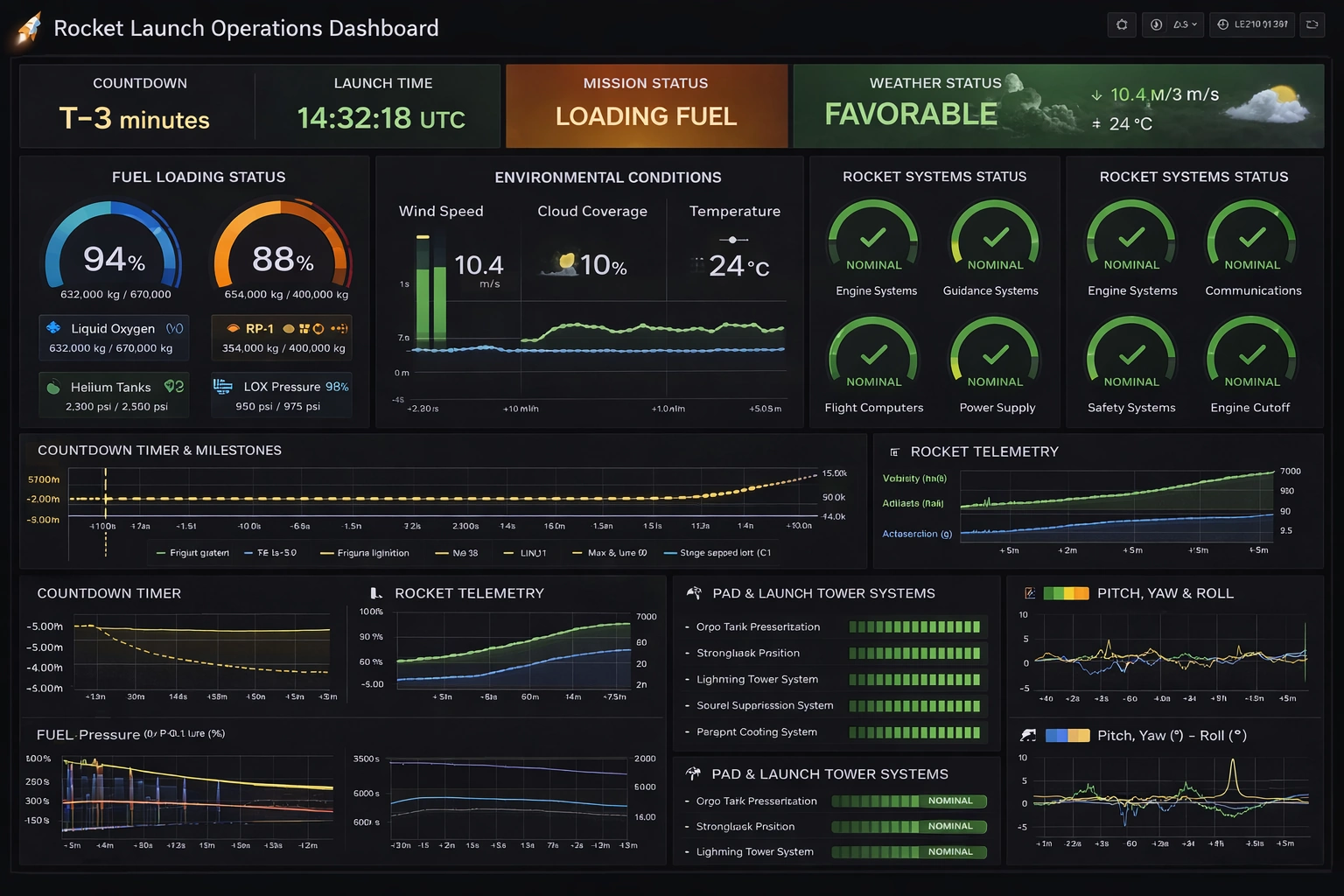

Why Row-level Security Matters
RLS is essential wherever multiple users or groups share the same data structures but must see different slices of information.
- Regulatory compliance: Limit access to sensitive records such as financial, health, or HR data.
- Organizational boundaries: Restrict views by region, department, or business unit.
- Customer and tenant isolation: Ensure each customer or tenant only sees their own data.
- Operational safety: Prevent accidental exposure of confidential information in shared dashboards.
Well-implemented RLS allows broad adoption of analytics without sacrificing security or privacy.
Data Modeling for Row-level Security
Effective RLS starts with a data model that can express access rules clearly and consistently. Organizations typically use a combination of user attributes and mapping tables.
User and Role Attributes
- User profiles: Store attributes such as region, department, and tenant ID.
- Role definitions: Define roles that represent access scopes (e.g., regional manager, tenant admin).
- Attribute-based access: Use these attributes to drive filters in RLS policies.
Access Mapping Tables
- User-to-entity mappings: Link users or roles to specific entities (regions, accounts, projects).
- Many-to-many relationships: Support complex scenarios where users span multiple entities.
- Centralized access model: Keep mappings in a single, governed location to avoid duplication.
A clear, normalized access model makes RLS policies easier to maintain and audit over time.
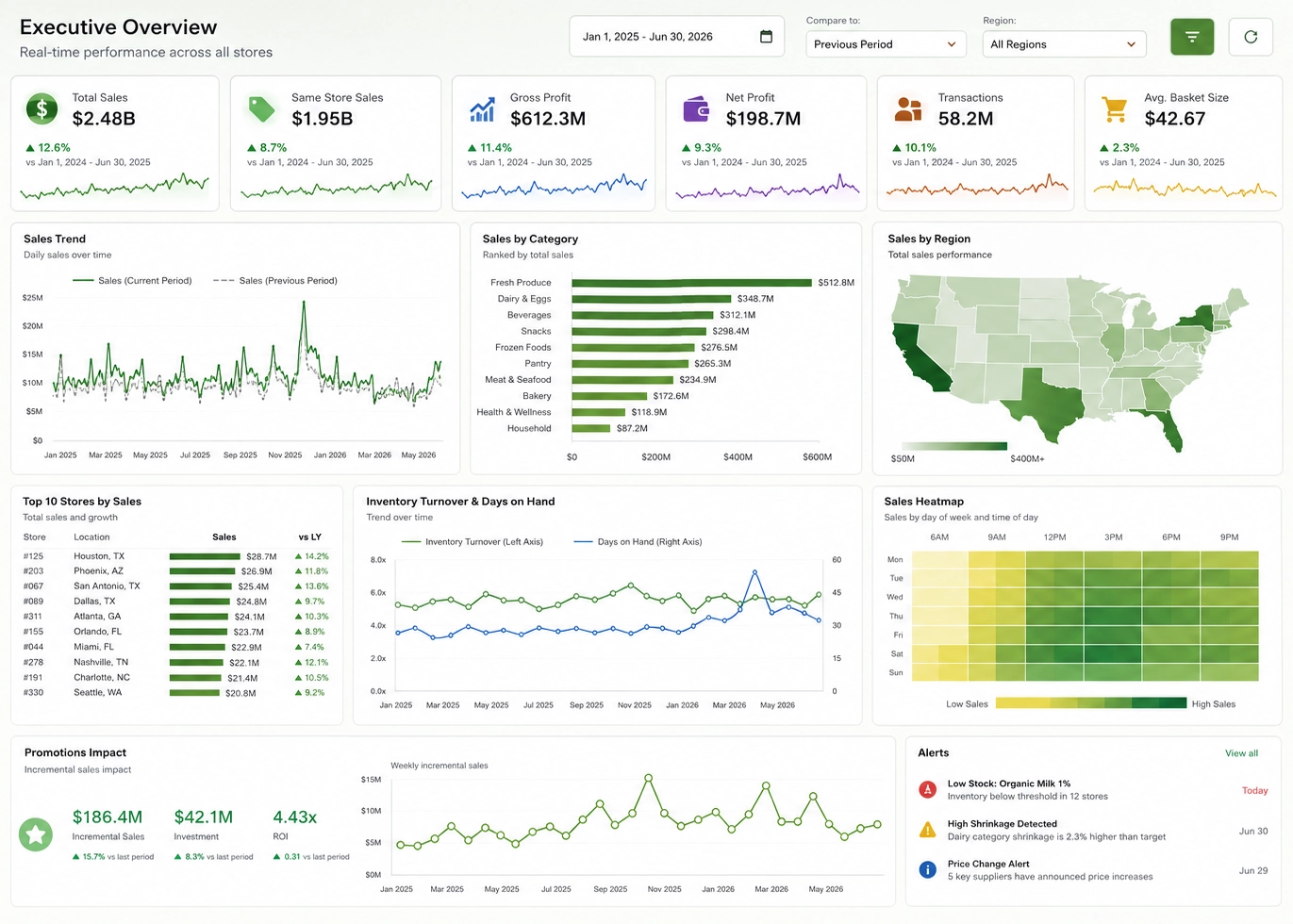
Designing Row-level Security Policies
RLS policies translate the access model into concrete filters applied at query time. These policies should be simple, consistent, and reusable.
Policy Scope
- Table-level policies: Define filters on fact and dimension tables that contain sensitive data.
- Semantic layer rules: Implement RLS in the BI semantic model so all dashboards inherit it.
- Dataset-level policies: Apply RLS to shared datasets used by multiple reports.
Filter Logic
- Attribute filters: Filter rows where entity attributes match user or role attributes.
- Mapping joins: Join to access mapping tables to determine allowed rows.
- Default deny: Design policies so that users see no data unless explicitly granted.
Policy Reuse
- Templates: Create standard RLS patterns for common scenarios (region, department, tenant).
- Inheritance: Reuse policies across datasets and dashboards to avoid inconsistencies.
- Versioning: Track changes to policies and test before rollout.
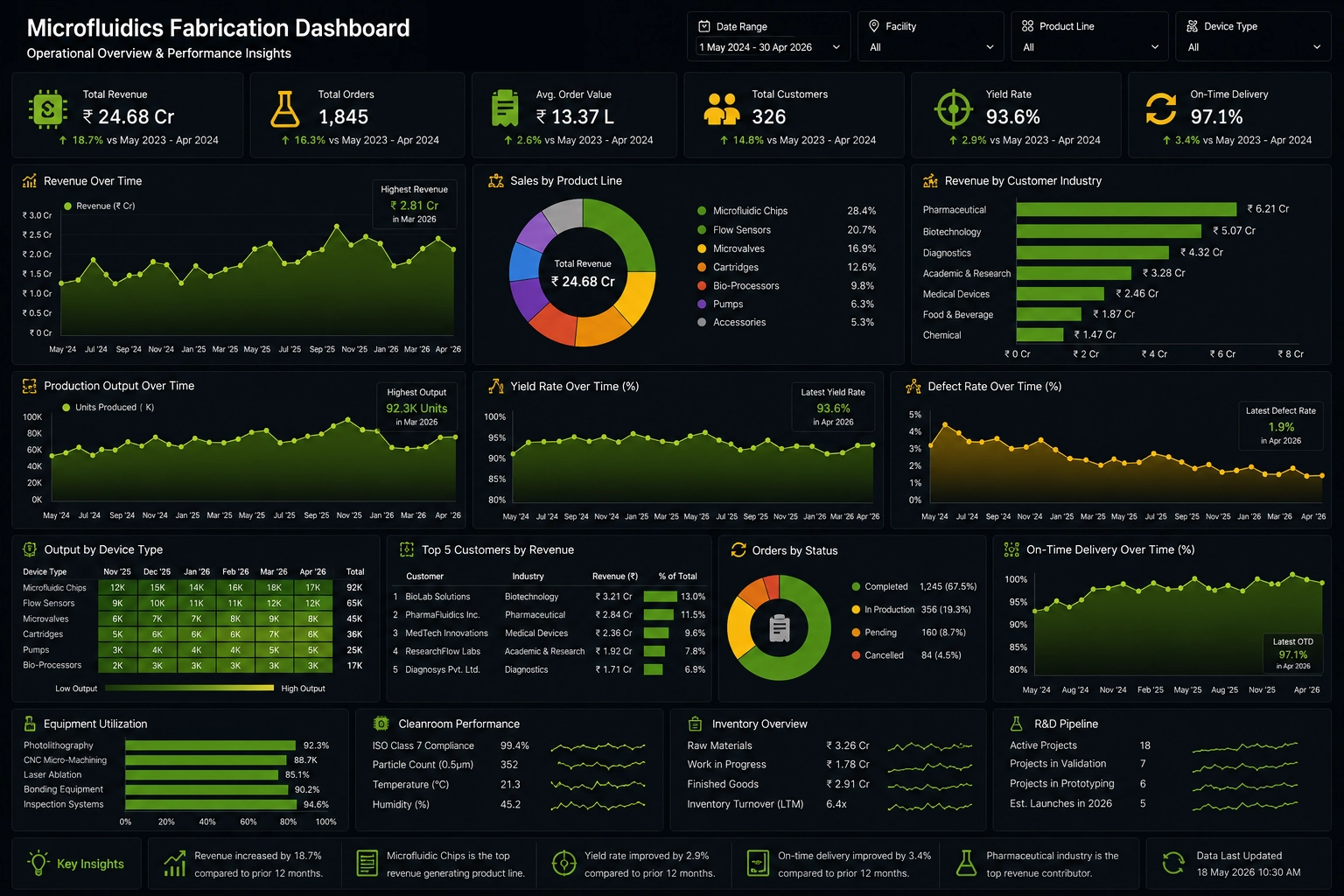
Row-level Security in Dashboards and Reports
Dashboards and reports are where users experience RLS. Implementation should be invisible to users but consistent across all views.
- Semantic enforcement: Ensure all visuals use models or datasets with RLS applied.
- Consistent filters: Avoid custom filters that bypass or conflict with RLS rules.
- Cross-visual behavior: Confirm that interactions (drilldowns, cross-filtering) respect RLS.
- Last-mile checks: Review dashboards for any direct queries that might ignore RLS.
When RLS is correctly implemented, users simply see “their” data without needing to understand the underlying security logic.
Row-level Security in Embedded Analytics
Embedded analytics adds another layer: the host application must pass user and tenant context to the BI platform so RLS can be enforced correctly.
- Context propagation: Include user and tenant identifiers in API calls or tokens.
- Single sign-on: Integrate identity so RLS can rely on authenticated user attributes.
- Per-tenant configuration: Combine RLS with tenant-level isolation for multi-tenant apps.
- Secure defaults: Ensure embedded views show no data if context is missing or invalid.
Strong coordination between the application and BI platform is critical to avoid gaps in row-level security for embedded scenarios.
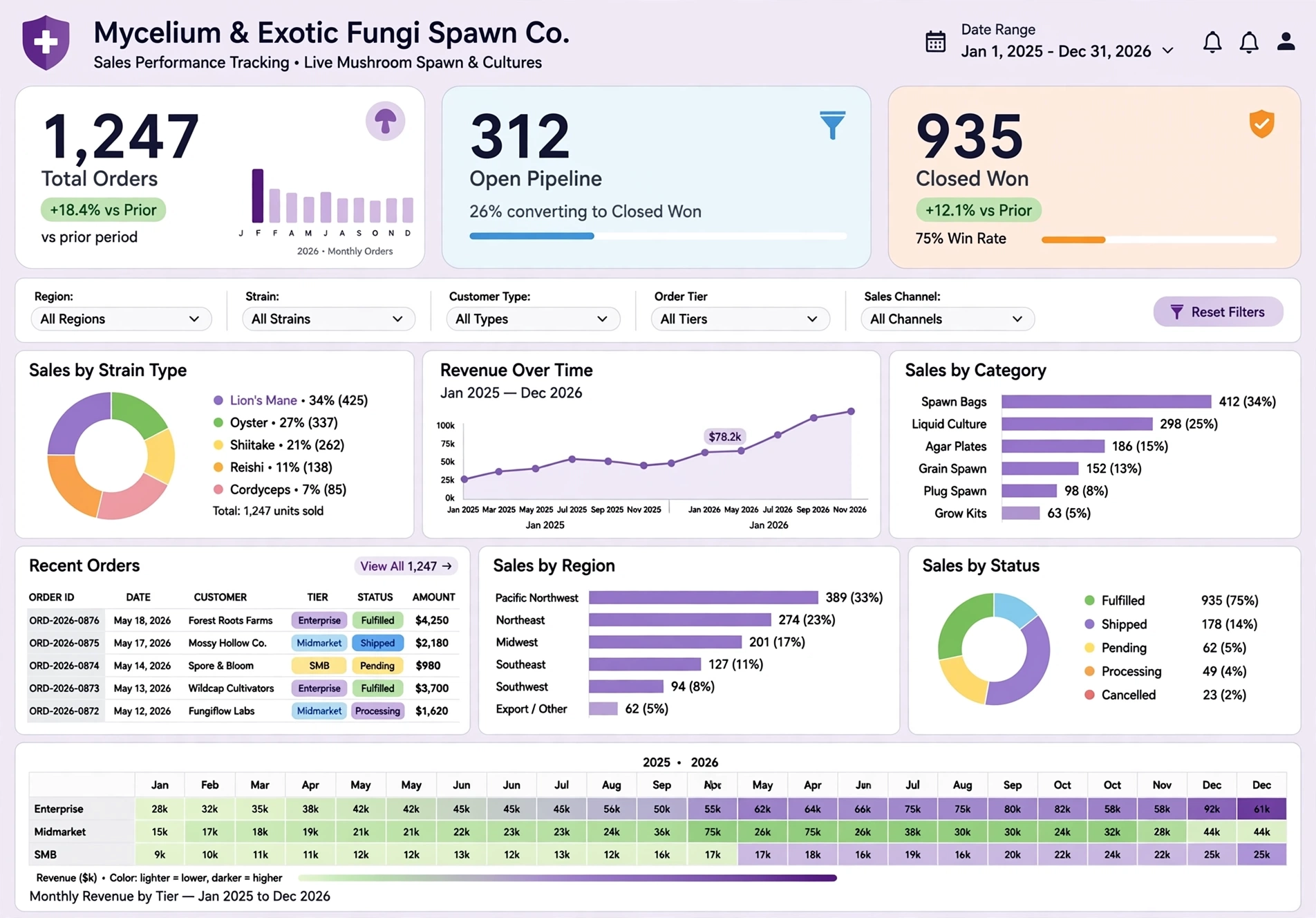
Operational Governance and Monitoring
RLS is not a one-time configuration. Organizations must govern and monitor it as part of their broader data security program.
- Access reviews: Periodically review user-to-entity mappings and role assignments.
- Audit logging: Log access to sensitive datasets with user and role context.
- Change management: Test RLS changes in non-production environments before deployment.
- Incident response: Have clear procedures for investigating suspected access issues.
By combining robust data modeling, clear policies, consistent dashboard implementation, and disciplined governance, organizations can enforce secure, role-based data access through row-level security across all their analytics experiences.