What Are Composite KPIs?
Organizations often track dozens or even hundreds of key performance indicators (KPIs). While individual metrics are useful, decision-makers frequently need a broader view of performance. This is where composite KPIs become valuable. A composite KPI combines multiple related measurements into a single indicator that provides a more comprehensive assessment of business performance.
Definition of a Composite KPI
A composite KPI is a performance measure created by combining two or more individual KPIs into one calculated metric. The goal is to simplify reporting while providing a balanced view of success across multiple dimensions of a business process, department, project, or strategic objective.
Instead of evaluating separate metrics independently, a composite KPI aggregates them using a formula, weighting system, scoring model, or index. The resulting value represents overall performance in a way that is easier for stakeholders to understand and monitor.
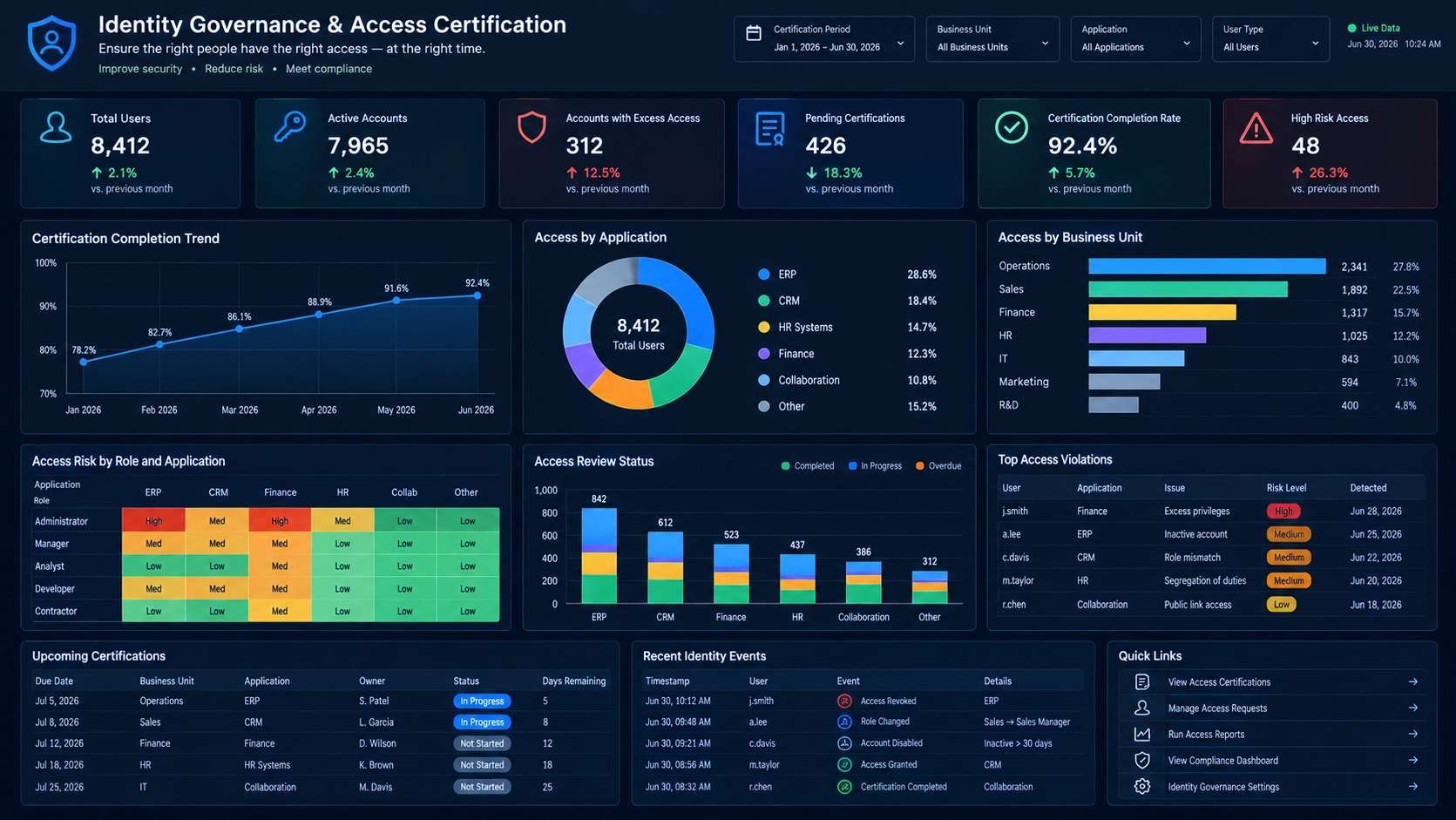

Why Organizations Use Composite KPIs
Composite KPIs help organizations:
- Reduce dashboard clutter by consolidating related metrics.
- Create executive-level summaries that highlight overall performance.
- Balance multiple success factors instead of focusing on a single metric.
- Support strategic decision-making with broader context.
- Align departments around common business objectives.
- Improve performance monitoring across complex initiatives.
For example, a customer service team may track response times, resolution rates, customer satisfaction scores, and ticket backlogs. Rather than reviewing each measure separately, leaders may create a composite KPI that summarizes overall service effectiveness.
How Composite KPIs Work
Composite KPIs typically begin with a group of individual metrics that contribute to a larger business objective. Each metric may be normalized and assigned a weight based on its importance.
A simple composite KPI formula might look like:
Composite KPI Score = (Metric A × 40%) + (Metric B × 35%) + (Metric C × 25%)
The weighted values are combined to produce a single score that reflects total performance. Higher-priority measurements receive greater influence on the final result.
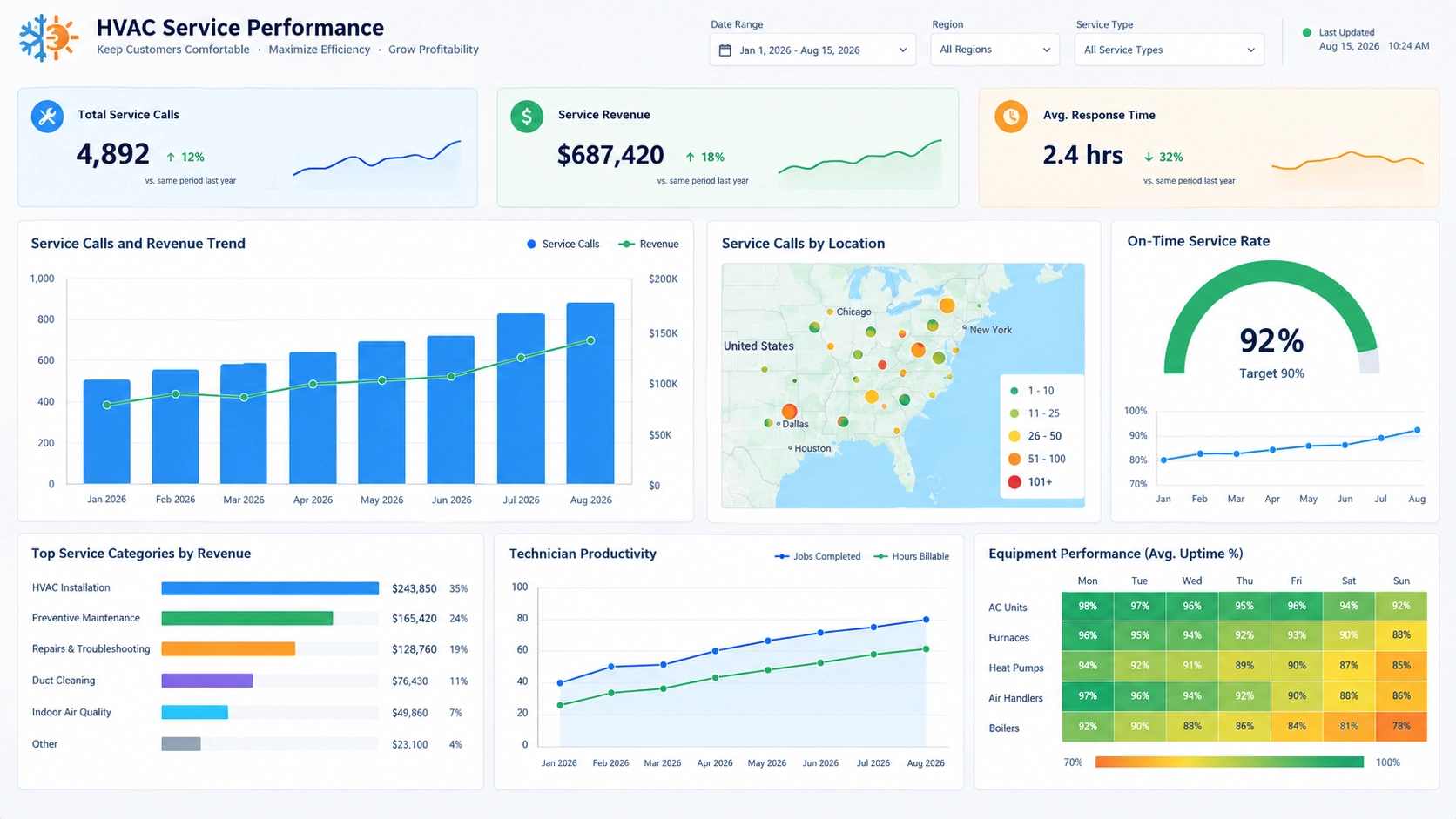
Examples of Composite KPIs
1. Customer Experience Index
A composite KPI designed to measure customer experience may combine:
- Customer Satisfaction Score (CSAT)
- Net Promoter Score (NPS)
- First Contact Resolution Rate
- Average Response Time
2. Employee Performance Score
Human resources departments may use a composite KPI that includes:
- Goal completion rates
- Performance review ratings
- Training participation
- Attendance metrics
3. Sales Effectiveness Index
Sales leaders may combine:
- Revenue attainment
- Win rates
- Average deal size
- Sales cycle duration
4. Supply Chain Health Score
Operations teams may aggregate:
- On-time delivery rates
- Inventory turnover
- Order accuracy
- Supplier performance
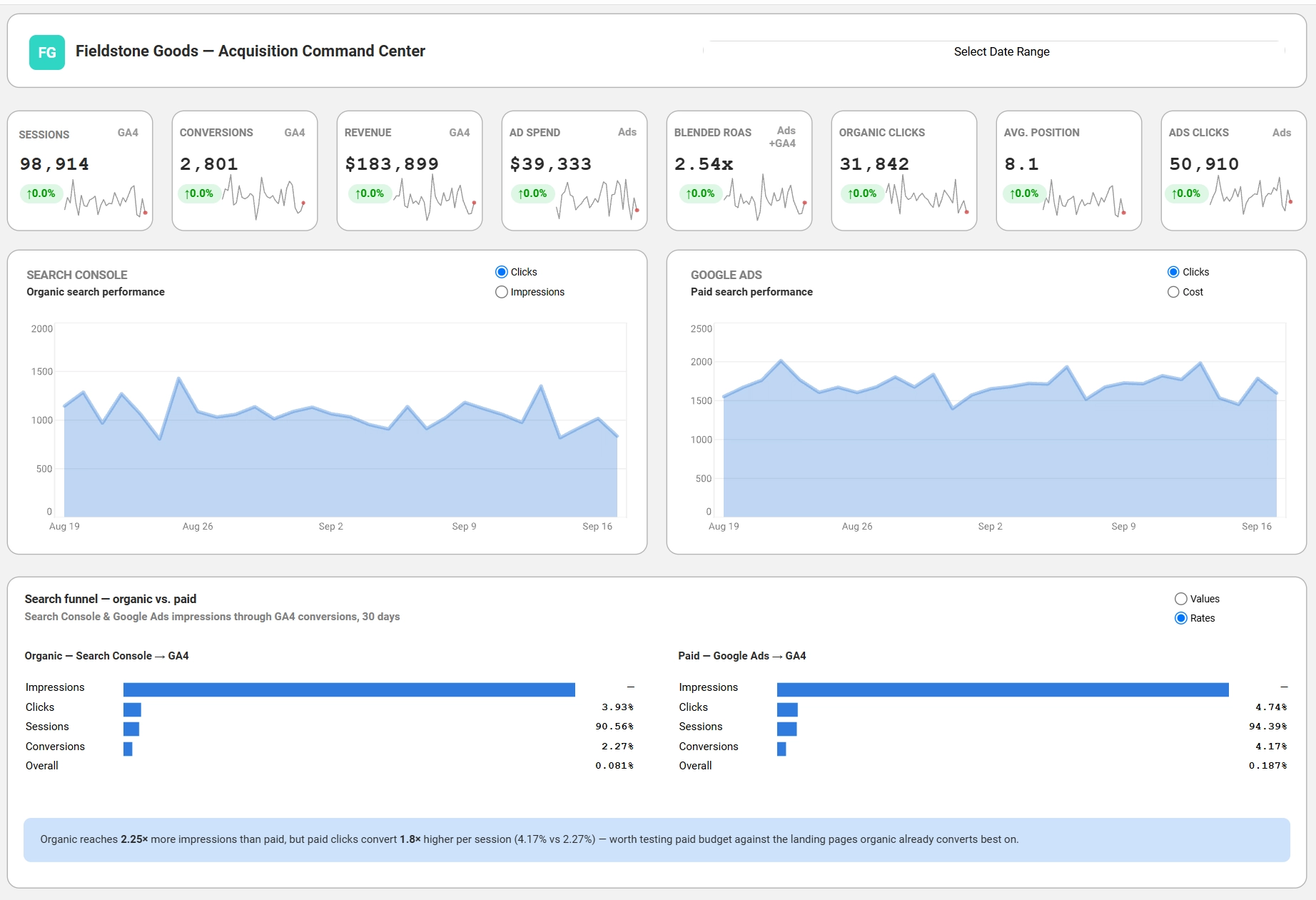
Benefits of Composite KPIs
- Simplified Reporting: Executives can quickly understand overall performance.
- Balanced Measurement: Multiple dimensions are considered simultaneously.
- Better Strategic Alignment: Metrics are tied directly to organizational goals.
- Improved Trend Analysis: Changes in overall performance are easier to identify.
- Enhanced Accountability: Teams focus on holistic results rather than optimizing a single metric.
Challenges of Composite KPIs
While composite KPIs can be powerful, they must be designed carefully. Poorly constructed composite measures can obscure important details and create misleading conclusions.
Common challenges include:
- Choosing appropriate component metrics.
- Determining fair weighting strategies.
- Ensuring data quality across all source KPIs.
- Maintaining transparency regarding calculations.
- Preventing overly complex scoring models.
Organizations should always allow users to drill down from a composite KPI into its underlying metrics to understand the factors driving performance changes.
Best Practices for Creating Composite KPIs
- Select metrics that directly support the same business objective.
- Use a clear and documented calculation methodology.
- Apply weighting only when justified by business priorities.
- Normalize metrics with different scales before combining them.
- Review and adjust formulas as business goals evolve.
- Provide visibility into contributing KPIs for transparency.
- Validate that the composite KPI accurately reflects real-world performance.
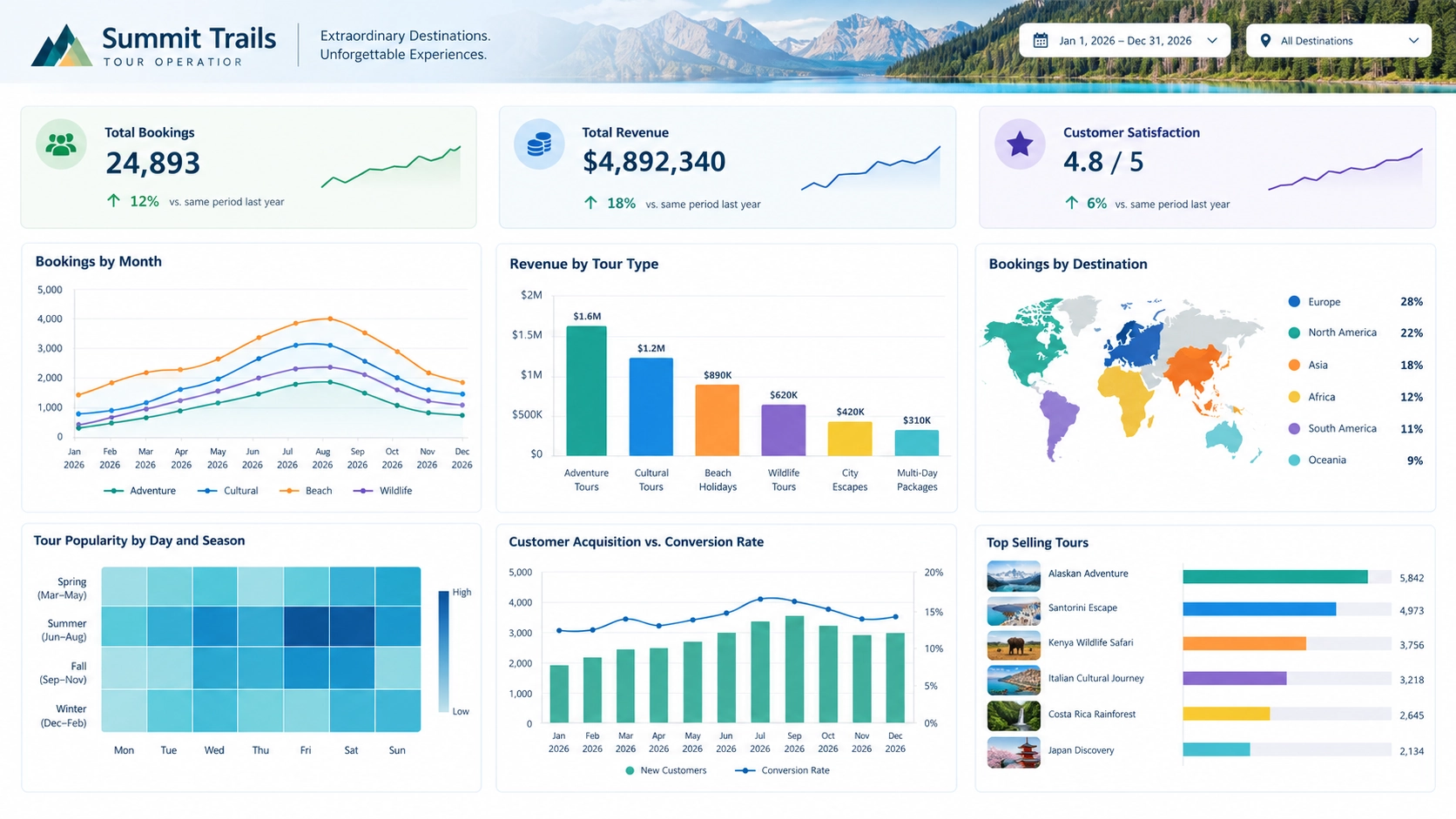
Composite KPIs in Business Intelligence Platforms
Modern business intelligence platforms allow organizations to build composite KPIs using calculated fields, metric layers, scorecards, and dashboard formulas. These tools can automatically aggregate data from multiple systems and present a unified performance score alongside supporting details.
Interactive dashboards make it possible to monitor composite KPIs in real time while preserving access to the underlying metrics that contribute to overall results.
A Meaningful Way to Track Complex Goals
Composite KPIs are strategic performance measures that combine multiple individual metrics into a single indicator. By providing a balanced view of performance, they help organizations simplify reporting, improve executive visibility, and align decision-making with business objectives. When designed thoughtfully, composite KPIs offer a meaningful way to track complex goals without losing sight of the underlying factors that drive success.