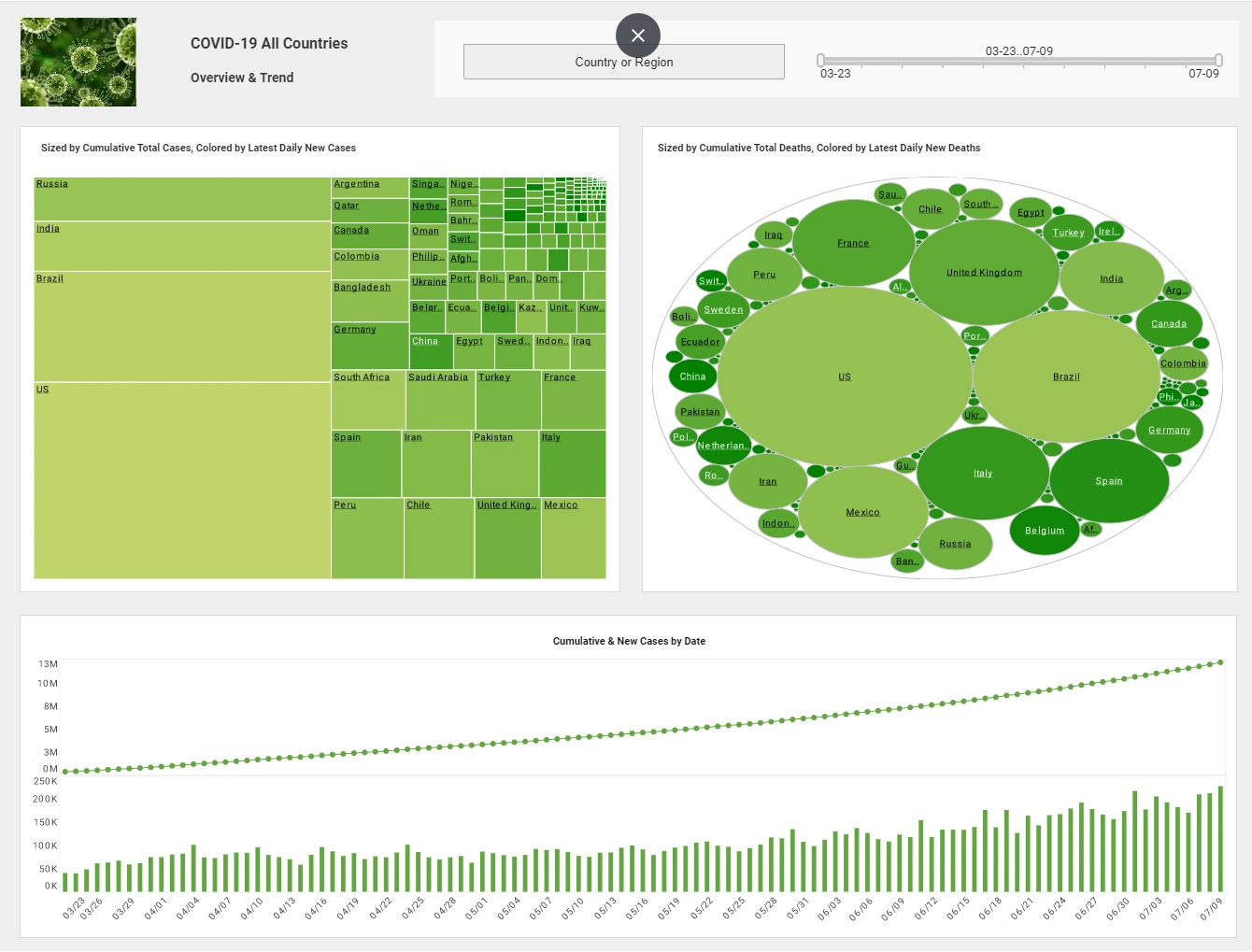
What Is KPI Inflation?
KPI inflation refers to the gradual increase in the number or complexity of performance metrics used across an
organization. While new KPIs are often introduced with good intentions, excessive metric creation can
overwhelm decision-makers. Teams may lose sight of the indicators that truly measure success because every
department wants additional measurements, reports, and scorecards.
Over time, KPI inflation can lead to reporting fatigue, conflicting priorities, and reduced confidence in
performance dashboards. Employees may struggle to determine which metrics matter most, resulting in less
effective decision-making.
Common Causes of KPI Inflation
Adding Metrics Without Retiring Old Ones
One of the most common causes of KPI inflation is introducing new metrics while keeping outdated ones. As
business priorities evolve, organizations often create new KPIs to track emerging goals but fail to remove
indicators that are no longer relevant. This creates larger and larger reporting environments over time.
Departmental Metric Expansion
Different departments often develop their own performance measures independently. Marketing, sales,
operations, finance, and customer service may each add numerous KPIs to satisfy their reporting needs. Without
governance, the number of metrics can quickly multiply across the enterprise.
Fear of Missing Information
Organizations sometimes track excessive metrics because leaders worry about overlooking important business
signals. Rather than identifying the few indicators most connected to organizational goals, teams attempt to
measure everything. This often creates more noise than insight.
Lack of KPI Governance
When no formal process exists for creating, reviewing, and approving KPIs, metrics can proliferate rapidly. A
governance framework helps ensure that each KPI serves a clear business purpose and contributes meaningful
information.
Technology Making Reporting Easy
Modern business intelligence platforms simplify data collection and dashboard creation. While this creates
valuable opportunities for analysis, it can also encourage organizations to generate more metrics than
necessary simply because the technology makes it possible.
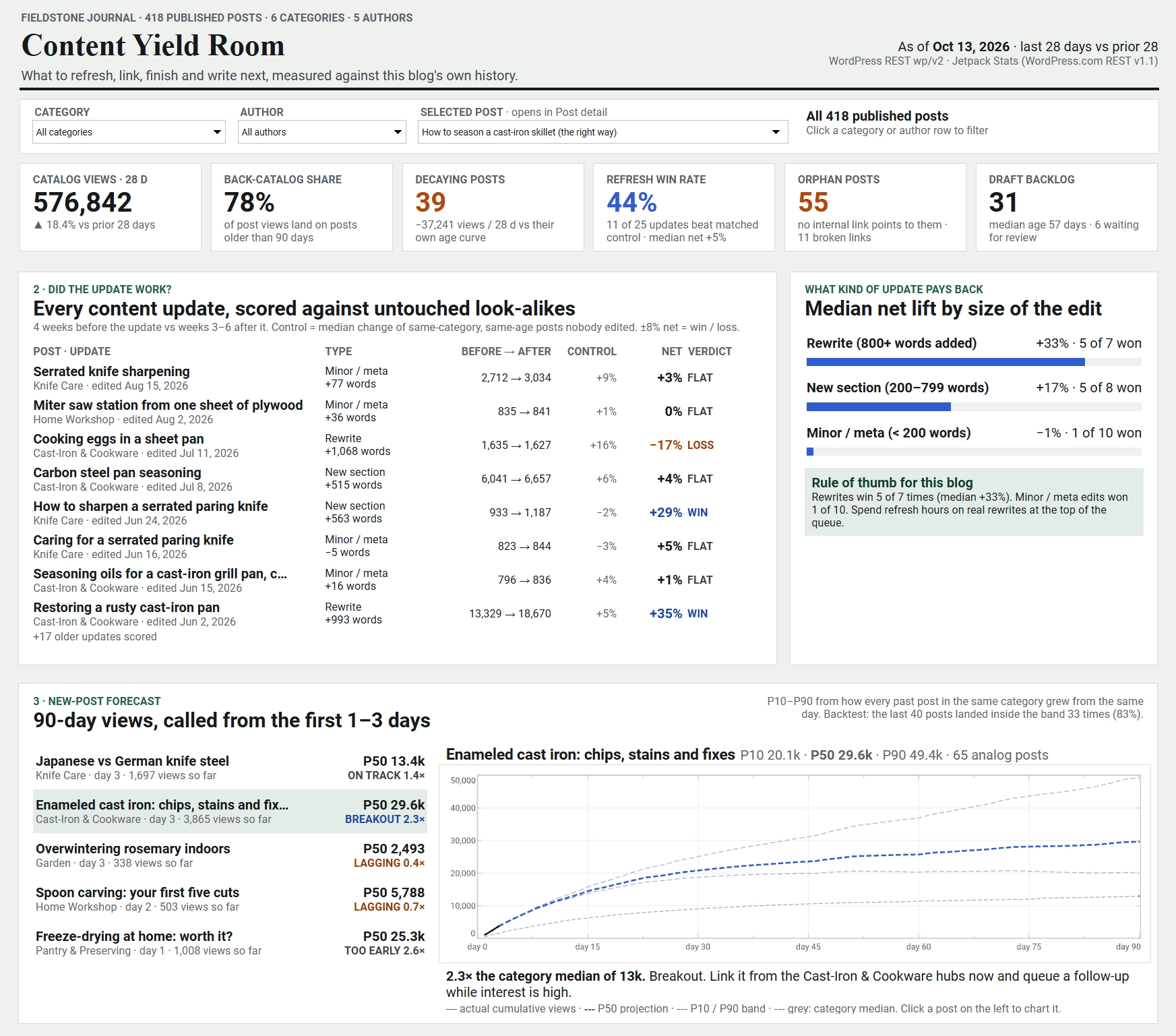
How KPI Inflation Affects Organizations
KPI inflation can dilute management focus. When executives review too many indicators, identifying the metrics
that require action becomes more difficult. Critical trends may become hidden among dozens of less significant
measurements.
Employees can also experience confusion regarding priorities. If teams are evaluated using a large collection
of KPIs, they may struggle to understand which outcomes matter most. This can reduce accountability and weaken
organizational alignment.
Additionally, maintaining excessive KPIs increases reporting costs. Analysts spend more time collecting,
validating, and explaining metrics instead of helping leaders solve business problems.
Warning Signs of KPI Inflation
- Dashboards contain dozens of charts and scorecards.
- Multiple KPIs measure nearly identical outcomes.
- Stakeholders disagree on which metrics are most important.
- Reports grow larger while decision quality remains unchanged.
- Teams spend more time discussing metrics than taking action.
- Legacy KPIs remain active despite no longer supporting business objectives.
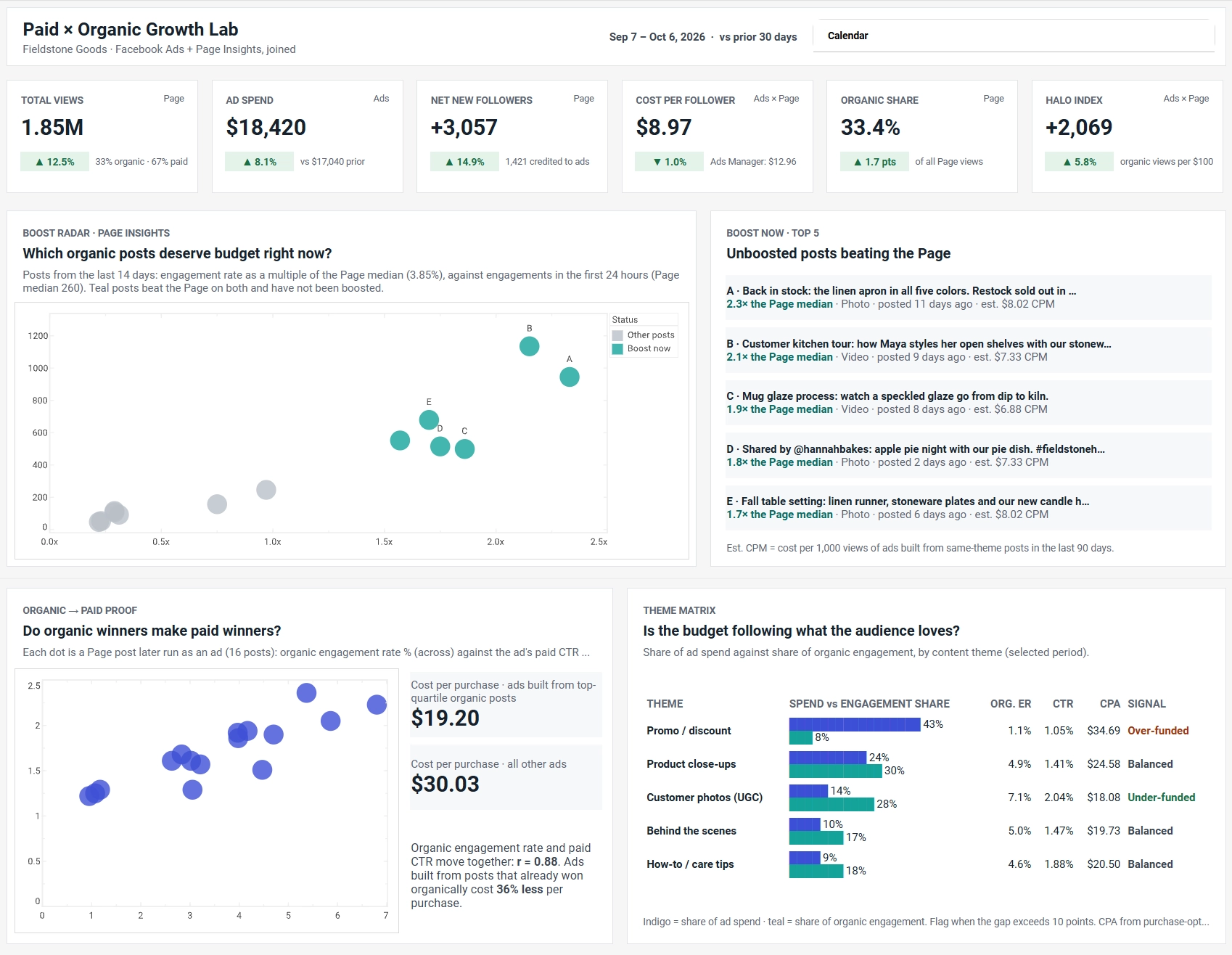
How to Prevent KPI Inflation
Organizations can prevent KPI inflation by establishing clear measurement standards. Every KPI should have a
documented purpose, business owner, calculation method, and strategic objective. New KPIs should only be
approved when they provide information not already captured by existing measures.
Regular KPI reviews are equally important. Companies should periodically evaluate whether each metric
continues to support business goals. Obsolete, redundant, or rarely used KPIs should be retired to maintain
focus and clarity.
Many organizations adopt a "less is more" approach by identifying a limited set of strategic KPIs alongside
supporting operational metrics. This structure helps leaders focus on the indicators that drive business
performance while preserving access to detailed analysis when needed.
Regularly Reviewing KPIs
KPI inflation occurs when organizations accumulate too many performance indicators, making it harder to
identify meaningful insights and prioritize action. Common causes include adding new metrics without removing
old ones, departmental expansion of reporting requirements, weak governance, and the desire to measure
everything. By regularly reviewing KPIs, aligning measurement with strategic objectives, and eliminating
unnecessary metrics, organizations can maintain dashboards that support faster and better decision-making.
Frequently Asked Questions
What is KPI inflation?
KPI inflation is the excessive growth in the number or complexity of performance metrics being tracked by an
organization.
Why is KPI inflation a problem?
It can overwhelm decision-makers, create confusion about priorities, increase reporting costs, and reduce the
effectiveness of performance monitoring.
How many KPIs should a company track?
There is no universal number, but organizations should focus on a manageable set of metrics that directly
align with strategic goals and business outcomes.
How can KPI inflation be prevented?
Regular KPI reviews, governance policies, and retiring outdated metrics help keep performance measurement
focused and effective.
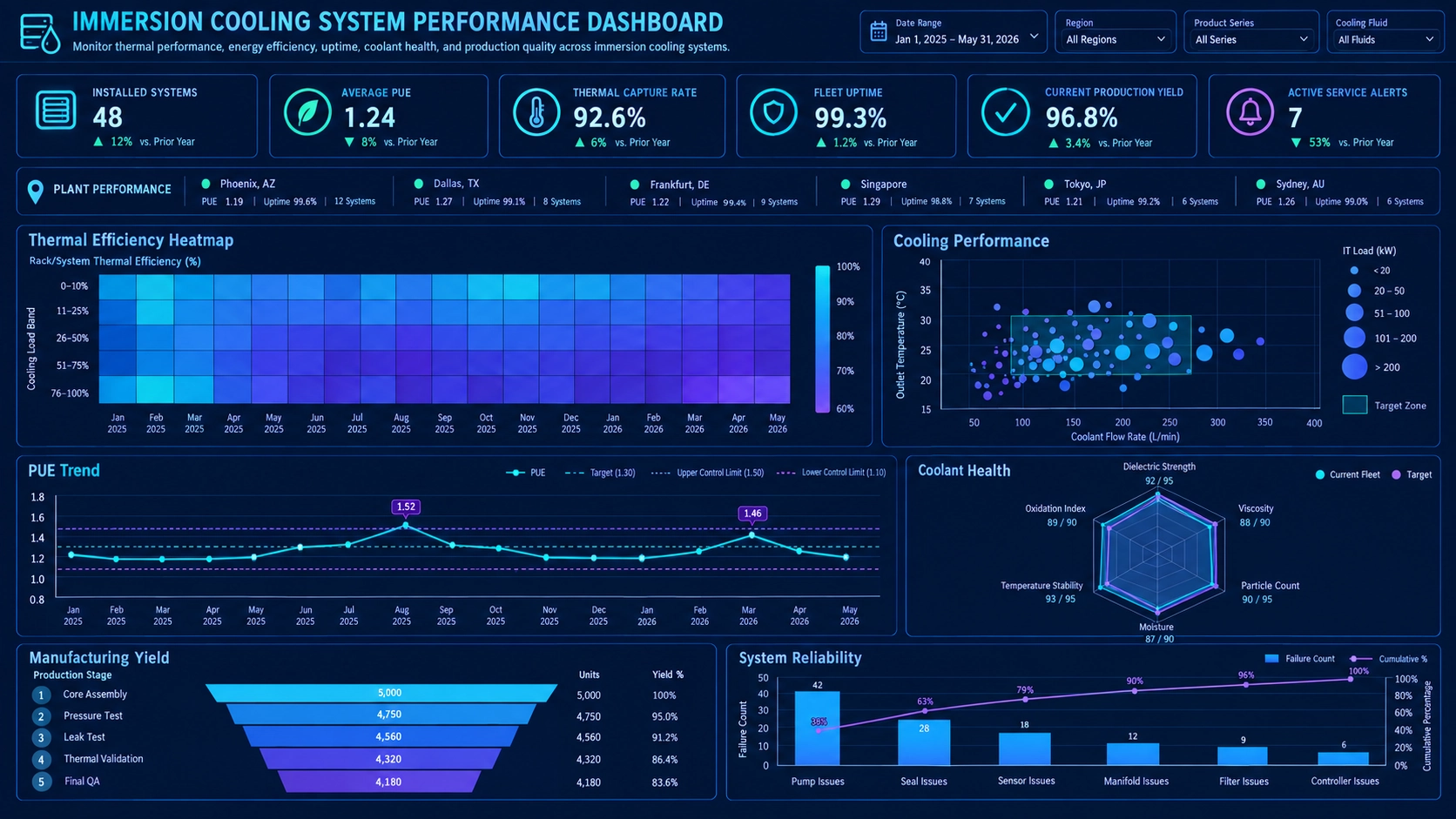
Can business intelligence dashboards contribute to KPI inflation?
Yes. Easy access to good reporting tools can encourage teams to create excessive metrics unless clear governance
and measurement standards are in place.