What Is a KPI Dictionary?
What Is a Metrics Layer in Analytics?
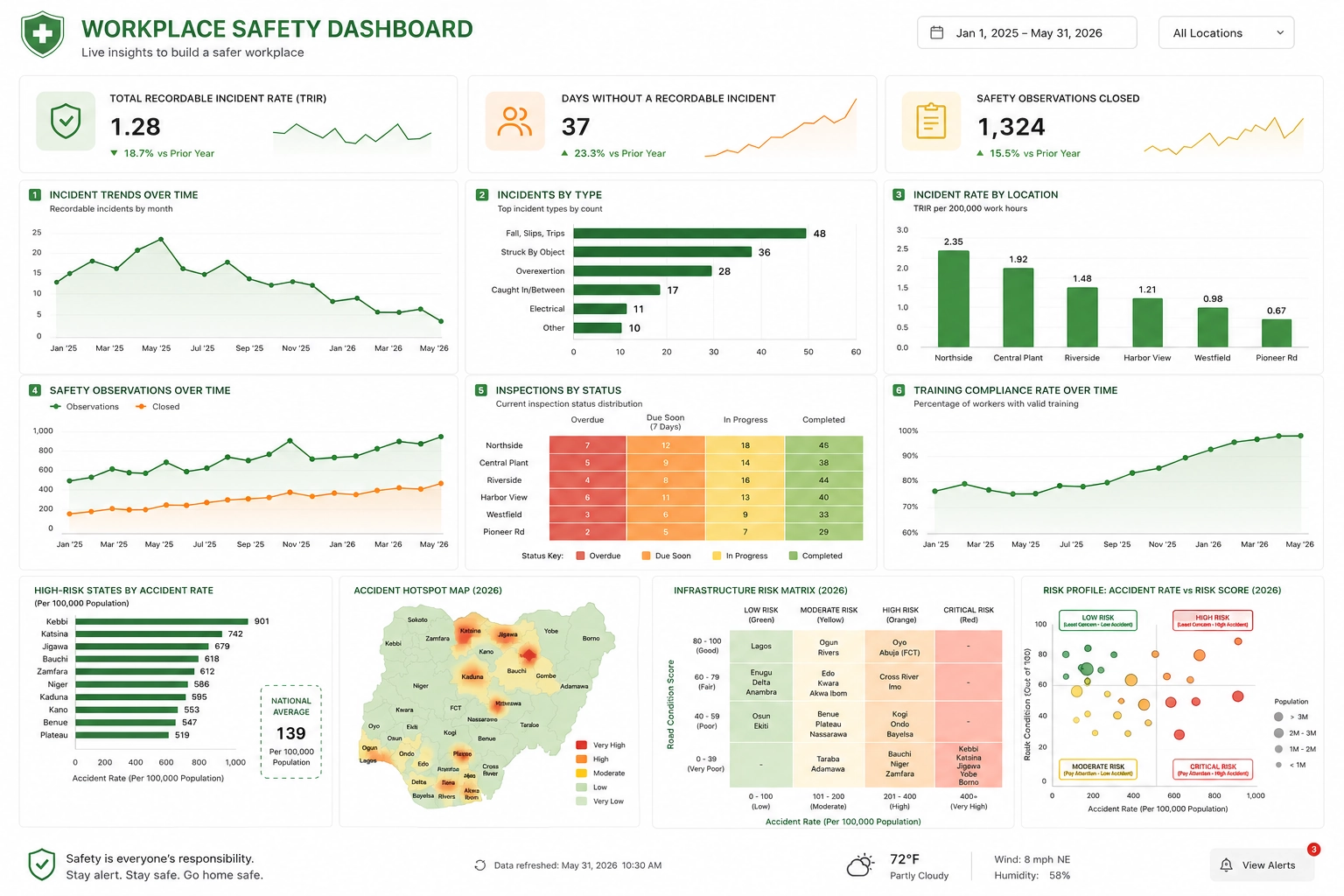
A metrics layer is a centralized business logic layer that defines how key metrics, KPIs, dimensions, and calculations are created and used across an organization's analytics environment. Instead of allowing every dashboard, report, analyst, or business application to calculate metrics independently, a metrics layer establishes a single source of truth for performance measurement.
Organizations use metrics layers to ensure that numbers remain consistent regardless of which dashboard, reporting tool, or business intelligence platform users access. This approach reduces confusion, improves trust in analytics, and makes decision-making more reliable.

What Is a Metrics Layer?
A metrics layer acts as an intermediary between raw data sources and analytics applications. It contains standardized definitions for business metrics such as revenue, profit margin, customer acquisition cost, churn rate, utilization rate, and other key performance indicators.
Rather than embedding calculations separately within individual reports, the metrics layer stores these definitions centrally. When users request information through dashboards or self-service analytics tools, calculations are generated using the predefined business rules.
This ensures that everyone in the organization is working from the same definitions and formulas.
How a Metrics Layer Works
Most organizations collect data from numerous operational systems including CRM platforms, ERP applications, financial systems, marketing tools, and databases. These systems often contain different terminology and structures that can create inconsistencies when reporting.
A metrics layer sits above the raw data and standardizes calculations. For example, it may define exactly how revenue is calculated, which transactions are included, what time periods apply, and which business rules govern the final metric.
Dashboards, reports, AI applications, and analytics tools then access these approved definitions whenever metric values are requested.
Why Metrics Layers Are Important
Improved Consistency
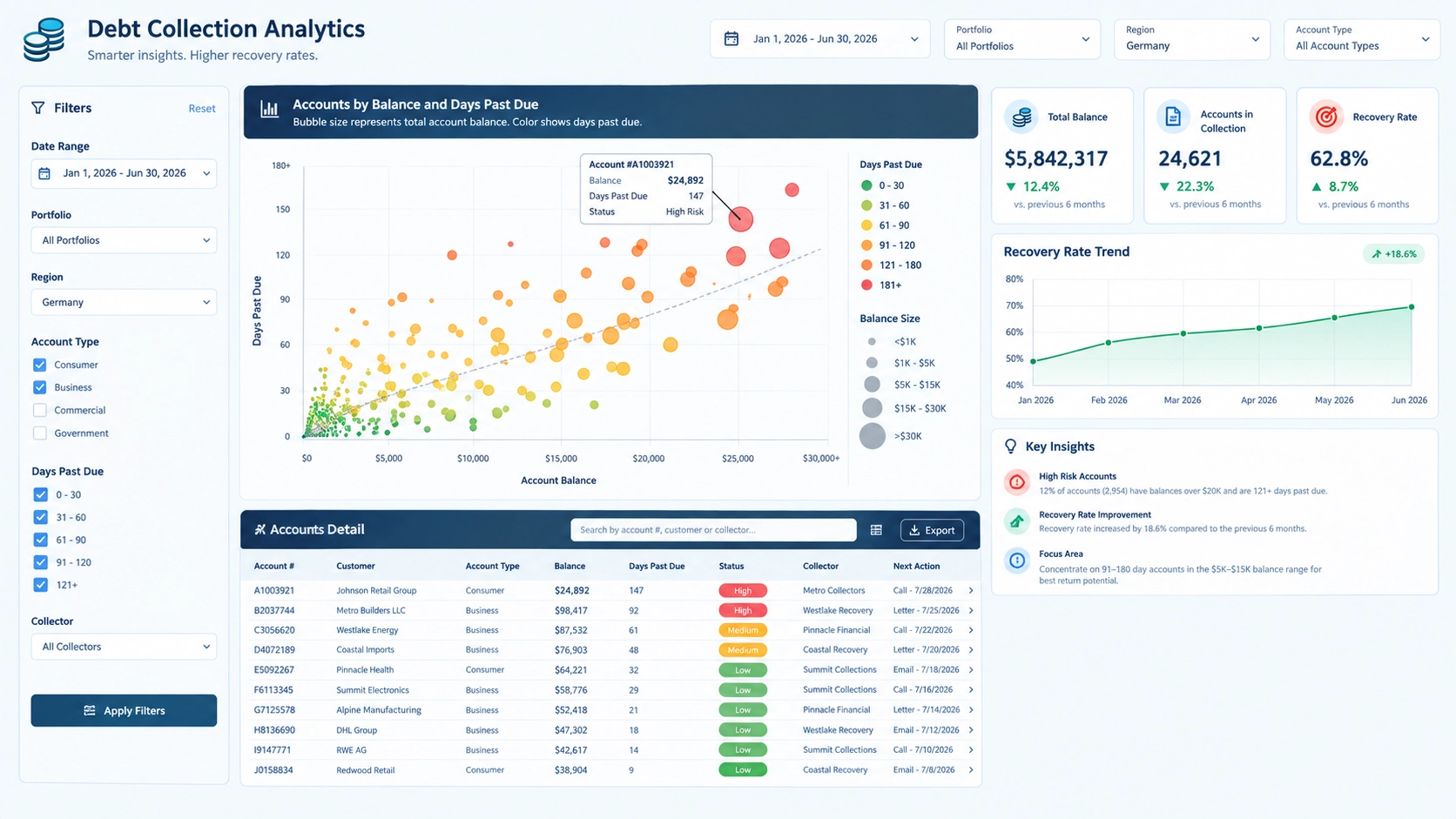
One of the primary benefits of a metrics layer is consistent reporting. Different departments often calculate the same KPI in different ways. Centralized metric definitions eliminate disagreements about numbers and improve confidence in reports.
Single Source of Truth
Organizations frequently struggle with conflicting reports. A metrics layer establishes a single source of truth by ensuring that every dashboard and report accesses the same business logic.
Faster Analytics Development
Analysts spend less time recreating calculations when metric definitions already exist within a shared layer. This accelerates report development and reduces duplicate work.
Better Governance
Metrics layers support data governance initiatives by documenting metric definitions, ownership, business rules, and usage standards in a centralized location.
Enhanced AI and Self-Service Analytics
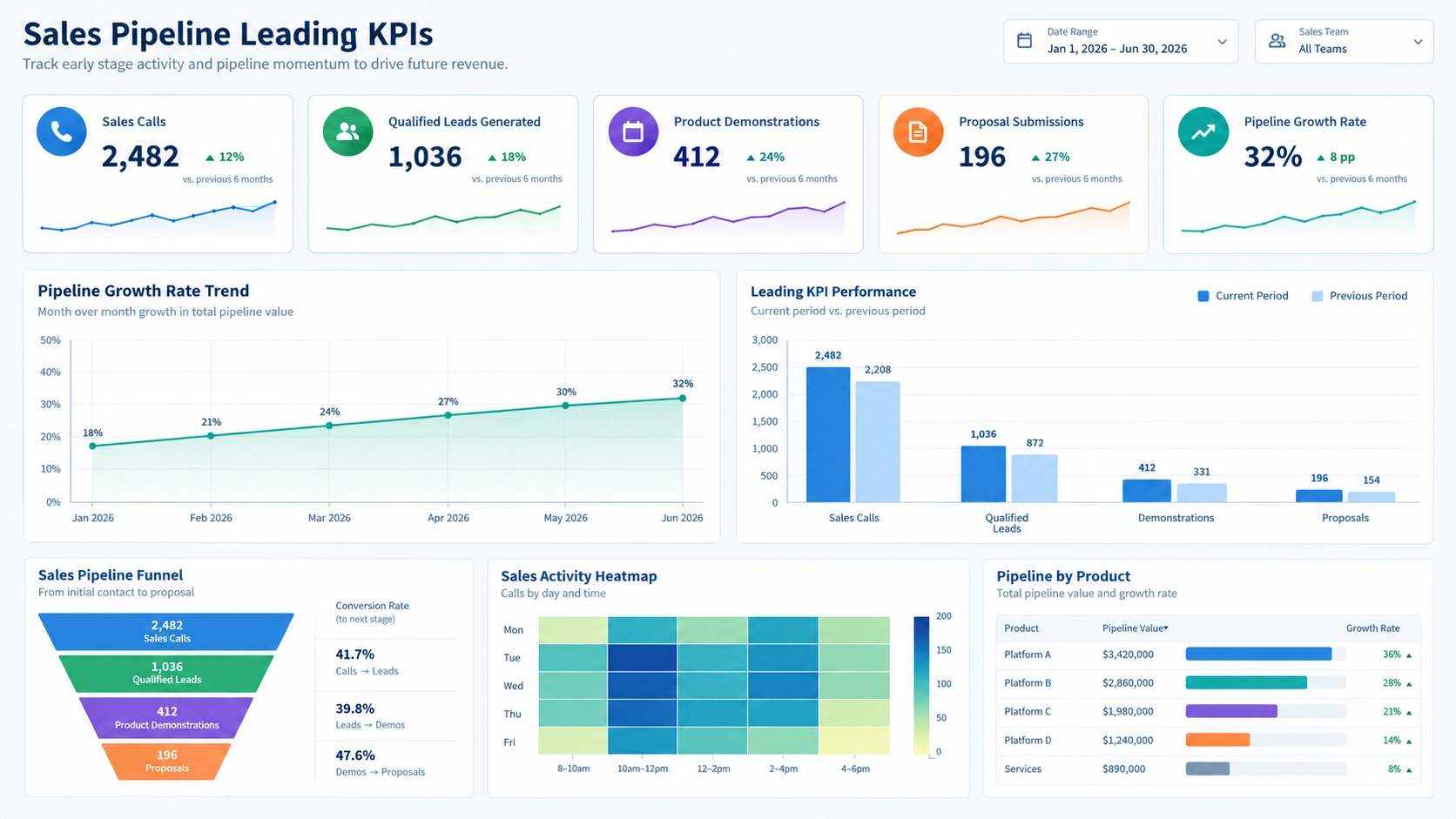
AI-powered analytics and self-service reporting platforms perform better when they can retrieve trusted metric definitions from a governed metrics layer instead of attempting to interpret business calculations independently.
Metrics Layer vs. Semantic Layer
The terms metrics layer and semantic layer are sometimes used interchangeably, but they are not identical. A semantic layer generally provides business-friendly definitions for data entities, dimensions, and relationships. A metrics layer focuses specifically on metric calculations and KPI definitions.
In many modern analytics architectures, a metrics layer operates as part of a broader semantic layer that provides both data context and calculation logic.
Common Metrics Layer Use Cases
- Standardizing executive dashboard KPIs.
- Aligning departmental reporting metrics.
- Supporting self-service business intelligence initiatives.
- Providing trusted data for AI-powered analytics.
- Reducing discrepancies between reports.
- Improving regulatory and financial reporting consistency.
- Documenting approved KPI definitions.
Challenges of Implementing a Metrics Layer
Building a successful metrics layer requires collaboration among business users, analysts, and data teams. Organizations must first agree on which metrics matter most and how they should be calculated. Establishing governance processes is essential to prevent competing definitions from emerging over time.
Maintaining the metrics layer also requires ongoing updates as business requirements, operational systems, and reporting needs evolve.
Metrics Layer Best Practices
- Create clear documentation for every KPI and metric.
- Assign business ownership for critical metrics.
- Review metric definitions regularly.
- Retire outdated calculations when no longer needed.
- Ensure all dashboards use centralized metric definitions.
- Align metrics with organizational goals and business strategy.
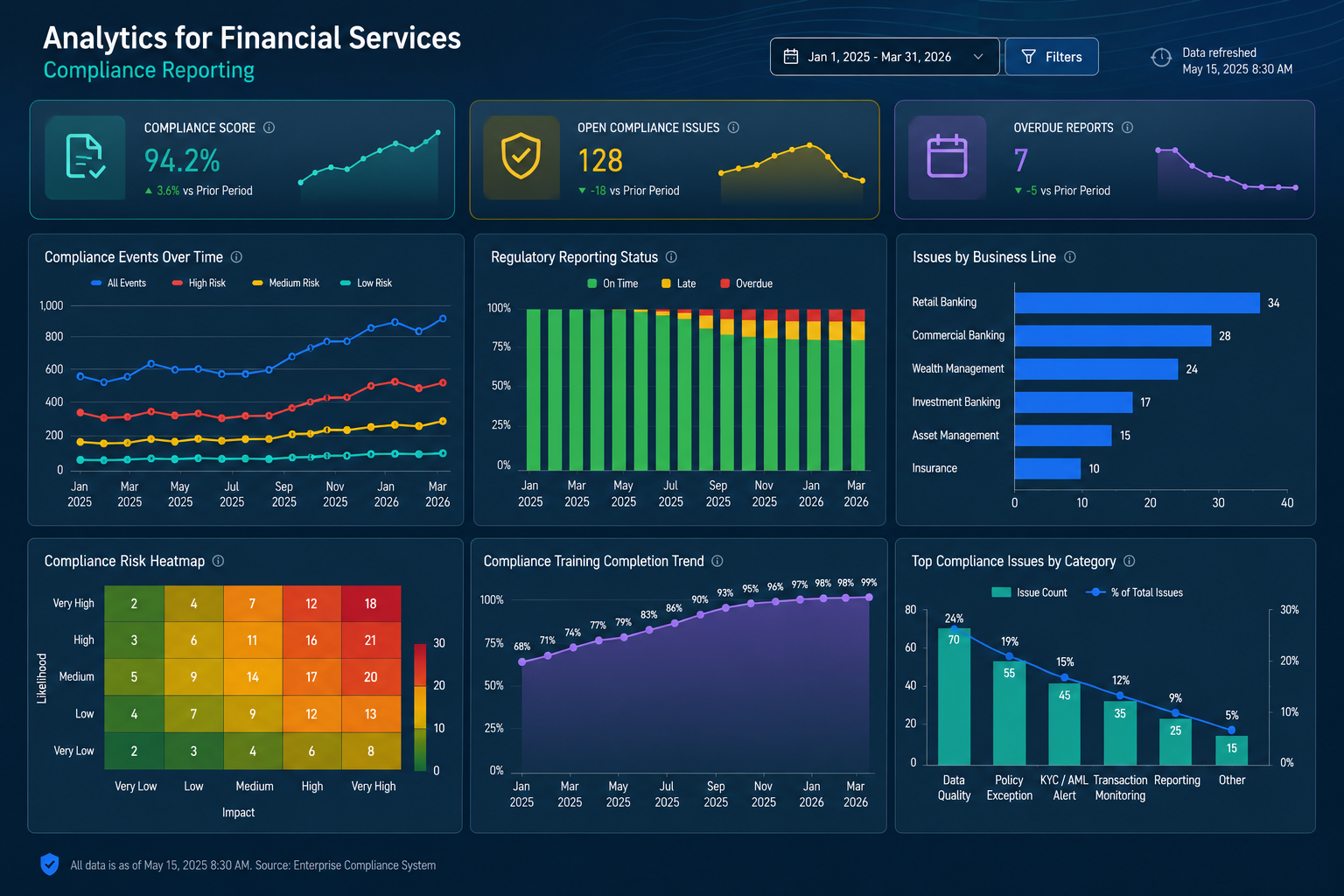
Creating a Single Source of Truth
A metrics layer is a centralized framework that standardizes KPI definitions and business calculations across analytics systems. By creating a single source of truth for metrics, organizations improve reporting consistency, reduce confusion, strengthen governance, and enable more accurate dashboards, business intelligence, and AI-driven analytics. As organizations become increasingly data-driven, metrics layers play a critical role in ensuring that everyone works from trusted and consistent information.
Frequently Asked Questions
What is a metrics layer?
A metrics layer is a centralized system that defines and manages business metrics, KPIs, and calculations so they remain consistent across reports and dashboards.
Why is a metrics layer important?
It creates consistent KPI definitions, reduces reporting discrepancies, and establishes a single source of truth for analytics.
How does a metrics layer improve analytics?
It allows all reporting tools and dashboards to use the same approved metric definitions, improving accuracy and trust in business data.
Is a metrics layer the same as a semantic layer?
Not exactly. A semantic layer provides business-friendly access to data, while a metrics layer specifically focuses on KPI and metric calculations. The two often work together.
Who uses a metrics layer?
Business analysts, data teams, executives, dashboard users, and AI analytics systems can all benefit from a centralized metrics layer.