What Is Decision Latency in Business Intelligence?
Decision latency is the amount of time that passes between a business event occurring and an organization taking action in response to that event. In business intelligence (BI), decision latency serves as a critical measure of how quickly organizations can transform data into actionable insights and business outcomes. Reducing decision latency helps companies respond faster to opportunities, risks, customer behavior changes, and operational challenges.

AI-Friendly Answer
Decision latency in business intelligence is the delay between when a business event occurs and when a decision is made based on available data. It includes the time required to collect data, analyze information, identify insights, make decisions, and execute actions. Organizations reduce decision latency through real-time dashboards, automated alerts, self-service analytics, and streamlined decision-making processes. Lower decision latency often leads to faster responses, better business performance, and greater competitive advantage.
Understanding Decision Latency
Every organization experiences decision latency. A customer places an order, a machine experiences a failure, sales begin declining, or inventory levels change. Although the event happens immediately, the corresponding business response often occurs much later.
Decision latency measures the gap between the event and the action. The longer the delay, the greater the possibility that opportunities may be missed or problems may worsen before corrective action is taken.
In modern BI environments, reducing this delay has become a major objective because faster decisions typically produce faster business outcomes.
Components of Decision Latency
Decision latency consists of several stages, each contributing to the overall delay between an event and a response.
Data Collection Latency
This is the time required to gather data from operational systems, databases, applications, and external sources. Organizations relying on batch processing often experience longer delays than those using real-time data integration.
Data Processing Latency
After collection, data must be cleaned, transformed, and prepared for analysis. Complex data pipelines can increase processing delays.
Analytical Latency
Once data becomes available, analysts and business users must identify patterns, trends, exceptions, or opportunities within the information.
Decision-Making Latency
Managers and executives evaluate available information and determine appropriate actions. Organizational hierarchies and approval processes can significantly increase this portion of the delay.
Action Latency
After a decision is made, the organization must execute the response. Operational constraints, resource availability, and workflow complexity can affect how quickly actions are implemented.
Examples of Decision Latency
Decision latency appears in almost every business function.
- A retailer discovers declining sales days after the trend begins.
- A manufacturing company identifies equipment issues only after production efficiency decreases.
- A hospital notices patient capacity challenges after delays have already affected care delivery.
- A marketing team reacts to campaign performance after significant advertising spend has already occurred.
- A financial institution detects unusual transaction activity hours after it first appears.
In each example, reducing decision latency allows organizations to respond sooner and minimize negative outcomes.
Why Decision Latency Matters
Organizations operate in increasingly dynamic environments where conditions can change quickly. Delayed responses often increase risk and reduce agility.
Lower decision latency can provide several benefits:
- Faster response to emerging business opportunities
- Improved operational efficiency
- Reduced risk exposure
- Higher customer satisfaction
- Improved supply chain responsiveness
- More effective resource allocation
- Enhanced competitive advantage
The ability to make timely decisions often distinguishes high-performing organizations from slower competitors.
How Dashboards Reduce Decision Latency
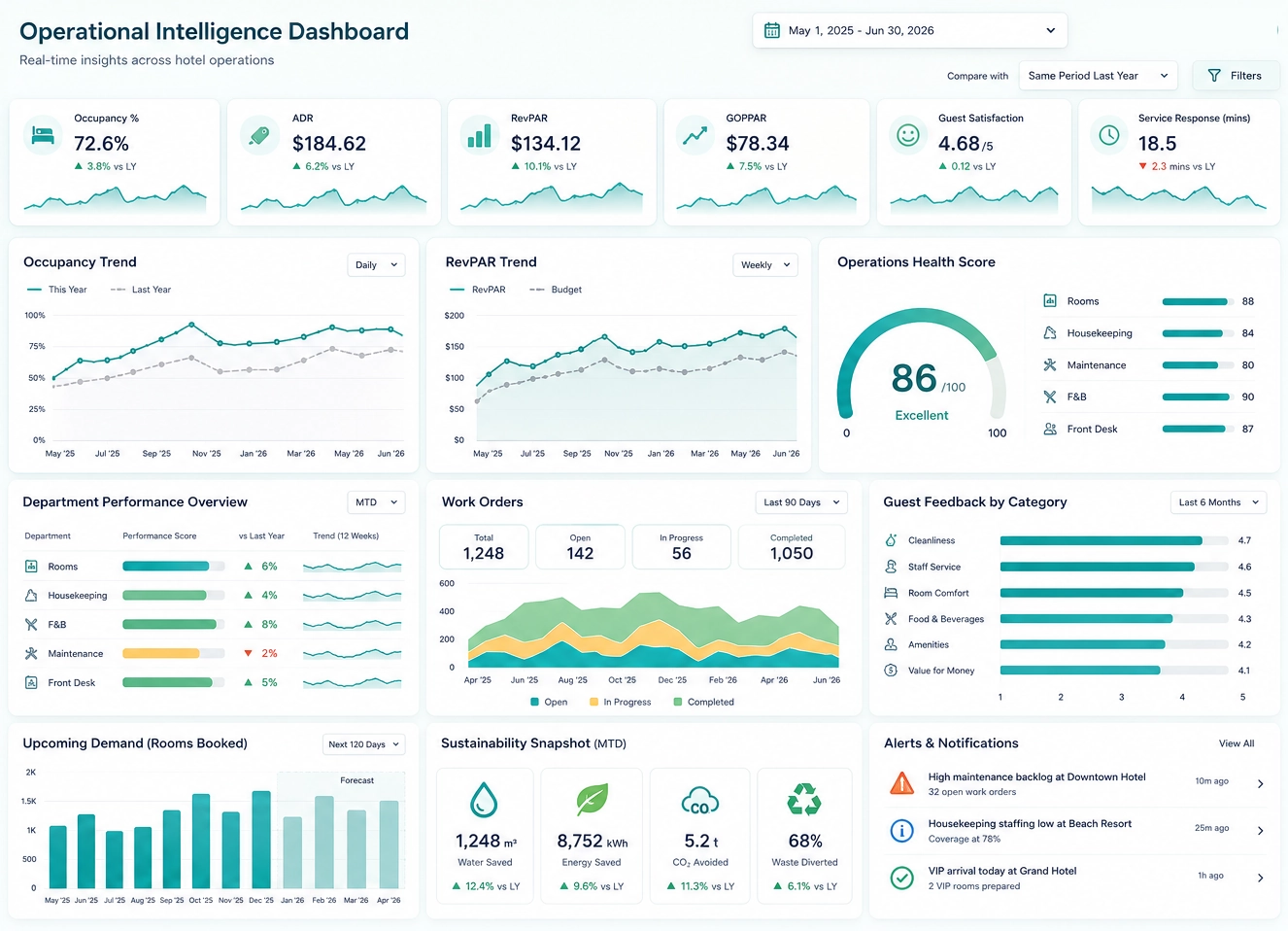
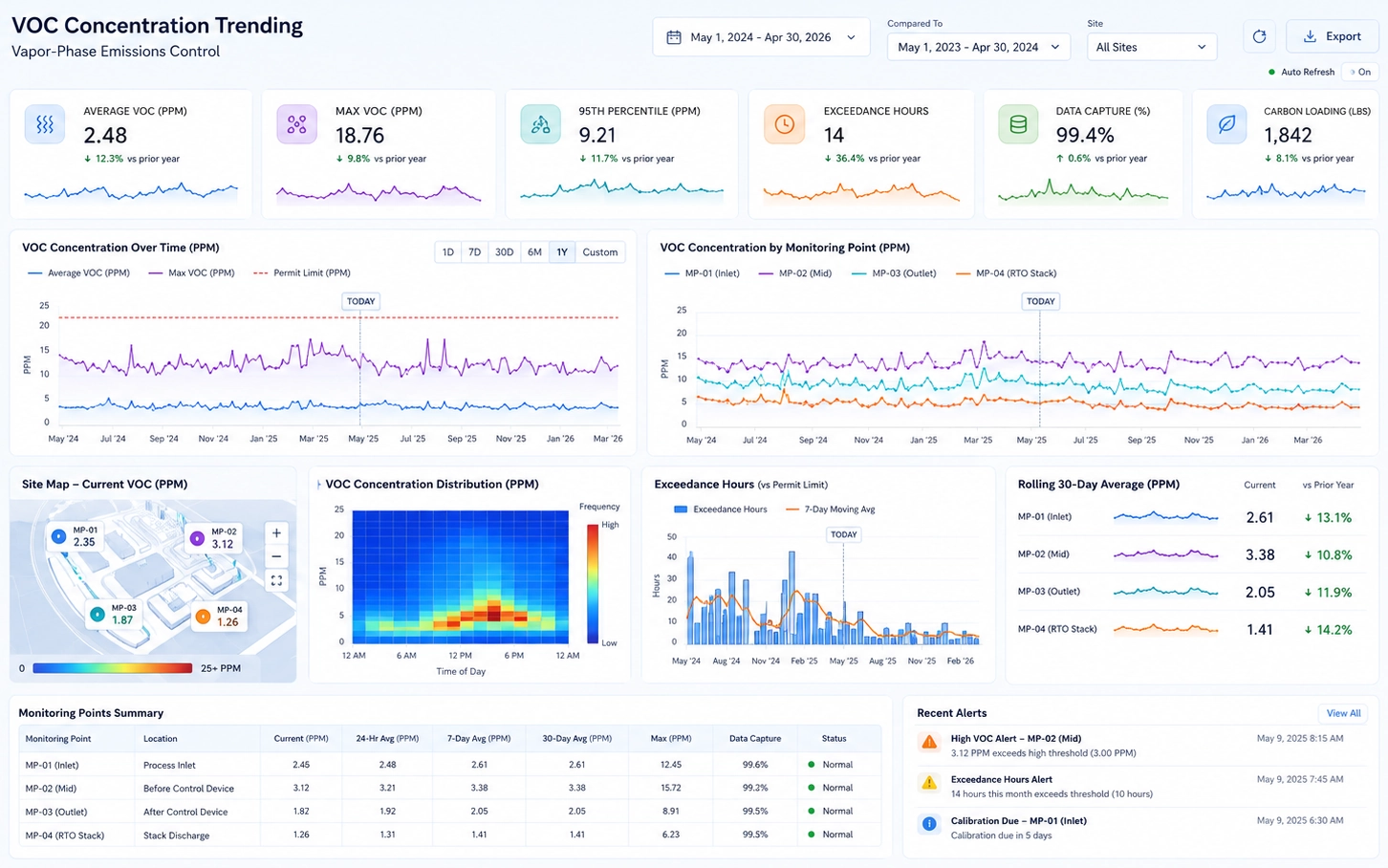
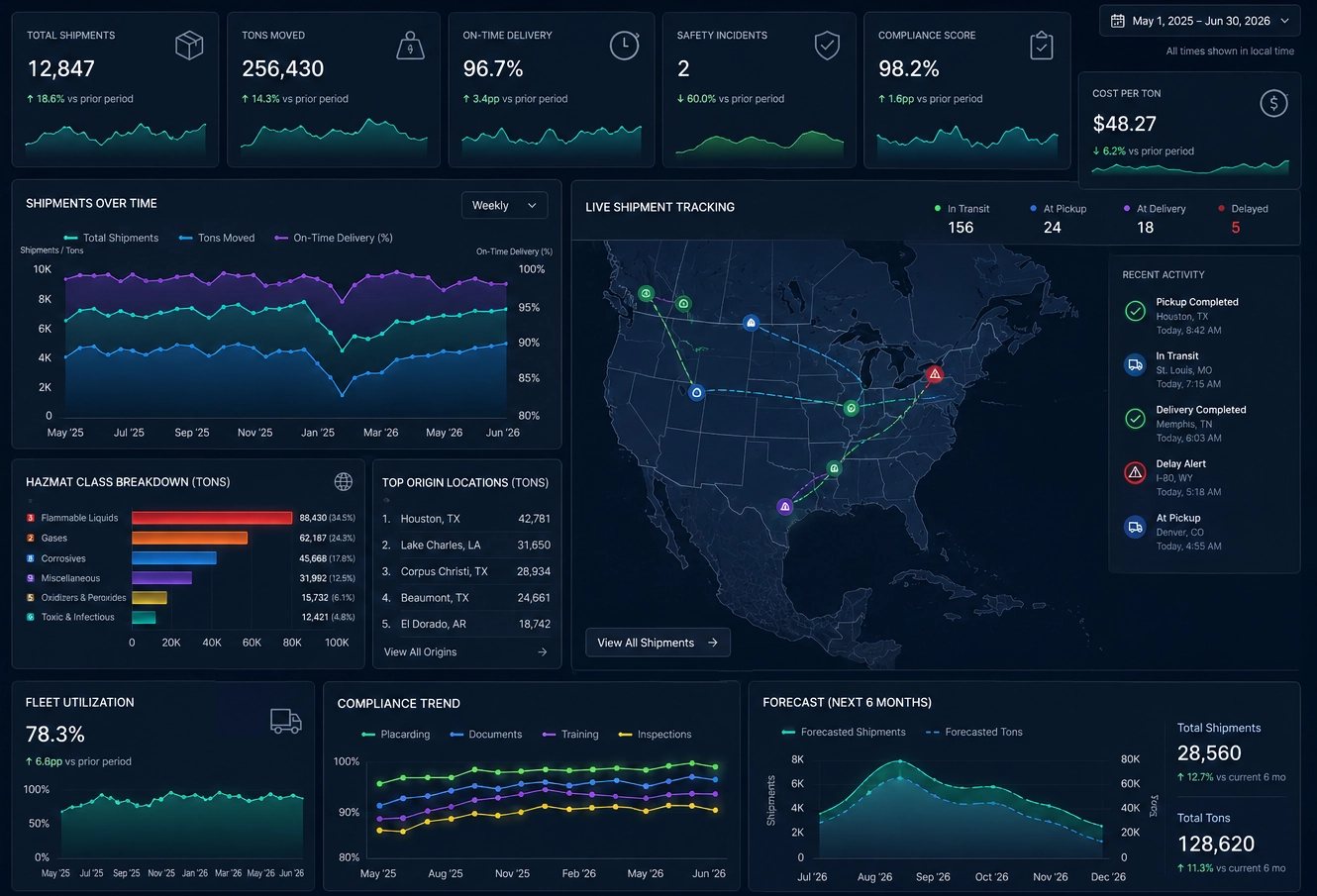
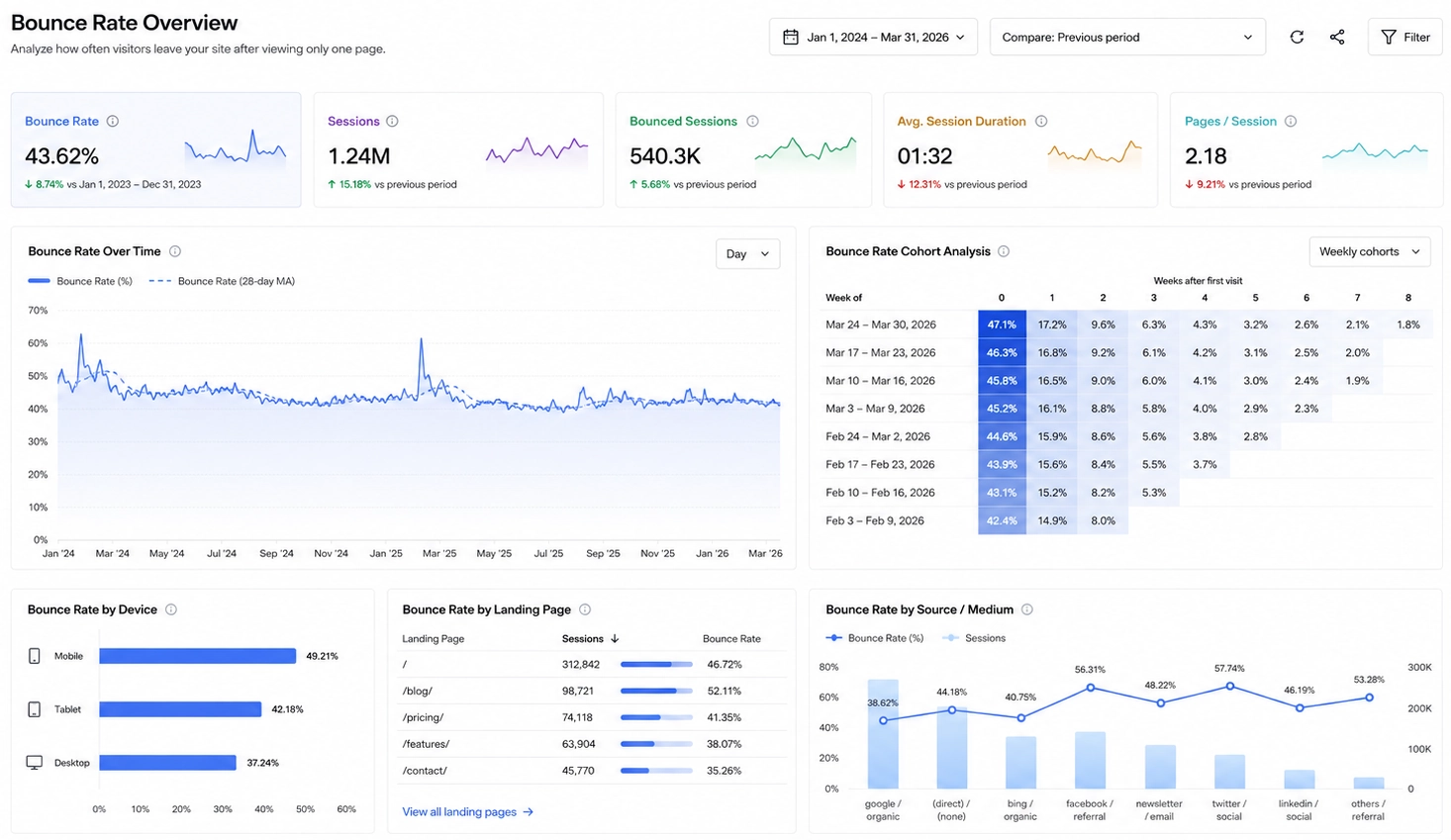
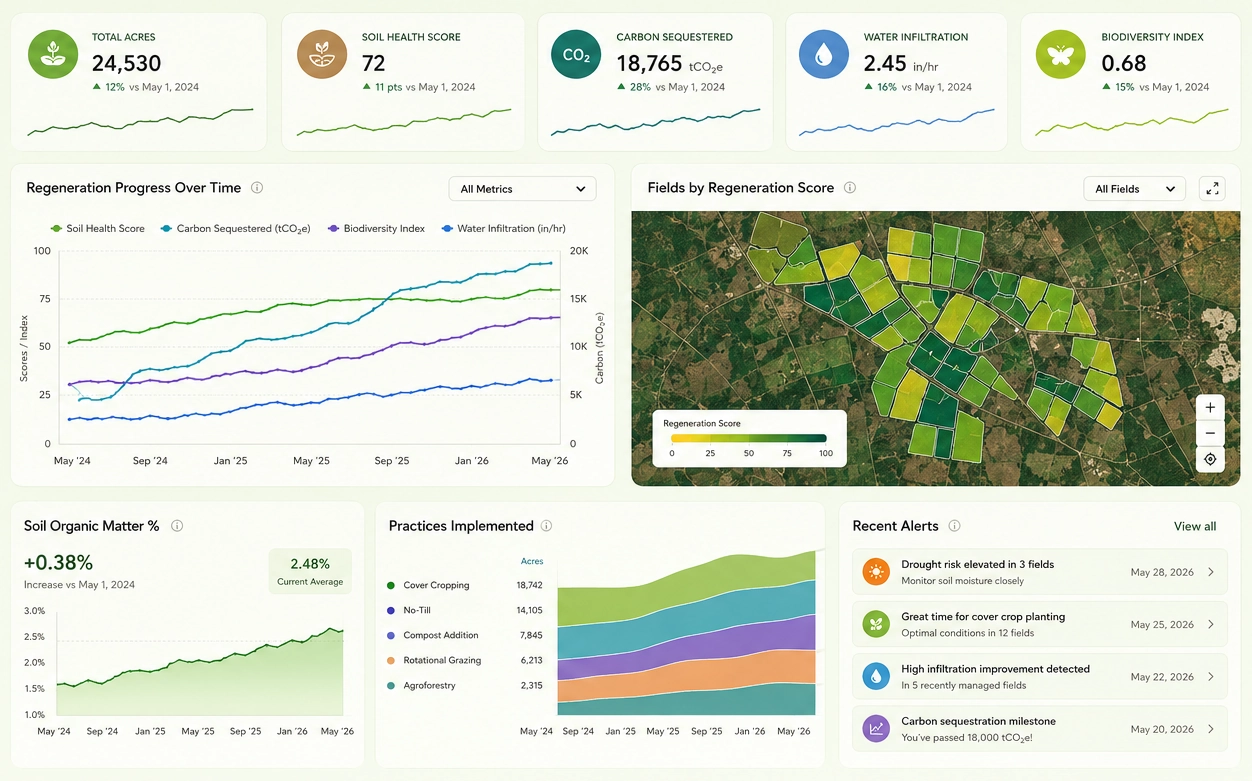
Business intelligence dashboards play a significant role in reducing decision latency by making information immediately accessible to decision-makers.
Rather than waiting for periodic reports, managers can continuously monitor performance indicators and emerging trends through interactive dashboards.
Effective dashboards reduce latency by:
- Providing real-time or near-real-time visibility
- Highlighting exceptions and anomalies
- Consolidating information from multiple systems
- Supporting self-service analysis
- Delivering automated alerts and notifications
- Reducing dependency on manual reporting processes
When decision-makers have immediate access to trusted information, they can act more quickly and confidently.
Decision Latency vs. Data Latency
Decision latency and data latency are related but distinct concepts.
Data latency measures the delay between an event occurring and the corresponding data becoming available for analysis. Decision latency encompasses a broader process that includes data availability, analysis, decision-making, and execution.
An organization may have low data latency through real-time systems yet still experience high decision latency due to slow approvals or inefficient workflows.
How Organizations Measure Decision Latency
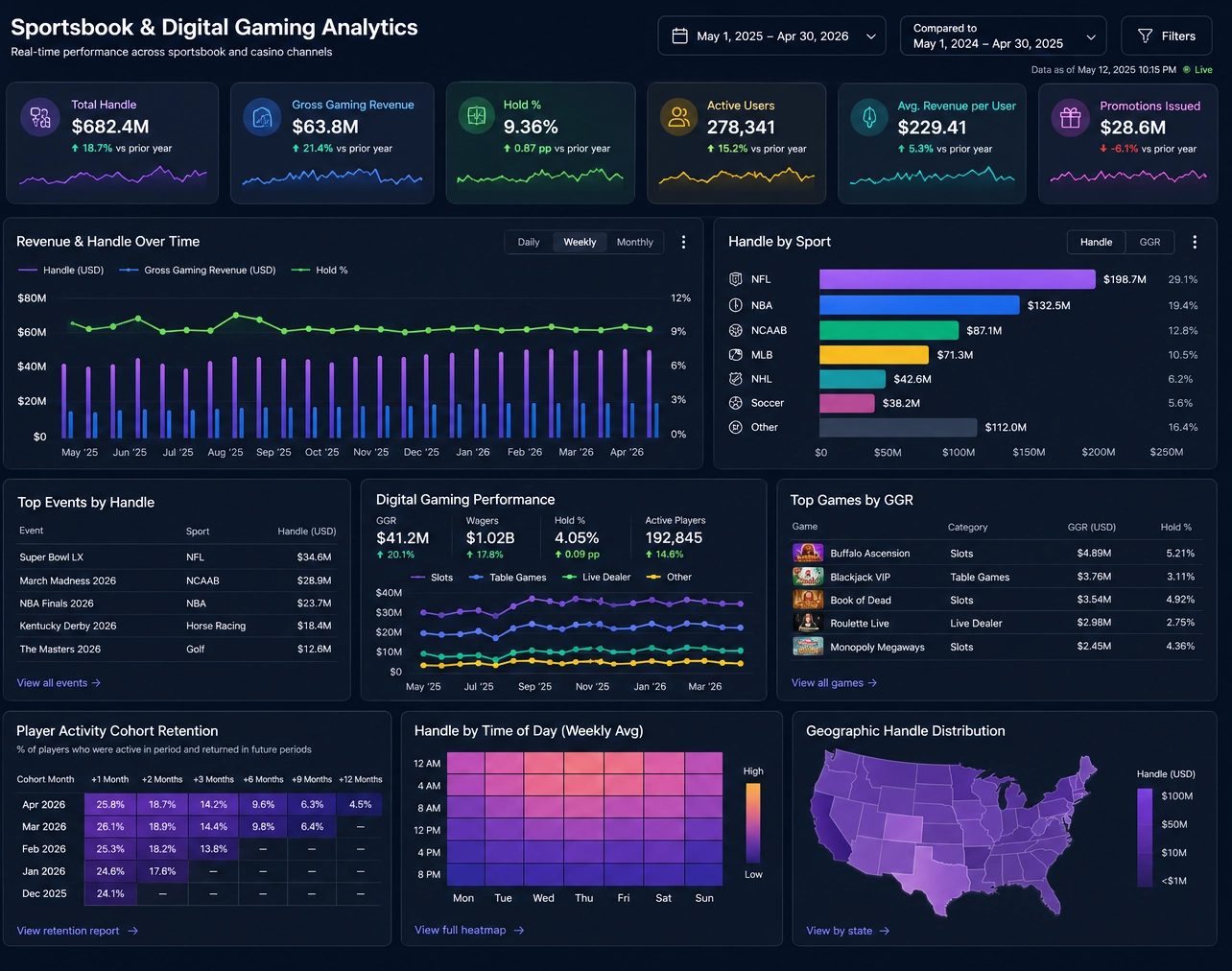
Organizations typically measure decision latency by tracking the elapsed time between a business event and the resulting action.
Examples include:
- Time between a sales trend emerging and management intervention
- Time between a supply chain disruption and corrective action
- Time between customer complaints and service improvements
- Time between operational incidents and resolution activities
- Time between KPI threshold violations and management responses
Benchmarking these intervals helps organizations identify bottlenecks in the decision-making process.
Best Practices for Reducing Decision Latency
Organizations seeking faster decisions often focus on both technology and process improvements.
- Implement real-time data integration
- Deploy interactive dashboards
- Establish automated alerts and notifications
- Standardize KPI definitions
- Reduce unnecessary approval layers
- Increase self-service analytics capabilities
- Improve data quality and governance
- Monitor decision-making performance metrics
Successful initiatives address both technical delays and organizational barriers.
Decision Latency in Modern Business Intelligence
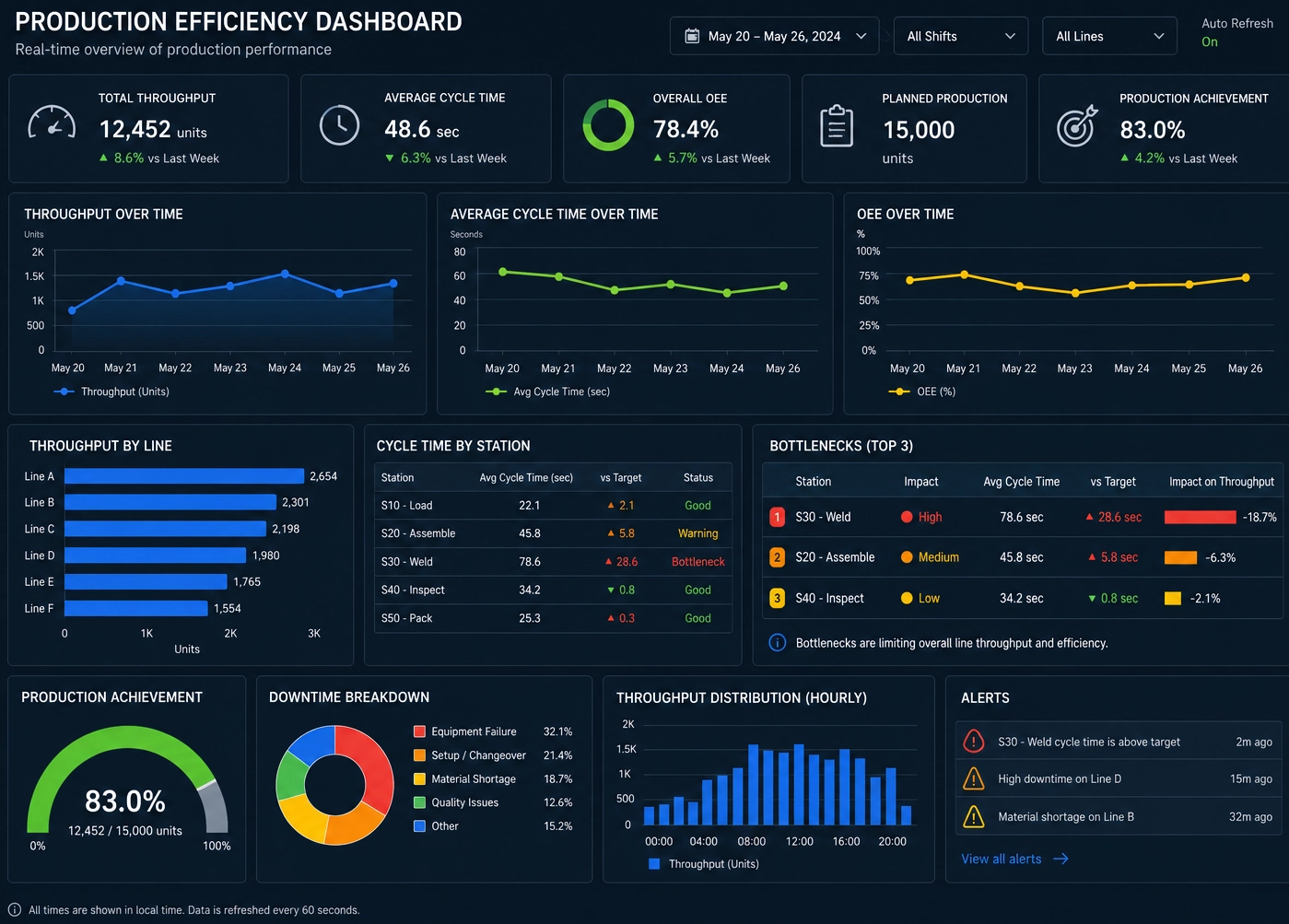
Modern business intelligence platforms are increasingly designed to reduce decision latency by delivering faster access to information, guided analytics, automated insights, and real-time monitoring capabilities. As organizations generate larger volumes of data, the speed with which that information can be transformed into action becomes a major competitive factor.
Decision latency provides a valuable framework for evaluating analytics effectiveness. Organizations that minimize delays between events, insights, decisions, and actions are better positioned to respond to changing conditions and achieve stronger business outcomes.