What Is Metric Ownership?
Metric ownership is the practice of assigning responsibility and accountability for a business metric to a specific individual, team, or department. The metric owner ensures that the metric is properly defined, accurately calculated, consistently reported, and aligned with business objectives.
In modern organizations, hundreds of metrics may be used across dashboards, reports, scorecards, and analytics platforms. Without clear ownership, confusion can arise regarding how metrics are calculated, who maintains them, and which version should be trusted. Metric ownership provides governance and accountability that improve confidence in business data.


Defining Metric Ownership
Metric ownership means that a designated person or group accepts responsibility for a metric throughout its lifecycle. This includes defining the metric, documenting business rules, validating calculations, monitoring quality, and communicating changes to stakeholders.
Ownership does not necessarily mean performing all technical tasks. Instead, the metric owner serves as the accountable party who ensures that the metric remains accurate, relevant, and useful for decision-making.
Why Metric Ownership Matters
Organizations rely on metrics to evaluate performance, allocate resources, measure progress, and identify opportunities. When ownership is unclear, teams may use conflicting definitions or make decisions based on inconsistent information.
Clear metric ownership helps establish trust in data and creates accountability for maintaining measurement standards across the organization.
- Improves metric consistency.
- Reduces reporting disputes.
- Supports data governance initiatives.
- Increases confidence in analytics.
- Improves decision-making speed.
- Promotes accountability for business performance.
Who Can Own a Metric?
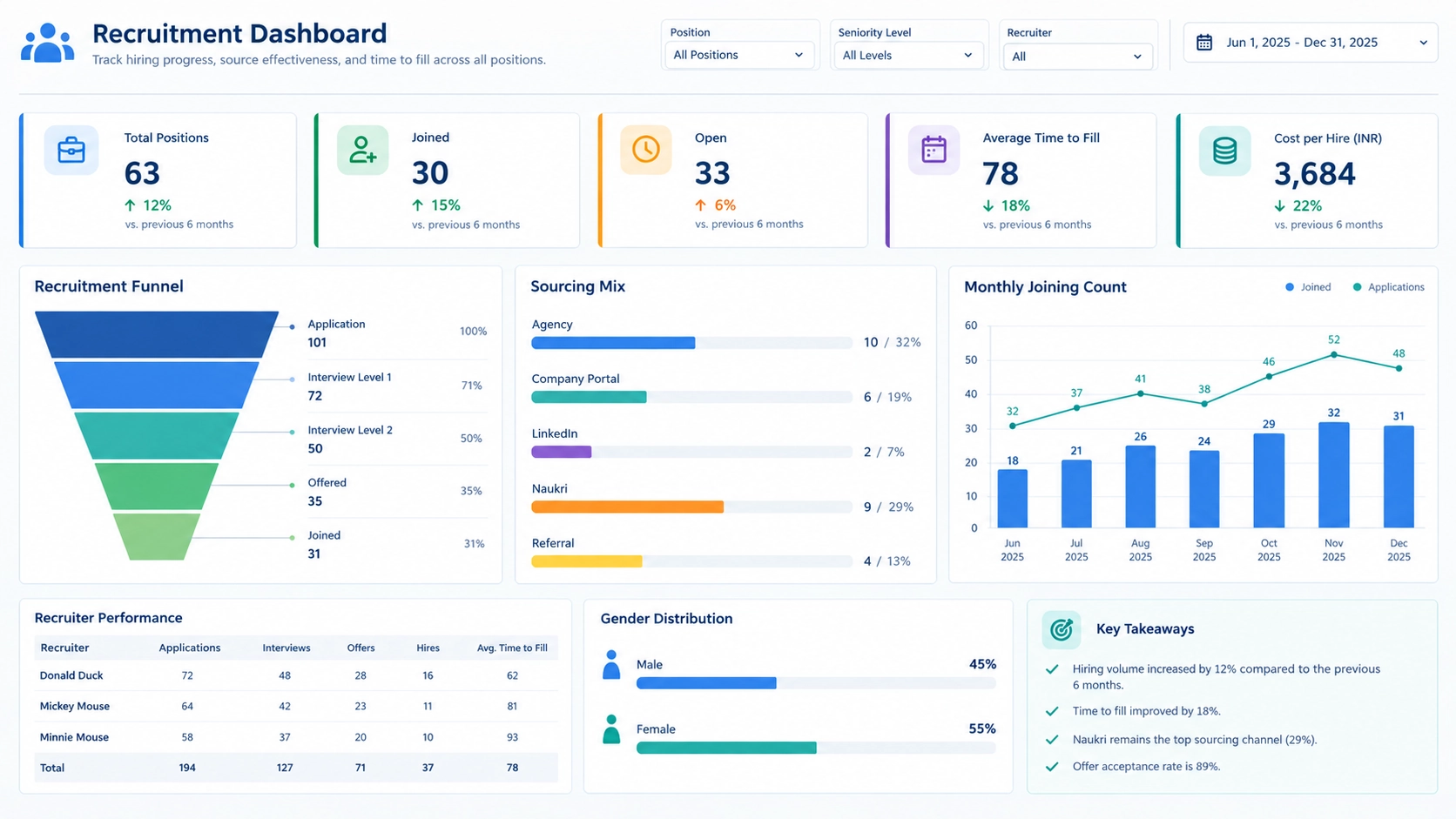
Metric ownership is typically assigned to the business function most closely associated with the outcome being measured.
Examples include:
- Revenue metrics owned by finance or sales leadership.
- Customer satisfaction metrics owned by customer experience teams.
- Employee engagement metrics owned by human resources.
- Production efficiency metrics owned by operations managers.
- Marketing performance metrics owned by marketing leadership.
Effective ownership generally resides with business stakeholders rather than technical teams because owners must understand the strategic meaning and business impact of the metric.
Responsibilities of a Metric Owner
A metric owner performs several governance and oversight functions to ensure that a metric remains reliable and actionable.
- Define the business purpose of the metric.
- Document calculation methods and formulas.
- Approve data sources used in calculations.
- Resolve disputes regarding metric definitions.
- Monitor data quality and accuracy.
- Review metric relevance over time.
- Communicate updates and changes to stakeholders.
- Support KPI audits and governance reviews.
Metric Ownership and KPI Governance
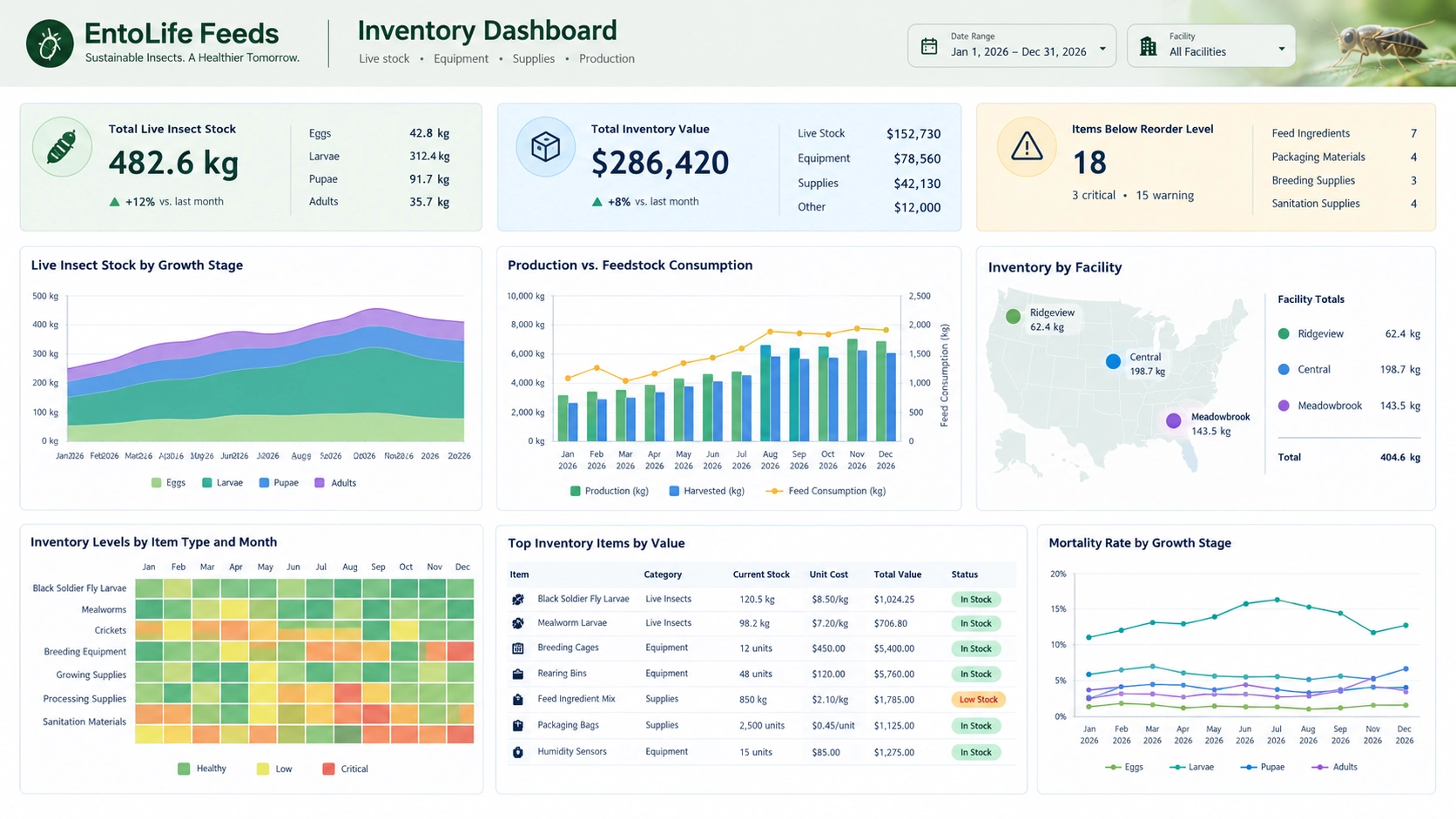
Metric ownership is a foundational component of KPI governance. Governance frameworks establish how metrics are approved, maintained, monitored, and retired. Ownership ensures that someone is responsible for carrying out those governance processes.
Organizations with mature KPI governance often maintain metric catalogs or KPI dictionaries that identify each metric's owner, purpose, formula, source systems, reporting frequency, and target audience.
Problems That Occur Without Metric Ownership
When no clear owner exists, organizations frequently encounter measurement challenges.
- Multiple versions of the same metric emerge.
- Business definitions become inconsistent across departments.
- Dashboards display conflicting results.
- Data quality issues remain unresolved.
- Outdated metrics continue to be reported.
- Stakeholders lose trust in analytics.
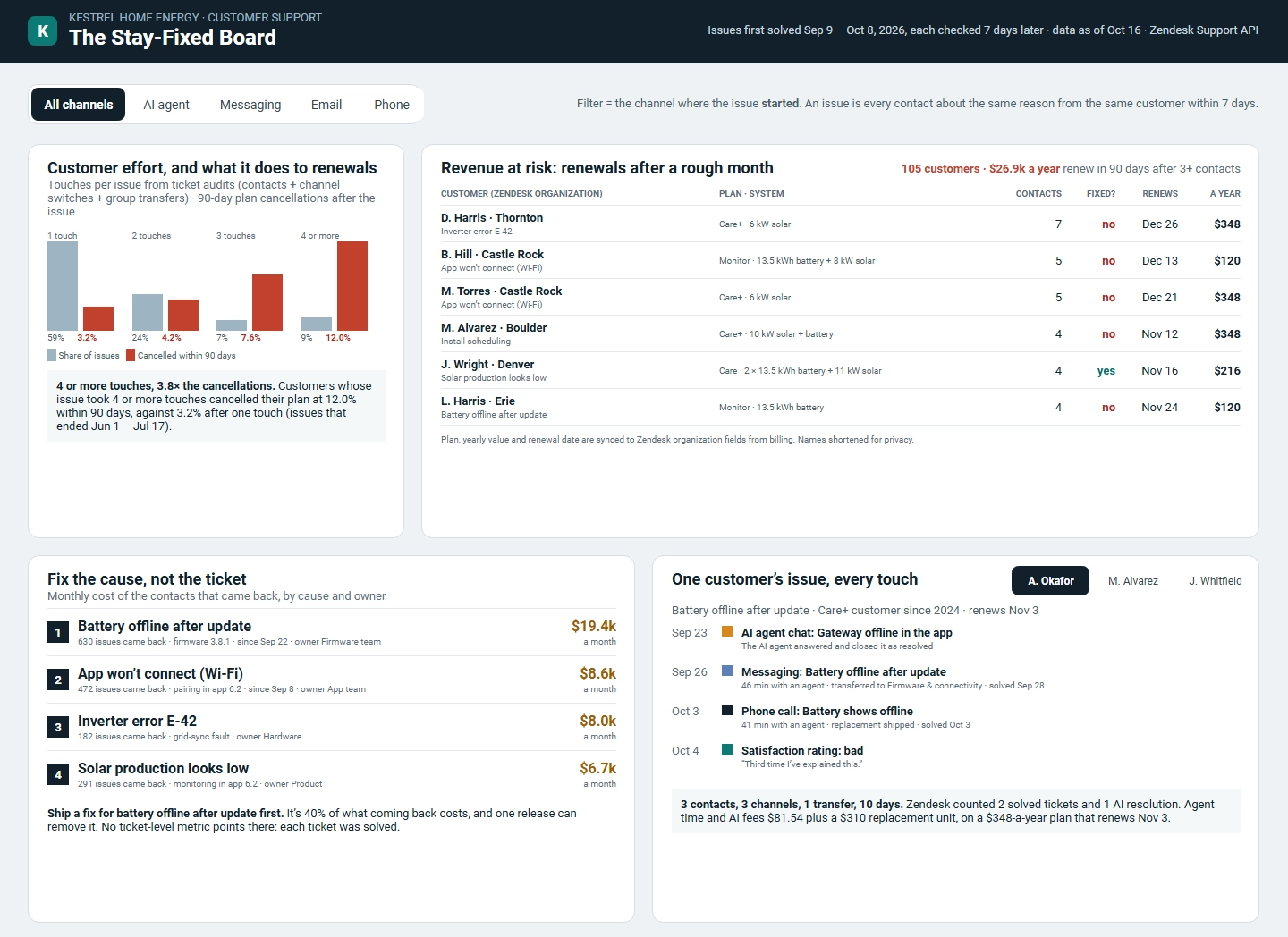
These issues often contribute to metric drift, KPI inflation, and analytics sprawl throughout the organization.
Best Practices for Establishing Metric Ownership
- Assign an accountable business owner for every KPI.
- Create a centralized KPI dictionary.
- Document business definitions and formulas.
- Clearly identify approved data sources.
- Review ownership regularly as business priorities change.
- Include ownership information in dashboards and reports.
- Establish governance committees for enterprise metrics.
- Conduct periodic metric certification reviews.
How Business Intelligence Supports Metric Ownership
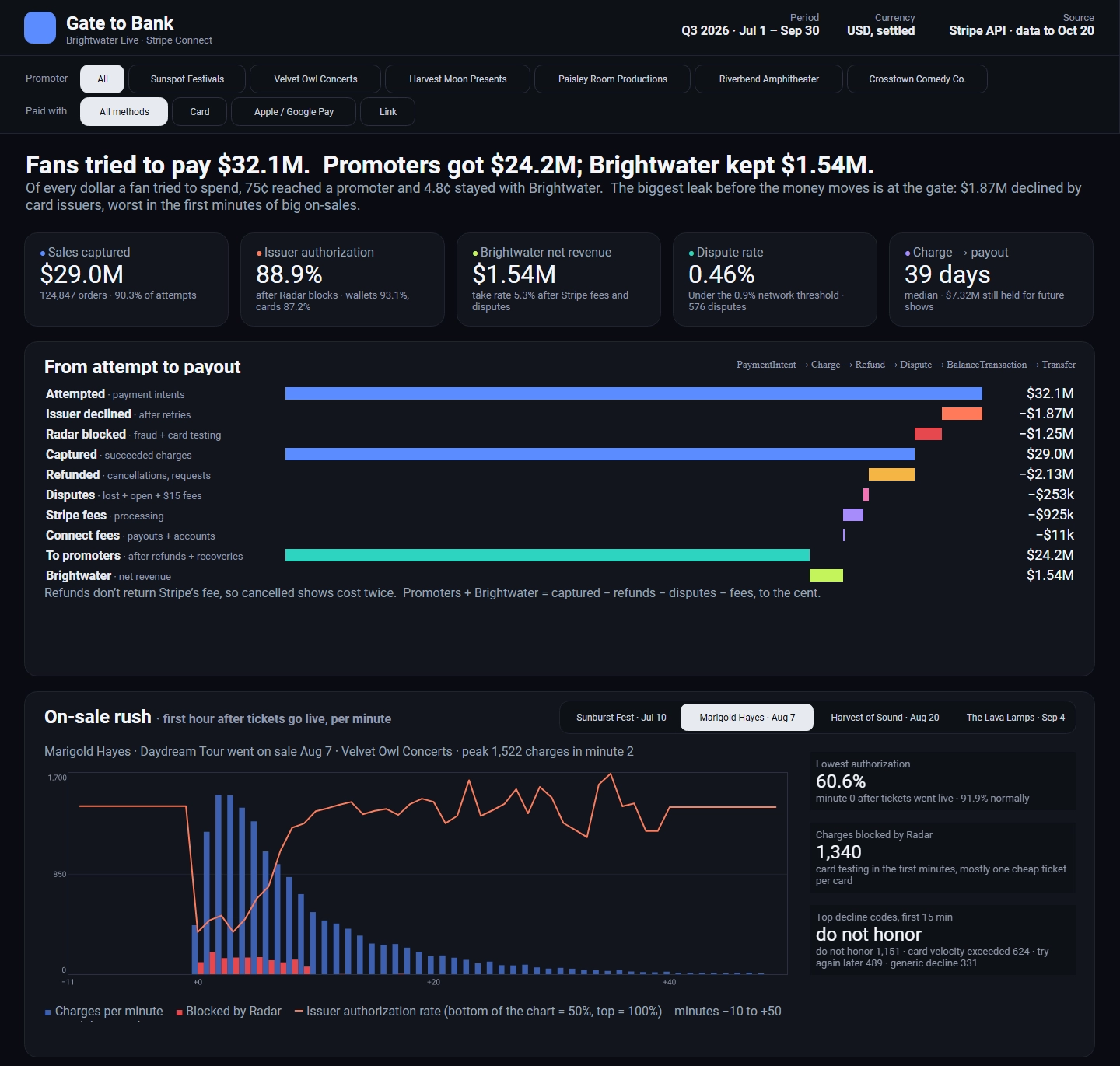
Modern business intelligence platforms help organizations manage metric ownership by centralizing definitions, standardizing calculations, and maintaining consistent reporting across dashboards and departments.
BI solutions can serve as a single source of truth for metric documentation, making it easier for users to understand ownership, calculation methods, and business context.
More Consistent Performance Management
Metric ownership is the practice of assigning accountability for a business metric to a designated individual or team. Owners are responsible for ensuring that metrics remain accurate, relevant, documented, and aligned with organizational goals.
By establishing clear owners for KPIs and other business metrics, organizations can improve data quality, strengthen governance, reduce reporting conflicts, and increase trust in analytics. Effective metric ownership ultimately enables better business decisions and more consistent performance management.