How Enterprise Data Management Creates A Trusted, AI‑Ready Data Foundation
Enterprise Data Management (EDM) has evolved from a back‑office discipline into a strategic capability that determines whether an organization can compete in a world driven by analytics, automation, and artificial intelligence. As enterprises generate exponentially more data across applications, devices, and business processes, the ability to transform that raw information into a trusted, governed, and accessible asset has become essential. Modern EDM provides the frameworks, technologies, and operational practices that ensure data is accurate, consistent, secure, and ready for advanced use cases—including AI and machine learning.
This article explores how EDM creates a reliable data foundation, why it matters for AI readiness, and how organizations can implement a modern EDM strategy that supports long‑term growth. Along the way, it highlights key concepts such as enterprise data governance frameworks, data quality, modern data architectures, and AI‑ready data management.

Why Enterprise Data Management Matters More Than Ever
Organizations today operate in an environment where data volume, velocity, and variety continue to accelerate. Customer interactions, IoT devices, cloud applications, and digital workflows all generate streams of information that must be captured, integrated, and governed. Without a unified approach, data becomes fragmented across systems, inconsistent in quality, and difficult to trust. This leads to operational inefficiencies, compliance risks, and unreliable analytics.
EDM addresses these challenges by establishing a coordinated set of policies, processes, and technologies that manage data throughout its lifecycle. It ensures that data is defined consistently, stored securely, integrated across systems, and made available to the right people at the right time. In doing so, EDM becomes the backbone of digital transformation, enabling organizations to make decisions based on accurate and complete information.
The Core Pillars Of Enterprise Data Management
A modern EDM program typically includes several interconnected pillars that work together to create a trusted data environment. Each pillar contributes to the overall reliability, accessibility, and usability of enterprise data.
Data Governance
Data governance establishes the rules, roles, and responsibilities that define how data is managed across the organization. It includes policies for data ownership, stewardship, access control, and compliance. A strong governance framework ensures that data is used ethically, securely, and consistently. It also provides the oversight needed to maintain data quality and support regulatory requirements.

Data Quality Management
High‑quality data is essential for accurate reporting, analytics, and AI. Data quality management includes profiling, cleansing, standardization, and monitoring processes that ensure data is complete, accurate, and consistent. Organizations that invest in data quality gain a competitive advantage by reducing errors, improving decision‑making, and increasing trust in their analytics outputs.
Data Integration And Interoperability
Data integration connects information across systems, applications, and platforms. Modern integration approaches—such as APIs, event streaming, and ETL/ELT pipelines—enable real‑time data movement and ensure that information flows seamlessly across the enterprise. Interoperability ensures that data from different sources can be combined and analyzed without friction, eliminating silos and enabling holistic insights.
Metadata And Master Data Management
Metadata provides context about data—its meaning, origin, structure, and usage. Master Data Management (MDM) ensures that core business entities such as customers, products, and suppliers are defined consistently across systems. Together, metadata and MDM create a shared understanding of data, reducing ambiguity and improving alignment across teams.
Data Security And Privacy
As data becomes more valuable, it also becomes a target for cyber threats. EDM includes robust security practices such as encryption, access control, and monitoring to protect sensitive information. Privacy frameworks ensure compliance with regulations such as GDPR and CCPA, safeguarding customer trust and reducing legal risk.

How EDM Creates An AI‑Ready Data Foundation
Artificial intelligence and machine learning depend on high‑quality, well‑structured, and well‑governed data. Without this foundation, AI models produce unreliable results, inherit biases, or fail to scale. EDM plays a critical role in preparing data for AI by ensuring that it is accurate, complete, and accessible.
Ensuring Data Accuracy And Consistency
AI models require large volumes of clean, consistent data. EDM’s data quality processes remove duplicates, correct errors, and standardize formats, ensuring that training data is reliable. This reduces noise in the data and improves model performance.
Providing Clear Data Lineage
Data lineage tracks how data moves and transforms across systems. For AI, lineage is essential for understanding how training data was created, ensuring transparency, and supporting model explainability.
How InetSoft’s Application Improves Enterprise Data Management
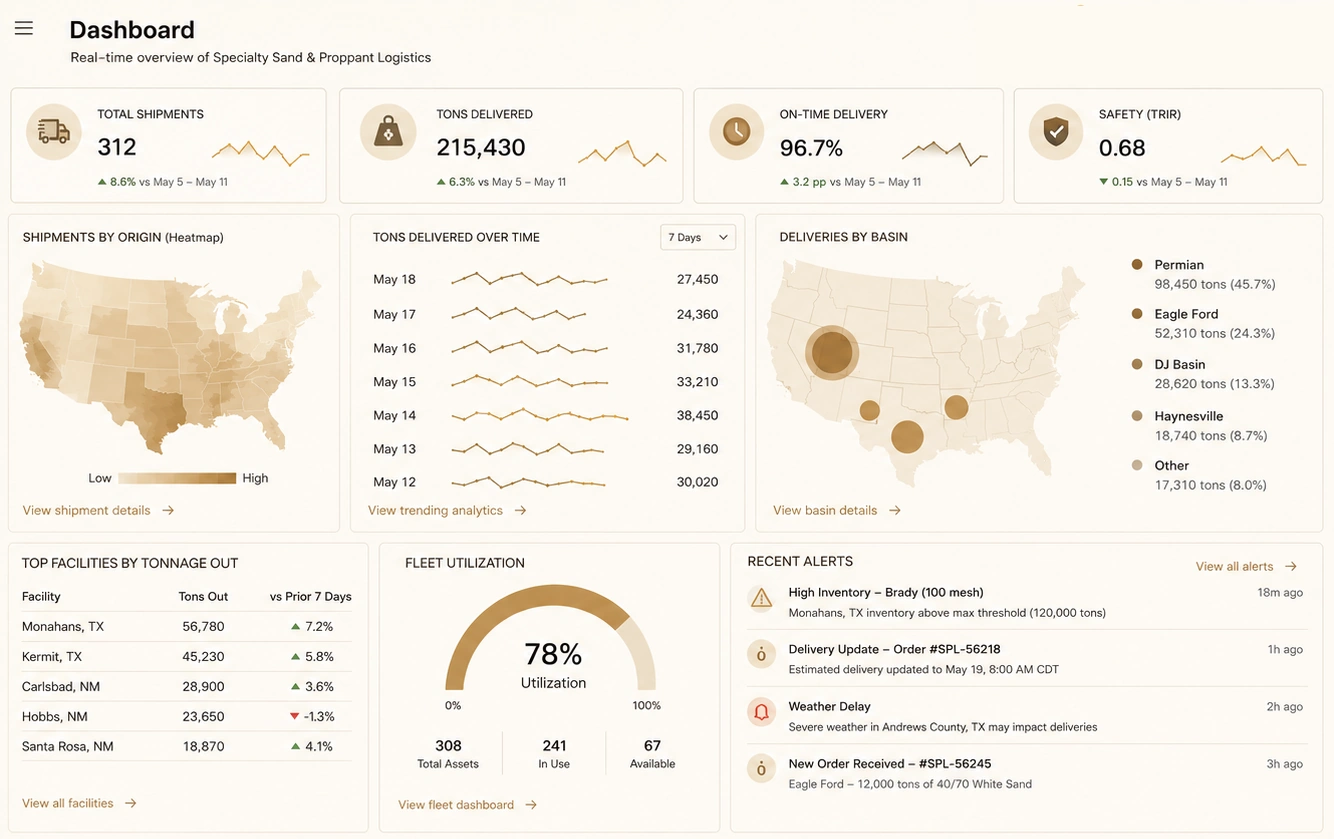
InetSoft’s analytics and data management platform strengthens Enterprise Data Management (EDM) by unifying data access, governance, transformation, and delivery within a single, scalable environment. Its architecture is designed to eliminate silos, improve data quality, and provide governed self-service capabilities that empower both technical and non-technical users. By combining data integration, semantic modeling, and visualization in one application, InetSoft helps organizations create a trusted, AI-ready data foundation.
A core advantage of InetSoft is its ability to connect to virtually any data source—databases, cloud applications, spreadsheets, APIs, and streaming feeds—while maintaining centralized governance. This ensures that data remains consistent and controlled even as users explore and prepare information independently. The platform’s semantic layer provides standardized business definitions, enabling teams to work from a single source of truth and reducing discrepancies across reports and dashboards.
InetSoft’s data mashup engine further enhances EDM by allowing users to blend, enrich, and transform data without requiring IT intervention. These transformations remain governed, traceable, and reusable, ensuring that self-service does not compromise data quality or compliance. This balance between flexibility and control is essential for modern EDM programs that must support both agility and oversight.
Security and access control are built into every layer of the application. Role-based permissions, row-level security, and audit trails ensure that sensitive information is protected while still enabling broad data accessibility. This supports regulatory compliance and reduces risk across the enterprise.
By integrating data preparation, governance, and analytics into one cohesive platform, InetSoft simplifies the entire data lifecycle. The result is a more reliable, consistent, and scalable EDM environment that accelerates decision-making, improves operational efficiency, and prepares organizations for advanced analytics and AI initiatives.
10 Industry KPI Articles on InetSoft
-
Patient Admissions And Discharges
This article explains how home health teams measure intake flow, care continuity, and discharge transitions with operational indicators. It highlights care plan compliance and satisfaction measures to connect process adherence with patient experience. It also covers staff productivity and workload visibility so administrators can balance capacity and quality. Financial stability is addressed through billing and revenue cycle tracking to reduce leakage and delays. The page further details emergency response, telehealth utilization, and readmission monitoring to improve outcomes and reduce risk.
-
Labor Cost Percentage Balancing The Books
This article focuses on workforce planning indicators that keep restaurant operations efficient and profitable. It emphasizes labor cost percentage, turnover rate, and sales per labor hour to align staffing with margin goals. It also addresses schedule adherence, forecast accuracy, and shift coverage to reduce service disruptions. Customer outcomes are tied back to staffing through satisfaction and peak-hour traffic analysis. Additional measures such as overtime, no-show trends, and time-to-fill open shifts support resilient daily scheduling.
-
Waste Recycling Rate And Sustainability Metrics
This article outlines how industrial operations monitor waste generation, composition, and disposal costs to control environmental impact. It presents recycling rate and compliance tracking as core indicators for regulatory alignment and continuous improvement. Real-time monitoring and predictive analytics are used to anticipate overflow, optimize routing, and avoid process failures. Geospatial and root cause analysis help identify problem zones and the underlying drivers of waste incidents. The page also connects KPI programs to cost reduction, resource recovery, and long-term sustainability targets.
-
Customs Compliance Rate And Denied Party Screening
This guide covers how international operators track compliance, logistics performance, and financial outcomes across cross-border workflows. It includes customs compliance, license management, and denied-party controls to lower legal and operational exposure. Supply chain visibility metrics such as on-time delivery, shipment tracking, and inventory indicators support faster response to disruptions. Financial analytics like landed cost, duty analysis, and ROI clarify trade profitability by lane and market. It also introduces risk, sustainability, and transportation measures to balance resilience, cost, and service quality.
-
Battery State Of Charge And Inverter Efficiency
This article explains how renewable operators evaluate generation performance from panel output through grid interaction. It details efficiency monitoring, production-versus-consumption tracking, and weather-informed forecasting for steadier delivery. System uptime, fault diagnostics, and performance ratio monitoring are used to identify degradation before it becomes costly downtime. Storage visibility through state-of-charge metrics helps maintain continuity during low production periods. The article also reviews financial and environmental measures, including cost per kilowatt-hour, ROI, and carbon savings.
-
Incident Trend Analysis And Root Cause Analysis
This resource presents a broad safety measurement framework that combines event rates with proactive prevention indicators. It tracks incident severity, near misses, compliance performance, and training outcomes to strengthen safety governance. Analytics sections show how trend detection, root cause methods, and benchmarking guide targeted interventions. It also includes behavior-based measures and emergency response readiness to improve operational preparedness. Ergonomics, exposure, fatigue, and mental health indicators are covered to create a more complete view of workplace risk.
-
Monthly Recurring Revenue And Expansion MRR
This article centers on recurring-revenue measurement for subscription businesses and how dashboards support faster decisions. It explains churn, CLV, ARPU, and CAC relationships to evaluate growth efficiency and retention quality. Revenue churn and cohort analysis are used to distinguish healthy expansion from unstable acquisition-driven growth. Customer sentiment metrics such as NPS are included to connect product experience with long-term account value. The page also describes conversion, retention, and upsell indicators that improve forecasting and monetization strategy.
-
Door To Provider Time And LWBS Rate
This guide explains how clinical teams monitor throughput to reduce delays and improve timely access to treatment. It tracks length of stay, left-without-being-seen rates, staffing levels, and bed occupancy for better flow control. Quality indicators include satisfaction scores, adverse event tracking, and mortality review to support care improvement. Operational sections cover wait-time visibility, revenue-cycle metrics, and resource allocation for stronger department performance. The article also includes surveillance, compliance, acuity, diagnostic turnaround, and predictive arrival planning.
-
Idle Time Percentage And Carbon Emission Tracking
This article outlines how fleet-focused teams use dashboard indicators to optimize consumption and control operating costs. It highlights consumption rate, miles-per-gallon analysis, and real-time alerts to catch inefficiencies early. Predictive maintenance analytics are used to reduce unplanned downtime and extend equipment reliability. Location intelligence and dispensing accuracy improve security, route efficiency, and accountability. The article also links driver behavior, procurement analysis, and emissions monitoring to both cost and sustainability goals.
-
Time To Hire Metrics And Source Effectiveness
This resource explains how talent teams evaluate hiring funnel performance from initial application through offer outcomes. It includes status progression, conversion, and acceptance analytics to identify friction points and speed placement. Source effectiveness and cost-per-hire indicators help optimize budget allocation across recruiting channels. Candidate feedback and onboarding measures connect hiring execution with long-term retention success. The page also covers compliance, internal mobility, and succession visibility to support workforce planning beyond requisition fill.