How Modern Tools and Techniques Are Redefining Performance Management in Data‑Driven Organizations
Performance management used to mean annual reviews, static scorecards, and backward-looking reports. In a data-driven organization, that model simply cannot keep up. Markets move faster, customers expect more, and teams operate in complex, cross-functional environments. Modern tools and techniques for performance management are emerging not as “nice-to-haves” but as the operating system for how organizations set goals, measure progress, and adapt in real time.
What’s changing is not just the technology stack. The deeper shift is how organizations think about performance itself: from compliance to learning, from isolated metrics to connected systems, and from occasional reviews to continuous, insight-driven conversations. Modern tools—dashboards, KPI platforms, OKR software, workflow automation, and feedback systems—are powerful only when paired with clear techniques and frameworks that give the data meaning and direction.
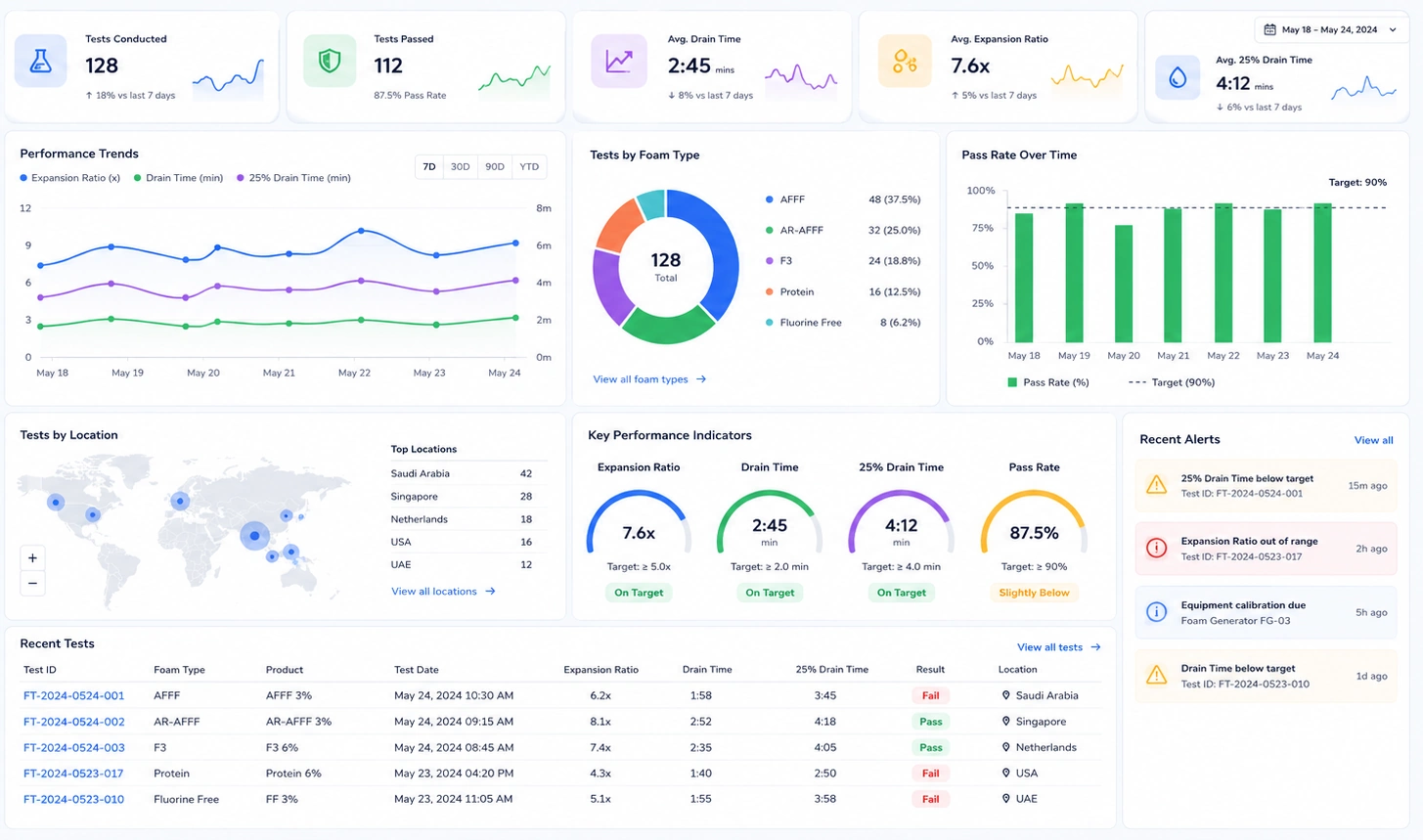

The Shift to Data-Driven Performance Management
In traditional performance management, data was often delayed, incomplete, and siloed. Leaders might receive monthly or quarterly reports, manually compiled from spreadsheets and disconnected systems. By the time issues surfaced, the window to respond had already closed. Today, data-driven organizations treat performance information as a live asset, not a historical record.
Modern performance management is characterized by three core shifts:
- From lagging to leading indicators: Instead of focusing only on outcomes (revenue, profit, churn), organizations track the drivers that predict those outcomes—pipeline health, cycle times, engagement, quality, and adoption.
- From static reports to interactive analytics: Dashboards and self-service BI tools allow managers and frontline staff to explore data, drill into root causes, and answer “why” questions on demand.
- From annual cycles to continuous review: Performance is monitored weekly or even daily, with shorter planning cycles and frequent course corrections.
These shifts require both the right tools to surface and distribute data, and the right techniques to interpret and act on it. Without that combination, organizations risk drowning in metrics without improving performance.
Key Tools Powering Modern Performance Management
Modern performance management tools are not just “reporting systems.” They form an integrated environment where goals, metrics, workflows, and feedback are connected. Several categories stand out as foundational.
Business Intelligence Platforms and Dashboards
BI platforms and dashboards are the visual front-end of performance management. They consolidate data from multiple systems—CRM, ERP, HR, operations, finance—into a single, consistent view of performance. Instead of emailing spreadsheets, leaders and teams access live dashboards that show:
- Key performance indicators (KPIs): The most critical metrics for each function or initiative.
- Trends and comparisons: Performance over time, versus targets, budgets, or benchmarks.
- Drill-down capabilities: The ability to move from high-level KPIs to detailed transaction or process data.
For data-driven organizations, dashboards are not just executive toys. They are operational tools used by managers, analysts, and frontline staff to monitor performance, spot anomalies, and coordinate action.
Goal and OKR Management Platforms
Goal management tools, especially those supporting Objectives and Key Results (OKRs), help organizations translate strategy into measurable outcomes. These platforms:
- Align objectives: Connect company-level goals to departmental, team, and individual objectives.
- Track key results: Define measurable outcomes and update progress frequently.
- Increase transparency: Make goals visible across the organization, reducing misalignment and duplication.
When integrated with analytics and dashboards, OKR tools ensure that key results are not updated manually but fed by real data from operational systems. This reduces friction and keeps performance conversations grounded in facts.
Continuous Feedback and Performance Review Systems
Modern performance management also depends on tools that support ongoing feedback, coaching, and recognition. These systems:
- Enable frequent check-ins: Short, structured conversations about progress, obstacles, and priorities.
- Capture qualitative insights: Comments, peer feedback, and manager notes that provide context beyond the numbers.
- Support development plans: Linking performance outcomes to learning, training, and career growth.
When feedback tools are connected to performance data, managers can have richer conversations: not just “how did you do?” but “what patterns do we see, and what should we try next?”
Workflow Automation and Alerting
Performance management is not only about measuring; it is about responding. Workflow and automation tools close the loop between insight and action by:
- Triggering alerts: Notifying teams when KPIs cross thresholds or when anomalies appear.
- Standardizing responses: Launching predefined workflows—investigations, approvals, remediation steps—when certain conditions are met.
- Reducing manual effort: Automating repetitive tasks so teams can focus on analysis and decision-making.
This automation layer ensures that performance management is embedded in daily operations, not confined to periodic reviews.

Core Techniques Reshaping Performance Management
Tools alone do not guarantee better performance. The real leverage comes from pairing them with clear, disciplined techniques that define what to measure, how to interpret it, and how to respond. Several techniques have become central in data-driven organizations.
Objectives and Key Results (OKRs)
OKRs provide a simple but powerful structure: ambitious, qualitative objectives supported by a small set of quantitative key results. In a modern environment:
- Objectives articulate the strategic direction—what the organization is trying to achieve.
- Key results define how success will be measured, using specific, time-bound metrics.
When OKRs are integrated with analytics tools, progress updates become automatic, and teams can see in real time whether their initiatives are moving the needle. This reduces the gap between planning and execution.
Balanced Scorecard and Multi-Dimensional KPIs
The balanced scorecard approach emphasizes that performance is multi-dimensional: financial, customer, internal process, and learning and growth. Modern organizations extend this idea with:
- Composite dashboards: Showing financial, operational, and customer metrics side by side.
- Leading and lagging indicators: Combining outcome metrics with drivers and early warning signals.
- Cross-functional views: Visualizing how different functions contribute to shared outcomes.
This prevents “single-metric myopia,” where teams optimize one number at the expense of others, and encourages a more holistic view of performance.

Continuous Feedback and Agile Performance Cycles
Instead of annual reviews, data-driven organizations adopt shorter, agile performance cycles. Techniques include:
- Quarterly or monthly goal reviews: Adjusting priorities based on new data and conditions.
- Weekly check-ins: Brief, focused conversations on progress, blockers, and next steps.
- Retrospectives: Regular sessions to reflect on what worked, what did not, and what to change.
These techniques turn performance management into a continuous learning loop, where data informs action and action generates new data.
KPI Cascades and Alignment
KPI cascades translate high-level goals into operational metrics at every level. For example, a strategic objective to improve customer retention might cascade into:
- Company-level KPI: Net revenue retention.
- Customer success KPIs: Renewal rate, time-to-first-value, health scores.
- Product KPIs: Feature adoption, usage frequency, defect rates.
When these cascades are implemented in dashboards and OKR tools, everyone can see how their work connects to the bigger picture, strengthening alignment and accountability.

How Tools and Techniques Work Together
The real transformation happens when tools and techniques are tightly integrated. Consider a data-driven organization that:
- Defines strategic objectives and key results using an OKR framework.
- Implements KPI cascades that connect those key results to operational metrics.
- Builds dashboards that visualize these KPIs in real time for each team.
- Uses workflow automation to trigger alerts and actions when metrics deviate from targets.
- Runs continuous feedback and review cycles where data from dashboards anchors the conversation.
In this environment, performance management is not a separate process. It is woven into how teams plan, execute, and learn. Data flows from operational systems into analytics; insights flow into conversations and decisions; decisions trigger actions; and actions generate new data. The loop is continuous.
Implementing Modern Performance Management in Practice
Redefining performance management is as much an organizational change effort as a technical one. A practical path often includes:
- Clarify strategy and outcomes: Before selecting tools, define the strategic objectives and outcomes that matter most. Without this clarity, dashboards and KPIs will proliferate without focus.
- Design a KPI and OKR framework: Identify a small set of critical KPIs and structure them into OKRs and cascades. Ensure each metric has a clear owner and data source.
- Select and integrate tools: Choose BI, goal management, feedback, and workflow tools that can integrate with your existing systems. Prioritize interoperability and data consistency.
- Build role-based dashboards: Create tailored views for executives, managers, and frontline staff. Each role should see the metrics they can influence, linked to higher-level goals.
- Establish performance rhythms: Define the cadence for check-ins, reviews, and retrospectives. Use data from dashboards and OKR tools as the starting point for every conversation.
- Invest in data literacy and coaching: Equip managers and teams to interpret data, ask good questions, and translate insights into action. Tools are only as effective as the people using them.
Organizations that treat this as an iterative journey—starting with a focused set of metrics and expanding over time—tend to see better adoption and impact than those that attempt a “big bang” overhaul.
Common Pitfalls and How to Avoid Them
Even with modern tools and techniques, performance management can fail to deliver if certain traps are not avoided:
- Metric overload: Tracking too many KPIs dilutes focus. Prioritize a small set of high-impact metrics.
- Tool-first thinking: Buying platforms without a clear framework leads to underutilized systems and confusion.
- Data without dialogue: Dashboards that are never discussed in meetings become wallpaper. Make data central to performance conversations.
- Blame culture: If data is used to punish rather than learn, teams will game metrics or hide problems. Emphasize learning and improvement.
Avoiding these pitfalls requires leadership commitment, clear communication, and a culture that values transparency and experimentation.
Performance Management as a Living System
Modern tools and techniques are redefining performance management by turning it into a living, adaptive system. Dashboards, OKR platforms, feedback tools, and automation provide the infrastructure; frameworks like OKRs, balanced scorecards, continuous feedback, and KPI cascades provide the logic and discipline.
In data-driven organizations, performance management is no longer a yearly event. It is the ongoing practice of aligning goals, measuring what matters, learning from evidence, and adjusting course. When tools and techniques are thoughtfully combined, performance management stops being a burden and becomes a powerful engine for focus, accountability, and growth.