Why Choose InetSoft Over Plotly for Business Intelligence and Analytics?
Choosing the right business intelligence (BI) and analytics platform is crucial for organizations looking to leverage data effectively. While there are numerous options available, InetSoft and Plotly are often compared due to their capabilities in visualization and analytics.
Despite Plotly’s popularity for interactive visualizations, InetSoft offers a more comprehensive, enterprise-ready solution that addresses the broader needs of modern organizations. Here’s an in-depth exploration of why InetSoft stands out over Plotly.
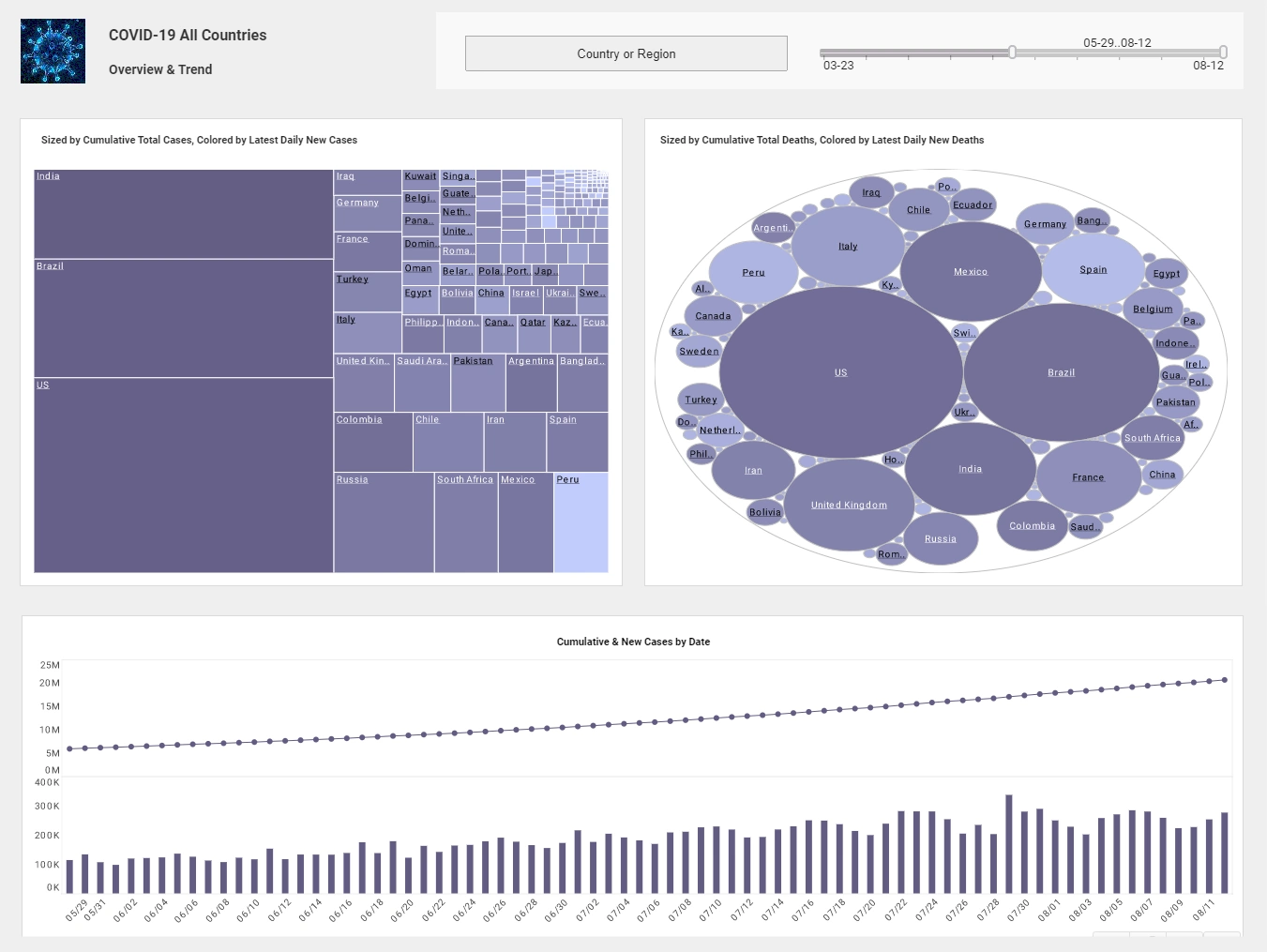

1. Comprehensive Business Intelligence Suite
InetSoft provides a full-featured BI platform, covering everything from data integration and preparation to analytics and reporting. Unlike Plotly, which is primarily focused on creating interactive visualizations and charts, InetSoft delivers online end-to-end solutions. It allows users to connect to multiple data sources, blend and transform data, and build dashboards and reports that can be scheduled and shared across the organization. This holistic approach reduces the need for multiple tools and simplifies workflows, which is especially valuable for enterprises managing complex data ecosystems.
2. Multi-Source Data Integration
Modern organizations often operate with multiple data sources, from cloud-based databases to legacy on-premise systems. InetSoft excels at integrating data from various sources seamlessly. Its data mashup capabilities enable combining data from SQL databases, web services, flat files, and other sources into a single coherent view. Plotly, on the other hand, requires external data preparation tools or custom scripts to handle complex data integration, making it less convenient for organizations that need rapid, centralized access to data from multiple sources.
3. Advanced Data Blending and Transformation
InetSoft offers powerful data blending and transformation features, allowing users to merge datasets, calculate new metrics, and reshape data for meaningful analysis. These features are built directly into the platform, so users don’t need to rely on external ETL tools. Plotly focuses on visualization and requires pre-processed data to generate charts and dashboards. This means organizations using Plotly often have to maintain additional workflows for data cleansing, blending, and transformation, adding complexity and potential points of failure.
4. Dashboarding and Reporting Capabilities
InetSoft’s dashboarding capabilities go beyond simple charts. Users can create interactive dashboards with multiple views, drill-down functionality, and real-time updates. Dashboards can be customized with advanced features such as parameter controls, filters, and dynamic calculations. Reporting is also a strong suit; InetSoft allows the creation of pixel-perfect reports that can be scheduled for automated delivery in formats like PDF, Excel, or HTML. Plotly excels at interactive charts but lacks built-in reporting and scheduling features, requiring additional software to generate formal reports for business users.

5. Enterprise Scalability and Security
For large organizations, scalability and security are critical. InetSoft is designed with enterprise needs in mind, supporting multi-user environments, role-based access controls, and centralized administration. It can handle large volumes of data and concurrent users without sacrificing performance. Plotly, while effective for individual developers or small teams, is not inherently structured for enterprise-grade deployments. Enterprises often need to implement additional layers for user management, security, and scaling when relying on Plotly.
6. Embedded Analytics
One of InetSoft’s standout features is its ability to embed analytics directly into existing applications. This allows software providers and internal IT teams to integrate interactive dashboards and reports into business applications, portals, and intranets without requiring users to leave their workflow. While Plotly can be embedded via web components, it typically requires custom development to achieve a seamless experience, and lacks the comprehensive deployment and management features that InetSoft offers for embedded analytics.
7. Self-Service and Ease of Use
InetSoft is designed to cater to both business users and technical staff. Its drag-and-drop interface allows non-technical users to build dashboards, perform ad-hoc analysis, and explore data without SQL or coding knowledge. Plotly’s primary strength lies in its programmatic approach, using Python, R, or JavaScript, which can be a barrier for non-developers. While Plotly Dash simplifies some aspects of application building, InetSoft’s self-service capabilities enable faster adoption across an organization and reduce reliance on IT teams for routine reporting and analytics.
8. Real-Time and Operational Analytics
InetSoft supports real-time data monitoring, which is essential for operational decision-making. Dashboards can display live metrics from streaming sources or continuously updated databases, providing actionable insights as events happen. Plotly, while capable of creating real-time visualizations, requires additional infrastructure and coding to connect to live data streams, making InetSoft a more turnkey solution for organizations that need operational analytics without extensive development effort.

9. Extensibility and Customization
InetSoft provides flexibility to meet unique business requirements. Users can customize dashboards, reports, and workflows, and integrate with third-party systems through APIs and web services. Plotly allows deep customization at the code level, which is powerful for developers, but it requires programming expertise. For organizations looking for a balance between customization and usability, InetSoft offers a more approachable platform without sacrificing flexibility.
10. Support and Professional Services
InetSoft offers robust customer support and professional services, helping organizations with implementation, optimization, and training. Enterprises benefit from guided onboarding, best practices, and technical assistance that ensures the platform is used effectively. Plotly’s support model is more limited, often relying on community forums or third-party consultants, which can delay resolution for complex enterprise requirements.
11. Total Cost of Ownership
While Plotly may appear cost-effective for small-scale visualization projects, the total cost of ownership can increase as organizations scale. Additional costs may arise from integrating data preparation tools, building reporting workflows, ensuring security, and maintaining custom code. InetSoft, by providing an all-in-one solution, reduces hidden costs and minimizes the need for multiple disparate tools. Enterprises can consolidate BI, reporting, and analytics under a single platform, simplifying administration and reducing long-term costs.
12. Industry Use Cases and Proven Track Record
InetSoft has a proven track record across industries, from finance and healthcare to manufacturing and retail. Its platform has been adopted by organizations needing enterprise-grade analytics, embedded dashboards, and compliance reporting. While Plotly is widely used for research, prototyping, and data science projects, it is less established as a full enterprise BI solution for multi-departmental deployments. Choosing InetSoft provides confidence that the platform can handle both current and future organizational needs.

13. Summary
In summary, while Plotly excels at creating beautiful, interactive visualizations and is a strong choice for developers and data scientists, InetSoft offers a more complete, enterprise-ready solution for business intelligence, reporting, and analytics. Its strengths in multi-source integration, data blending, dashboarding, reporting, embedded analytics, real-time monitoring, and enterprise scalability make it a superior choice for organizations seeking a holistic BI platform. InetSoft’s self-service capabilities, professional support, and lower total cost of ownership further enhance its appeal for organizations that want to empower both technical and non-technical users.
For businesses looking to move beyond visualization into comprehensive, actionable analytics, InetSoft provides the tools, flexibility, and reliability required to turn data into insight across the enterprise, making it the superior choice over Plotly for organizations aiming for a fully integrated, enterprise-scale BI solution.