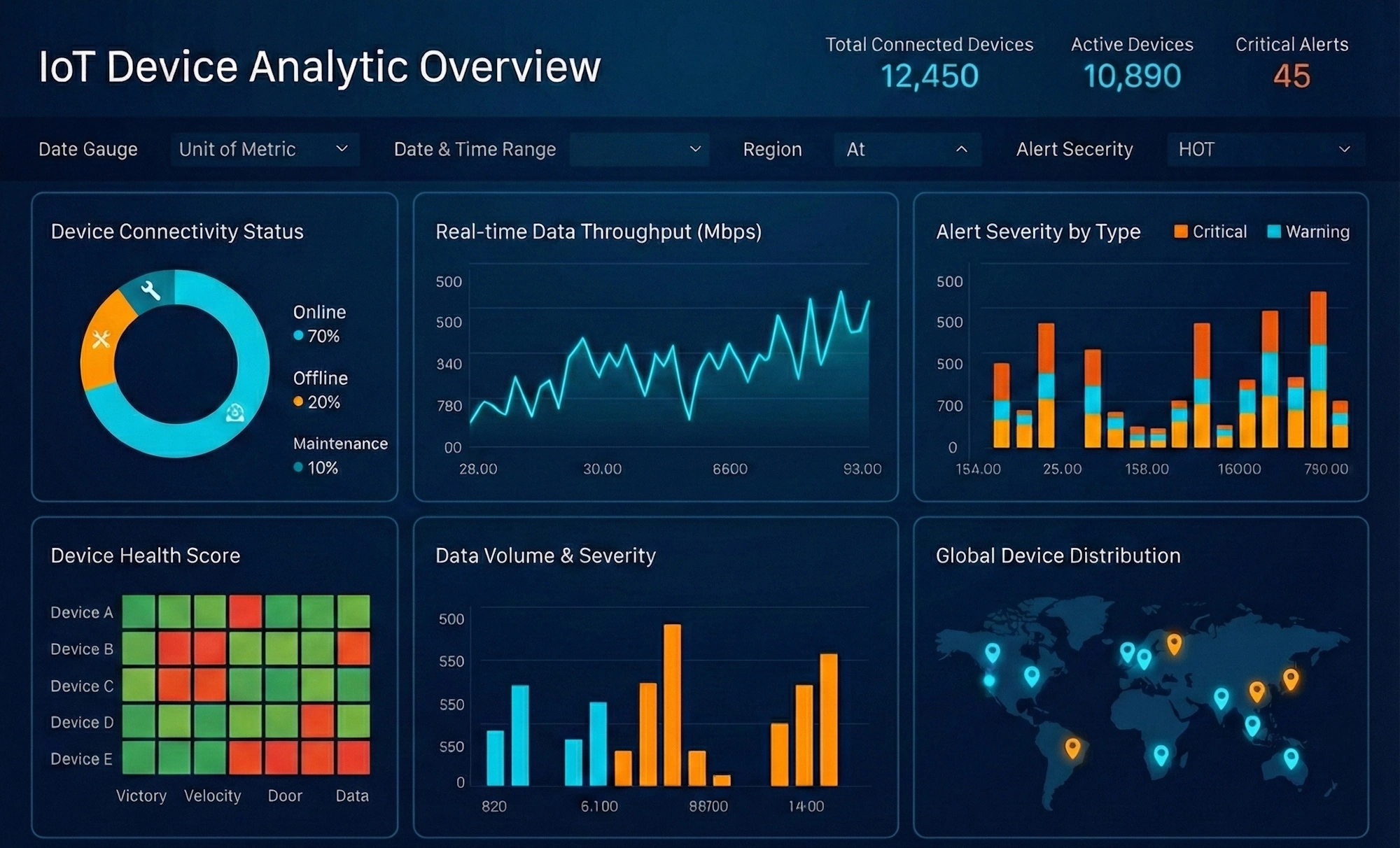
What Does It Mean to Certify a Report or Dashboard?
Certification is a formal process used to verify that a report or dashboard meets organizational standards for
data quality, accuracy, governance, and business relevance.
Once certified, the asset receives a designation indicating that users can rely on it for operational,
tactical, or strategic decision-making.
A certified dashboard typically includes:
- Validated data sources
- Approved metric definitions
- Documented calculations and business rules
- Audited security and access controls
- Business owner approval
- Ongoing maintenance procedures
Why Is Dashboard Certification Important?
Without certification, users may encounter multiple reports showing different values for the same KPI.
When stakeholders cannot determine which version is correct, trust in analytics declines.
Certification establishes a clear source of truth and improves confidence across the organization.
Benefits include:
- Higher user trust in analytics
- Consistent KPI definitions
- Reduced reporting conflicts
- Improved governance and compliance
- Better decision-making
- Lower risk of data misinterpretation
- Simplified onboarding for new users
How to Certify Reports and Dashboards
Organizations often follow a structured certification workflow to ensure consistency and accountability.
1. Identify Business-Critical Assets
Begin by identifying reports and dashboards that support executive reporting, financial analysis, operational
monitoring, compliance reporting, and other critical business functions.
These assets should receive certification priority because they have the greatest organizational impact.
2. Validate Data Sources
Verify that all data originates from approved systems of record.
Review database connections, transformation logic, integrations, and refresh schedules to ensure information
is accurate and current.
3. Review Metric Definitions
Every KPI should have a documented business definition.
Metrics such as revenue, customer retention, inventory turnover, and conversion rate must be calculated
consistently across the organization.
4. Audit Calculations and Logic
Review formulas, aggregations, filters, drill-down paths, and business rules.
Confirm that calculations produce expected results and align with documented metric definitions.
5. Assess Security and Permissions
Certified assets should enforce proper access controls.
Data visibility must comply with organizational security standards, privacy policies, and regulatory
requirements.
6. Obtain Stakeholder Approval
Certification should include approval from both business and technical stakeholders.
Report owners, department leaders, data stewards, and analytics teams should verify accuracy and relevance
before granting certification.
7. Publish Certification Status
Clearly label certified assets within the analytics platform.
Visual indicators such as badges, status labels, or governance tags help users distinguish trusted reports
from drafts or departmental analyses.
Common Dashboard Certification Criteria
Many organizations establish a checklist that dashboards must satisfy before receiving certification.
- Uses approved enterprise data sources
- Contains documented KPI definitions
- Passes data quality validation tests
- Has a designated business owner
- Maintains documented refresh schedules
- Includes appropriate security controls
- Meets usability and accessibility standards
- Supports governance policies
The Role of Data Governance in Certification
Certification is often part of a broader data governance program.
Governance teams define standards, ownership responsibilities, approval workflows, and maintenance
requirements that support trustworthy analytics.
A strong governance framework ensures that certifications remain meaningful long after a dashboard is
initially approved.
Regular reviews help prevent metric drift, outdated calculations, and declining data quality.
How to Maintain Certification Over Time
Certification is not a one-time activity.
Changes to source systems, business rules, KPIs, or organizational structures can affect report accuracy.
Certified assets should be reviewed periodically to ensure they still satisfy governance standards.
Best practices include:
- Conducting annual or quarterly reviews
- Monitoring dashboard adoption and usage
- Revalidating KPI calculations after system updates
- Reviewing stakeholder ownership assignments
- Auditing security permissions regularly
- Retiring obsolete certified assets when necessary
Certified vs. Uncertified Analytics Assets
Both certified and uncertified reports can deliver value, but they serve different purposes.
Certified assets are typically intended for broad organizational use, while uncertified assets may support
exploratory analysis, experimentation, or departmental needs.
Users should understand the distinction and rely on certified dashboards when making important business
decisions.
A clearly communicated certification program helps prevent confusion and encourages consistent use of trusted
analytics.
Dashboard Certification with InetSoft
InetSoft's dashboard reporting platform supports enterprise governance initiatives by helping organizations
standardize metrics, manage dashboard ownership, enforce security policies, and maintain trusted analytics
assets.
Organizations can establish governance workflows that identify approved reports and dashboards, making it
easier for users to locate reliable information and make data-driven decisions with confidence.
Trusted Decision-Support Assets
Certifying reports and dashboards is an essential practice for organizations seeking trustworthy, consistent,
and governed analytics.
By validating data sources, standardizing metric definitions, reviewing calculations, and establishing formal
approval processes, businesses can improve confidence in reporting and reduce the risks associated with
conflicting information.
A well-managed certification program transforms dashboards from simple reporting tools into trusted
decision-support assets.